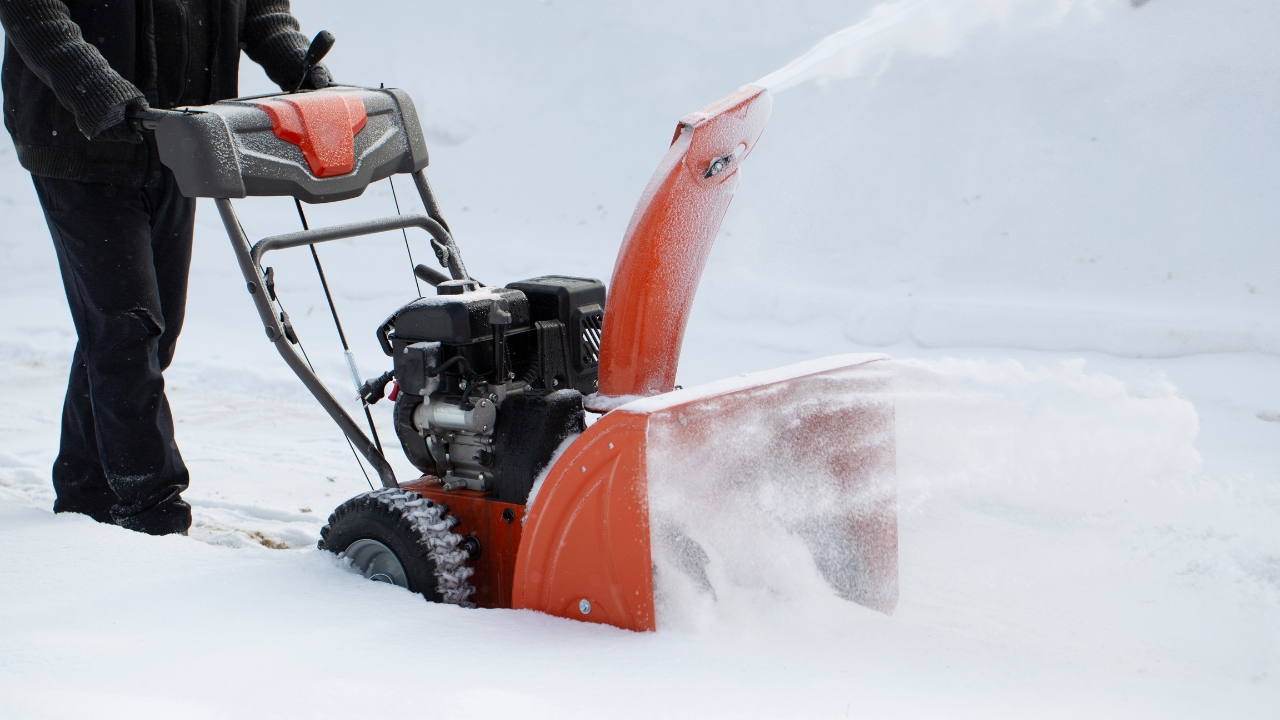
Best Snow Blowers for People With Long Gravel Driveways
Photo credit: Potashev Aleksandr/Shutterstock.com
A long gravel driveway looks simple until the first wet, heavy snow packs in and turns it into a rutted mess. Pick the wrong machine and you’ll spend all winter chasing rocks, clogging the chute, and fighting traction. Pick the right one and you’ll clear a wide path without chewing up your drive or beating yourself up.
1. Two-Stage Gas With Tall Skid Shoes
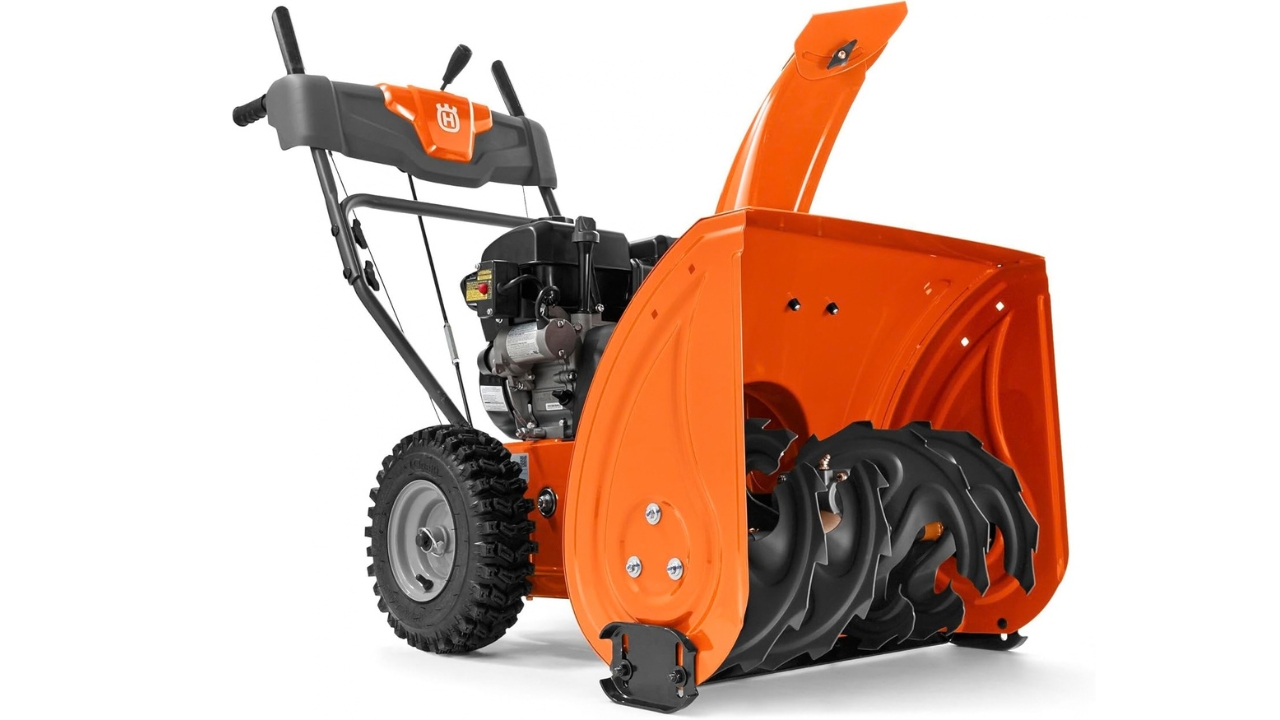
If your driveway has loose stone and a washboard feel, a single-stage unit will scrape too close and start flinging gravel. A two-stage gas blower rides higher, uses an auger to feed snow, then an impeller to throw it, so it’s less sensitive to little dips. Look for adjustable skid shoes that can be set to float over the high spots and a scraper bar you can swap when it wears.
You’ll also want tires with real tread and a weighty housing that doesn’t bounce when it hits hardpack. This style is the workhorse choice for most long gravel drives because you can tune the stance for early winter and then lower it later when the base freezes in.
2. Track Drive For Steep Or Icy Grades
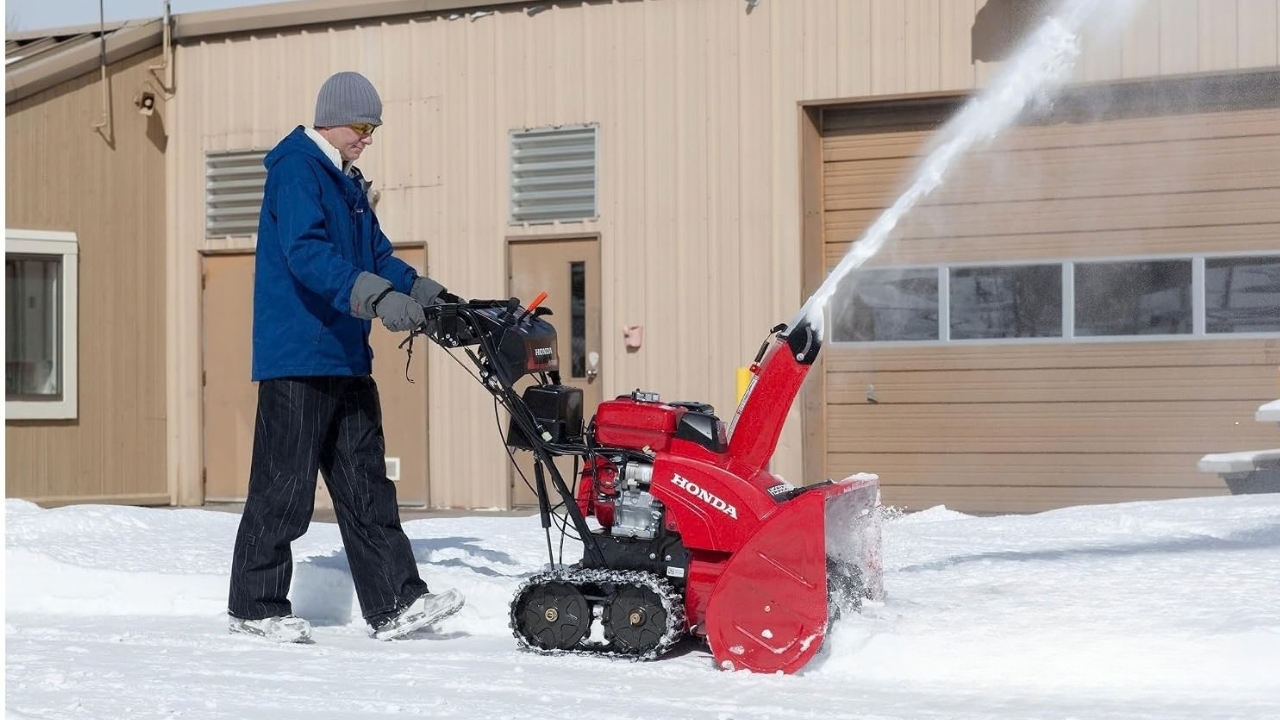
On a long incline, wheels spin and you end up pushing a machine that’s supposed to pull itself. Track-drive snow blowers bite into glare ice better and keep moving when the surface turns into polished snowpack. They cost more and they’re heavier to wrestle in the garage, but they climb.
Tracks also help when your gravel is uneven and the machine wants to teeter. You’ll still set the skids high to save your stone, and you’ll take turns slower because tracks don’t pivot as easily as tires.
3. Power Steering That Actually Turns
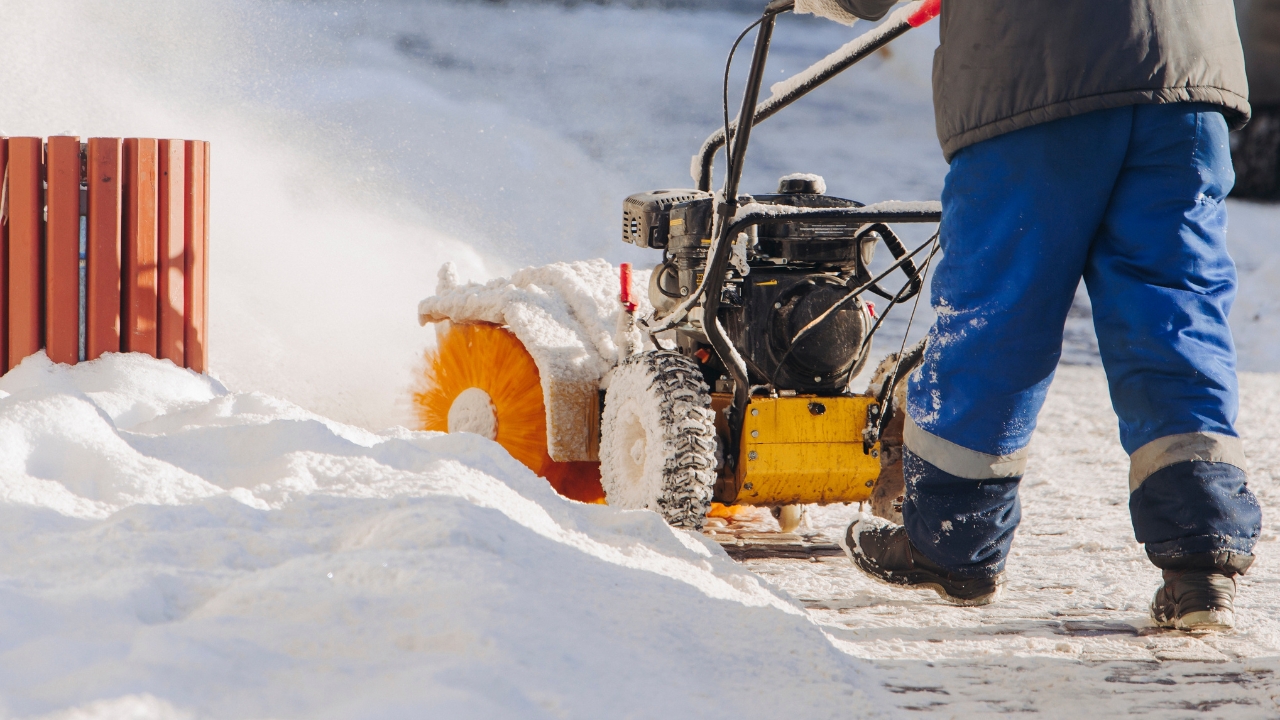
A long driveway means a lot of end-of-pass turns and a lot of backing up. Without power steering or a trigger-steer setup, the front end fights you, especially once the housing fills with snow and weight. Your shoulders feel it by the third pass.
Look for a system that lets you turn one side without dragging the other, and test it in the driveway if you can. This feature doesn’t throw snow any farther, but it makes you more likely to go out and clear before everything sets up like concrete.
4. Wide Intake That Still Feeds Well
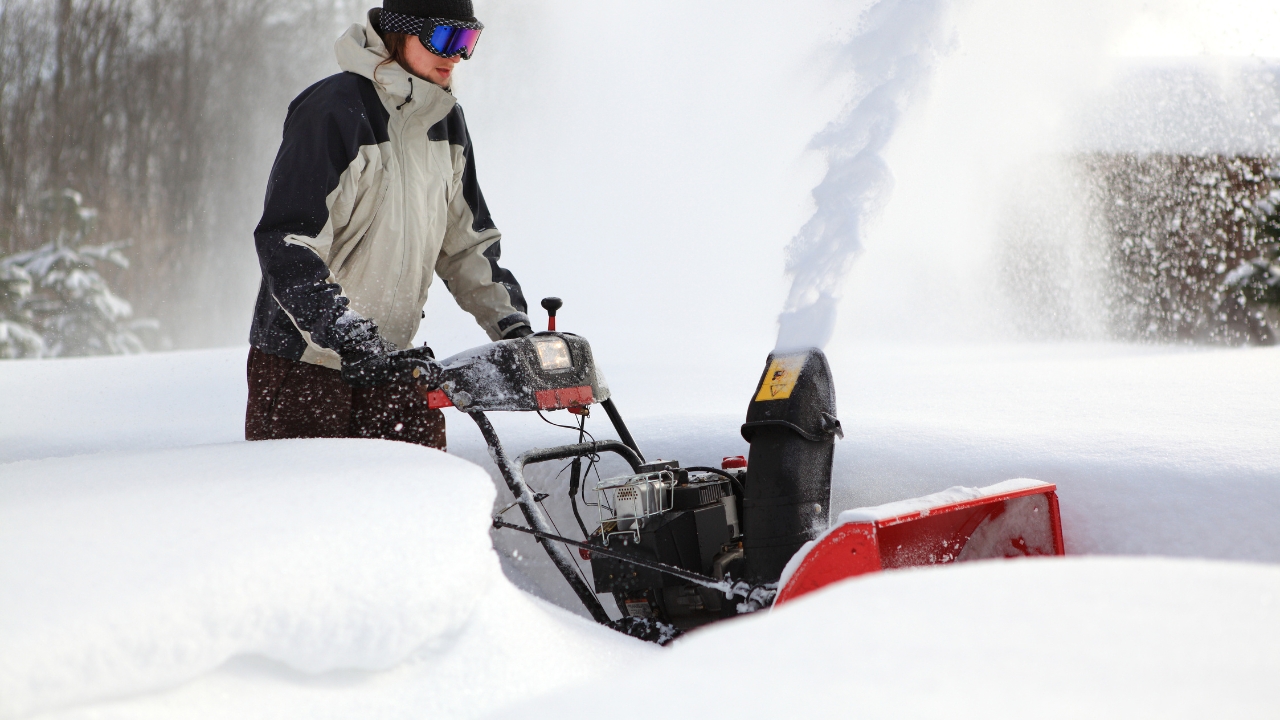
People see a 30 inch or wider bucket and think it automatically means less time outside. A wide housing helps on a long straight run, but only if the auger and impeller can keep up when the snow is deep and heavy. A too-wide, underpowered unit bogs, belts slip, and you end up taking half-width passes anyway.
Match width to the kind of storms you get and how much base you have. If your snow is often wet, a slightly narrower two-stage with strong feed will outwork a wider machine that chokes.
5. High Clearance Skid Shoes For Gravel
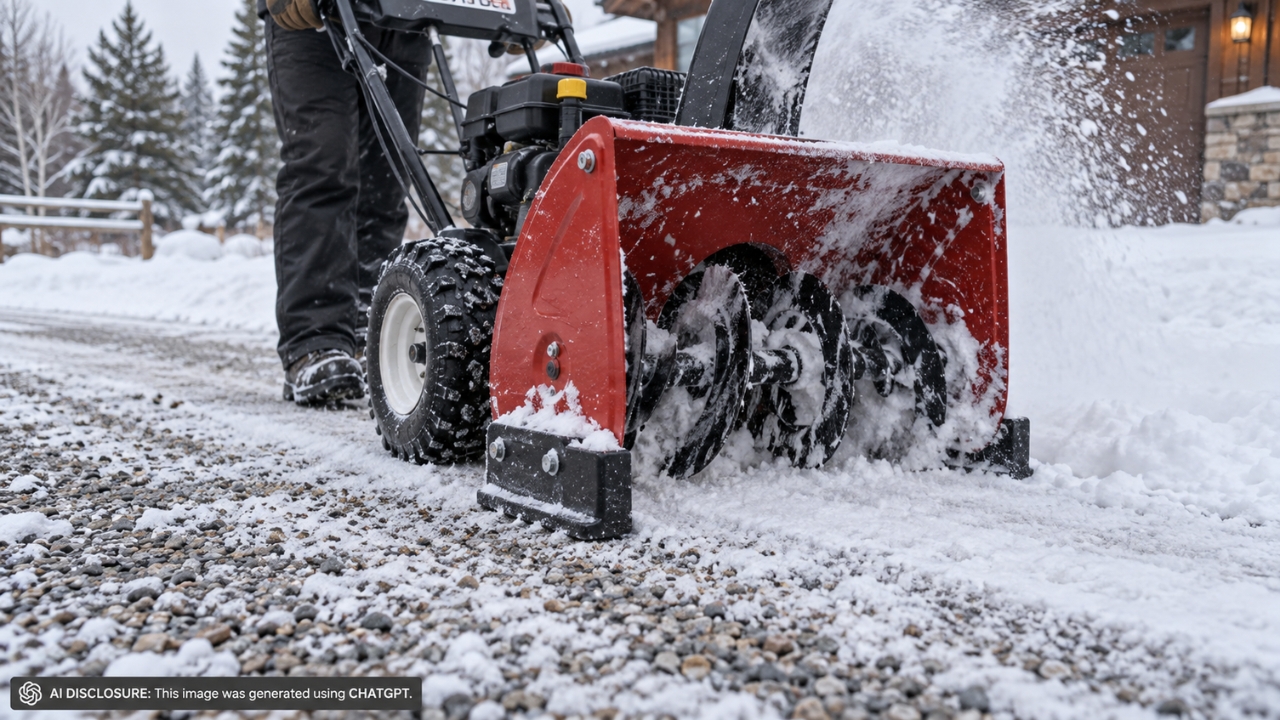
New owners set the skids low because they want a “clean scrape” and then wonder why the chute sounds like a rock tumbler. On gravel, you’re better off leaving a thin layer early season, then tightening it down once the driveway freezes hard. Taller, wider skid shoes spread the load so you don’t dig trenches.
Some models come with shoes that are fine on pavement but too small for soft stone. Upgrading skid shoes is usually cheap compared to replacing shear pins, impellers, or the neighbor’s window.
6. Serrated Auger For End-Of-Driveway Slush
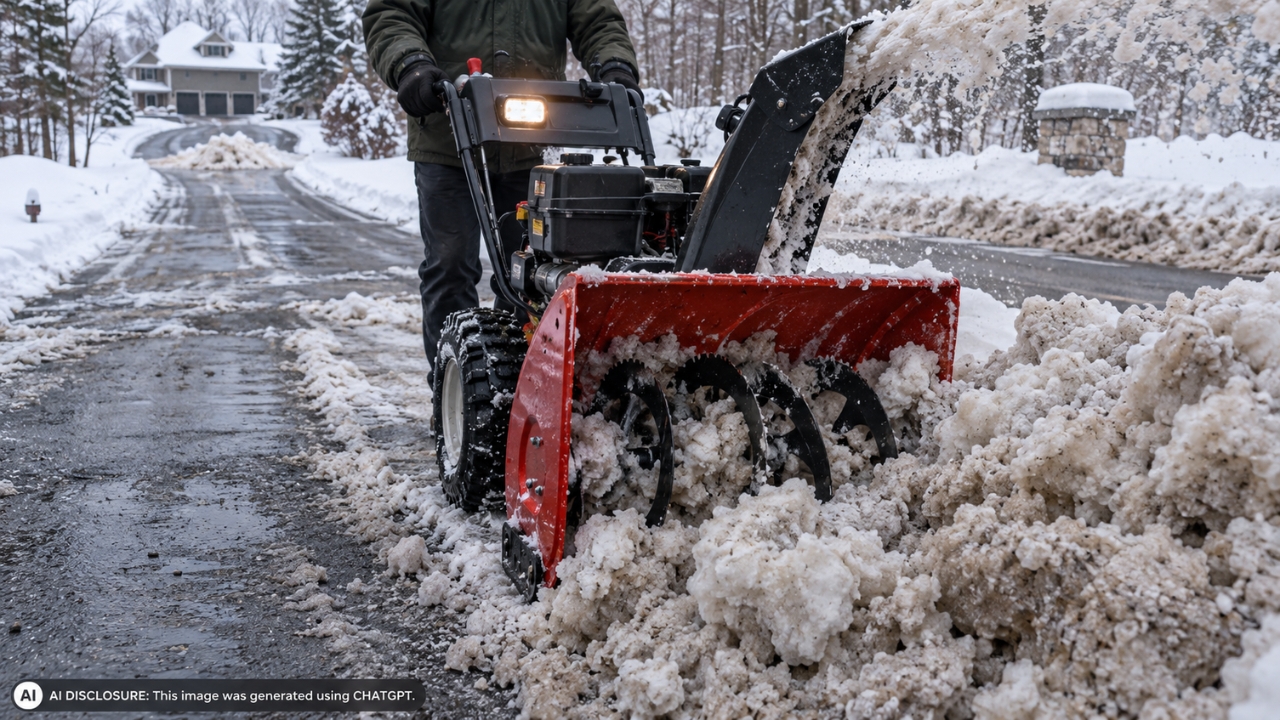
The worst stuff is often the pile the plow leaves, wet, salty, and packed into a ridge. A serrated auger design bites into that chunkier berm and breaks it up faster than smooth paddles. You’ll still take it in layers, but it won’t sit there polishing the face of the pile.
This matters on long drives because that plow pile tends to happen twice, once at the road and again where you turn around. If you dread those two spots, a better auger is worth paying for.
7. Impeller Kit When Snow Is Heavy
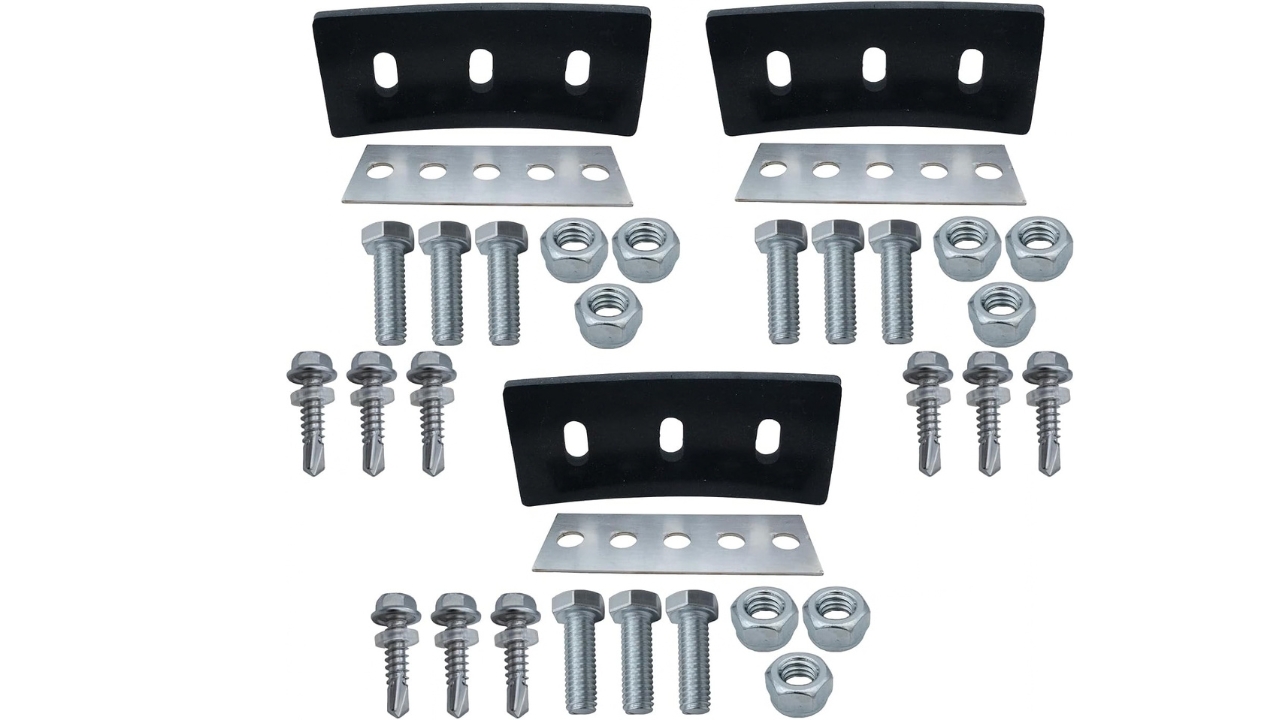
Some two-stage blowers throw fine powder like a cannon, then dribble wet snow out the chute like oatmeal. That’s often an impeller clearance issue, the gap between the impeller blades and the housing lets slush recirculate instead of launching. An impeller kit tightens that gap and helps a lot in sticky conditions.
This is a bolt-on upgrade people don’t think about until they’re already frustrated. If you buy used, check if it’s already installed. If you aren’t comfortable wrenching and aligning parts, pay a small engine shop to do it right.
8. Chute Control You Can Adjust Mid-Pass
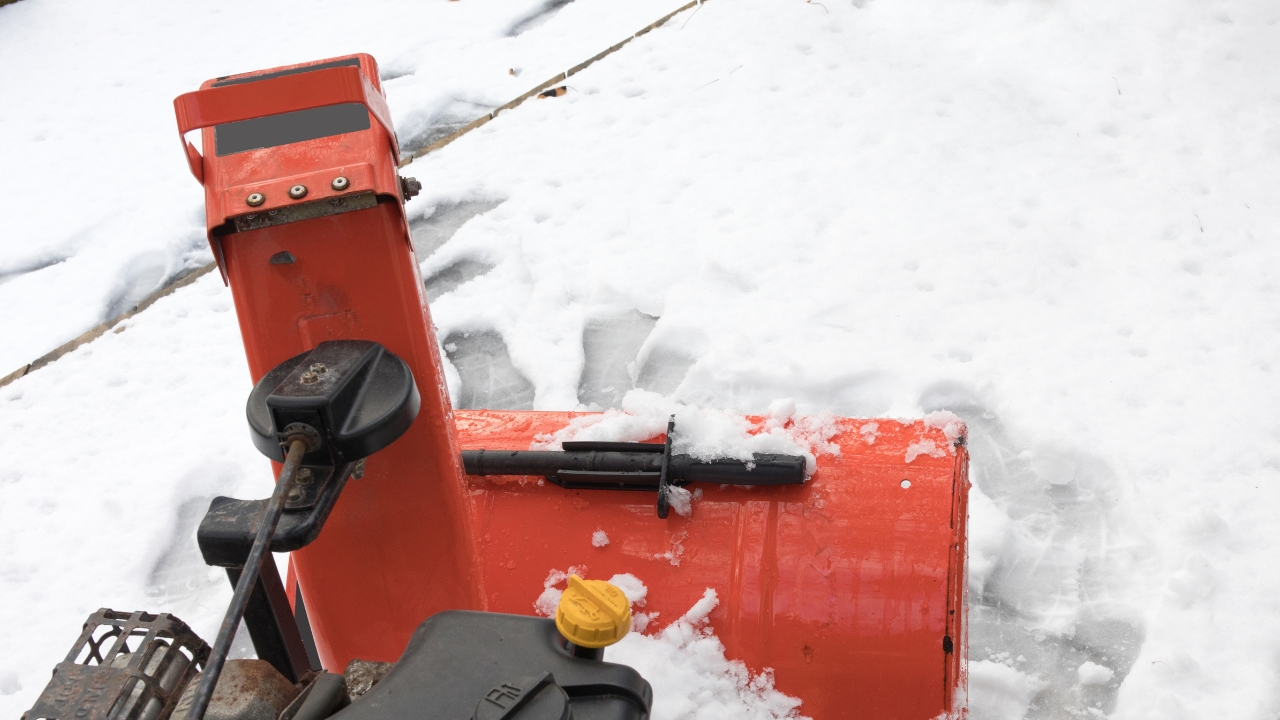
Long driveways usually mean shifting winds and multiple places you don’t want snow, like mailboxes, ditches, culverts, and a neighbor’s lane. A chute that takes two hands and a wrestling match wastes time and gets you hit in the face with blowback. A good crank, joystick, or electric chute control lets you change direction while you keep moving.
Pay attention to deflector control too. Throw distance is great until you’re blasting gravel into the yard or piling snow where it will drift back across the drive overnight.
9. Headlight That Shows Rocks And Ruts
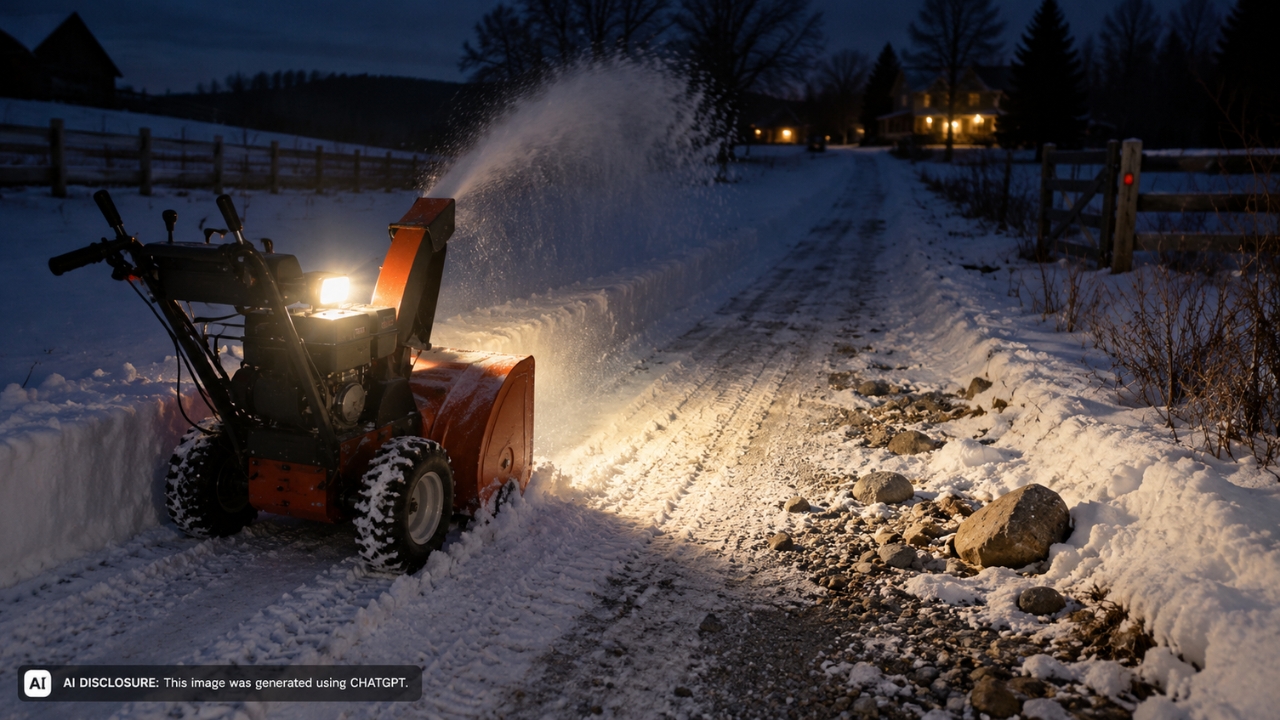
Clearing before work or after dark is normal on a long rural drive. A weak headlight gives you a bright spot in front and hides the ruts and stone piles off to the side, right where your skid shoe is about to catch. A decent LED light helps you see what you’re about to hit.
This isn’t a performance feature, it’s a damage reducer. If your machine doesn’t have a good light, a sturdy add-on work light is cheaper than a bent auger housing.
10. Battery Two-Stage For Tight Neighborhoods
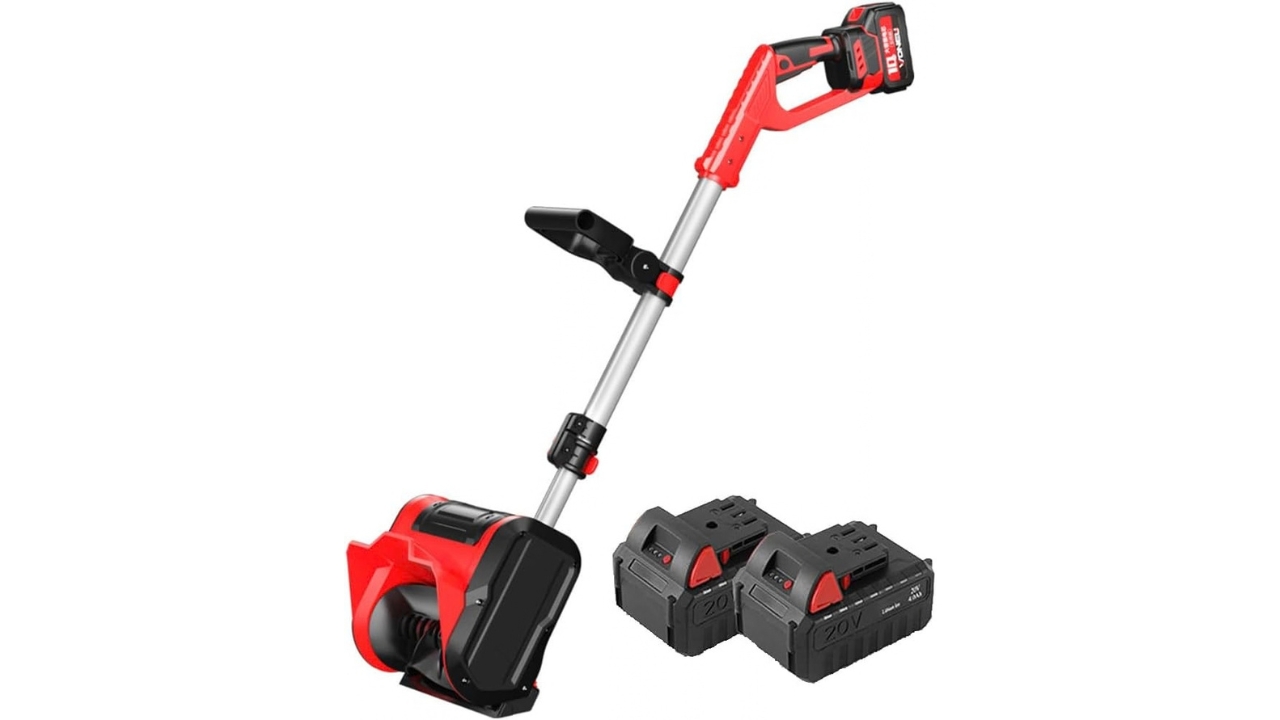
Gas is still the go-to for long runs, but there’s an exception. If your driveway is long but flat, and you don’t get constant 12 inch storms, a battery two-stage can be perfectly fine and a lot quieter. You skip carb problems, stale fuel, and the mid-winter “won’t start” routine.
The trick is buying into a battery system with enough capacity. If you’re already using the same brand for a mower, chainsaw, or trimmer, the math can work. If you’re starting from nothing, the extra batteries get expensive fast.
11. Electric Start That Works In Deep Cold
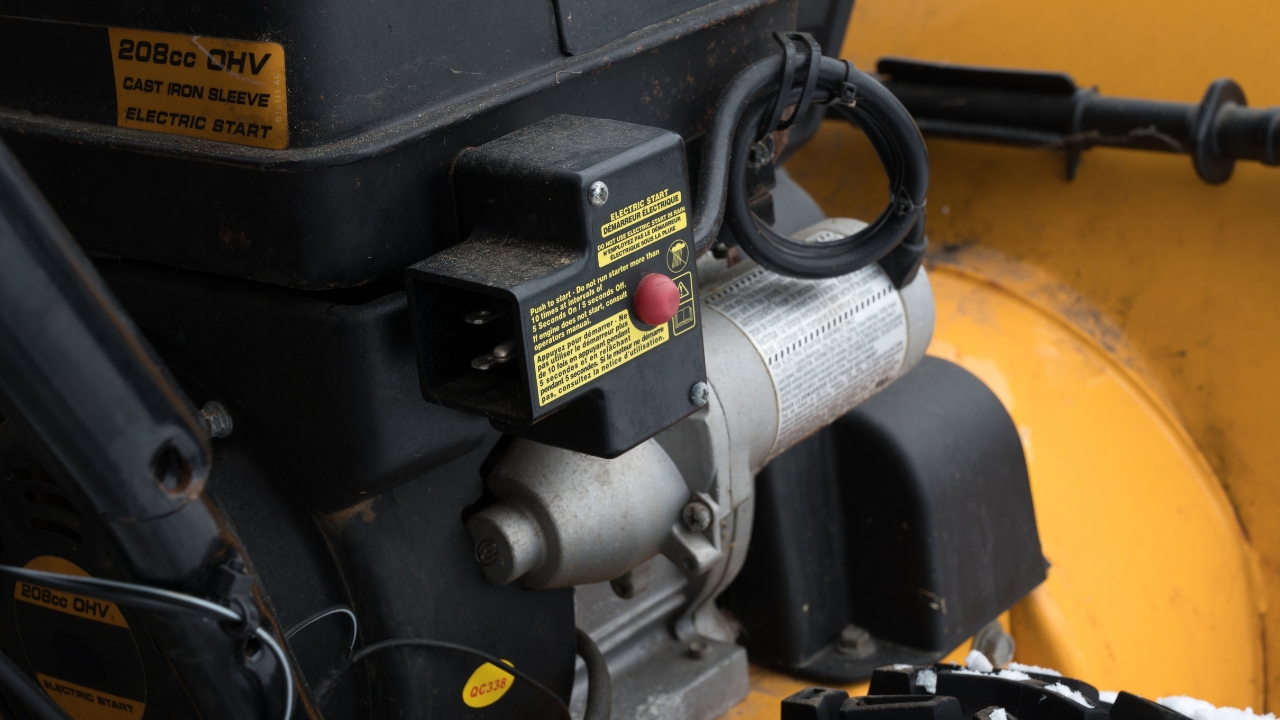
Pull starting a big engine when it’s below zero is a good way to throw your back out. Electric start is a nice feature, but only if you can actually use it where the machine lives. If your shed has no power, an electric start port doesn’t help.
Some people run a proper outdoor-rated extension cord from a GFCI outlet for starting, then unplug and blow. If your outdoor wiring is sketchy or you’re dealing with buried cable you don’t trust, have an electrician fix it instead of gambling in the snow.
12. Simple Carburetor Access For DIY Fixes
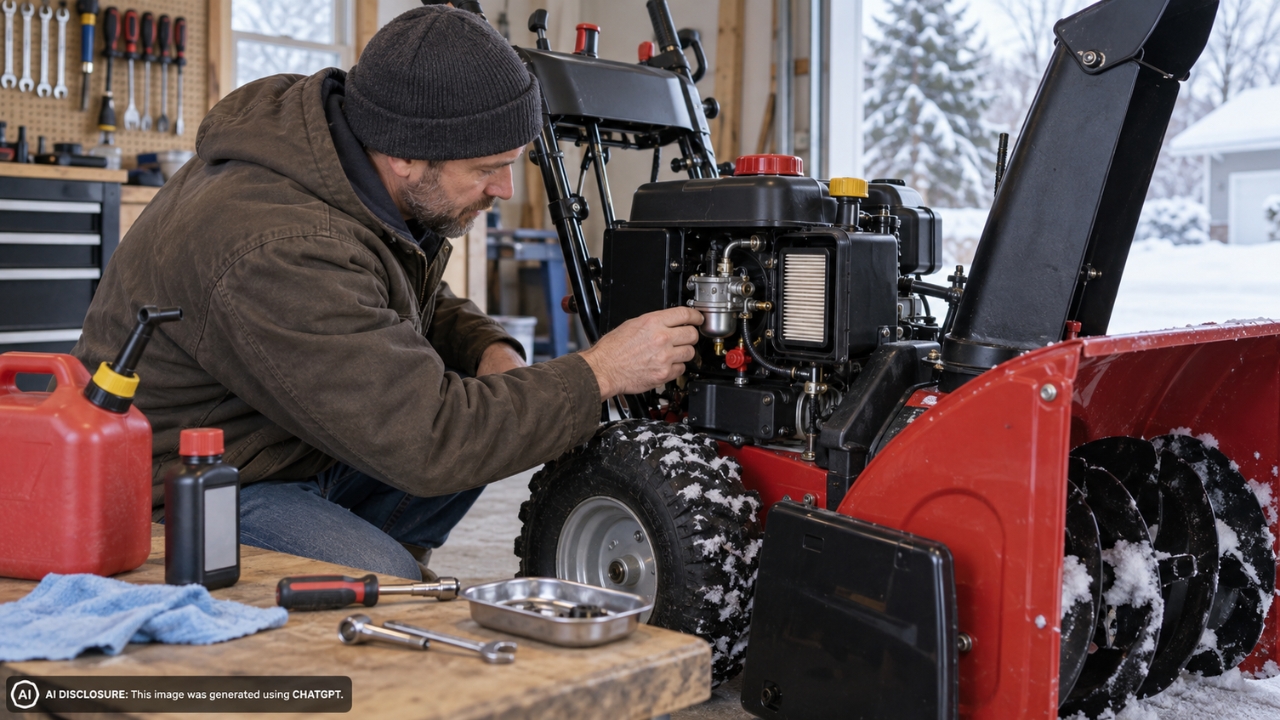
The snow blower that runs great in December and refuses in January often has a fuel issue, not a “bad engine.” Ethanol fuel, old gas, and tiny jets don’t get along. A machine with easy access to the carb bowl, drain, and air filter saves you a lot of shop trips.
Plan on using fresh fuel, a stabilizer if it sits, and shutting the fuel off to run the carb dry when the season ends. If you hate small engine work, pick a model with strong dealer support nearby, because you’ll be hauling it in at some point.
13. Shear Pins You Can Swap Fast
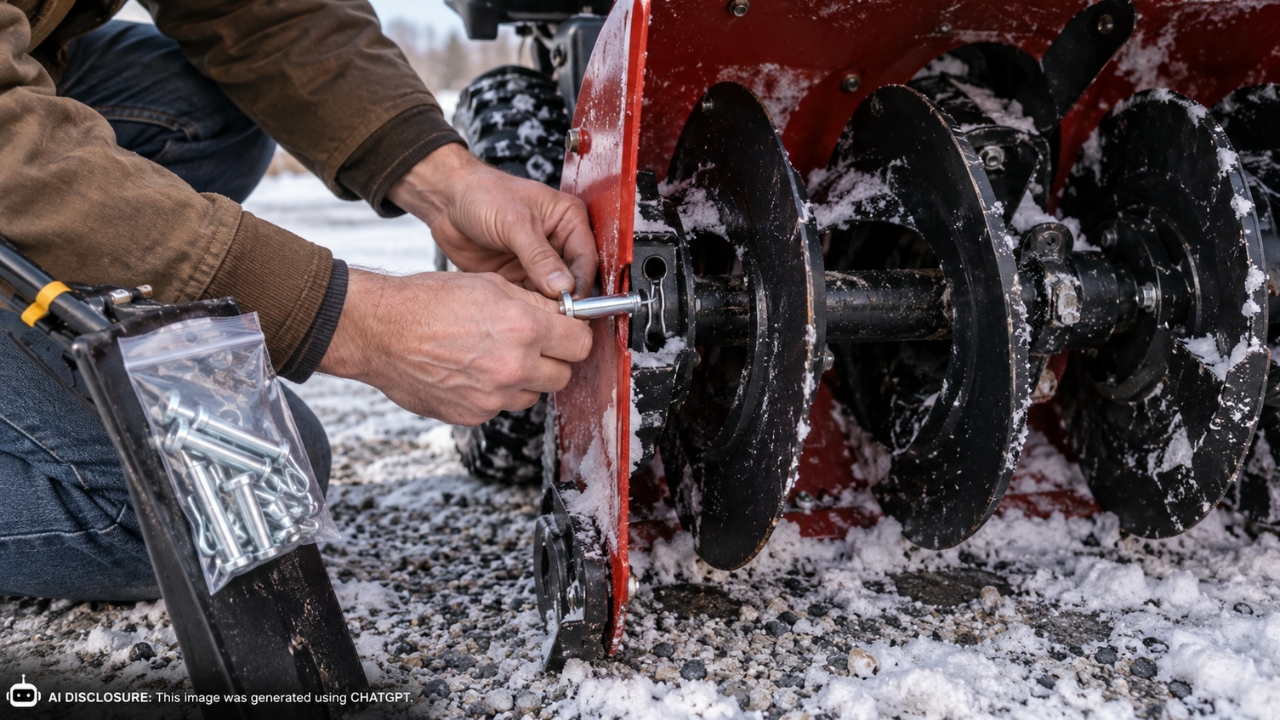
Gravel driveways eat shear pins. You’ll hit a hidden rock or a frozen chunk, the auger stops, and you’re dead in the water until you replace the pin. Some machines make this a five minute job. Others make it a knuckle-busting mess because the holes don’t line up and the hardware is buried.
Buy extra shear pins when you buy the blower and keep them in a taped plastic bag on the handle. Use the correct pins, not bolts from a coffee can. Shear pins are meant to fail so expensive parts don’t.
14. Serviceable Friction Disk And Drive Belt
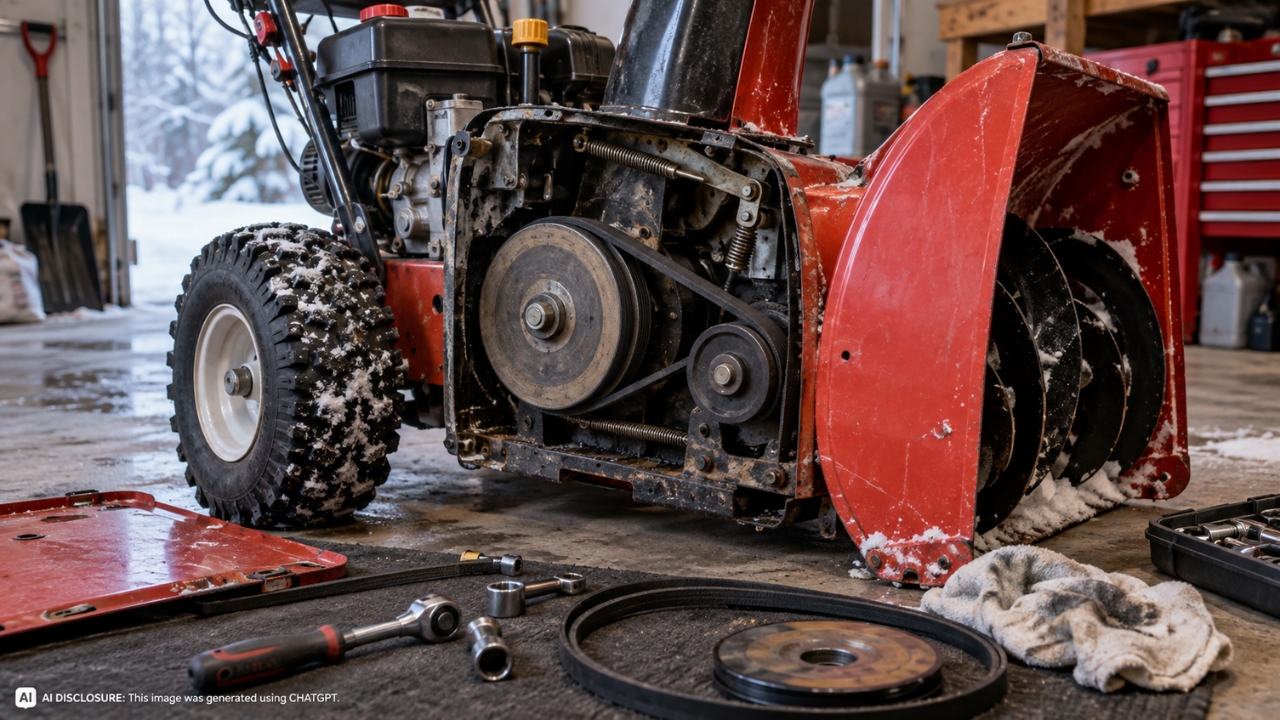
When a blower won’t move in forward or reverse, a worn friction disk is often the culprit, and long driveways wear them faster. The signs show up as slipping, surging speed, or a machine that moves only when you push down on the handles. Belts do the same thing, squealing under load or burning a rubber smell.
Look for a model with a straightforward way to access the drive system, and check that common wear parts are easy to get. If the dealer is two hours away and parts are special order, you’ll be stuck shoveling while you wait.
15. Used Commercial Unit From A Real Dealer
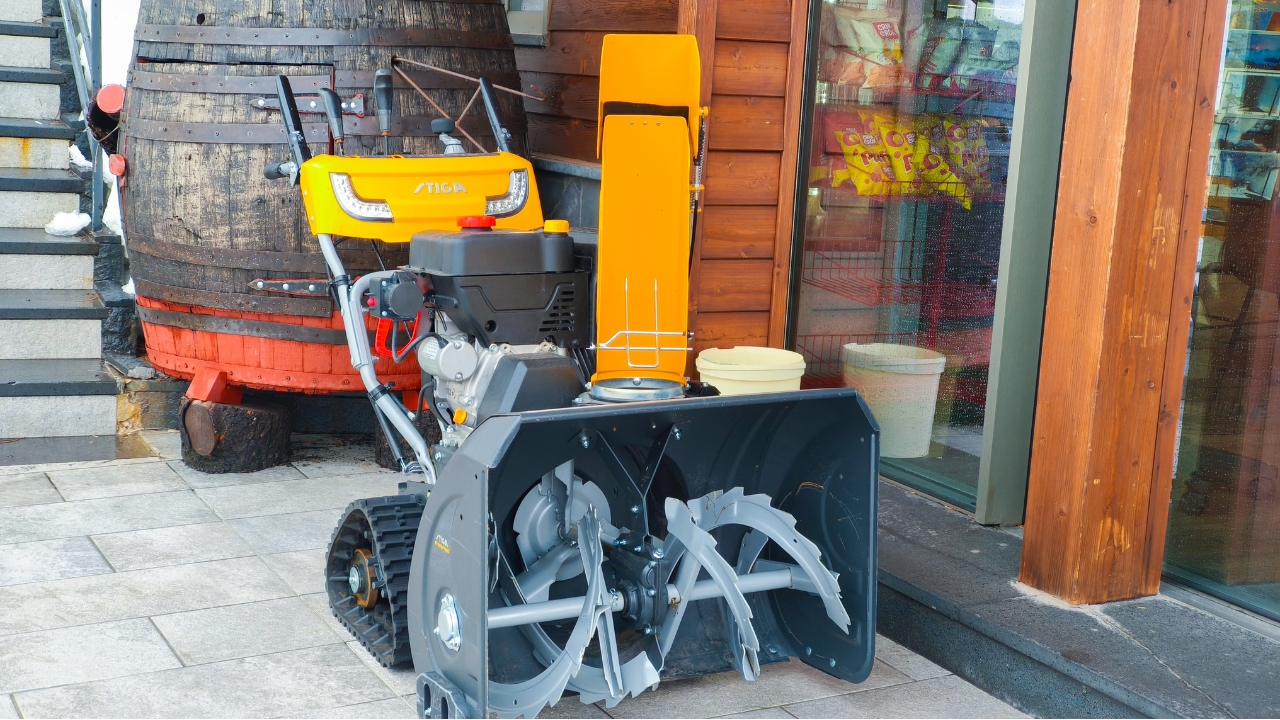
Brand-new big machines hurt the wallet, and a long driveway tempts you into buying more blower than you planned. A used commercial-grade unit from a reputable dealer can be a smart buy because it’s built for hours, not weekends, and it’s often already been maintained. You want one that starts cold, drives clean, and doesn’t rattle like a can of bolts.
Skip private sale units with “just needs a tune-up” in the description unless you like projects. Check the auger gearbox for leaks, look for bent housing edges from curb hits, and confirm the model still has parts support. A good used machine holds resale value better than a bargain box-store special.
If your gravel driveway is long, the best setup is the one you’ll actually use early, before the snow compacts and turns mean. Keep your skids high until a base forms, stock shear pins, and don’t be shy about paying a small engine shop for an end-of-season service if you’re done fighting with carbs. Winter is hard enough without making your driveway the hardest part.
Like Fix It Homestead’s content? Be sure to follow us.