10 Firewood Trees That Split Easiest by Hand
Photo credit: MANICO/istock.com
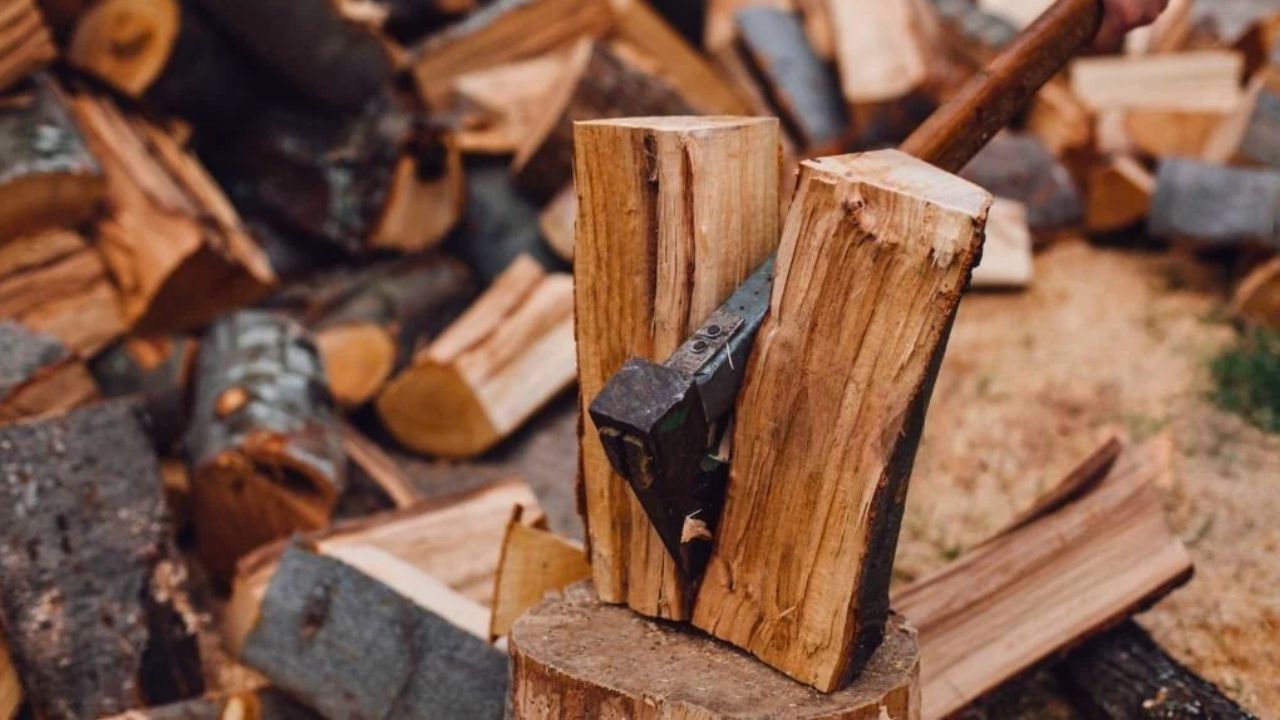
Hand splitting is a good kind of work until you’re fighting the wrong wood. Some rounds pop clean with a few solid hits, and some soak up your time, your swing, and your patience. If you want a stack you can build in an afternoon, start with species that have straight grain and don’t hang on with stringy fibers.
1. Straight-Grained White Ash
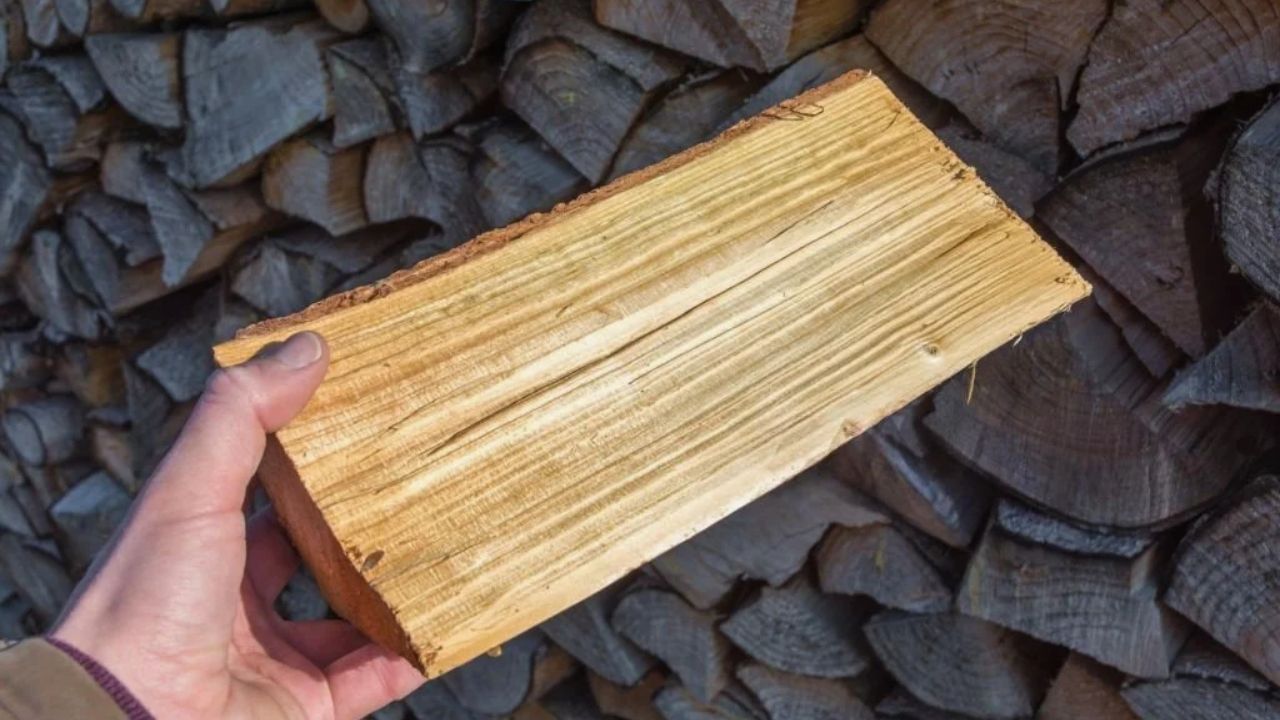
If you want wood that acts like it wants to be split, ash is hard to beat. The grain is usually straight, the bark isn’t a tangled mess, and a sharp maul tends to open the round with a clean crack instead of a dull thud. It’s the kind of firewood that makes you look stronger than you are.
Ash can be burned a bit greener than many hardwoods, but you’ll still get better heat and less smoke if you stack it in the wind for a season. Watch for twisted grain around old limb stubs, those pieces can make even ash feel stubborn. When you hit one of those, set it aside for the hydraulic splitter day or noodle it with a chainsaw if you’re set up for that.
2. Tulip Poplar That Pops Apart
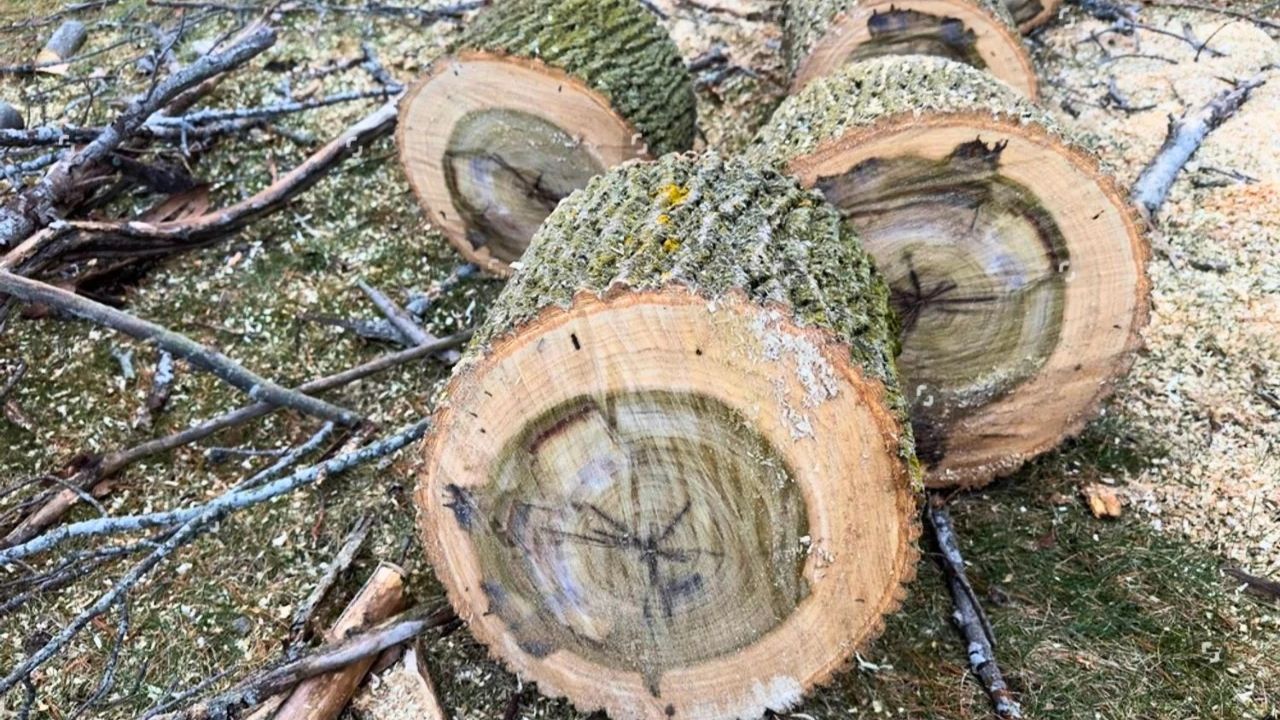
Tulip poplar is a gift when you’re splitting by hand. The rounds tend to open fast, the fibers don’t cling much, and you can process a big pile without wrecking your shoulders. It’s also common around yards and fencelines, so it shows up after storms and routine tree work.
The tradeoff is heat. Poplar burns quick and light, so it’s better for shoulder-season fires, kindling, or mixing into a load with denser hardwood. If you heat full time, poplar still earns space in the shed because it’s so easy to turn into neat, stackable splits.
3. Eastern White Pine For Fast Stacks
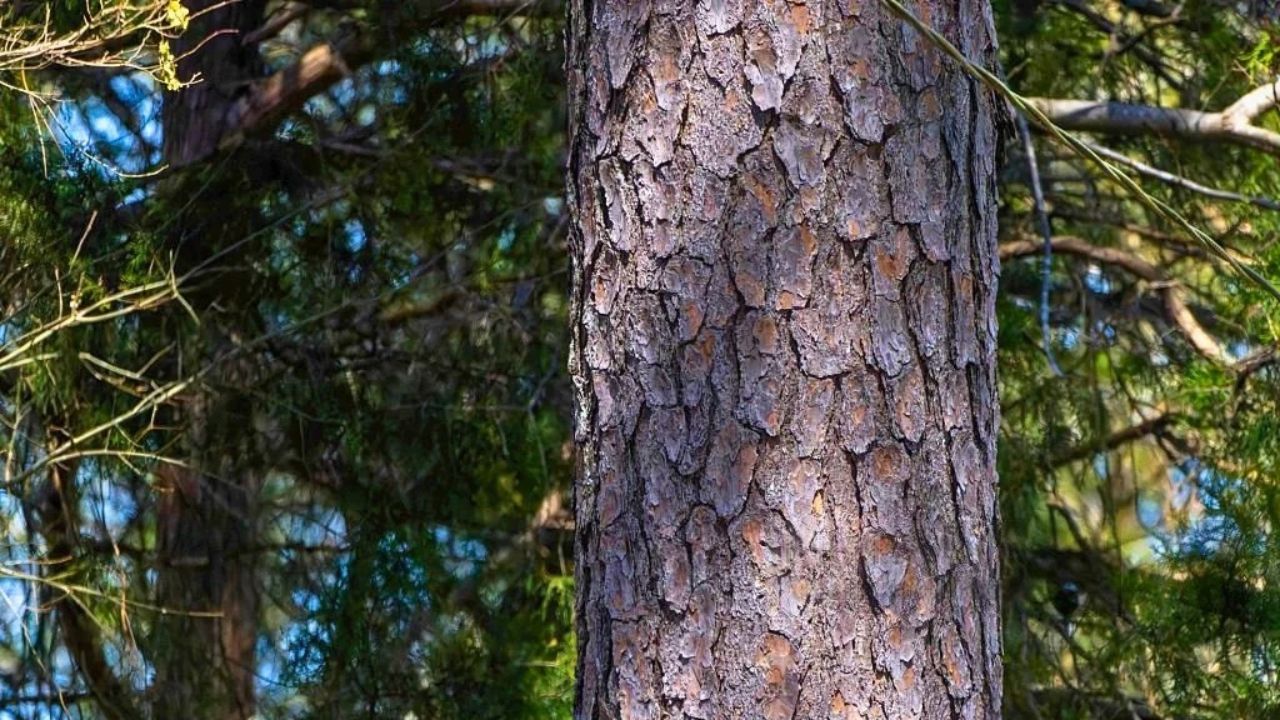
Pine splits easy enough that a wedge and a few hits can do the job even when your maul is tired. Straight pine rounds often open along clean lines, and you’ll spend more time stacking than swinging. If you’re clearing a windbreak or thinning a stand, this wood keeps the work moving.
People love to argue about pine in stoves. The real issue is wet wood, not the species. Burn pine only when it’s properly seasoned and you’re running your stove hot enough to avoid lazy, smoky fires, and keep up with chimney cleaning.
4. Black Cherry With Clean, Crisp Grain
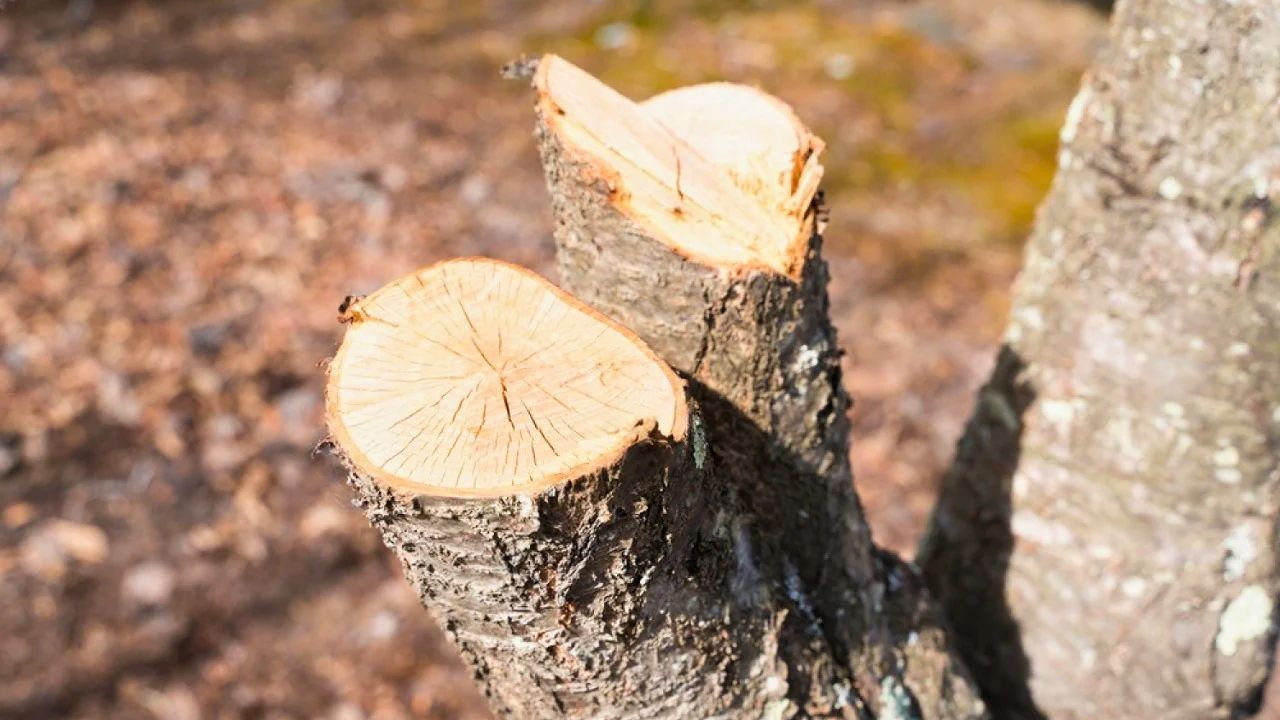
Cherry usually splits with a satisfying snap, especially when the rounds are straight and not full of knots. It’s dense enough to feel like “real” firewood, but it doesn’t fight you the way some other hardwoods do. If you’re hand-splitting for a fireplace, cherry also stacks nice and looks good in the rack.
It can check and crack as it dries, which actually helps your maul. The main hang-up is crotch wood, it can be ropy and hard to read. Save those gnarly chunks for the end of the session when you’re warmed up, or don’t bother and toss them in the outdoor fire pit pile.
5. Sugar Maple When It’s Straight
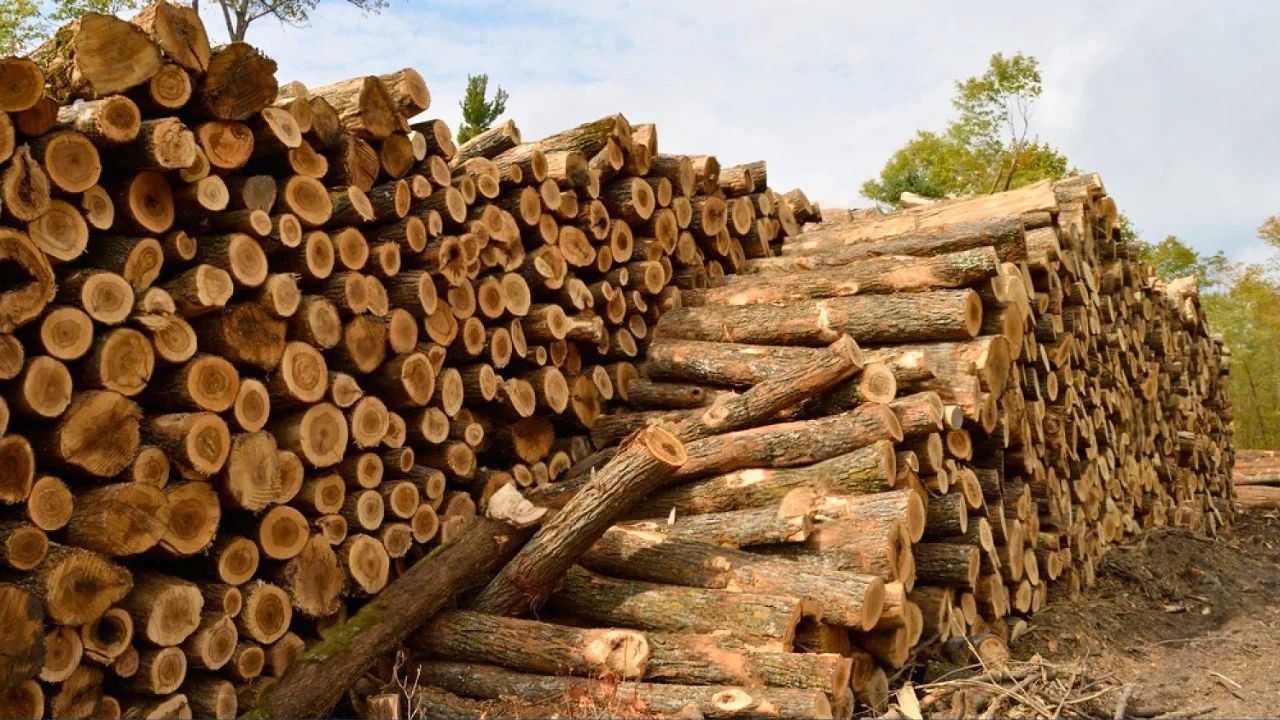
Maple gets a mixed reputation because it depends on the tree. Straight sugar maple rounds split clean and give you heavy, long-burning firewood without a wrestling match. When it’s good, it’s really good.
The exception is curly grain, big knots, and crotches, those pieces can turn into a stringy mess that traps your maul. Don’t keep swinging harder. Switch to a steel wedge, or split around the knot and trim it down later. If your area has a lot of yard maples with twist, look for cleaner sections of the trunk and leave the ugly parts for a splitter.
6. Paper Birch That Peels And Splits
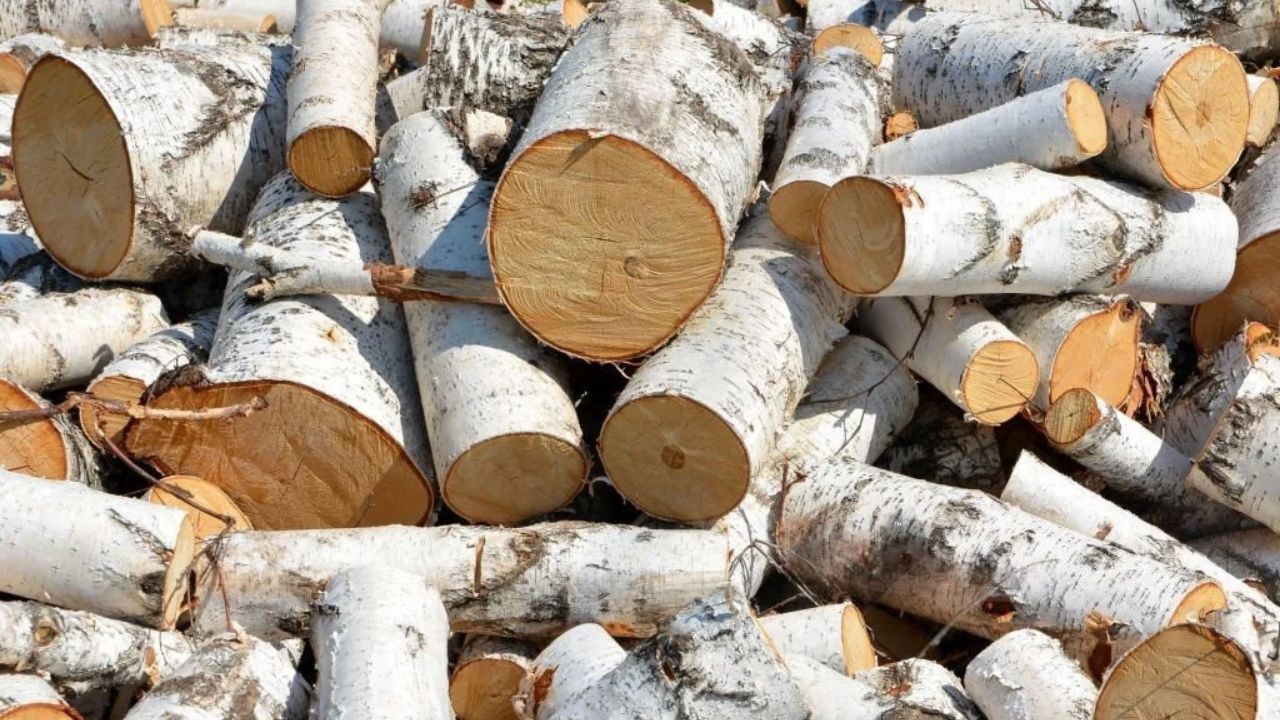
Birch usually opens up with a few solid strikes, and the bark even gives you built-in fire starter if you keep it dry. It’s a nice middle ground, not too heavy, not too light, and it doesn’t waste your time. If you’re cutting dead standing birch, it can feel like it splits itself.
Birch is the one where timing matters. It loves to rot if it sits in rounds on wet ground, especially through a warm, rainy stretch. Buck it, split it, and get it up off the soil on pallets or rails, with the top covered and the sides open to wind.
7. Basswood For Easy Shoulder-Season Heat
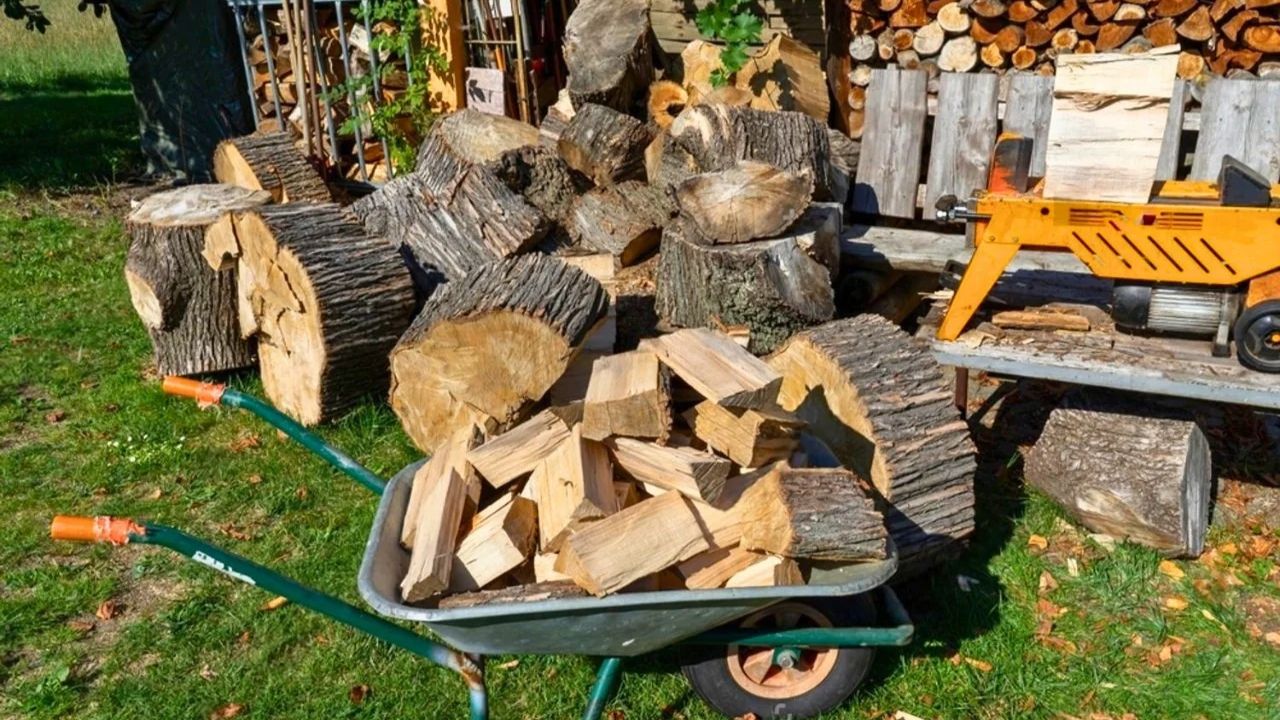
Basswood is one a lot of people forget because it’s not a “premium” firewood. It splits ridiculously easy, even big rounds, and the wood is light enough that moving it is a one-person job. If you’ve got a basswood down, you can turn it into a tidy stack fast.
It burns quick, so it’s not the wood for overnight heat. Use it for spring and fall, for quick warm-ups, or for kindling splits that catch with one match.
8. Silver Maple From Yard Trees
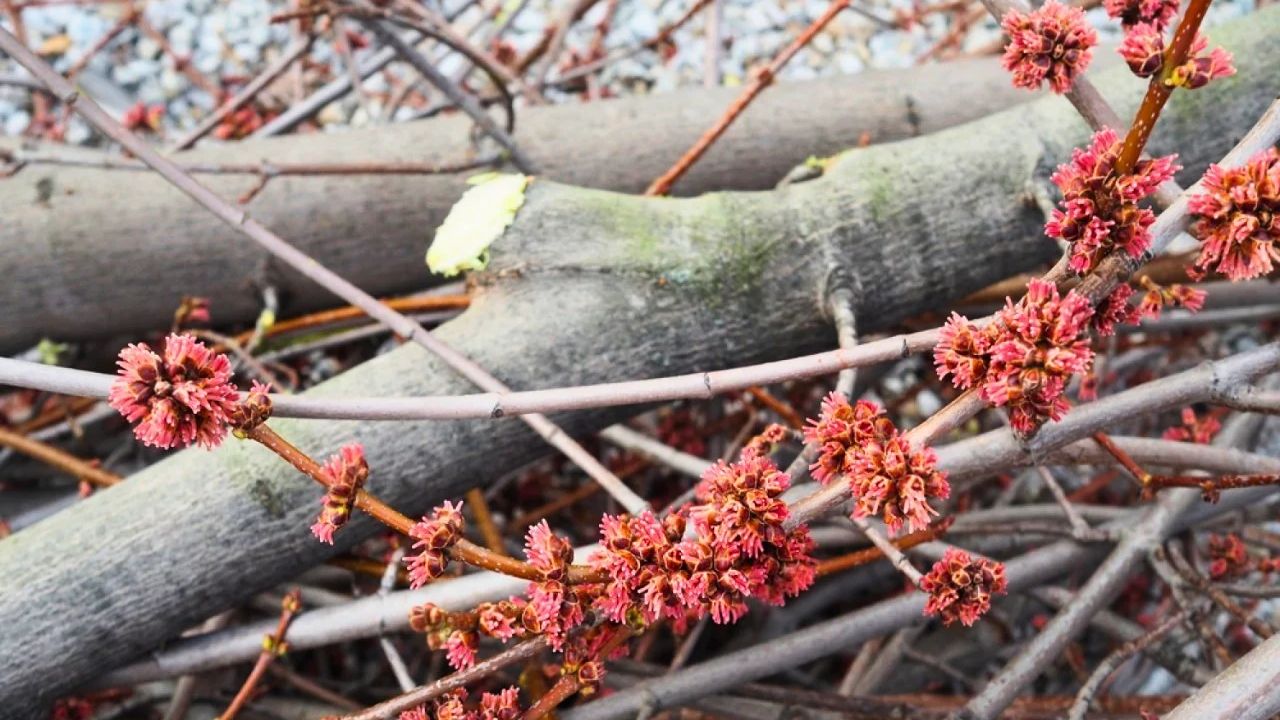
After an ice storm, silver maple shows up in piles, and it’s usually friendly to a maul. Yard-grown trees can be messy, but silver maple often has long, straight sections that open without much drama. If you’re processing storm debris, this is a species that rewards you for showing up with a sharp edge.
The downside is moisture. Silver maple can hold water, and it gets punky if you let it sit in rounds too long. Split it sooner than later, stack it where wind can get through, and plan to burn it before the denser hardwood you’re saving for deep winter.
9. Hackberry With A Predictable Break
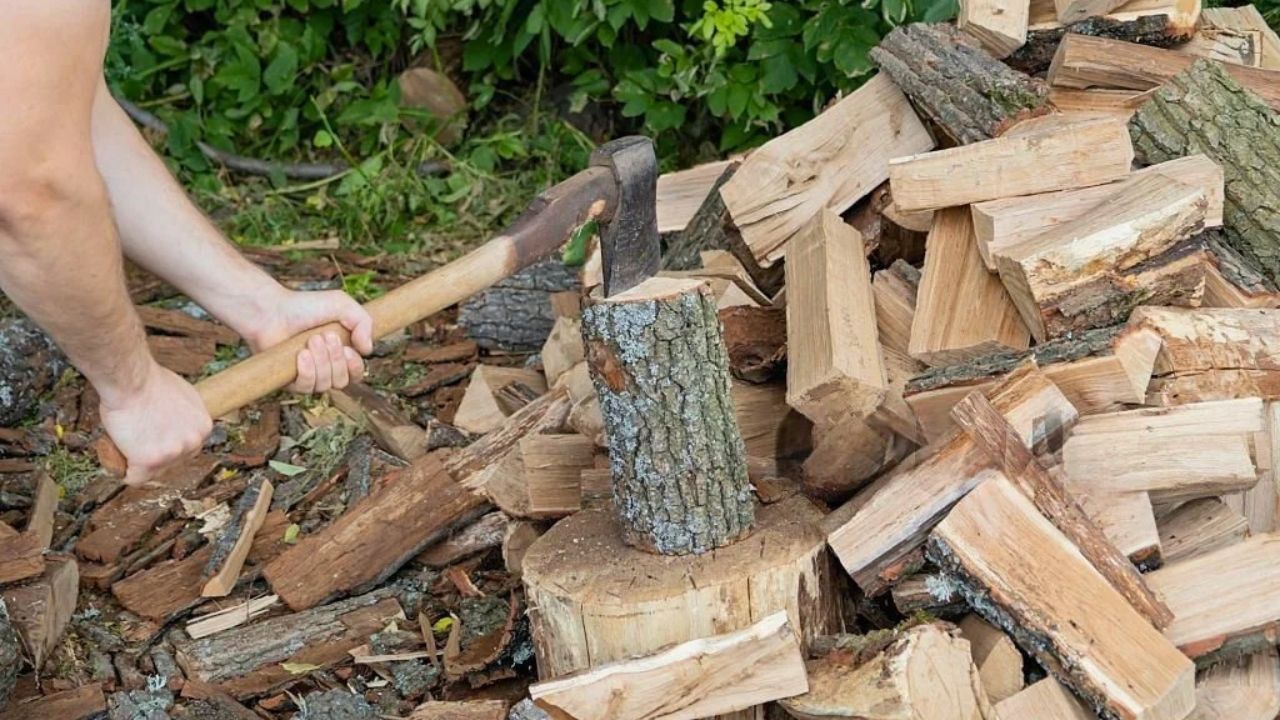
Hackberry is common in a lot of regions and it doesn’t get much love, but it often splits better than people expect. The grain tends to run fairly straight, and rounds crack open with less stringing than elm. If you’re clearing fencelines or cleaning up volunteer trees, hackberry is worth keeping.
It’s not a glamorous wood and it can have knots, especially in open-grown trees. Take the straight trunk sections for hand splitting and don’t waste time trying to “win” against twisted crotches. Those can go to a splitter or the burn pile depending on your setup.
10. American Beech When It’s Fresh Cut
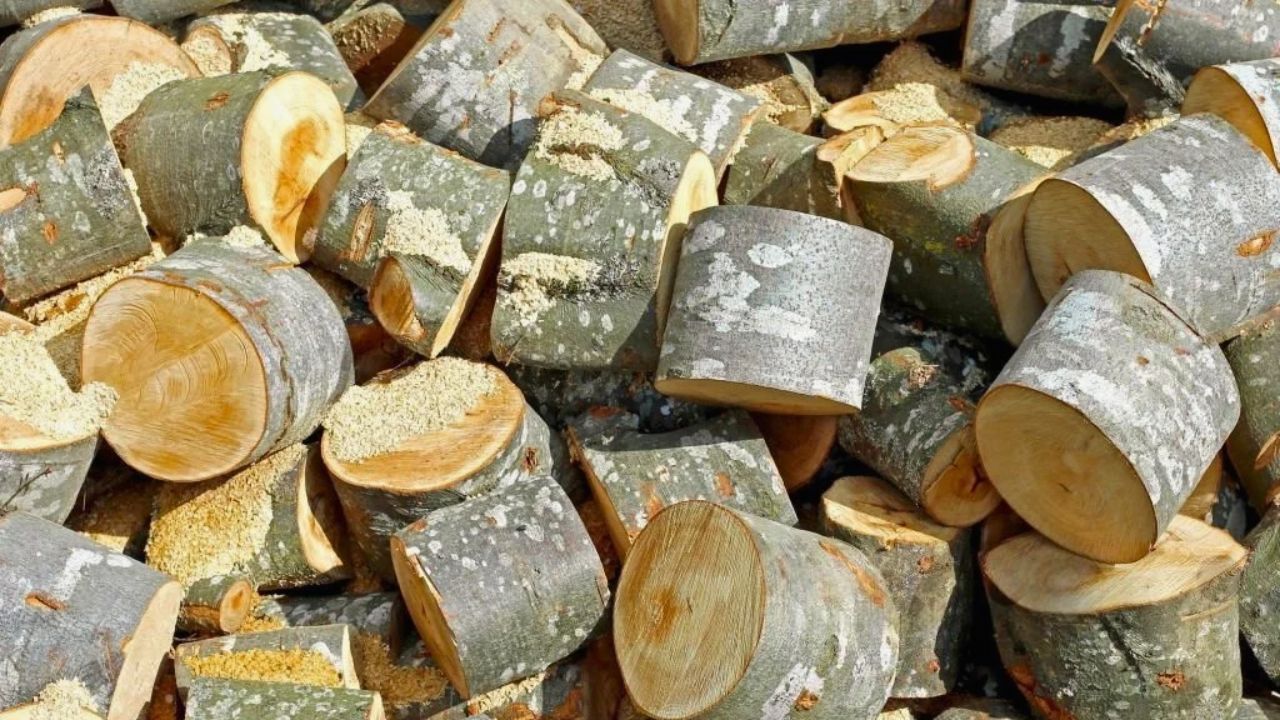
Beech can split cleanly when it’s fresh and straight, and it makes excellent, dense firewood. Hit it right and it opens along smooth faces that stack tight. If you want fewer pieces to haul for the same heat, beech is a good pick.
There’s a catch. Beech can get tough and stringy once it starts to dry in the round, and it can also get stubborn in big diameters. If you’ve got beech, buck and split it promptly, and keep a wedge handy for the big stuff. Don’t be shy about saving the worst pieces for a rented splitter for a day, it’s often cheaper than a sore back for a week.
Even with easy-splitting species, the best upgrade is a sharp tool and good setup. Keep your maul edge touched up, split on a stable block, and work when the wood isn’t frozen solid or soaked from last night’s rain. A little planning turns “I’ll do it later” rounds into a stack you can burn with pride.
Like Fix It Homestead’s content? Be sure to follow us.