10 Dog Breeds That Do Best With a Lot of Land
Photo credit: Susan Halewood/ istock.com
Living on acreage changes what “good dog” means. You’ve got fences to check, chores to finish, and space that can swallow a bored animal whole. Some breeds handle wide-open land like it’s their natural job, and some turn it into a mess of chasing, digging, and disappearing over the ridge.
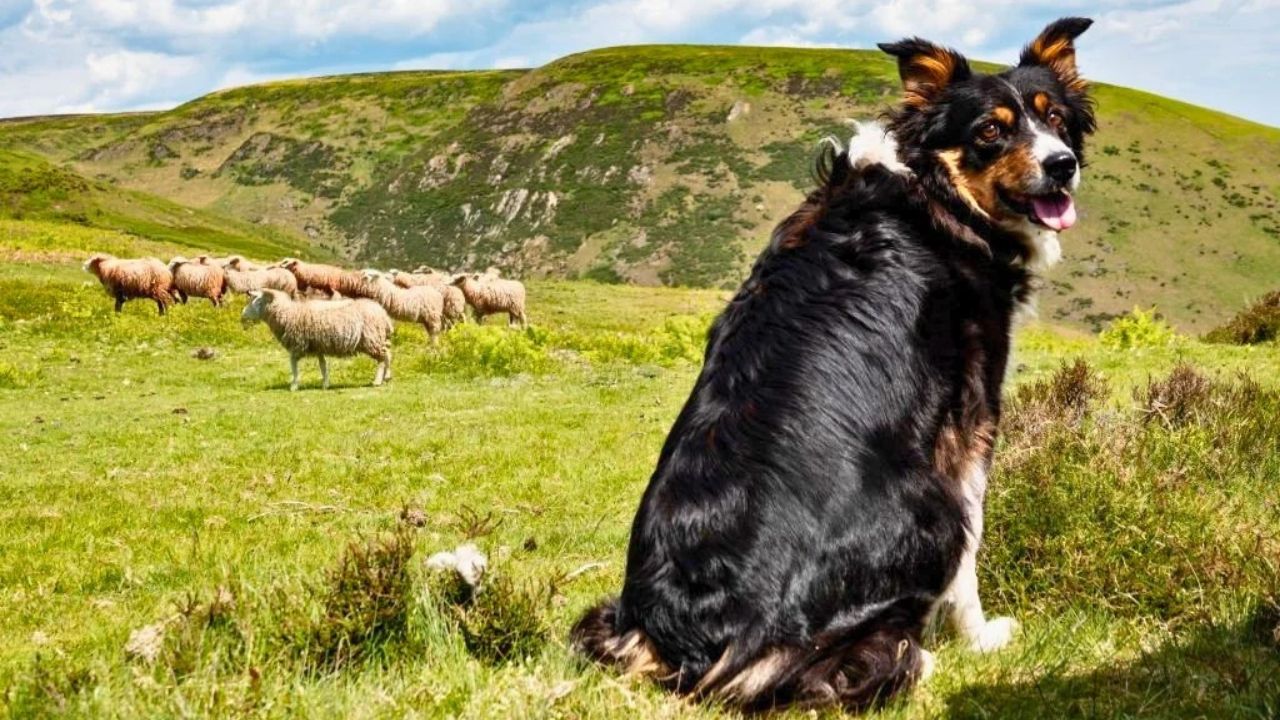
1. Border Collie With Real Work
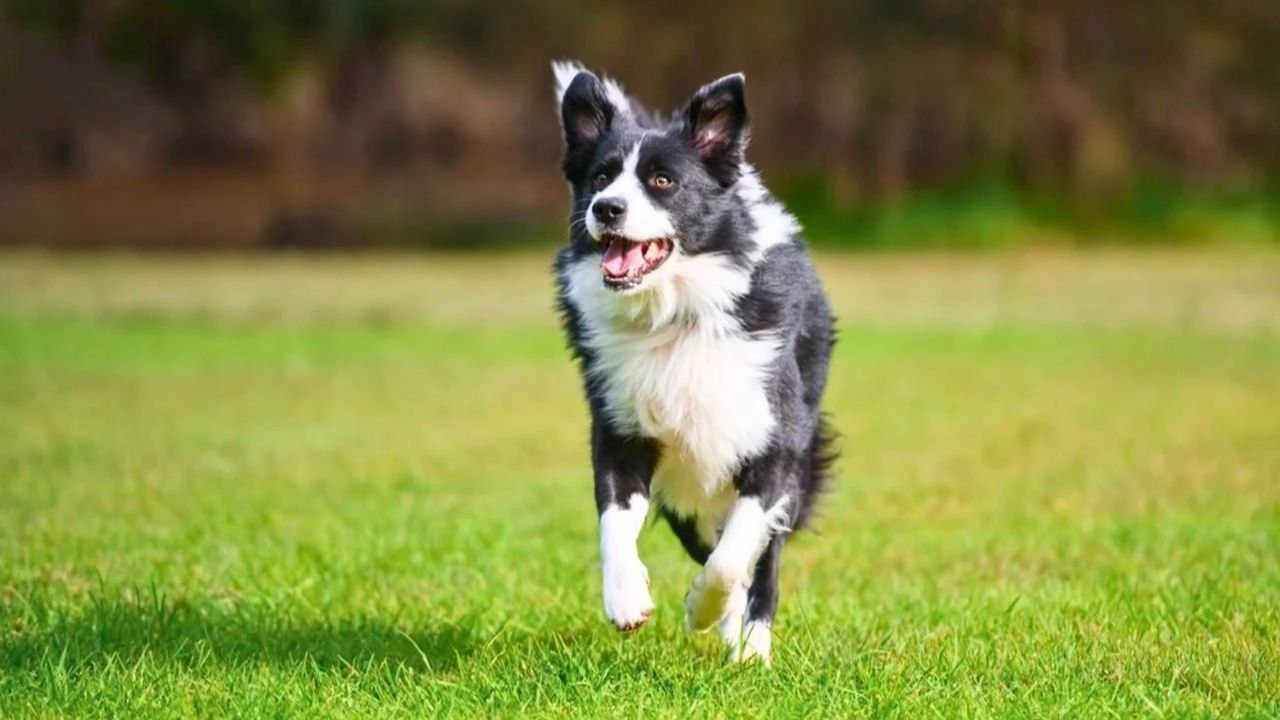
If you’ve got livestock, this breed can be worth its weight in fence staples. Border Collies are wired to watch, gather, and move animals all day, and a big place gives that intensity somewhere to go besides your ankles and furniture. Without a job, they invent one, like herding kids, bicycles, or the mower.
Land alone won’t “exercise” this dog. You’ll still need daily training reps, a solid recall, and chores it can help with, like moving sheep between paddocks or boundary walks. On a homestead, that brain is the whole point, but only if you give it direction.
2. Australian Shepherd That Ranges With You
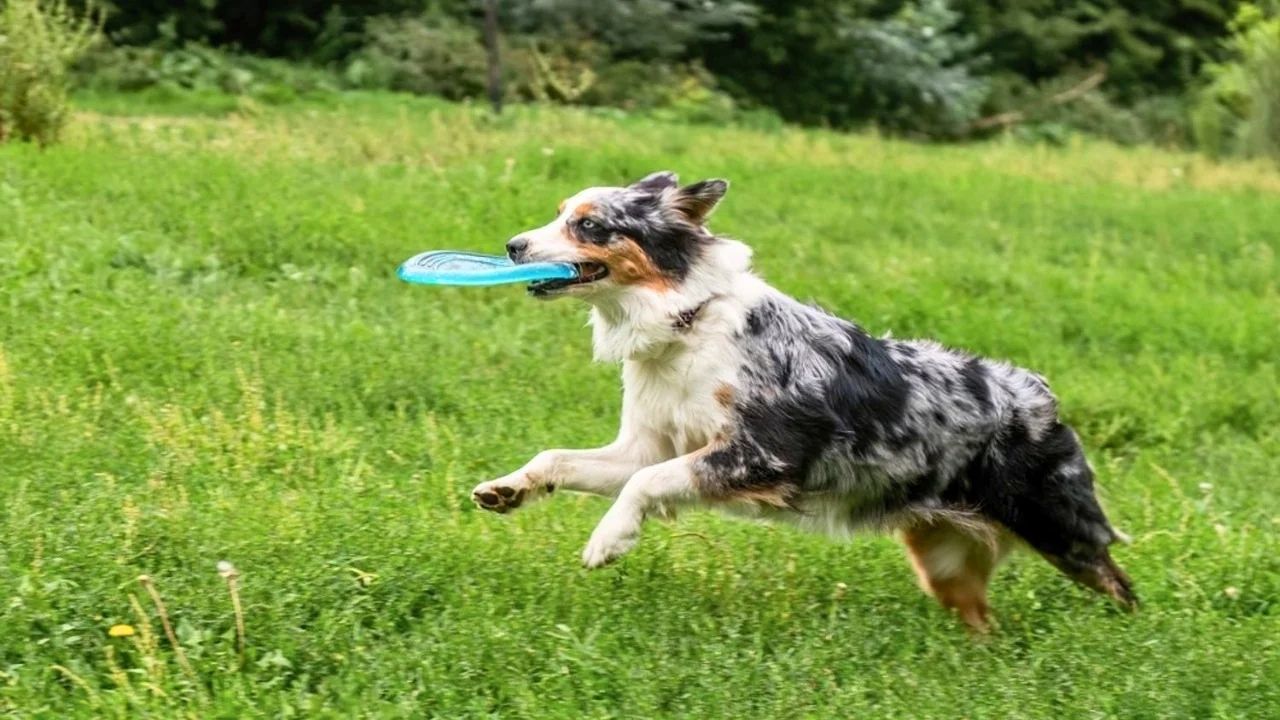
Plenty of people get an Aussie for the look, then wonder why it can’t settle. On acreage, they shine as an all-day shadow that can trot fence lines, ride along on the ATV, and keep an eye on what’s moving near the barn. They’re athletic and opinionated, which is handy when you want a dog that notices things.
The failure point is boundaries. If your fencing is full of gaps, or you’ve got open gates during chores, an Aussie will take the invitation and go check the whole neighborhood. Start recall work early, add a long line for training around distractions, and don’t rely on invisible boundaries when deer are running.
3. Great Pyrenees For Night Watch
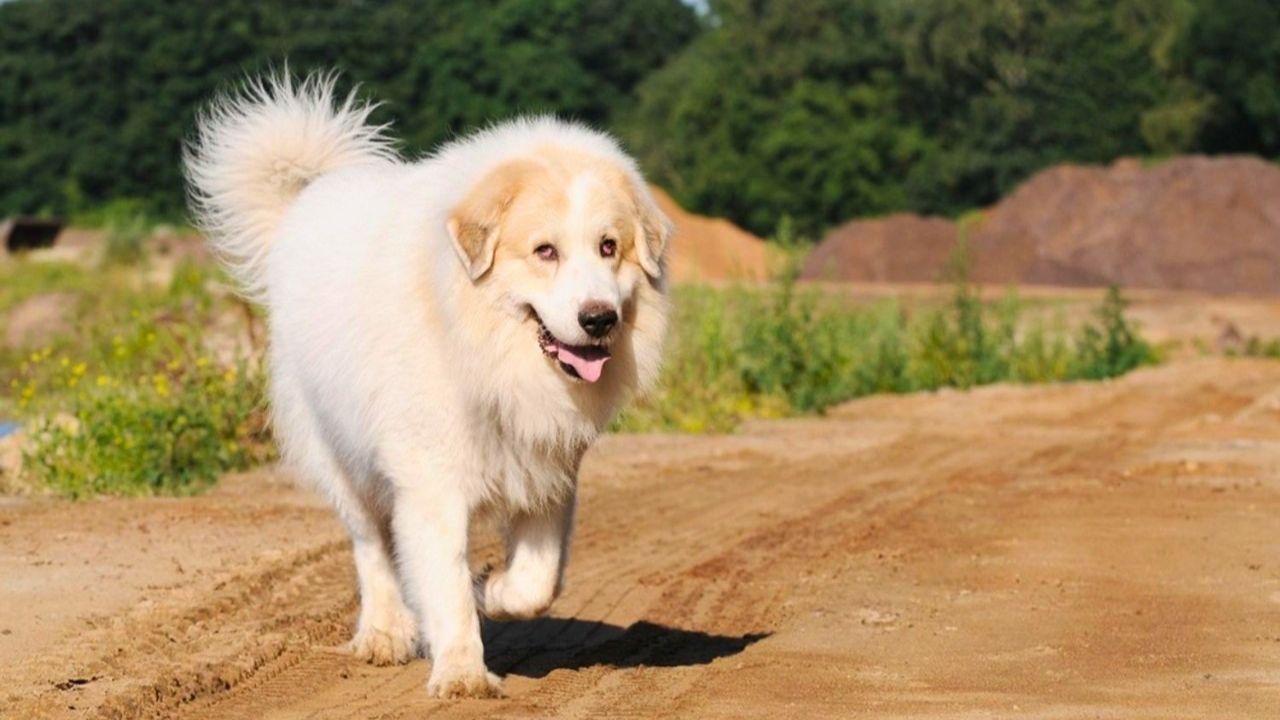
Predator pressure is where this breed earns its keep. Great Pyrenees are livestock guardian dogs, built to live outside, patrol, and make a lot of noise when something tests the perimeter. On land, they can settle into a calm routine, then flip into guard mode when it counts.
The tradeoff is independence. They don’t look to you for permission the way a retriever does, and they can roam if they don’t respect the fence. If you need a dog that stays close off-leash in unfenced areas, pick something else, but if you need a steady guardian for goats or chickens, this is a serious option.
4. Anatolian Shepherd For Tough Country
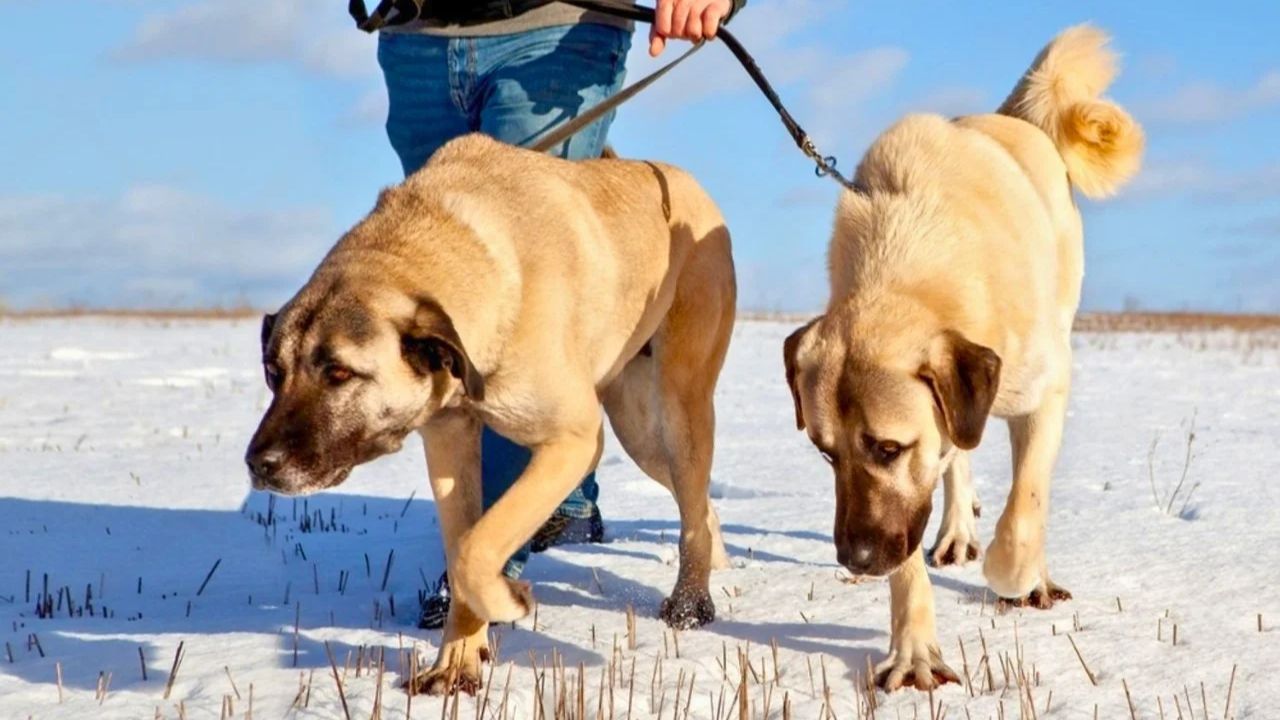
When the weather turns ugly and the coyotes get bold, Anatolian Shepherds don’t melt down. They’re another guardian type, big, fast, and tough enough to work rough ground without babying. They do best when they can patrol a real territory, not just a backyard.
You don’t “train” this breed into a people-pleaser, you manage it with strong routines and a secure setup. Expect to invest in fencing that isn’t flimsy, good gates, and a plan for visitors, delivery drivers, and the vet. If your property has frequent public access or close neighbors, the constant guarding posture can become a headache.
5. Maremma Sheepdog For Calm Livestock Guarding
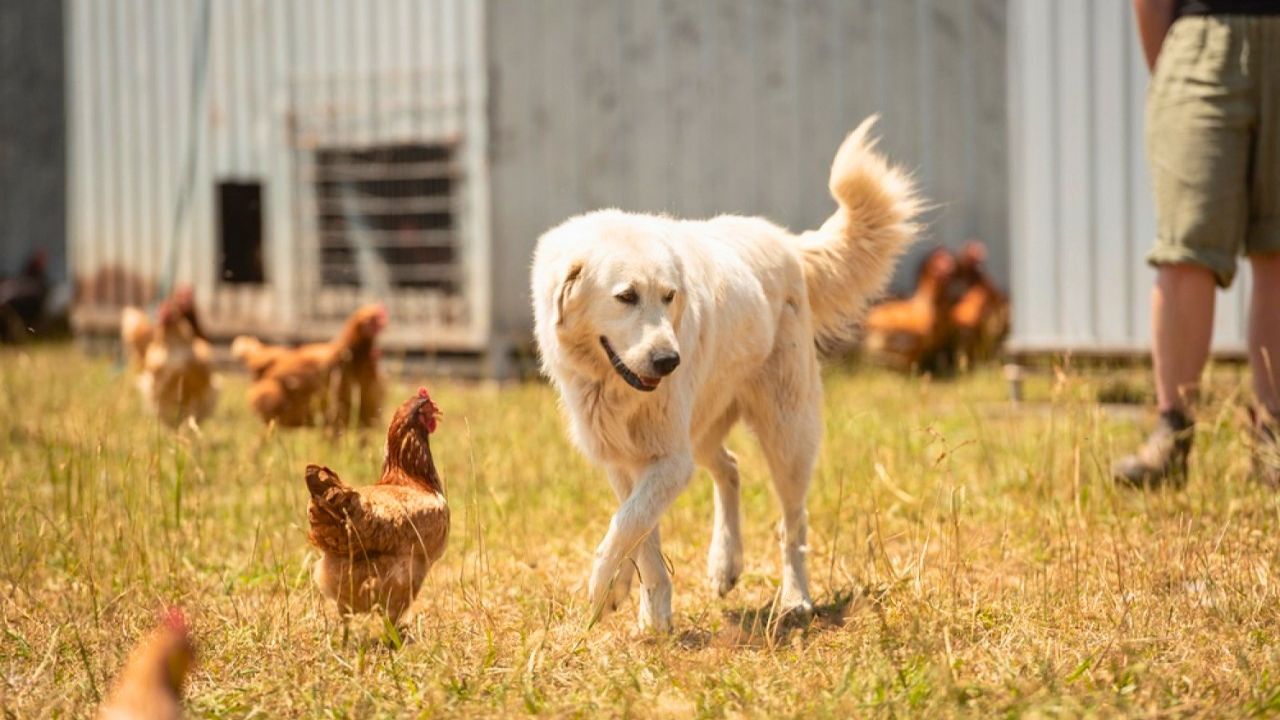
Some guardians are intense and edgy. A Maremma often brings a steadier vibe, especially when raised with the animals it’s meant to protect. With room to move and a flock to bond with, they tend to pace, watch, and post up near the action rather than sprinting around for thrills.
This isn’t the breed for a busy dog park life, and it’s not a “family pet first, farm dog second” situation. You’ll get the best results by starting them young with your stock, supervising early interactions, and keeping feed areas managed so the dog doesn’t start resource guarding. If you want quiet nights, plan ahead, because even calm guardians bark when something feels off.
6. German Shorthaired Pointer That Hunts All Day
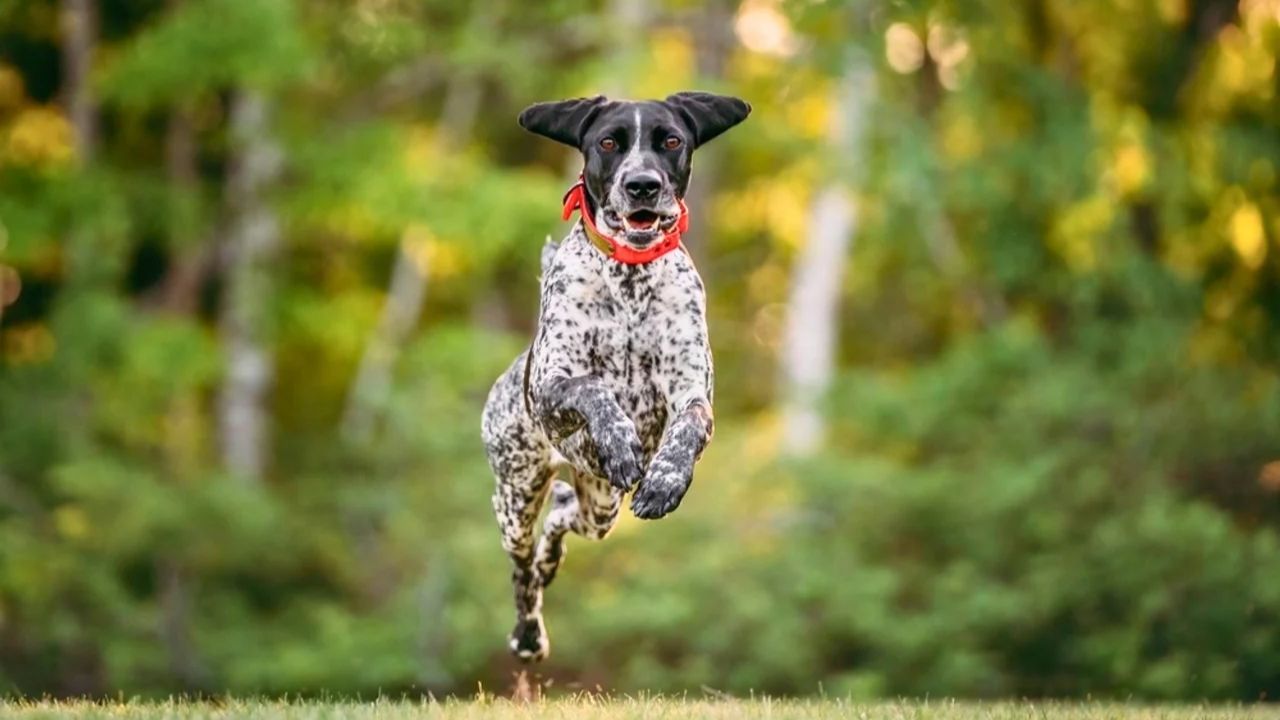
If you walk out the back door and you’ve got fields, brush, and room to run, a GSP finally makes sense. These dogs were built to cover ground, then cover more ground, and they can turn a long day of chores into a long day of “work” alongside you. In a small yard, that energy becomes frantic and destructive fast.
Big land doesn’t replace training. You need a strong recall before you trust one off-leash, and you’ll want a plan for porcupines, skunks, and neighbor’s chickens. If you can’t commit to daily run time and consistent obedience, you’ll spend your evenings driving around calling its name.
7. Labrador Retriever For Wet Work
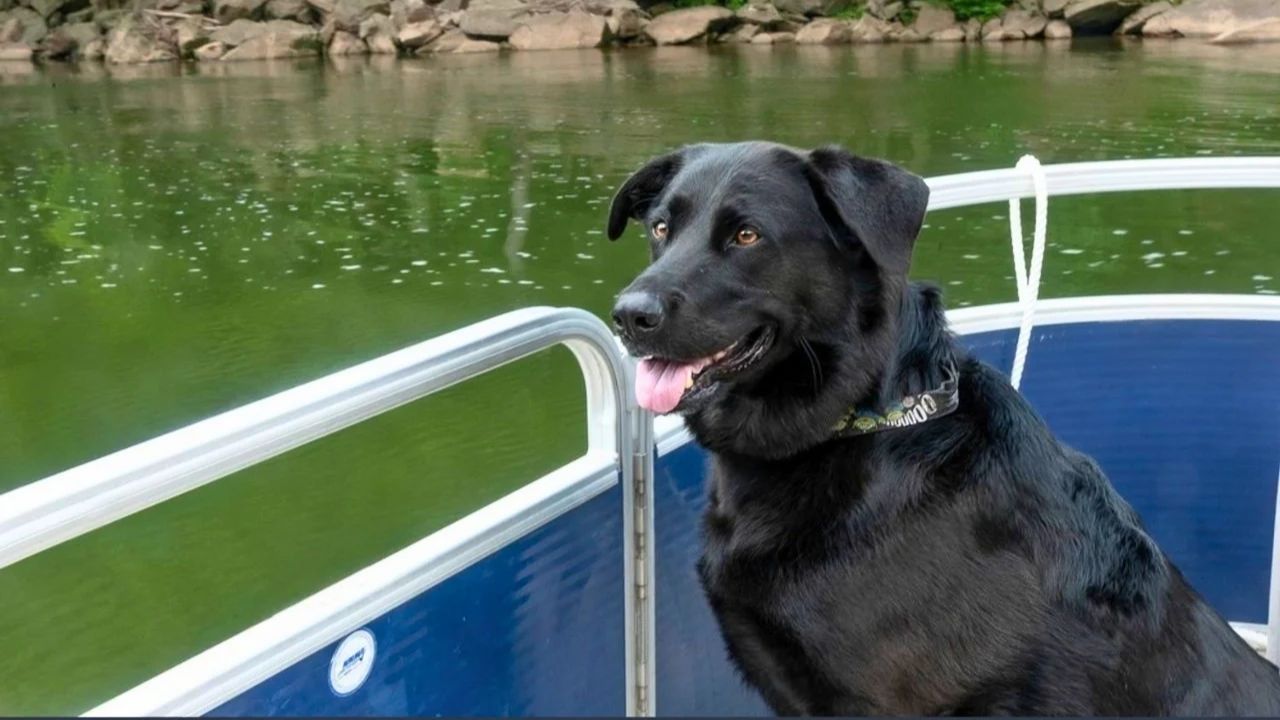
Not every “land dog” has to be a herder or guardian. If your place has a pond, creek, irrigation ditch, or muddy seasons that last forever, a Labrador can thrive where fussy dogs sulk. They’re also more visitor-friendly than many working breeds, which matters if your property sees friends, kids, and helpers.
The common advice is that Labs “need” huge acreage, but the honest exception is this: a Lab can do fine on a modest lot if you work it hard. On the other hand, on big land they still get fat if you free-feed and assume they’re burning it off. Measure food, watch joints, and make retrieves part of your daily loop.
8. Standard Poodle With Space To Run
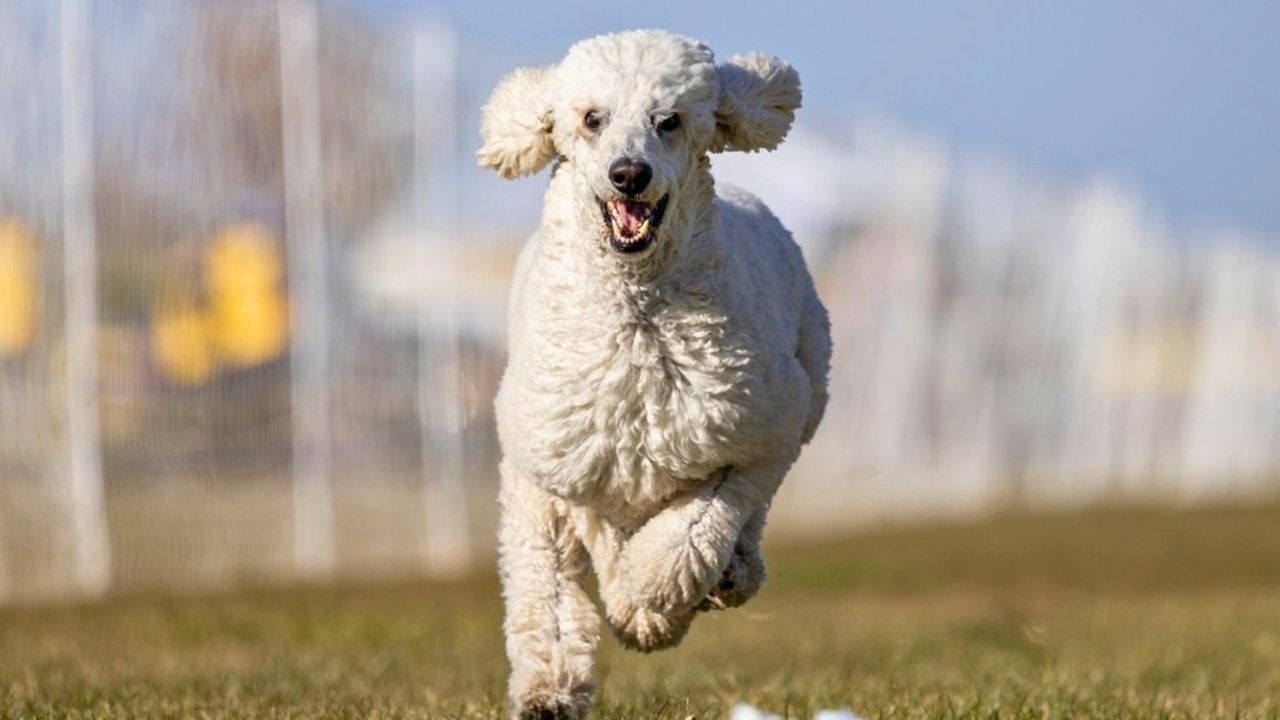
People forget Standard Poodles were working dogs. Give one land and it turns into a capable, athletic partner that can hike fence lines and still come in the house clean enough to live with. They’re sharp, easy to train, and often less stubborn about recall than the “independent explorer” types.
The catch is grooming and burr season. If you’ve got sticker weeds, foxtails, and cockleburs, you’ll need a coat plan, shorter clips, regular brushing, and quick checks after runs. If you won’t do that work, pick a short-haired breed and save yourself the mats and vet visits for embedded awns.
9. Bloodhound That Needs Room And Rules
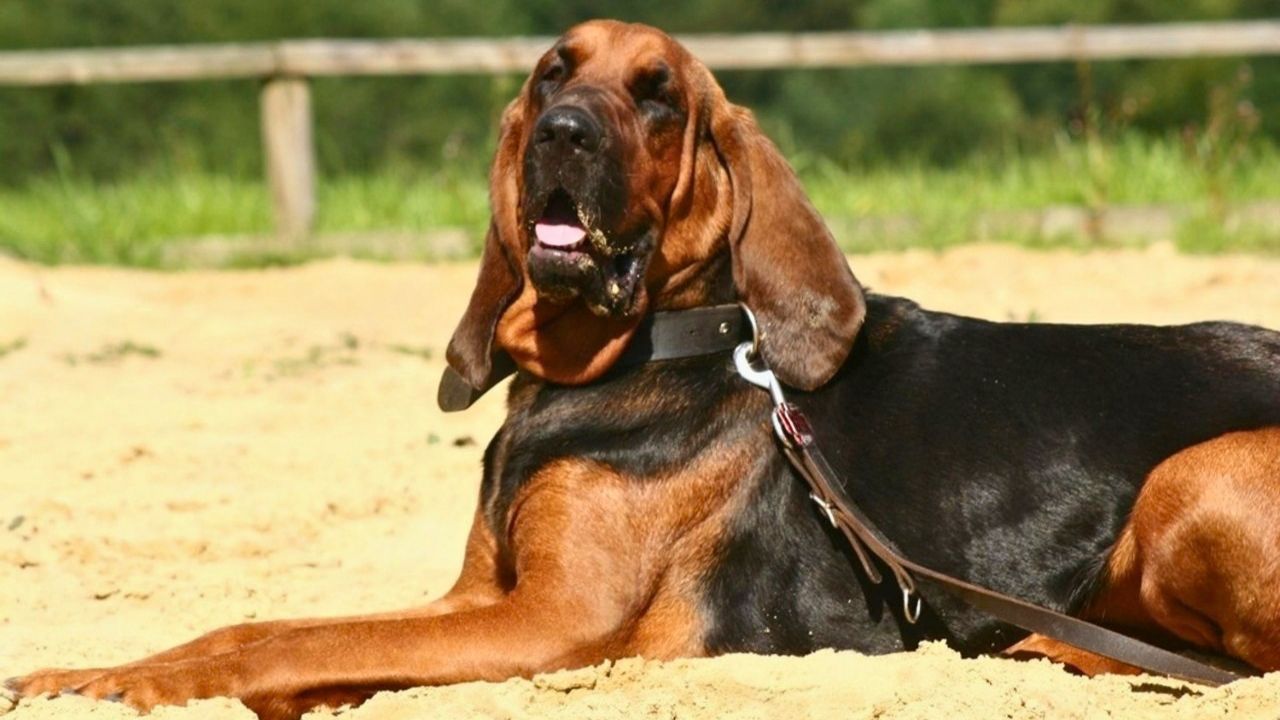
Want a dog that can follow a scent across half your county? A Bloodhound can do that, which is exactly why it’s better on large land than in tight suburbs. When their nose switches on, the rest of the world goes quiet, and that drive needs space to be managed safely.
Land without secure fencing is a problem here. You’ll want tall, well-latched gates and a habit of checking for dig-outs along fence lines, especially after rain softens the soil. This is also a breed where a long line is your friend, because “come” is optional when the scent trail is fresh.
10. Airedale Terrier For Barnyard Patrol
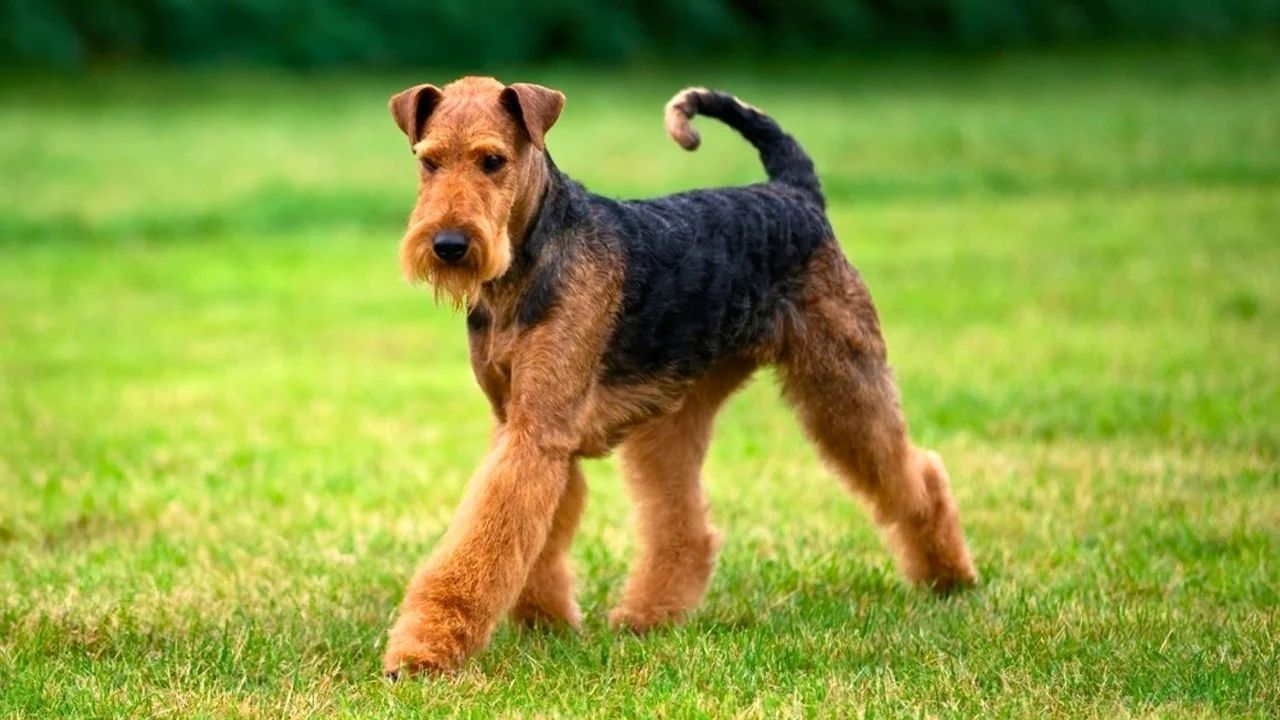
If you want a dog that’s hardy, alert, and not delicate about weather, an Airedale fits the bill. They can range around outbuildings, keep rodents honest, and move through brush without acting offended. They’re also less common on acreage, which is a shame, because they can be a useful all-around farmyard dog.
Terriers dig and chase, so you’ll manage that with training and physical barriers around gardens and poultry. Give them structured time, like a daily patrol route and a place to settle, or they’ll turn “patrol” into “renovation.”
No matter the breed, the land setup matters as much as the dog. Before you bring one home, tighten up fencing, plan where the dog sleeps, and decide what jobs are allowed and what’s off-limits, like the compost pile, the brooder house, or the neighbor’s calves. A dog with room to roam is a good thing, as long as you’re not spending every evening looking for it.
Like Fix It Homestead’s content? Be sure to follow us.