10 Things You Should Never Do With Wood Stove Ashes
Photo credit: Fire-n/Shutterstock.com
Wood stove ash looks harmless once it’s cold, but it causes a lot of damage when it’s handled the wrong way. A little care keeps your stove safer, your trash can cheaper, and your garden from getting weird. Most ash problems come down to heat you didn’t expect and chemistry you didn’t plan for.
1. Dumping Warm Ashes In Plastic Bins
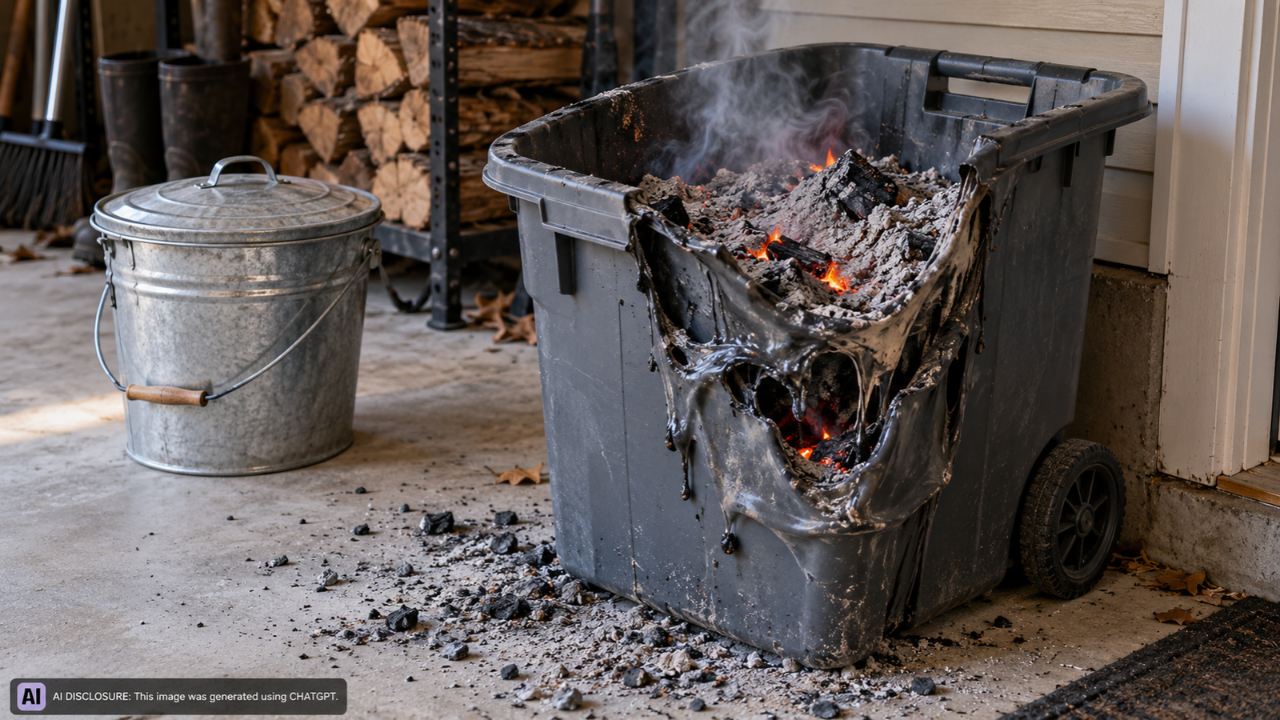
The classic mistake is thinking “it feels cool” means it’s out. Coals can stay alive under a gray blanket of ash for a long time, then flare up when fresh air hits. A plastic tote, trash bag, or wheeled bin is an easy melt and an even easier fire.
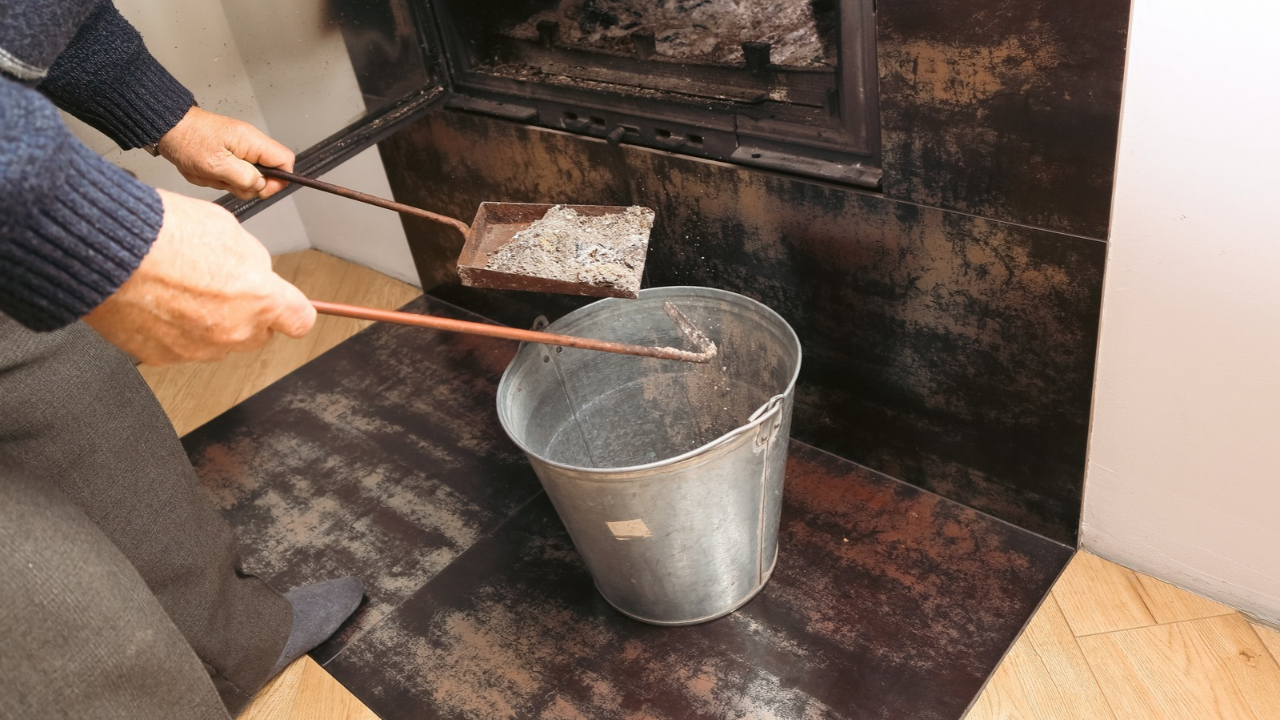
Use a metal ash bucket with a tight-fitting lid, set on a noncombustible surface like concrete. Let it sit a few days, longer if you burned big chunks or ran the stove hot. If you ever smell smoke near the ash container, get it outside and away from the house right now.
2. Storing Ash Buckets On Wood Porches
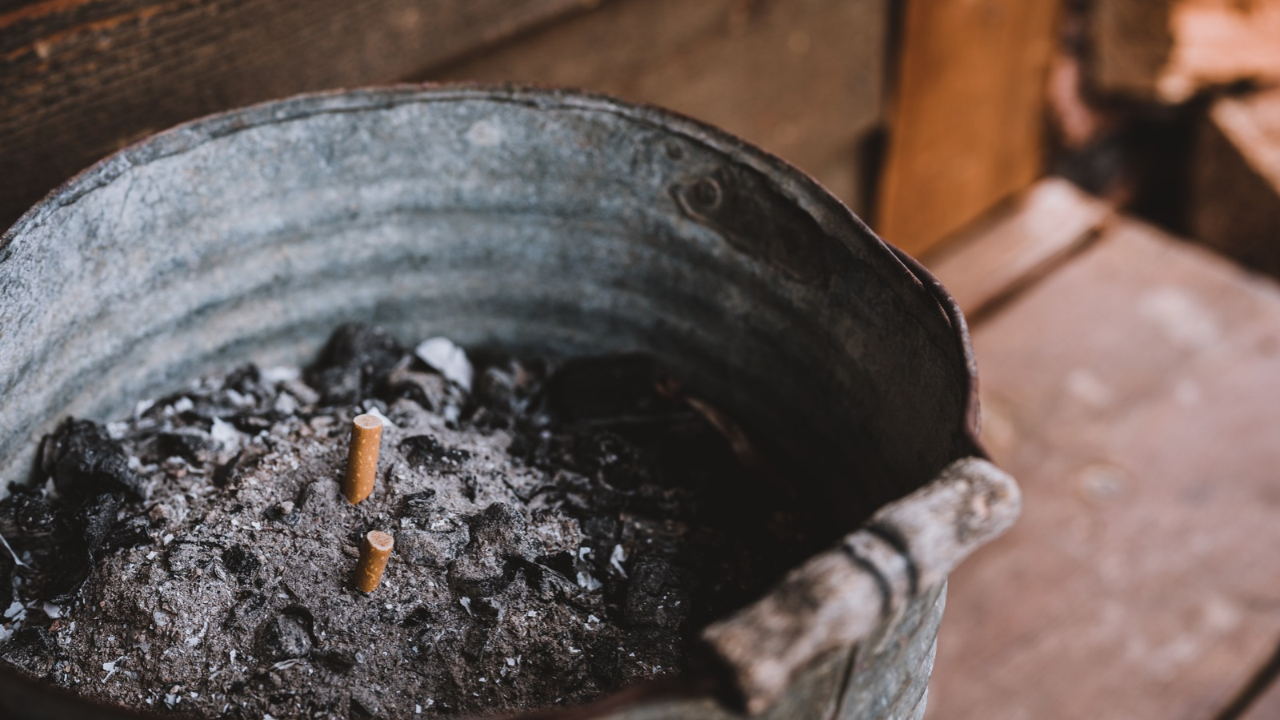
Setting the ash bucket on the porch “just for a minute” is how porch boards get a black ring, then a soft spot, then a real problem. Even with a lid, heat transfers down and can smolder in cracks, leaves, or dust. The first sign is often a sharp smoke smell, not flames.
Pick a spot outside on bare dirt, gravel, or concrete, several feet from siding, steps, stacked firewood, and anything else that burns. If you don’t have a good spot, make one with a couple pavers. Porches and decks are too expensive to gamble with.
3. Vacuuming Ash With A Shop Vac
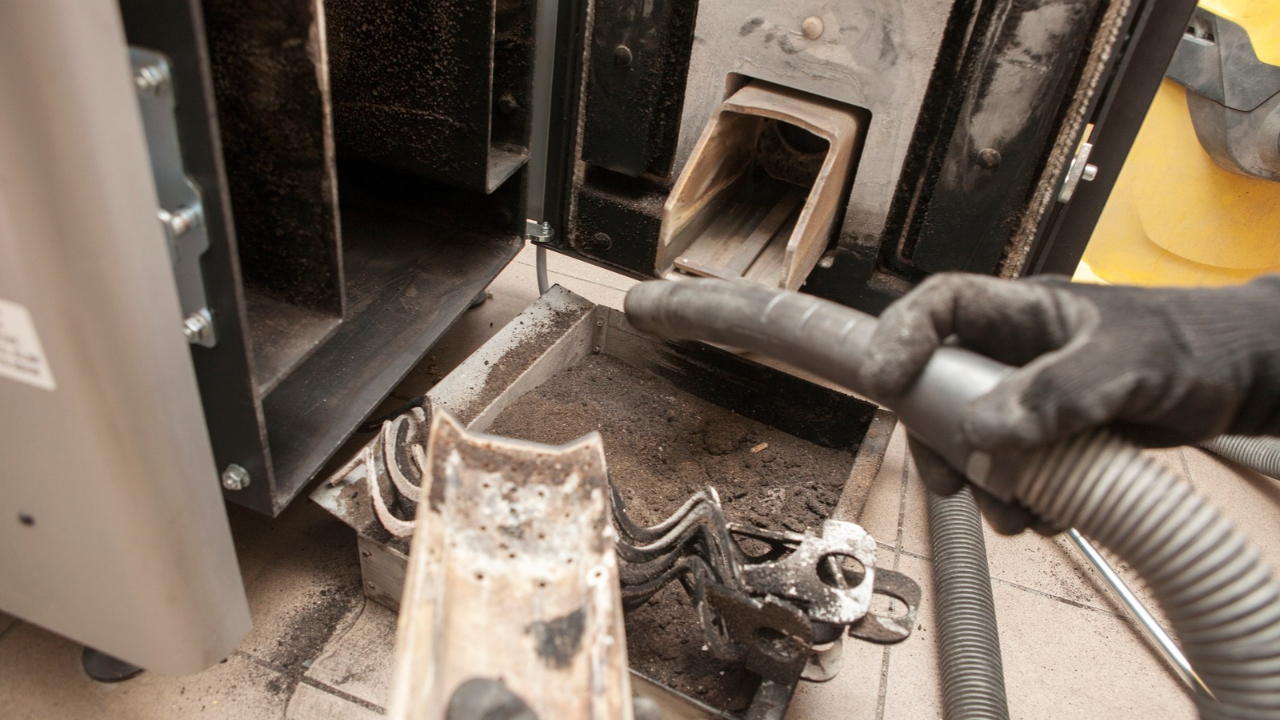
A shop vac seems like the tidy answer until you do it once and the filter clogs, the motor gets hot, and fine ash blows back into the room. Worse, a hidden ember can sit in the hose or canister and light up later. That “campfire” smell in the vac the next day is a bad sign.
Shovel or scoop out the bulk first, then use a small brush and dustpan. If you really want vacuum help, buy an ash vacuum made for fireplaces and stoves, with a metal canister and the right filter. Even then, only vacuum stone-cold ash.
4. Tossing Ash Straight Into Household Trash
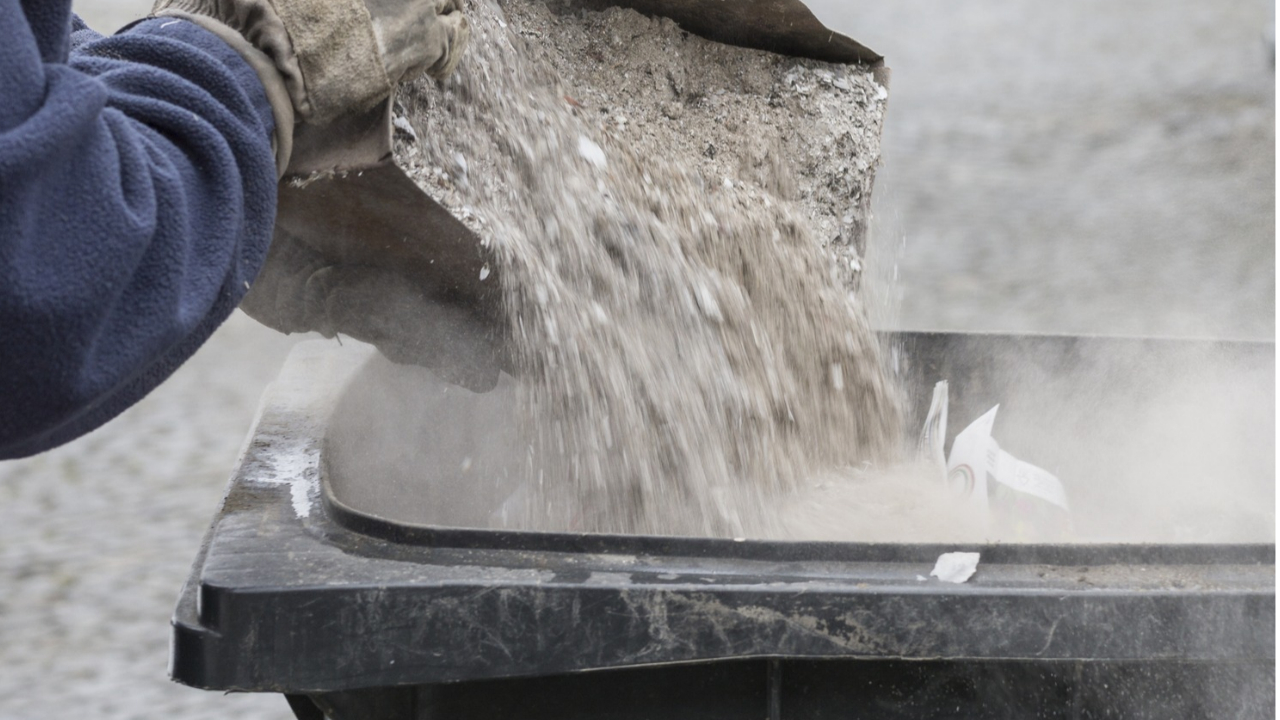
Bagging ash and putting it at the curb feels simple, but it’s a common cause of trash can fires and melted bins. The garbage truck compresses the load, adds air, and makes any leftover ember more likely to wake up. If your hauler charges for replacement carts, that gets pricey fast.
Keep ashes in a lidded metal container until they’ve sat long enough that there’s no heat at all. After that, small amounts can go in the trash if your local rules allow it. Some towns treat fireplace ash as a special item, so check your hauler’s guidelines.
5. Spreading Ash Thick On Garden Beds
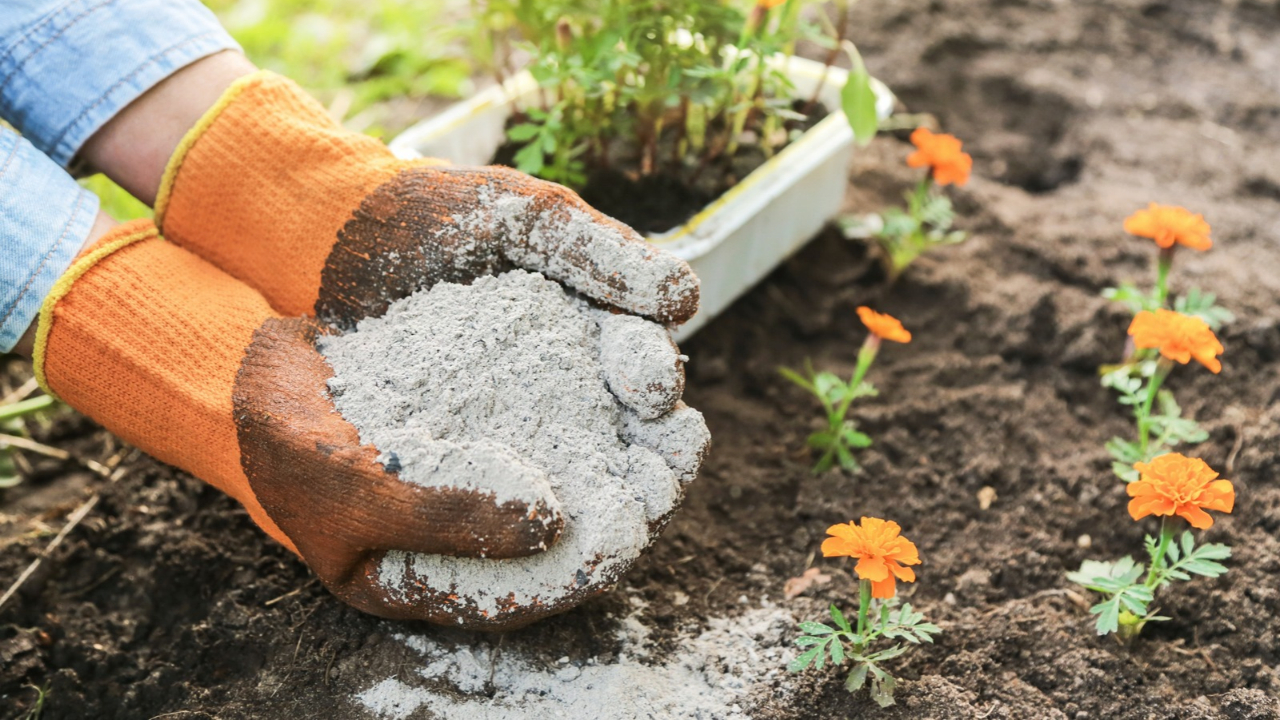
People hear “wood ash is good for soil” and dump a bucket like it’s compost. It isn’t. Ash is alkaline and salty, and a heavy layer can burn seedlings, lock up nutrients, and push your pH way out of range.
If you want to use it, think “dusting,” not “dumping.” Spread a light sprinkle over a large area and rake it in, or add small amounts to the compost pile so it’s buffered. Better yet, use a simple soil test every year or two so you’re not guessing with your garden.
6. Using Ash Around Acid Loving Plants
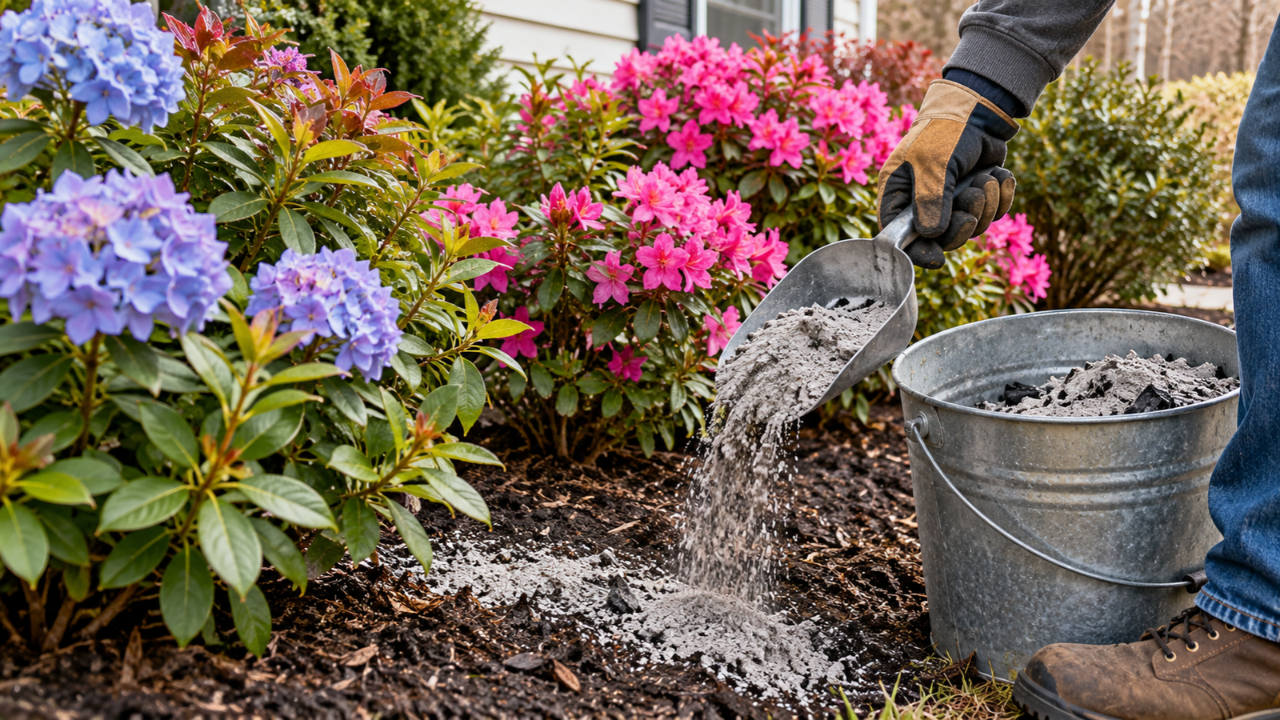
Blueberries, azaleas, rhododendrons, and many evergreens don’t want alkaline soil. Ash near their roots can turn leaves pale, slow growth, and make plants act thirsty even when the ground is moist. You’ll chase the problem with fertilizer and never fix the cause.
Keep ash out of beds with acid-loving plants and away from drip lines of ornamental shrubs. If you need traction on icy paths, use sand or grit instead of ash near those plantings. Save the ash for places where a slightly higher pH is actually helpful.
7. Mixing Ash With Bleach Or Cleaners
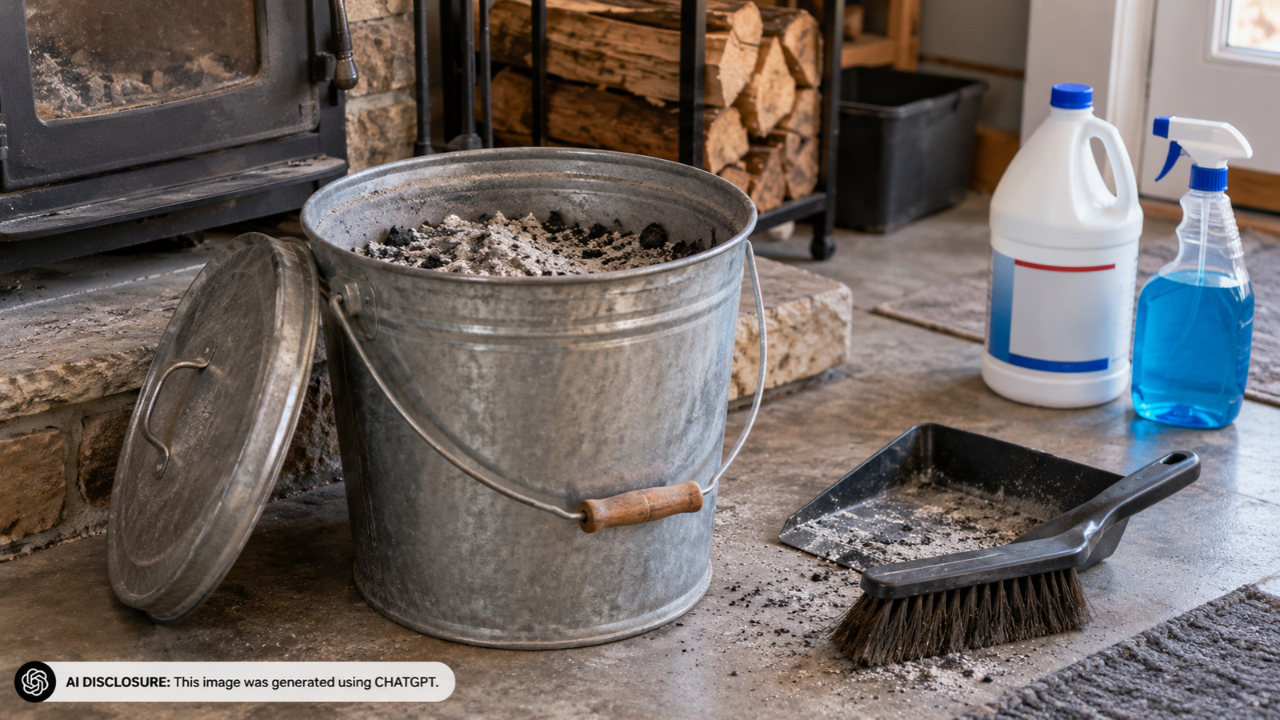
Ash and household cleaners don’t belong in the same bucket. Many cleaners react badly with alkaline materials, and you don’t want mystery chemistry in your garage or shed. Even without a dramatic reaction, you can create harsh, irritating dust or fumes.
Keep ash storage simple, plain metal container, no liquids, no chemicals. If you’re cleaning a stove area, sweep up the ash first, then use your normal cleaner on the hearth after the dust is gone. Wear a dust mask if you’re stirring up fine ash, it gets into everything.
8. Adding Charcoal Briquette Ash To The Yard
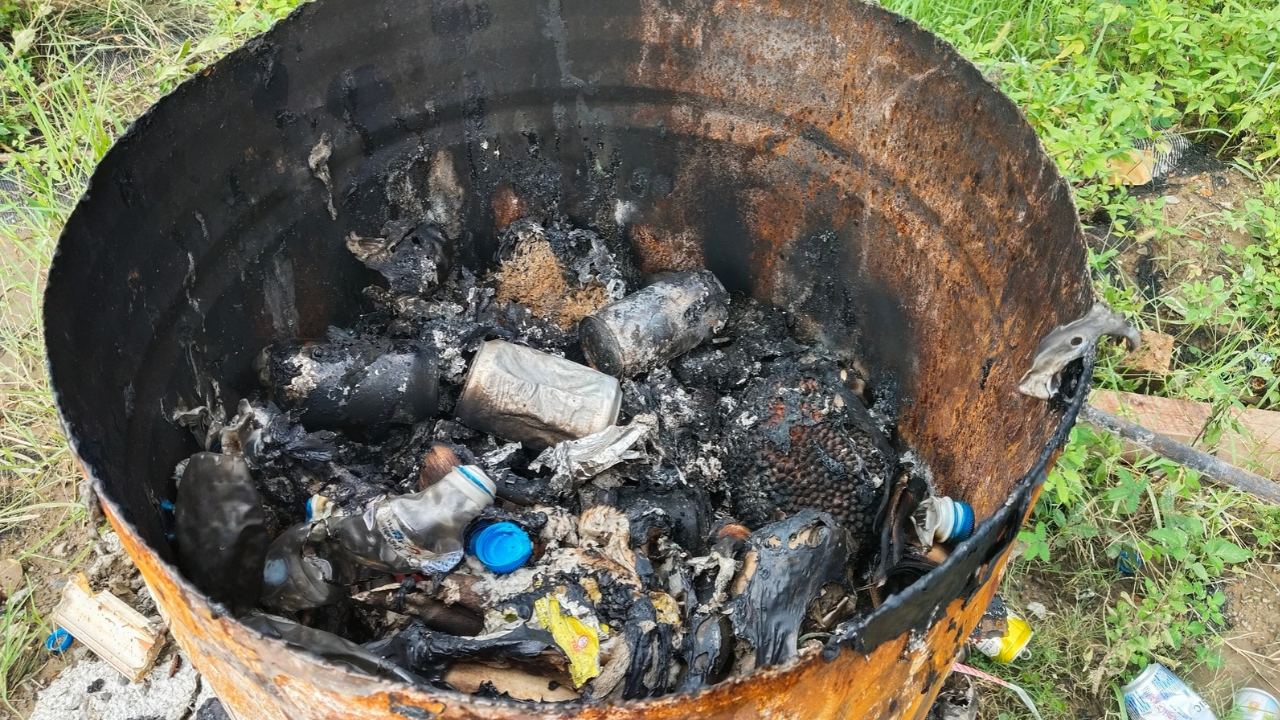
Not all ashes are the same. Ash from clean, untreated firewood is one thing. Ash from charcoal briquettes, burn barrels, painted scraps, or plywood is another, and it can contain binders, fillers, or residues you don’t want in soil.
Only garden with ash from plain wood you’d feel fine cooking over. If you’re not sure what was burned, don’t spread the ash on food beds, compost, or around fruit trees. Treat unknown ash as trash and dispose of it safely.
9. Forgetting Ash Will Scratch And Stain
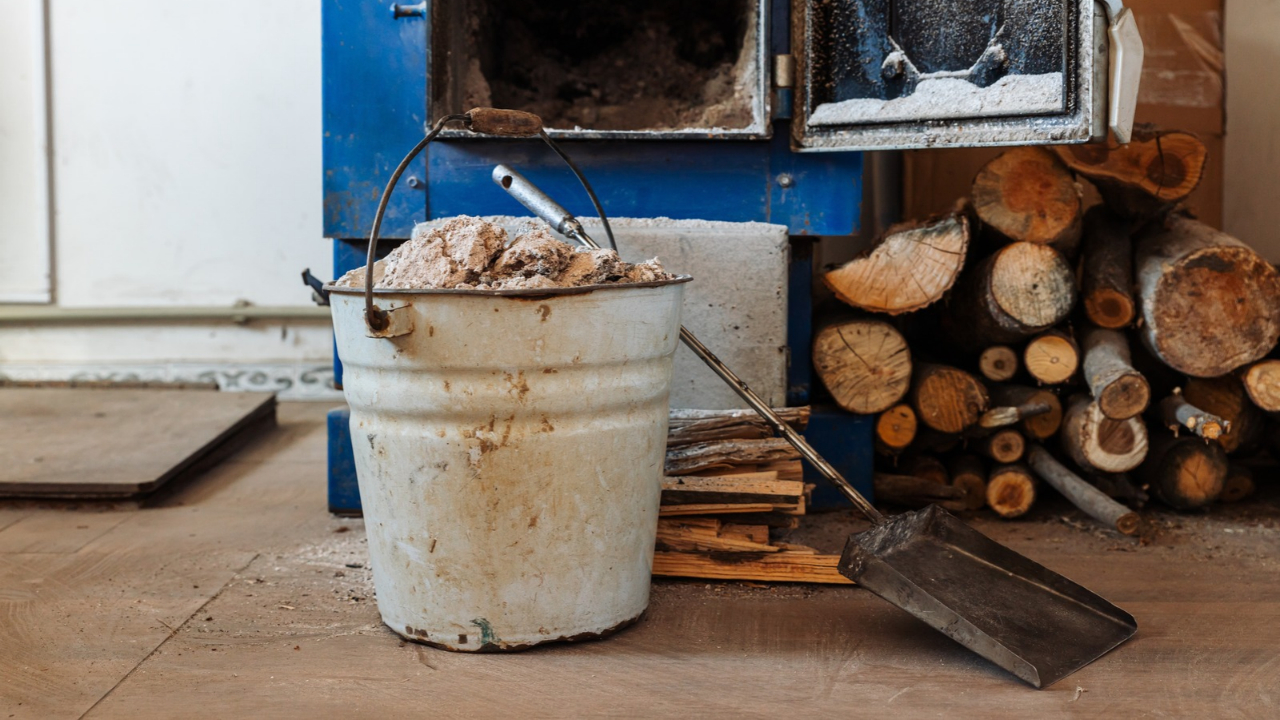
Ash is gritty. Drag a bucket across hardwood, vinyl, or tile and you can leave dull scratches that never quite come out. Set a dusty bucket on a light-colored hearth or concrete and you can get a gray halo that keeps coming back with every damp mop.
Carry ash containers, don’t drag them, and put a boot tray or metal pan under the bucket where it sits. If you spill, don’t wipe it with a wet rag first. Sweep or vacuum with the right tool, then wipe, otherwise you make a cement-like smear.
10. Ignoring The One Cheap Exception
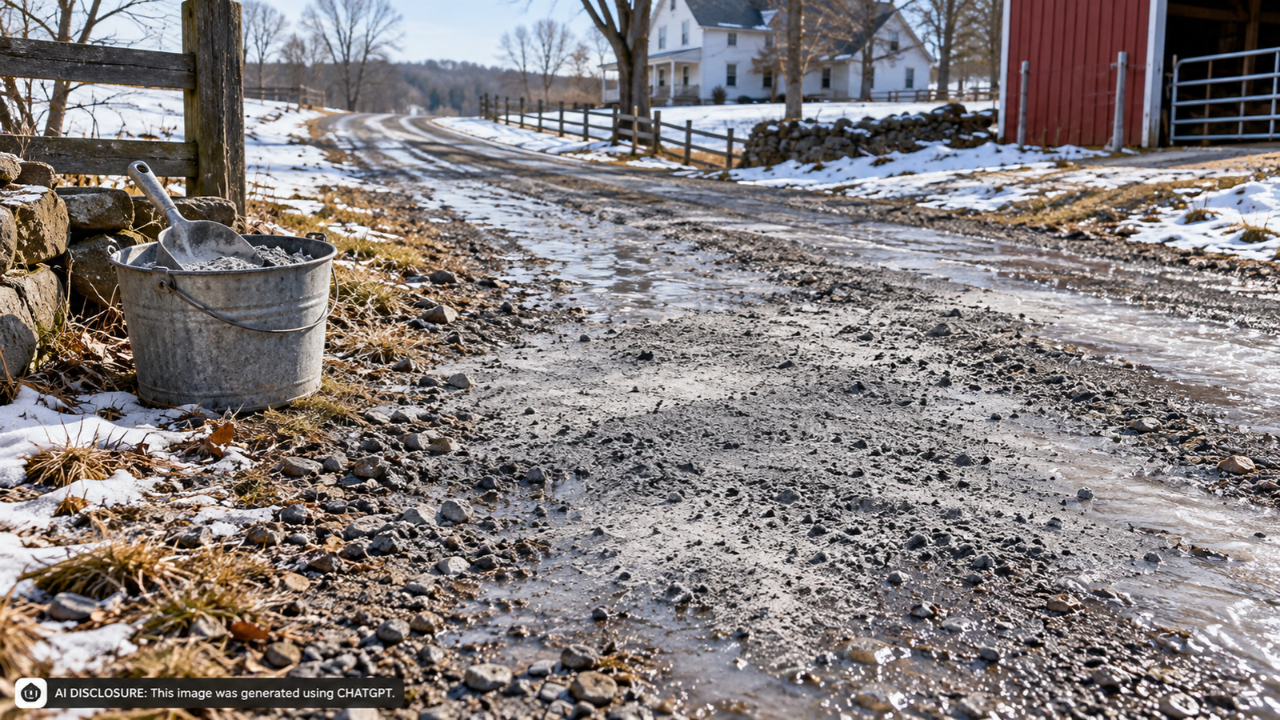
You’ll hear “never use ash for ice,” but there’s a small exception where it’s fine. A light sprinkle of cold ash on a slick gravel driveway or a muddy farm lane can add temporary traction when you’re in a pinch. It’s not magic, and it’s messy, but it works.
Keep it away from finished concrete, decks, and entry mats, it tracks everywhere and can stain. Don’t use it where runoff heads straight into a pond, rain barrel, or drainage ditch you care about. For regular winter use, sand or chicken grit is cleaner and more predictable.
If you handle ash like it’s still hot and still reactive, you avoid most of the headaches. A metal bucket, a safe spot to cool, and a little restraint in the garden go a long way. The rest is just keeping the mess from becoming a repair job.
Like Fix It Homestead’s content? Be sure to follow us.