
Best Riding Mowers for Yards With a Lot of Trees
Photo credit: aboutmoments33/Shutterstock.com
Trees make a yard look settled, but they turn mowing into a tight, stop and go obstacle course. You’re circling trunks, dodging roots, sucking up twigs, and backing out of corners that weren’t a problem in an open lawn. The mower that feels fine in a flat rectangle can feel clumsy and expensive once it’s living under a canopy.
1. Tight Turning With Minimal Turf Tear
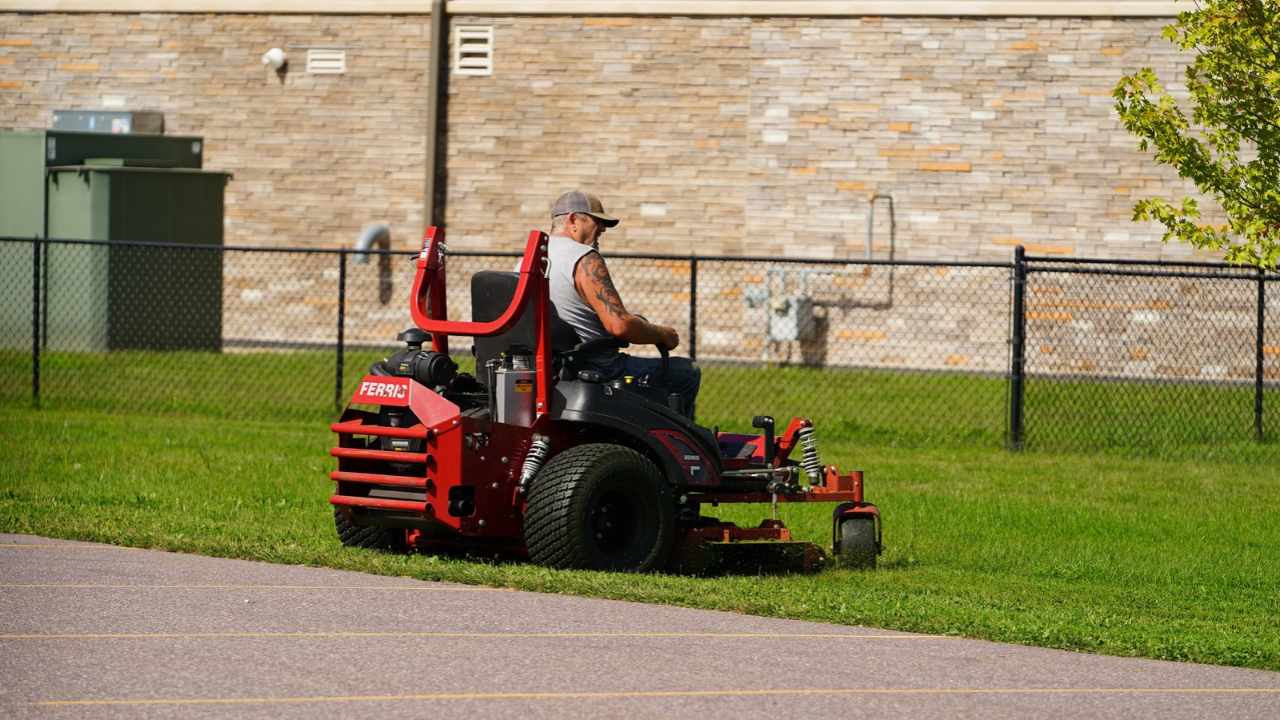
A wide swing radius will have you doing three point turns around every maple, and you’ll chew ruts into the grass while you’re at it. Look for a mower that’s known for a tight turn, or at least has a small turning radius and responsive steering. Zero turn mowers from brands like Hustler, Scag, Ferris, John Deere, Cub Cadet, and Toro can be a good fit here because they pivot in place, but you still have to drive them like you care about your lawn.
The trick in tree heavy yards is turning without scrubbing the tires. Go slower around trunks, ease into the turn, and avoid spinning one wheel hard on damp grass. If you’ve got lots of roots at the surface, a tight turn is great, but only if you’re not ripping the sod every lap.
2. Compact Deck That Fits Between Trunks

Bigger decks sound better until you’re threading between trees and clipping bark because you can’t see the edge. A 42 inch or 48 inch deck is often easier to live with than a 54, even if it adds some time. You gain control, you miss fewer spots, and you spend less time backing up to re-aim.
Deck size also affects what you can store and haul. If the mower lives in a tight shed or has to go on a small trailer, a slightly smaller deck keeps you from dinging door frames and cutting corners too close. In a yard with lots of trunks, accuracy beats bragging rights.
3. High Blade Tip Speed For Leafy Cuts
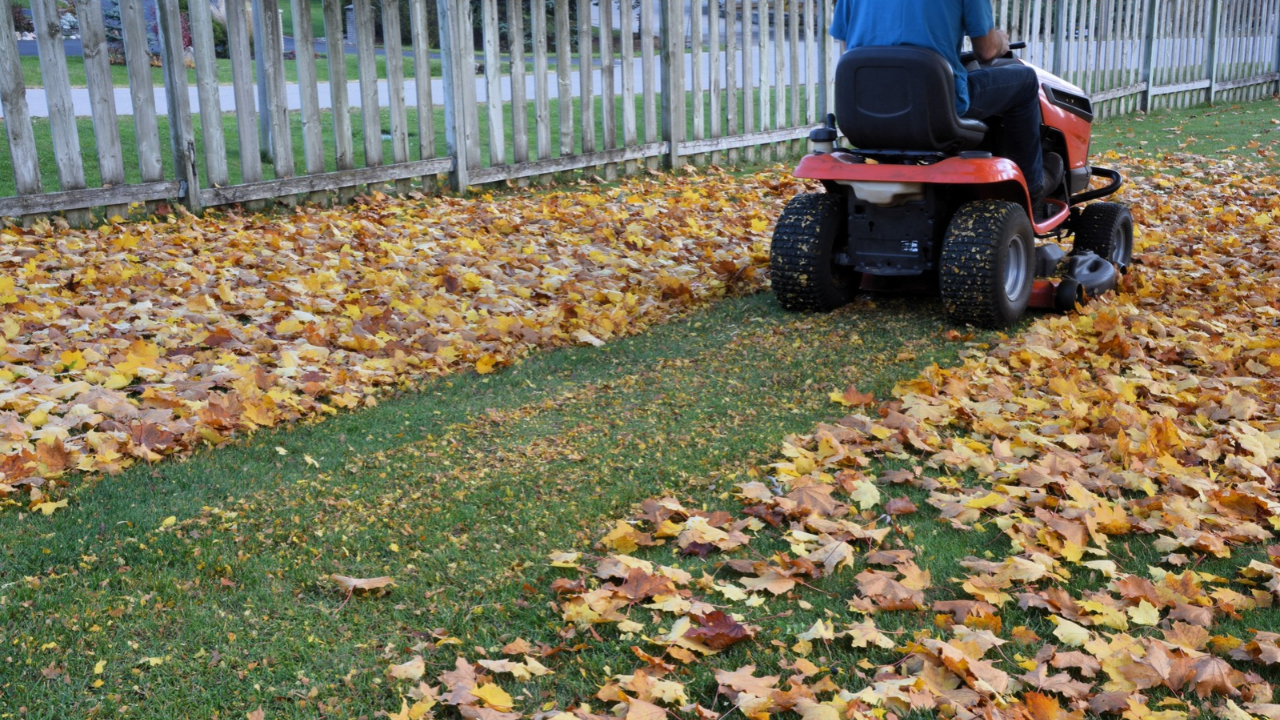
Late summer and fall is when tree yards show you what your mower is made of. A mower that’s fine on spring grass can start leaving clumps and long strings once the lawn is mixed with shredded leaves and small sticks. You want a deck and blade setup that lifts and chops well, not one that just knocks it down and hopes for the best.
Pay attention to deck design and blade options, not just engine size. Some models have better airflow under the deck, and you can often swap to high lift or mulching blades depending on how you manage leaves. If you mulch leaves into the lawn, a strong cut saves you from raking piles for hours.
4. Deck Height Range That Clears Roots
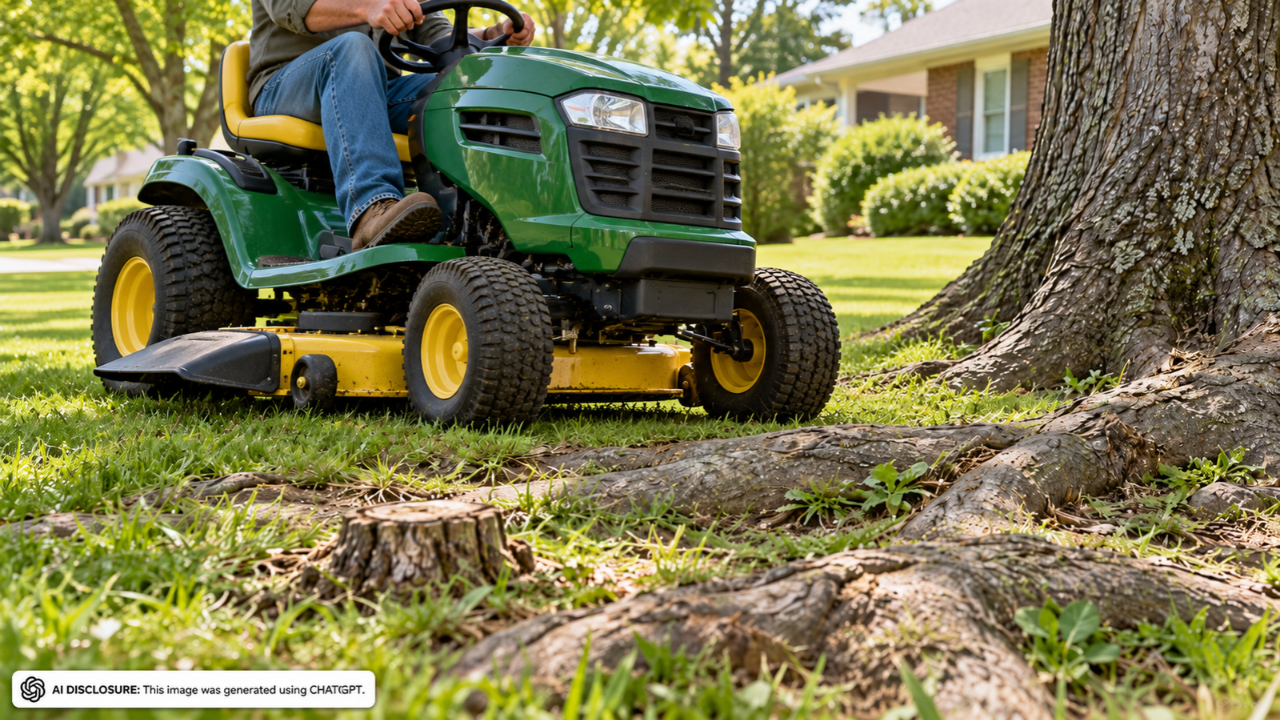
Exposed roots and low stumps turn mowing into a blade bending hobby. A mower with a generous deck height range lets you ride a little higher under trees where roots are common, then drop back down in open areas. You’ll hear it when you get this wrong, that sharp smack of blade on wood, followed by vibration.
Check how the height adjust works, too. A fussy pin system that’s hard to change leads to you leaving it too low all season. A simple foot assist or dial style adjust is easier when you’re constantly shifting between rooty shade and smooth lawn.
5. Strong Spindle And Deck Edge Protection
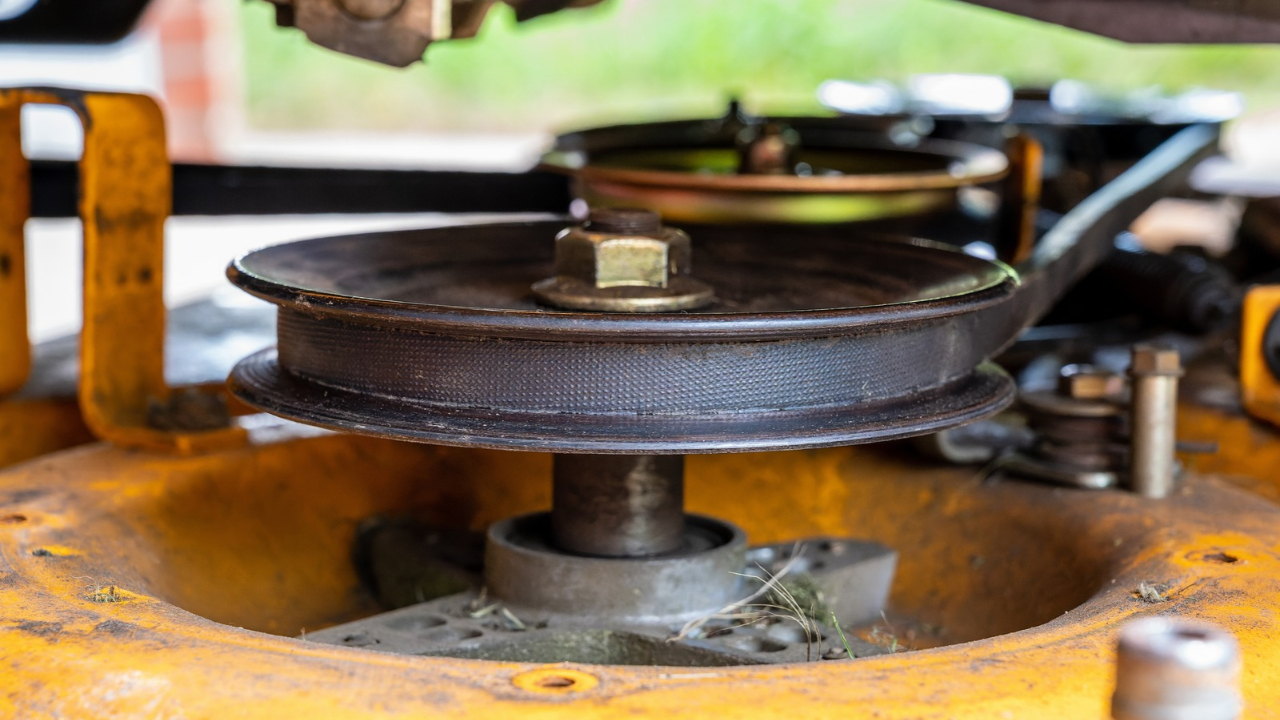
Tree yards are hard on decks. You bump hidden rocks, ride over small branches, and tap roots that you didn’t see because the grass is thick under the canopy. A flimsy deck can bend at the lip or wear thin near the discharge, and spindle housings take a beating when you hit stuff.
Look for heavier gauge decks and solid spindles, and keep the underside clean so wet leaf paste isn’t holding moisture against the metal. If you’re buying used, crawl under and look for rewelds, cracks, and wobble at the pulleys. A pretty hood means nothing if the deck is tired.
6. Better Traction In Shade And Moss
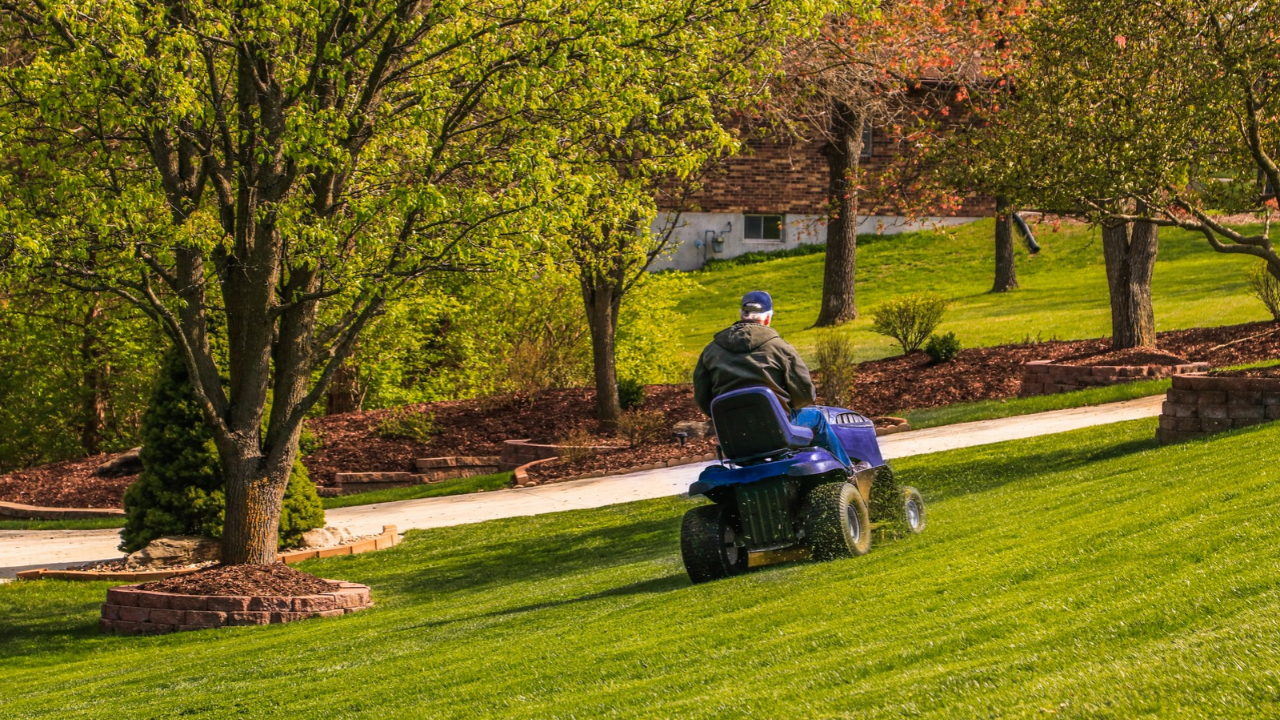
Grass under trees stays damp longer, and some spots turn to moss or slick clay. That’s where a mower that climbs fine in full sun suddenly spins and slides sideways. Wider rear tires, a decent tread, and a mower with enough weight over the drive wheels make a noticeable difference on shady slopes.
Skip mowing those spots right after rain, even if you’re in a hurry. You’ll leave tracks that last all season, and you’ll pack the soil around roots, which trees and grass both hate. If your yard is mostly shade, traction is a bigger deal than raw horsepower.
7. Bagging Setup That Doesn’t Plug Constantly
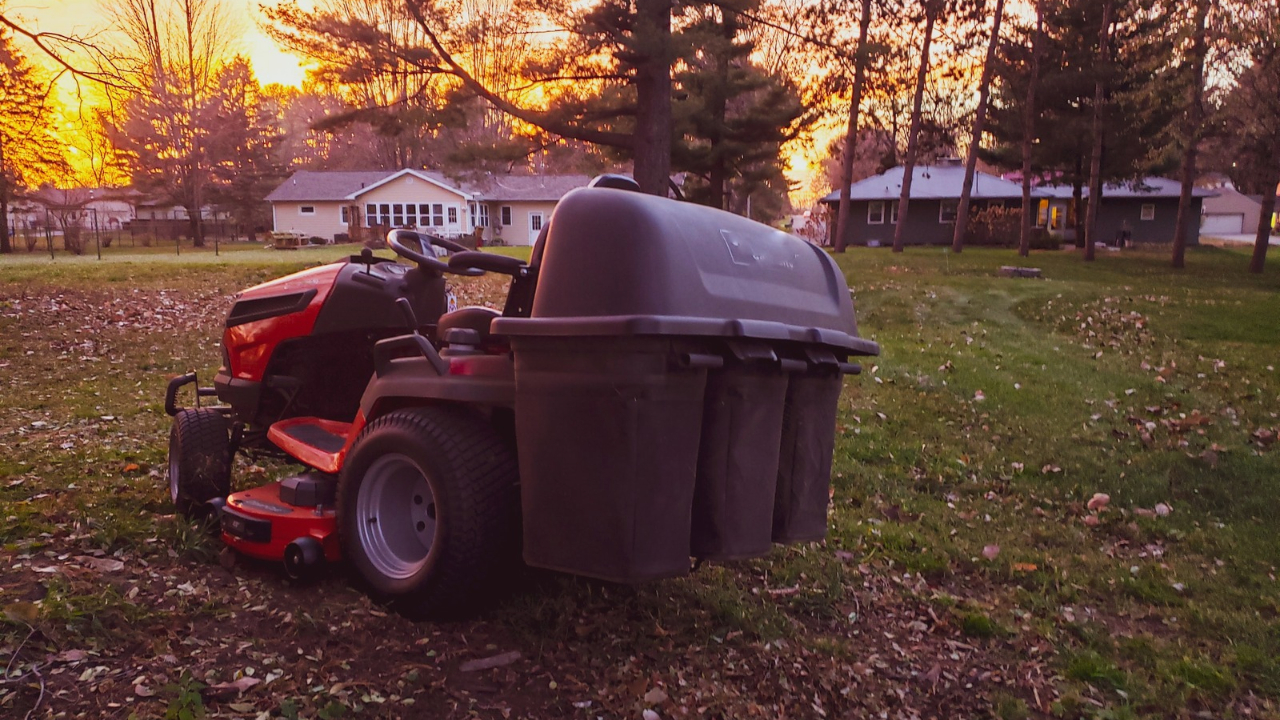
If you’ve got oaks, sweetgum, or anything that dumps heavy litter, bagging starts sounding attractive fast. The problem is many bagger setups clog when the chute gets wet or when you’re sucking up a mix of grass and leaves. Then you’re off the seat every ten minutes, pulling out wads like you’re cleaning a drain.
Look for a bagger with a strong blower assist and a wide, smooth chute path. Keep spare bags or liners if your system uses them, and clean the chute before it turns into a compost tube. If you only need bags for a couple weeks each fall, renting or borrowing a dedicated lawn vacuum can be smarter than buying a fancy bagger you’ll hate in July.
8. Service Access Without Removing Half The Mower

Tree debris means more maintenance, more often. Air filters load up with fine dust and leaf bits, belts pick up twigs, and the top of the deck turns into a squirrel nest. If checking the filter or swapping blades is a knuckle busting project, you’ll put it off, and the mower will run hot and cut worse.
Before you buy, look at where the oil filter sits, how the deck comes off, and whether grease zerks are easy to reach. A mower with decent access saves you real time over a season, and it’s usually the difference between “quick Saturday tune up” and “all day headache.”
9. Electric Riding Mowers For Quiet Tree Lots
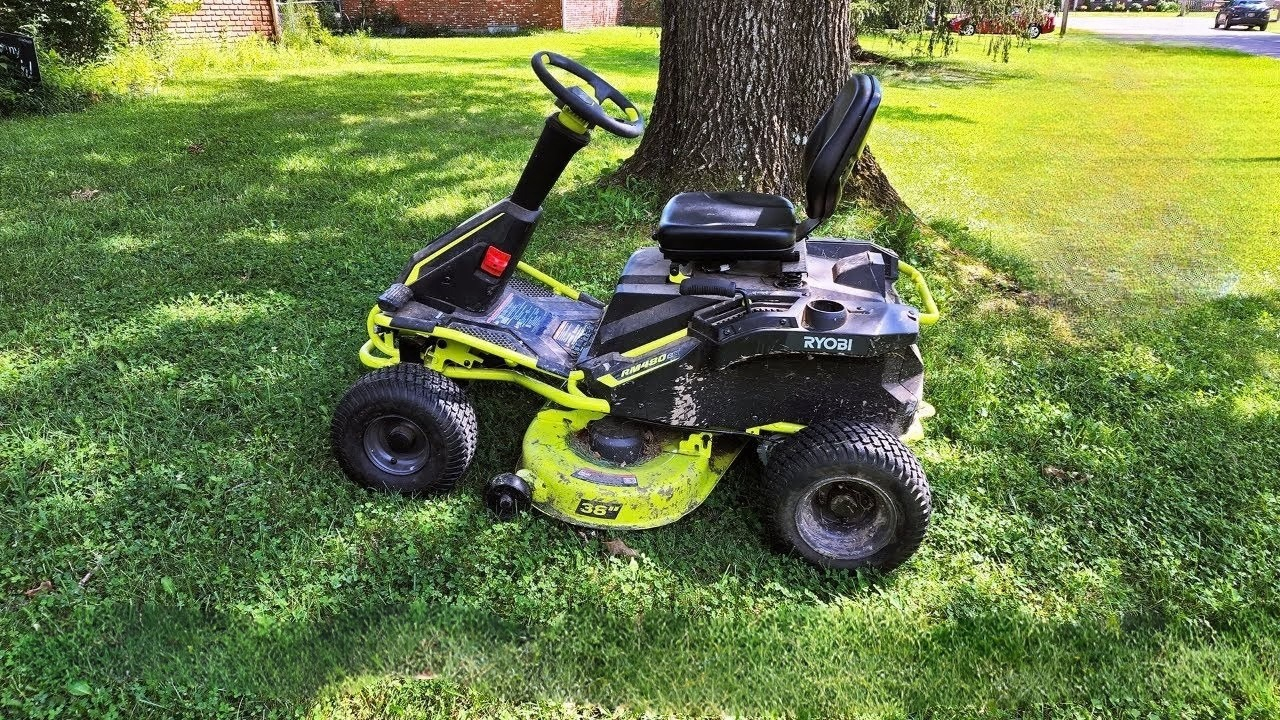
Battery riding mowers get dismissed fast, but they can make sense in a yard where you’re constantly stopping, backing, and creeping around trunks. They’re quiet, they start every time, and you don’t have a hot muffler near dry leaves and pine needles. If your lot is under an acre and you’re not mowing knee high grass, electric can be the cheap option over time.
The exception is heavy leaf season and thick spring growth. If you’re basically mowing a carpet of wet leaves, batteries can run down quick and cut quality can drop. Make sure you’ve got covered charging space, and don’t plan on leaving the mower outside under trees where squirrels and weather will chew it up.
10. Used Commercial Mowers That Hold Value
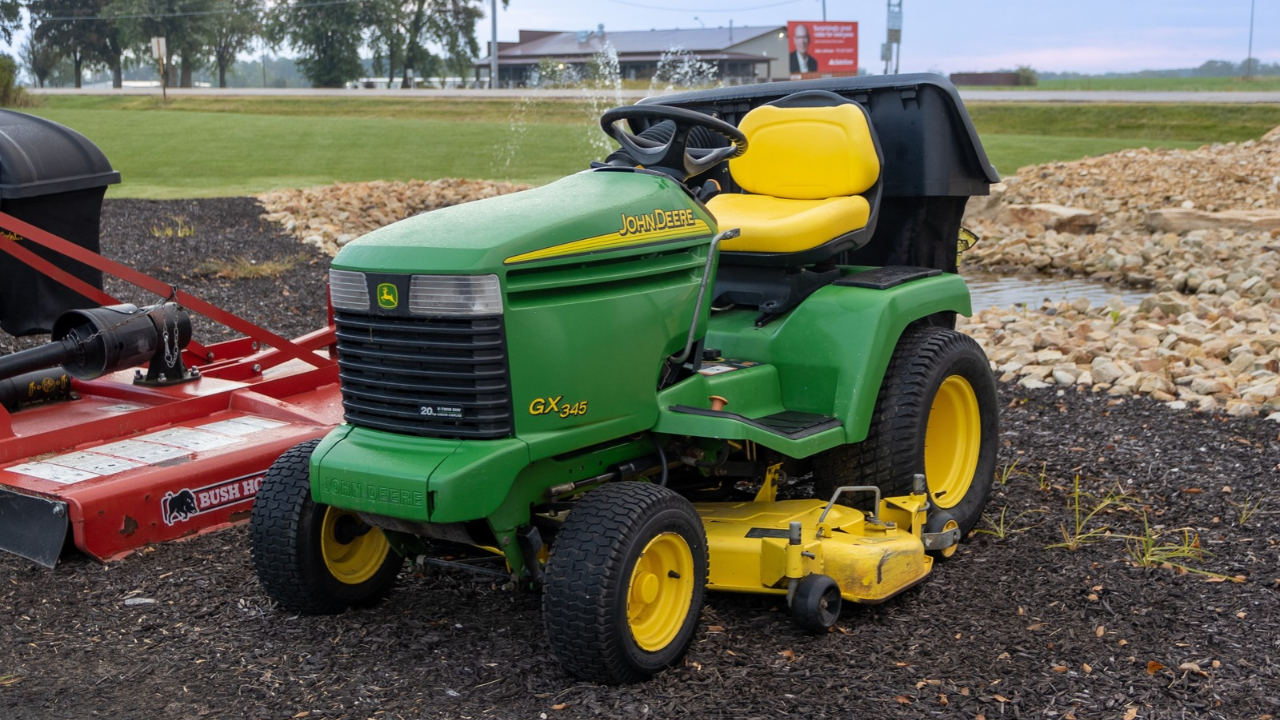
A tree filled yard beats up equipment, so resale matters. A used commercial grade mower from a known brand can be a better buy than a new big box model, even if it looks a little rough. The frames are stiffer, spindles are usually tougher, and parts availability is often better years down the road.
Just don’t buy someone else’s problem. Check hours, listen for bearing noise at the deck, look for hydro drive leaks, and test that it tracks straight without constant steering correction. If you’re not comfortable judging condition, paying a small engine shop to look it over can save you from dragging home a money pit.
The right mower for a tree heavy yard is the one that stays nimble, doesn’t choke on leaves, and doesn’t punish you every time you have to service it. Take a tape measure to your tight spots, think hard about fall cleanup, and buy for control, not for maximum deck width.
Like Fix It Homestead’s content? Be sure to follow us.