
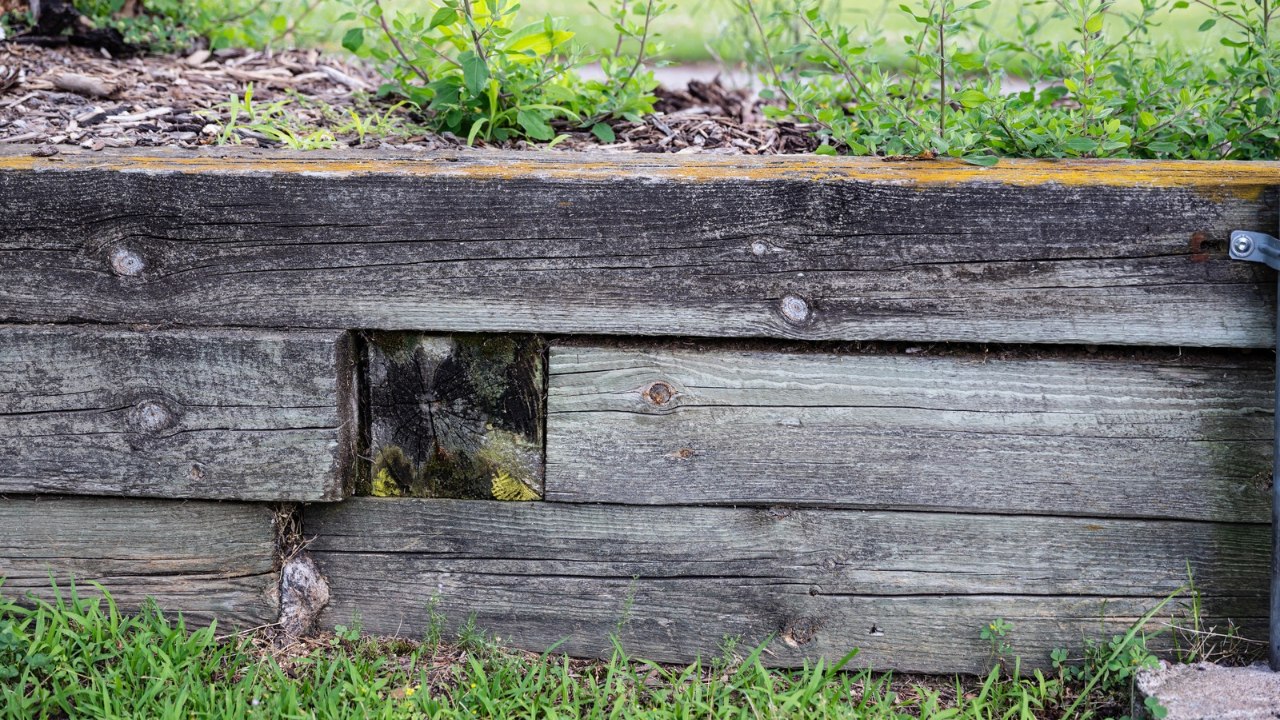
10 Signs a Retaining Wall Is About to Give Out
Photo credit: mailcaroline/Shutterstock.com
A retaining wall can look fine for years, then start moving fast once water and soil pressure get ahead of it. Catching trouble early is cheaper than rebuilding, and it keeps a bad day from turning into a wrecked driveway, patio, or fence line. Walk your wall after big rains, spring thaw, and any time you change drainage uphill.
1. Wall Starts Leaning Forward
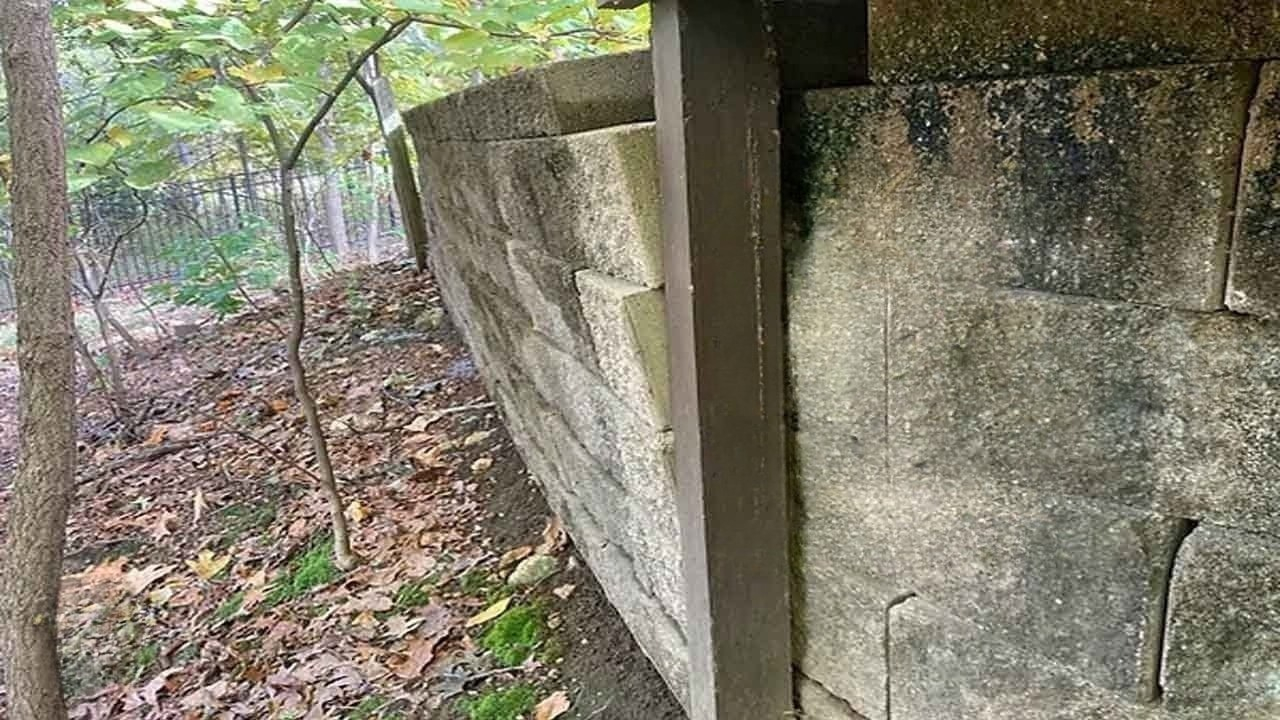
A wall that used to look plumb but now tips out toward the yard is under more pressure than it can hold. You’ll see the top course creeping forward, or the face bulging in the middle like a belly. If you can spot the lean from across the yard, it’s already past “cosmetic.”
Stop adding soil, mulch, or heavy planters behind it. Get the water under control first, then talk fix options: relieving soil, adding proper drainage, or rebuilding with geogrid if it’s a tall wall. For block and timber walls over a few feet, this is often a pro job, because a failed wall can drop tons of material without warning.
2. New Cracks In Concrete Or Mortar
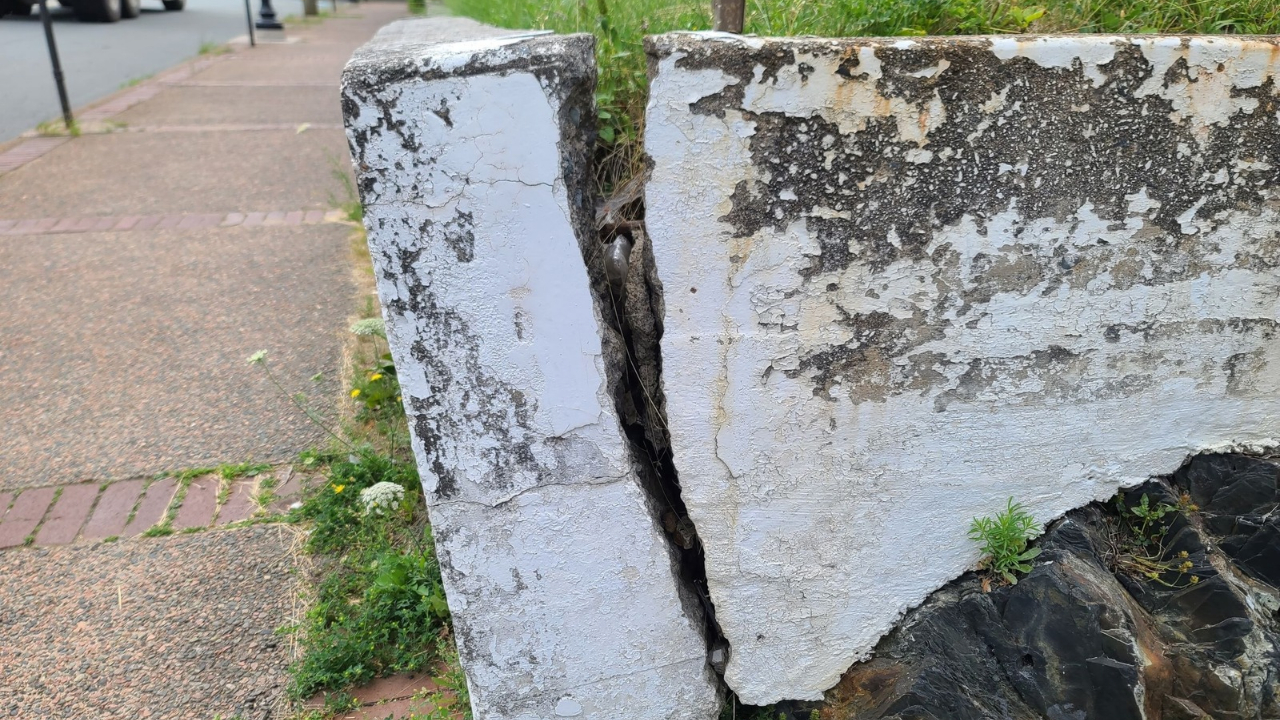
Concrete and mortared stone crack for a few reasons, but new cracks that widen over a season are a red flag. Stair-step cracks through mortar joints and long horizontal cracks usually mean the wall is flexing. Put a pencil mark at the ends and date it, then check it again in a couple weeks.
Hairline surface cracking can be normal, especially on older poured walls, so don’t panic at a single thin line. What you don’t want is separation you can fit a coin into, or cracks that show up right after a heavy rain. If chunks are spalling off and you can see rusty metal, call a pro, rebar corrosion is hard to stop once it starts.
3. Gaps Opening Between Blocks Or Timbers
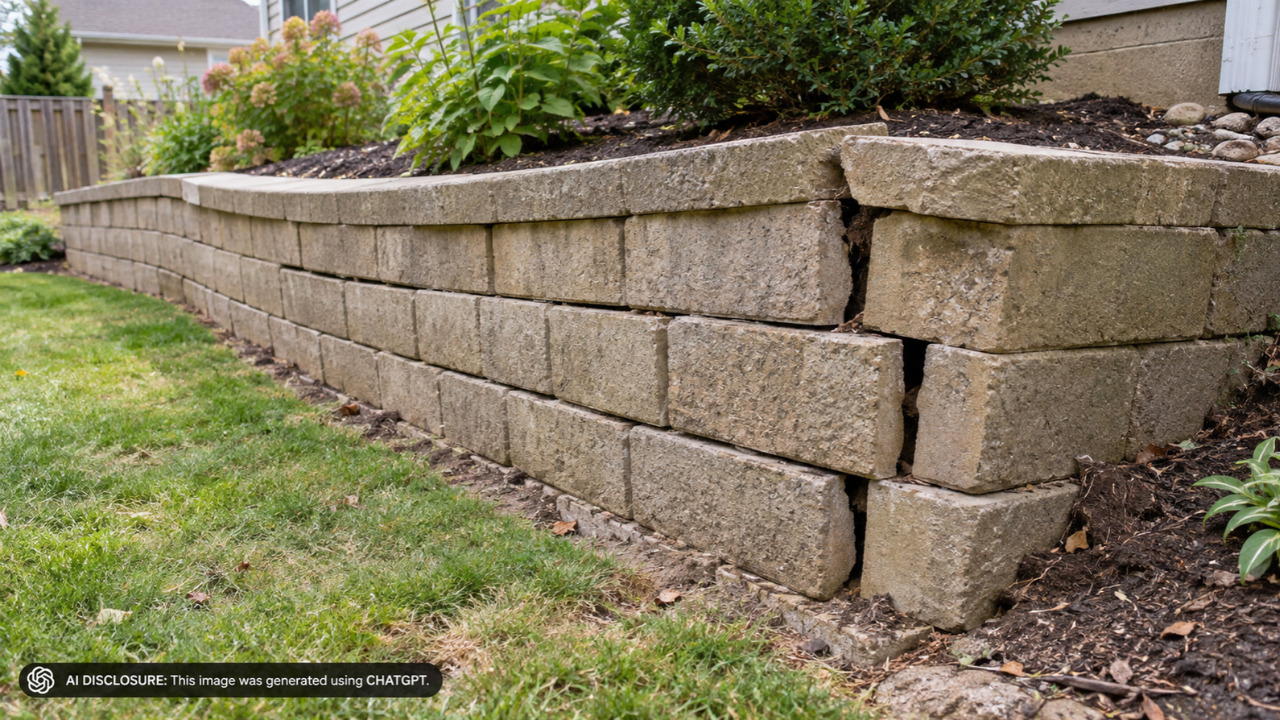
Segmental block walls are supposed to lock tight, and timber walls should stay snug at the joints. When you start seeing daylight between units, it’s telling you the wall is shifting, not just settling. Often the gaps show first at the ends or near a corner where pressure concentrates.
Small gaps sometimes come from poor base prep, but they rarely get better on their own. Don’t try to “glue it back” with construction adhesive and call it done. If the wall is dry-stacked block, you can sometimes take down a short section and rebuild on a corrected base, but once it’s a long run or over about waist height, plan for bigger repairs.
4. Water Weeping Through The Face
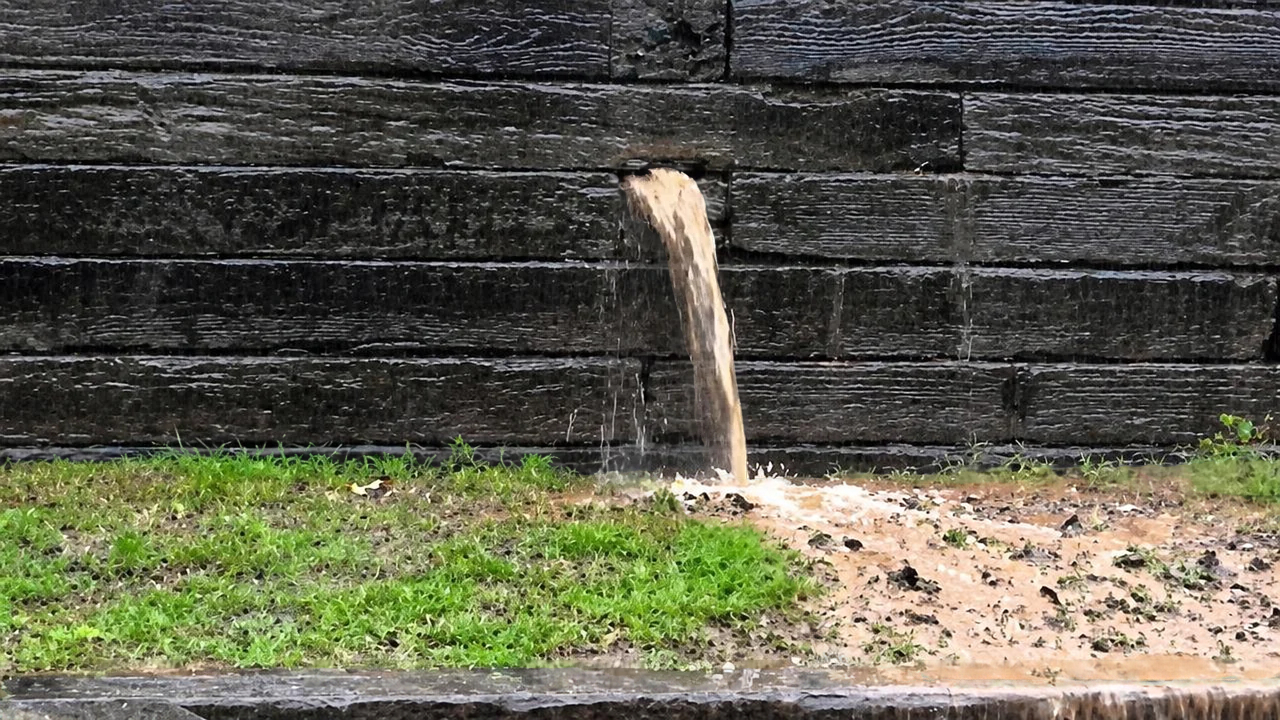
After a rain, a few damp spots are one thing. A steady trickle through joints, dark wet streaks, or muddy seepage means water is building up behind the wall with nowhere to go. That water adds a lot of force, and in winter it turns into frost heave that shoves the wall outward.
Look for missing or clogged weep holes, or a wall that was built with none. Fixing drainage might be as simple as clearing weeps and improving surface grading, or as involved as installing drain pipe and clean gravel backfill. If you need to dig, call 811 or your local utility locate service first, even for “just a shallow trench.”
5. Soil Washing Out Near The Top
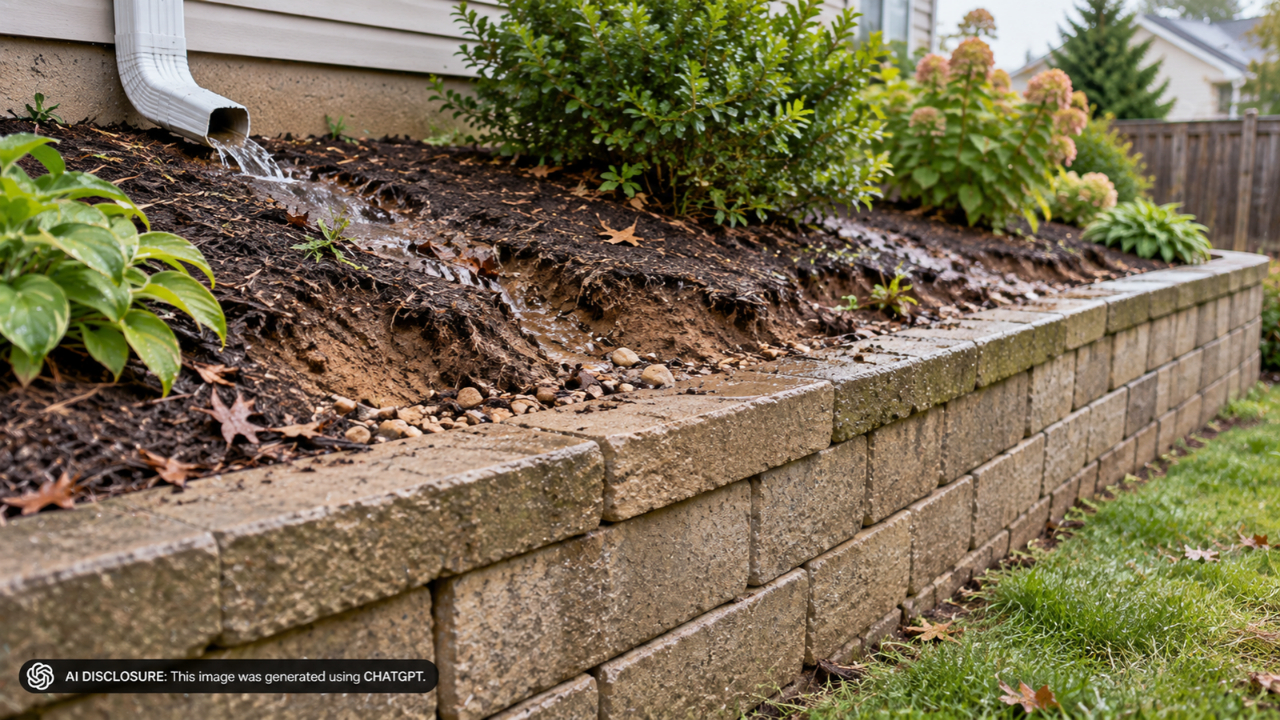
If the ground behind the wall is sinking, scalloped, or forming little gullies, the backfill is moving. That can mean water is flowing behind the wall and carrying soil with it. You’ll often notice it after a hard downpour, especially where downspouts dump uphill.
Redirect roof water, extend downspouts, and add a simple swale or catch basin to keep runoff from charging the wall. Tossing loose topsoil back in the low spots is wasted effort if the water path stays the same. This is one of those fixes that costs little if you do it early and a lot if you ignore it.
6. Fence Posts Or Railings Going Crooked
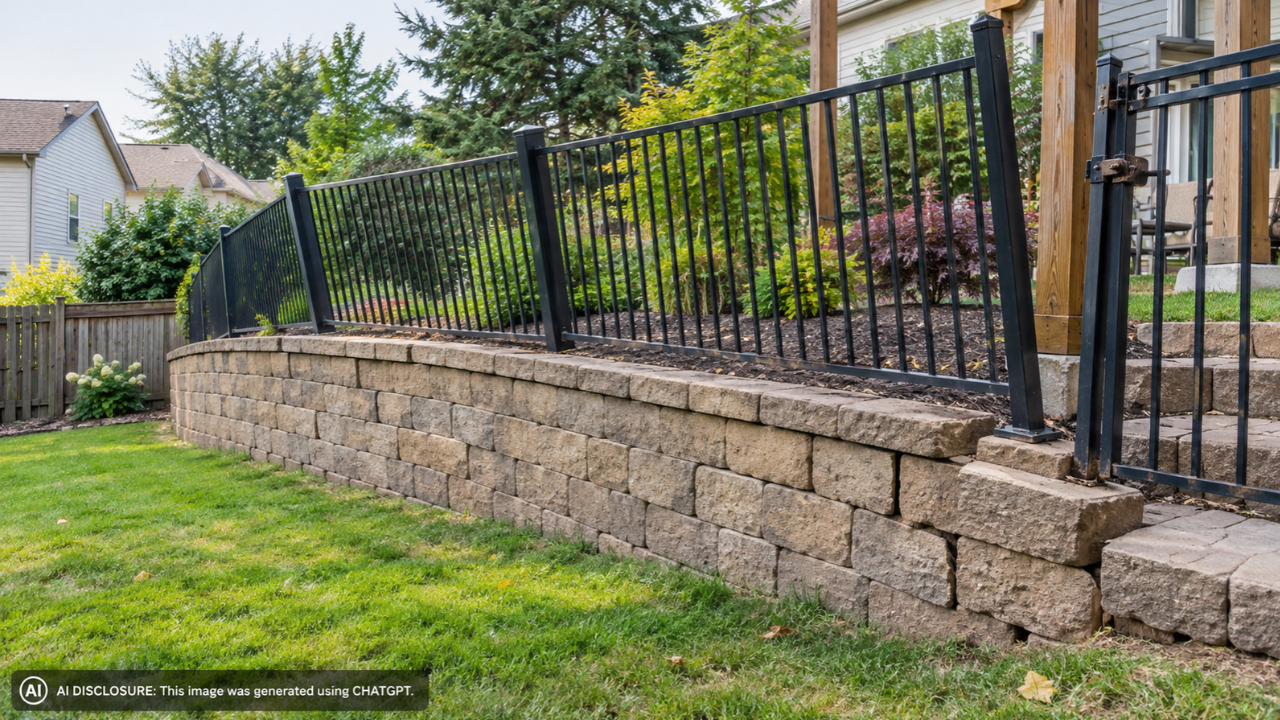
A fence or railing that used to be straight but now leans is sometimes the first clue the wall is moving. The wall doesn’t have to look bad yet, because the posts act like little telltales. Gate latches start sticking, rails pull away, and the whole run looks “wavy.”
Don’t just re-set the posts and call it good. Posts anchored in or right behind a failing wall will keep getting shoved out of line. Fix the wall movement and drainage first, then reset posts in solid ground, and keep the hole away from the wall edge so you don’t weaken it.
7. Pavers Or Patio Above It Start Sinking
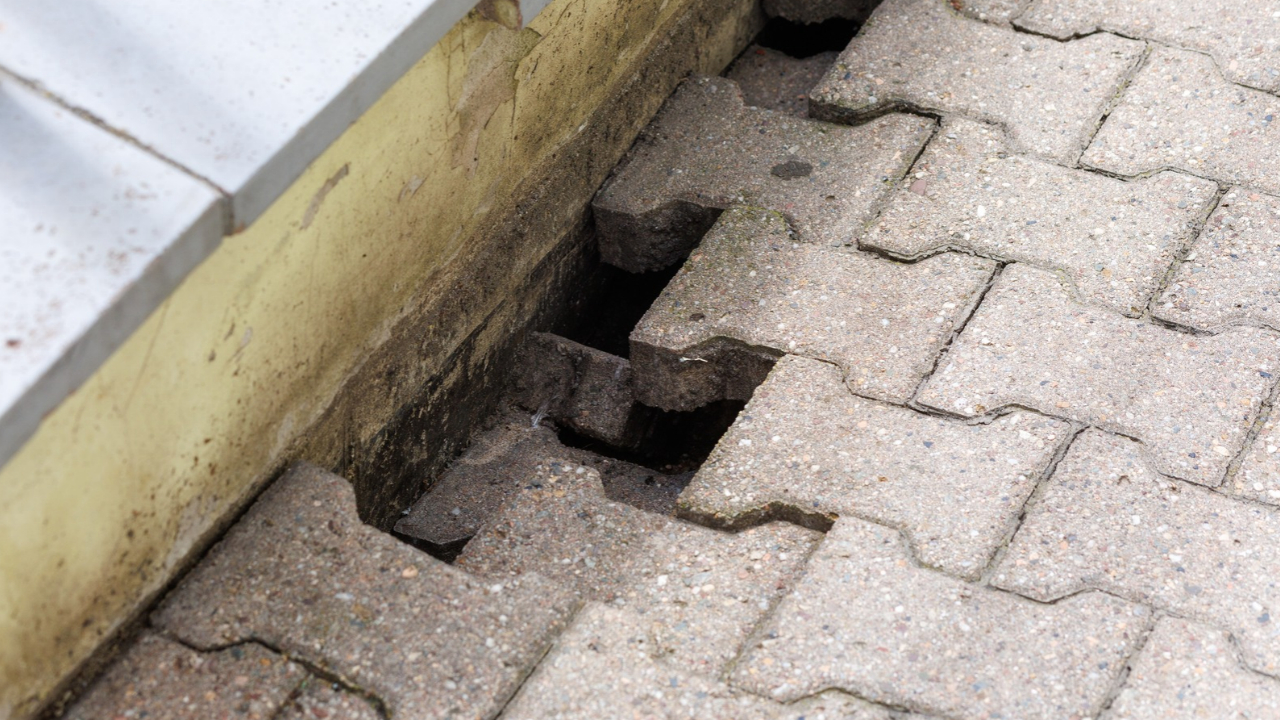
When a patio, walkway, or driveway slab near the top edge starts dipping toward the wall, the soil under it is shifting. Sometimes it’s from washout, sometimes it’s from the wall face moving and taking support with it. You’ll notice new trip edges, pooling water, or pavers that rock underfoot.
This one hits the wallet because surface repairs don’t last if the retaining wall stays unstable. Lift and re-level pavers only after the wall and base are corrected. If a concrete slab is involved, a pro might recommend mudjacking or replacement, but either way you want the soil and drainage handled first.
8. Rotting Timbers And Soft Spots
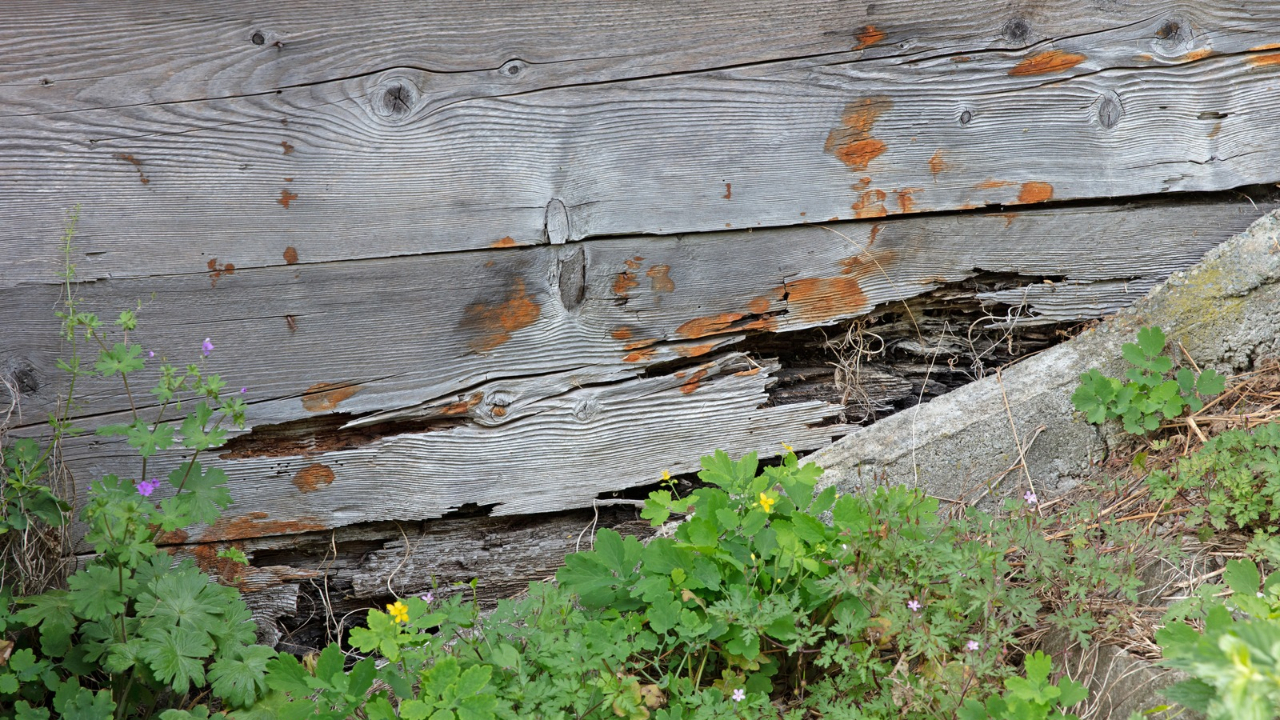
Timber walls fail from the inside out. You might see mushrooms, dark staining, or areas that dent easily with a screwdriver, especially near the bottom course. The wall can look straight right up until a section collapses because the “structure” is basically compost.
Replacing one or two bad timbers can buy time on a short, low wall, and that’s the honest exception. If the wall is tall, tied back with deadmen, or holding up a driveway, patching is usually throwing money at it. Plan on a rebuild with better drainage and materials that match the job.
9. No Drainage Stone Behind The Wall
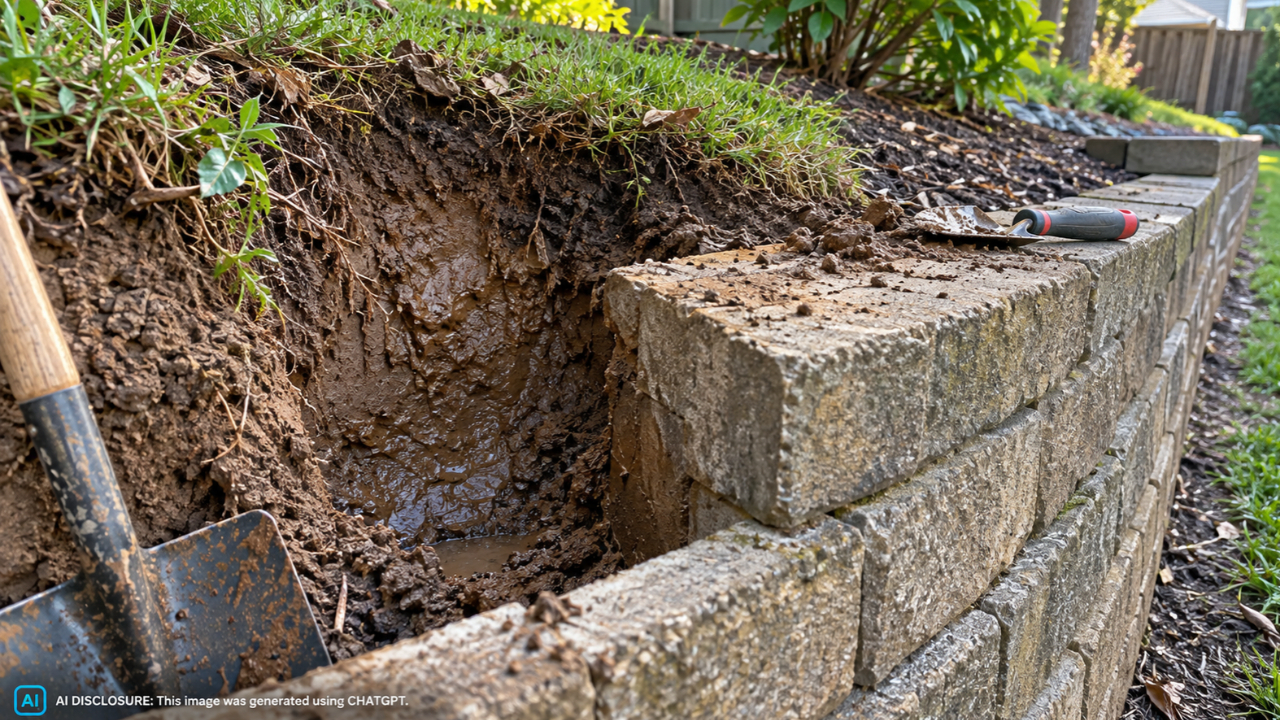
Sometimes the sign isn’t what you see, it’s what you find when you do a small test dig behind the top course. If it’s straight clay or heavy soil right against the wall with no gravel zone, water pressure is going to win. A lot of walls get built “good enough” for a couple seasons, then the first wet winter exposes the shortcut.
You don’t have to excavate the whole thing to learn something. Dig a narrow inspection hole in a safe spot, away from edges, and see what’s back there. If you find mud instead of clean stone and fabric, start planning a drainage retrofit or rebuild before the wall picks the timing for you.
10. Sudden Movement After Heavy Rain
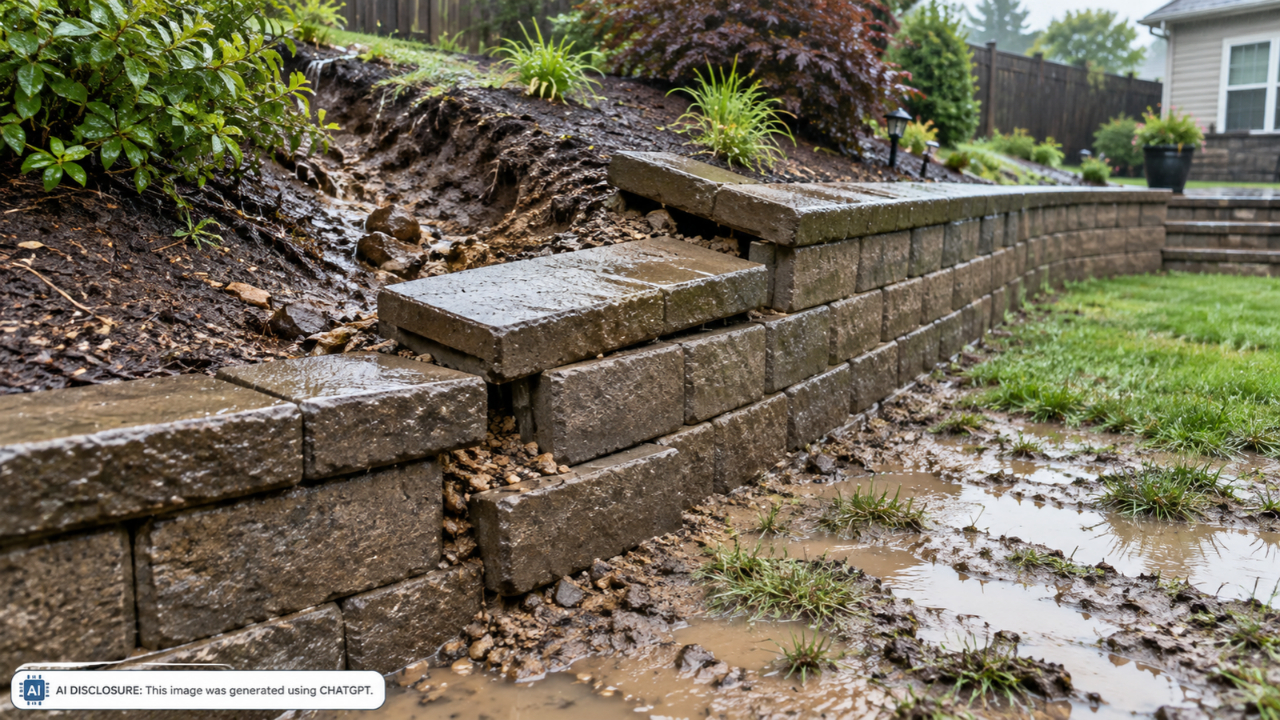
The moment to pay attention is right after a multi-inch rain, a fast snowmelt, or a week of saturated ground. If the wall shifts even a little, blocks step out, caps pop loose, or you hear stones “tick” as they settle, take it seriously. Rapid change is a bad sign, because it means soil strength dropped and pressure spiked.
Keep people and pets off the area below the wall, and don’t try to brace it with a couple 2x4s. Relieving water and load comes first, then repair. For taller walls, walls supporting vehicles, or anything near a foundation, this is the point where calling a qualified retaining wall contractor or engineer saves money and headaches.
If any of these show up, take photos from the same spot every week or two and measure what you can with a level and tape. Movement patterns make it clearer whether you’re dealing with drainage, a bad base, or plain age. Fix water first, then structure, and you’ll avoid doing the same job twice.
Like Fix It Homestead’s content? Be sure to follow us.


