10 Things That Draw Predators to a Property After Dark
Photo credit: Alexander Oganezov/Shutterstock.com
Most predators don’t “show up out of nowhere.” They follow routines, scent trails, and easy meals, and they learn your property’s weak spots fast. The tricky part is that a place can look tidy in daylight and still be an all night buffet once the lights go out.
1. Pet Food Left Out Overnight
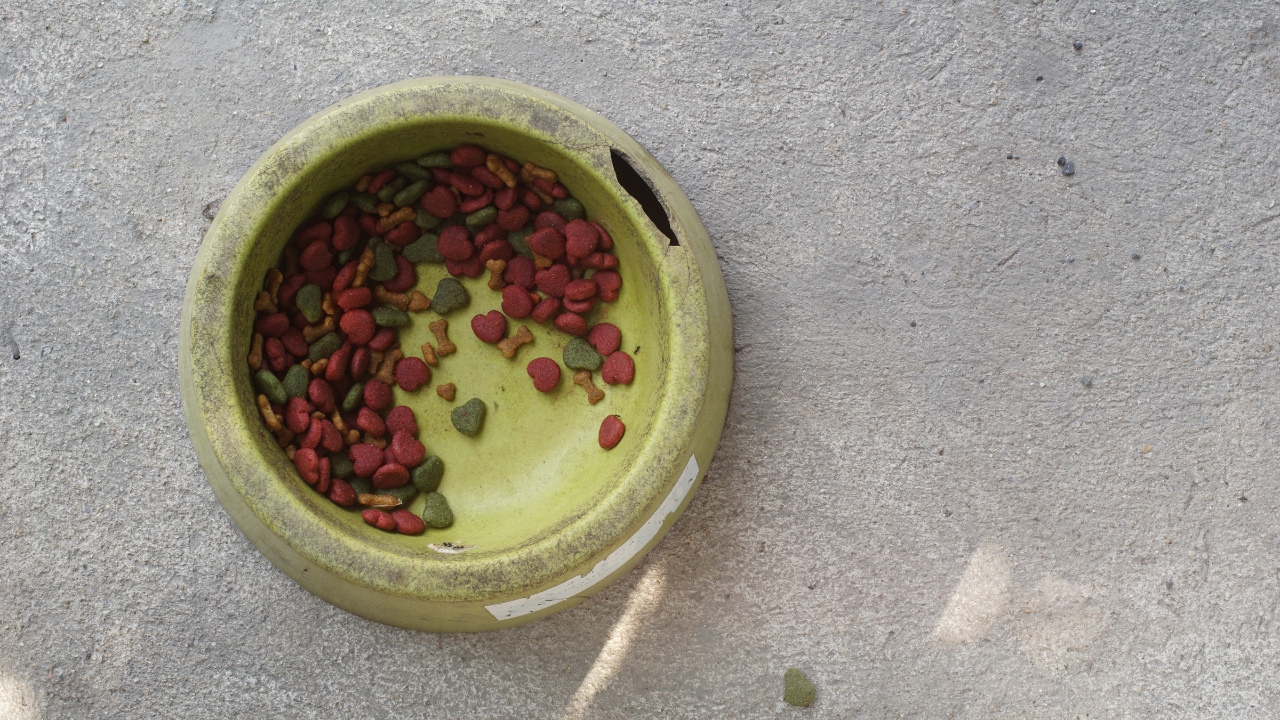
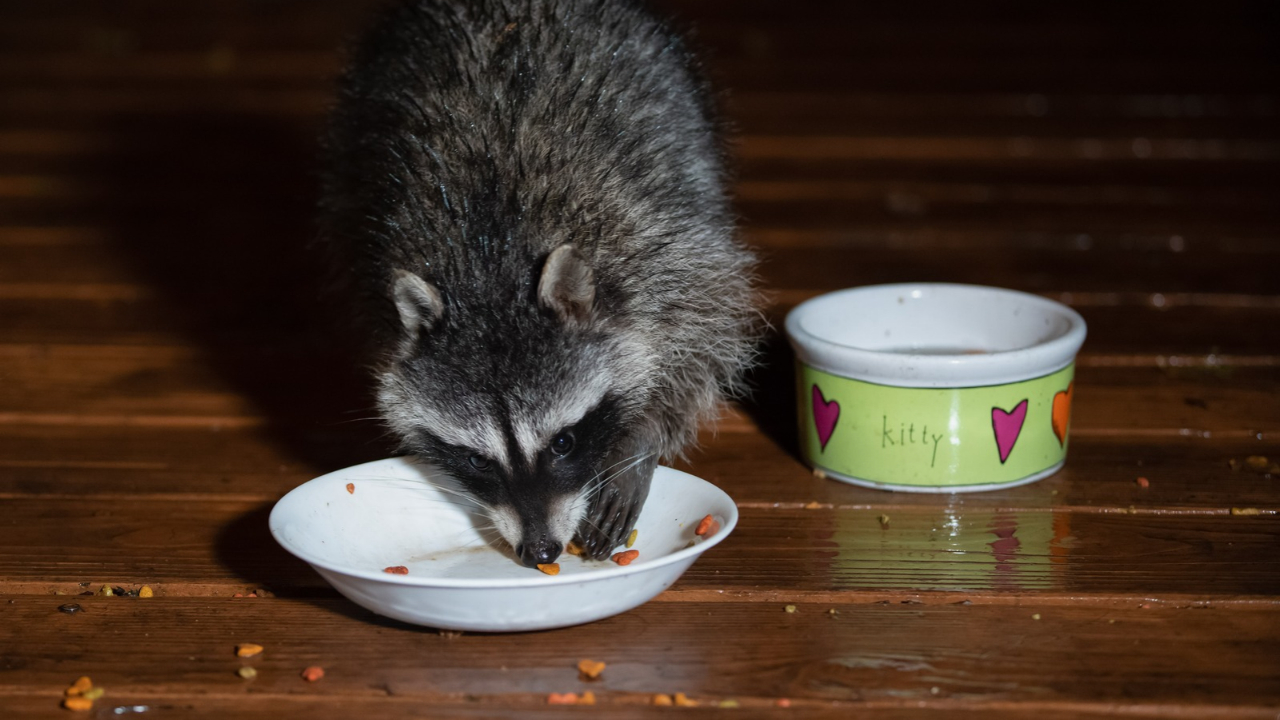
You put a bowl out for the barn cat or let the dog graze on the porch, and you just rang the dinner bell for everything with a nose. Raccoons, skunks, foxes, coyotes, and even bears in some areas will work a predictable food source like a job. Once they score a few meals, they’ll keep checking back, and they’ll start testing doors, screens, and corners.
Feed on a schedule, then pick bowls up before dusk. Store kibble in a hard container with a tight lid, metal is best, and keep it inside a shed or garage, not on the porch. If you have outdoor cats, a quick fix is feeding right before dark and pulling the dish 20 minutes later.
2. Loose Trash Cans And Food Scraps

Garbage is the easiest calorie pile you own. A tipped can sounds like a small riot at 2 a.m., and once critters learn the can is easy, they’ll come back even if you “mostly” clean up. Grease soaked boxes, meat trays, and bones are the big offenders, but even fruity compost can pull animals in from a long way off.
Use a can with a locking lid, or add a strap and a simple latch. Rinse stinky containers, double bag meat scraps, and don’t set trash out early if pickup is in the morning. If bears are part of your local reality, follow your county guidance for bear resistant storage and timing.
3. Chickens In Coops With Gaps
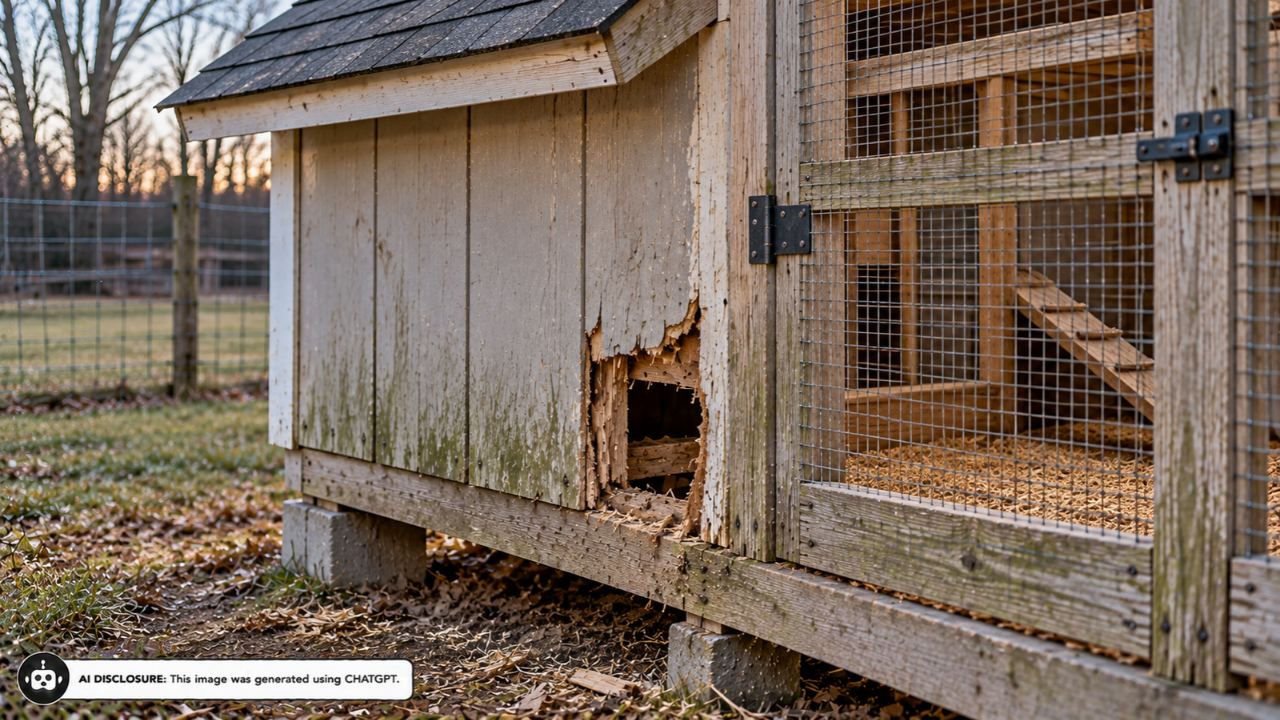
Predators don’t need a wide opening, they need a weak spot. A gap at the eave, soft rotted siding, or a loose vent cover turns into an all night pry bar project for a raccoon. Once something gets in, it can wipe out a flock in minutes and then come back the next night to finish the job.
Walk the coop at dusk with a bright flashlight and look for light leaking out through seams. Patch holes with hardware cloth, not chicken wire, and fasten it with screws and washers so it can’t be pulled off. If the framing is punky or the door is sagging, fix the structure, not just the latch.
4. Motion Lights Aimed Wrong Or Dead
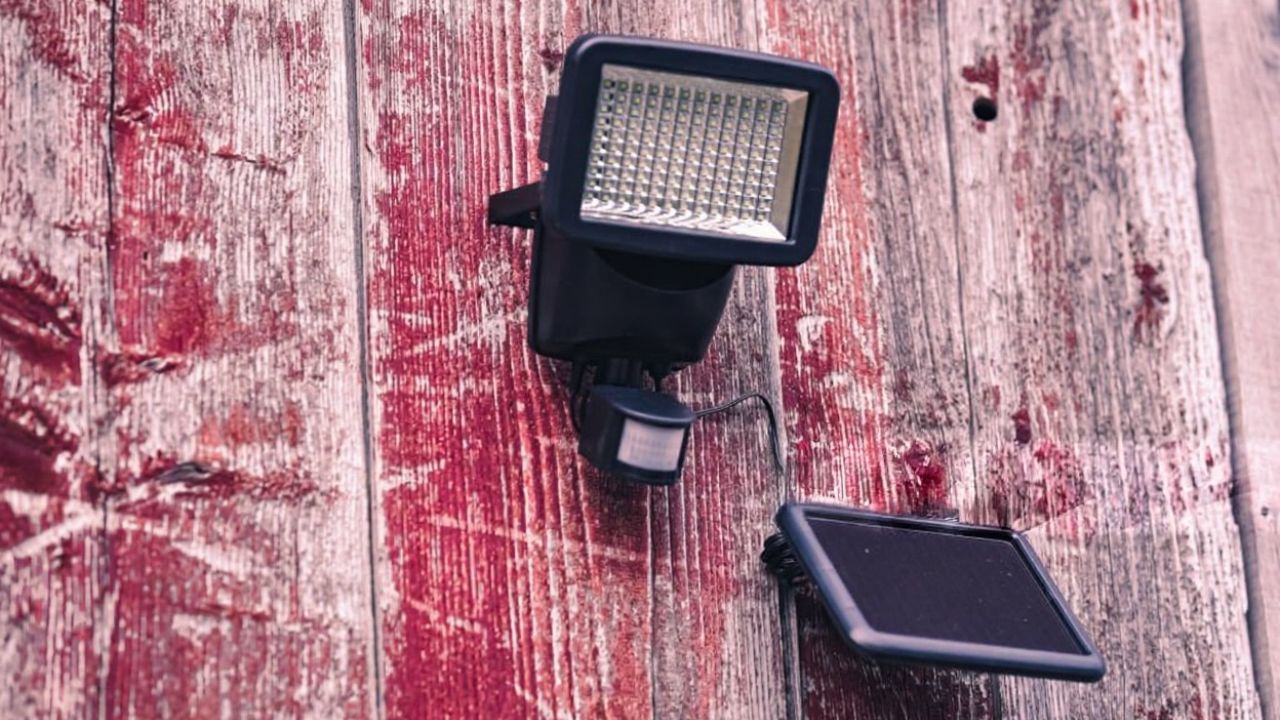
A lot of yards have motion lights that don’t do anything helpful. They’re aimed into tree branches, pointed at the road, or they quit working and nobody notices for a month. Predators like steady darkness, but they also like predictable lighting that only covers one strip of yard while the rest stays black.
Replace burnt bulbs, clean the sensor lens, and adjust the head so it covers the approach to your coop, pens, and trash area. Solar motion lights are fine for small spots if they get real sun, but cheap ones fade fast in winter. If you need dependable light near buildings, a wired fixture on a proper exterior box is worth it, and if you’re adding new wiring, hire a licensed electrician and follow local code.
5. Brush Piles And Tall Weedy Edges
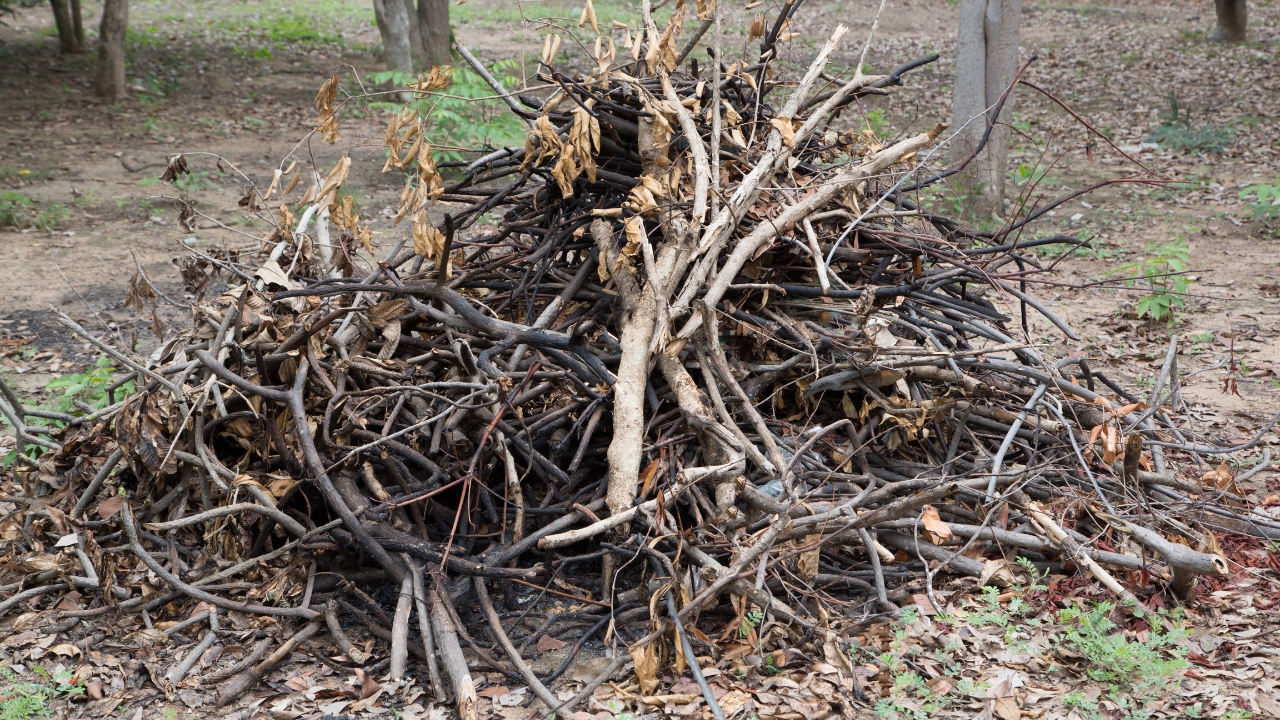
That “I’ll deal with it later” corner becomes a daytime hideout and a nighttime launch point. Predators don’t always den there, but they’ll use it for cover while they watch and listen. Tall weeds also boost rodents, and rodents bring snakes, owls, and everything else up the food chain.
Knock down tall growth along fence lines and around coops so you can see what’s moving. Stack firewood neatly, keep brush piles away from buildings, and haul limbs off or chip them instead of letting them sit. If you want a brush pile for wildlife, put it well away from livestock and the house.
6. Leaky Outdoor Faucets And Pet Water

In dry spells, water draws animals as hard as food. A dripping spigot makes a steady little puddle, and stock tanks and pet bowls give a nightly watering hole. You’ll notice more traffic during late summer drought and midwinter freezes when natural water sources are locked up.
Fix drippy hose bibs, even if it’s just a washer and five minutes with a wrench. Dump and refill pet water in the morning, not at night, and pull bowls closer to the house where you’ve got light and activity. If you use heated waterers, keep cords protected and use a GFCI outlet.
7. Fruit And Bird Seed Left On Ground

Windfall apples, dropped pears, and spilled bird seed look harmless until you see the tracks. Deer and rodents come first, then predators follow them. You also train animals to patrol your yard on a schedule, especially right after dusk when things quiet down.
Rake up fallen fruit every day during peak drop, or fence off the orchard area so it’s not right next to the coop. Use a tray under feeders, bring feeders in at night if your area is bad, and switch to less messy seed. An exception, a small feeder close to a busy window can be fine if you keep the ground clean and you’re not feeding right next to livestock.
8. Open Crawl Vents And Broken Skirting
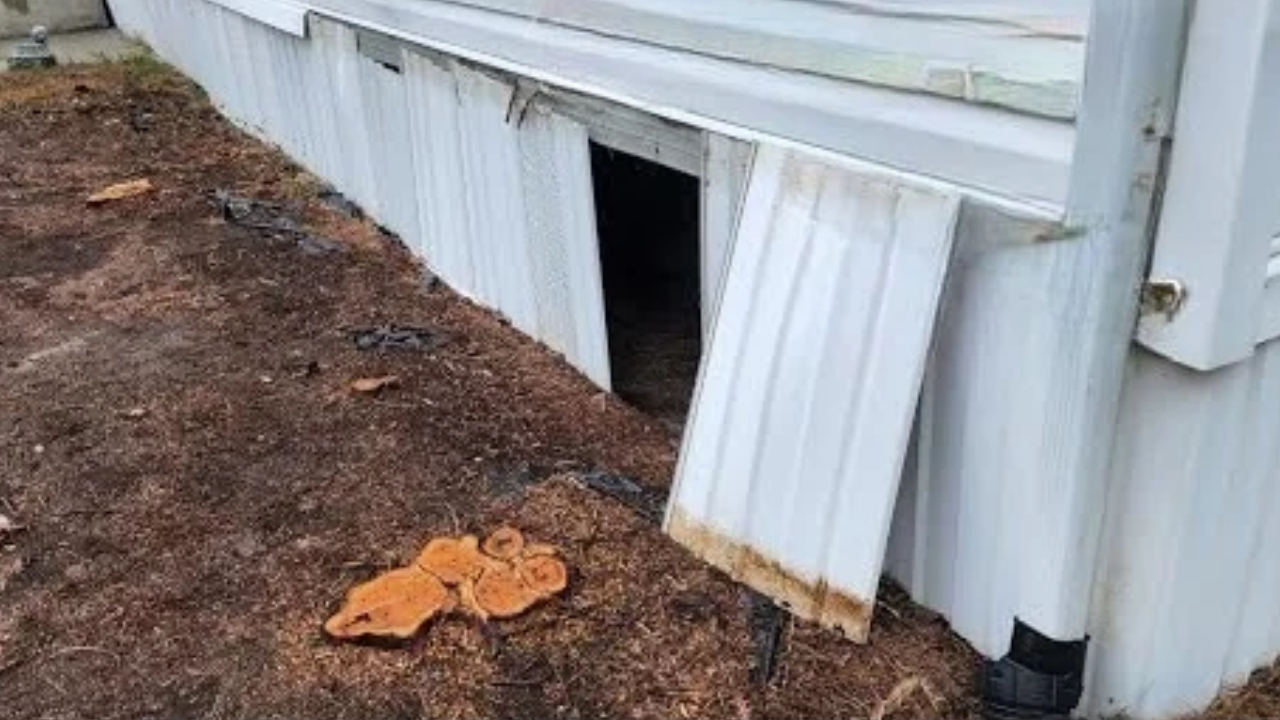
Small openings under a deck, shed, or mobile home skirting are real estate for skunks, raccoons, and feral cats. Once something moves in, you get the smell, the noise, and sometimes chewed wiring or torn insulation. It also puts a predator right under your feet, close to pets and poultry.
Replace broken vent covers and secure loose skirting before cold weather drives animals to find shelter. For repairs, hardware cloth backed by solid framing holds up better than thin plastic vent pieces. If you suspect something is already living under there, don’t block it in, call a local wildlife control service and then seal it up after it’s cleared.
9. Calving, Kidding, Or Afterbirth Left Out
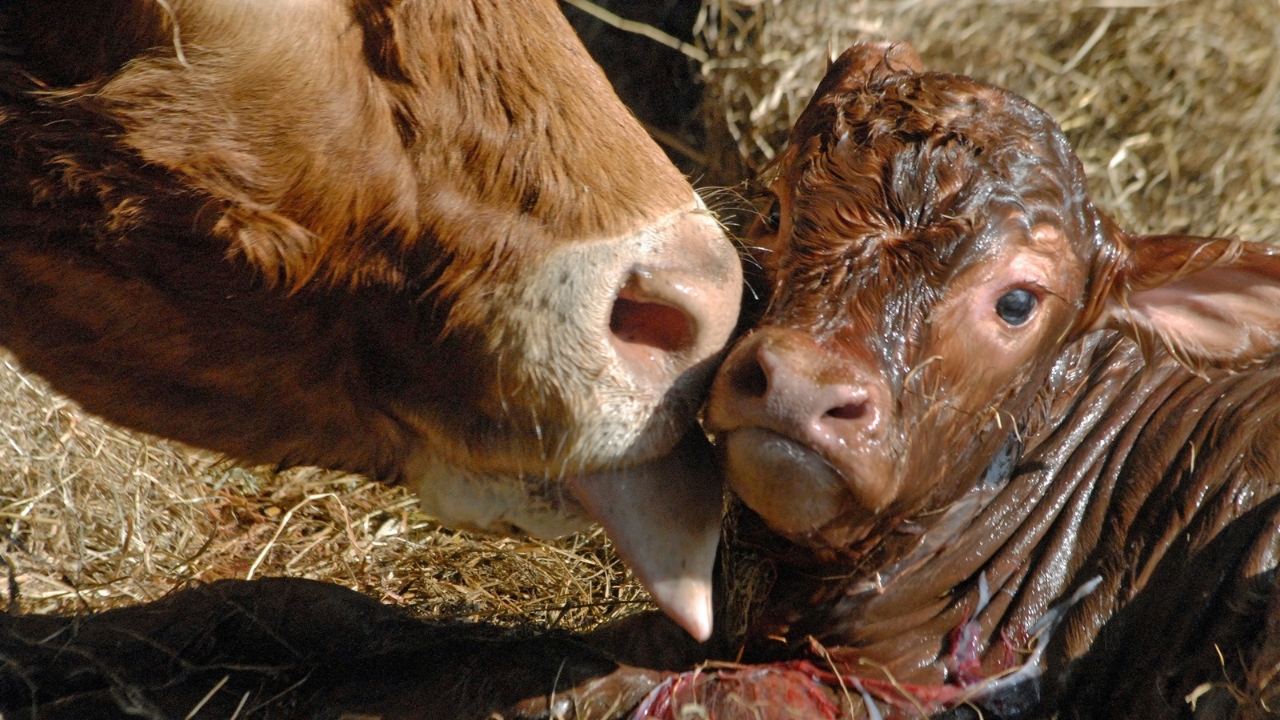
Spring is when a lot of folks get surprised. Birth fluids and afterbirth carry strong scent, and you can’t hide it with “it’ll break down.” Coyotes, dogs, and other scavengers will key on that smell and start checking the barn lot at night.
Clean birthing areas quickly, bag waste, and dispose of it the way your county recommends. Keep newborns and moms in a secure, well lit pen for the first nights when possible. If you compost manure, keep animal remains out of the pile unless you know the rules and have the setup to do it right.
10. Fences With Low Spots And Loose Gates
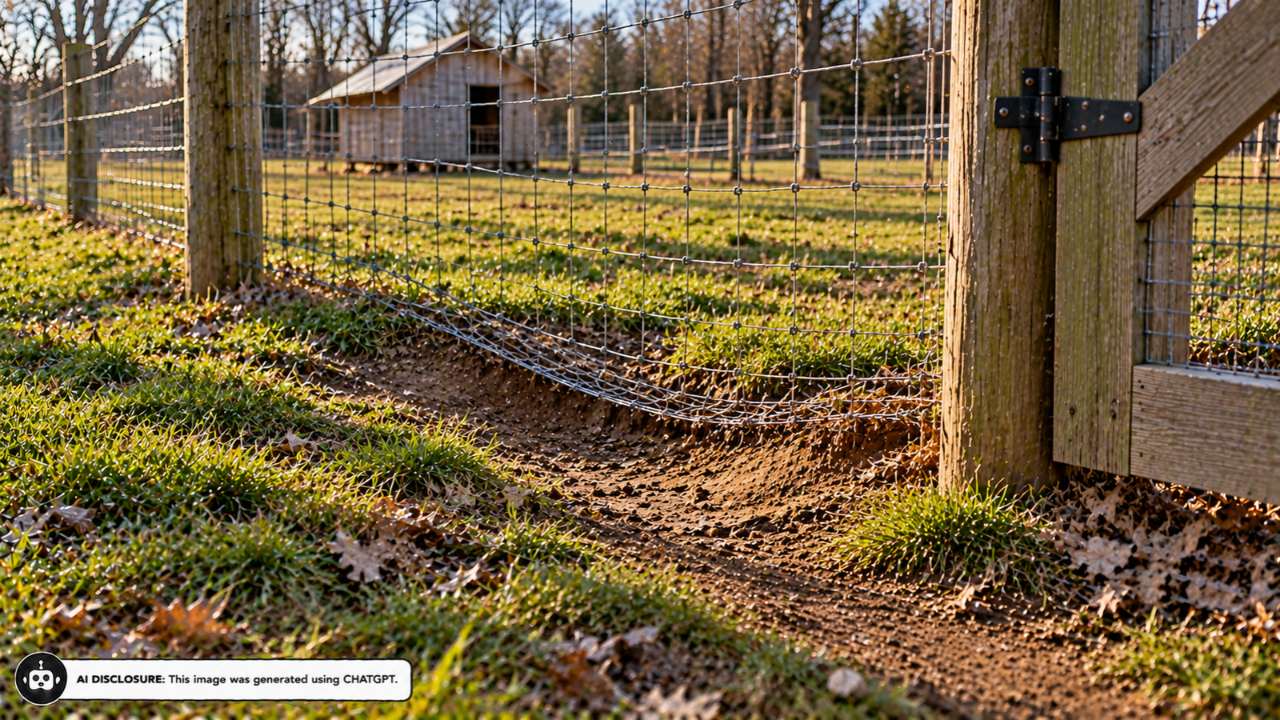
A fence doesn’t have to be destroyed to be useless. One low spot where the ground washed out, one gate that doesn’t latch tight, and predators will take the same route every night. You’ll see it first as a narrow trail and paw prints right at the weak point.
Walk the perimeter with a headlamp and tug on gates, posts, and wire, don’t just look. Fill washouts with rock and soil, tighten sagging wire, and add a ground board or apron where digging is common. If you’re installing new fence posts, call for a utility locate before digging and set posts to local frost depth so the line stays tight.
Predator pressure comes and goes with weather, food, and nearby development, so your setup needs to be boring and predictable in the best way. A quick night walk once a week, listening for rustling and looking for fresh tracks, catches most problems before they turn into losses.
Like Fix It Homestead’s content? Be sure to follow us.