10 Animals That Are Most Active at Dusk in Fall
Photo credit: Jeff Caverly/Shutterstock.com
Fall evenings feel quiet until the light starts to drain out of the trees. That’s when the yard and field edges wake up, and the animals that stayed hidden all day start moving. If you’ve got chickens, a garden, a compost pile, or a few acres, dusk is when small problems turn into missing feed, torn screens, and mysterious tracks by morning.
Knowing who’s active right around sundown helps you time your chores and tighten up weak spots. A lot of critters are just passing through, but some are shopping your place for an easy meal or a warm spot.
1. White-Tailed Deer Along Field Edges
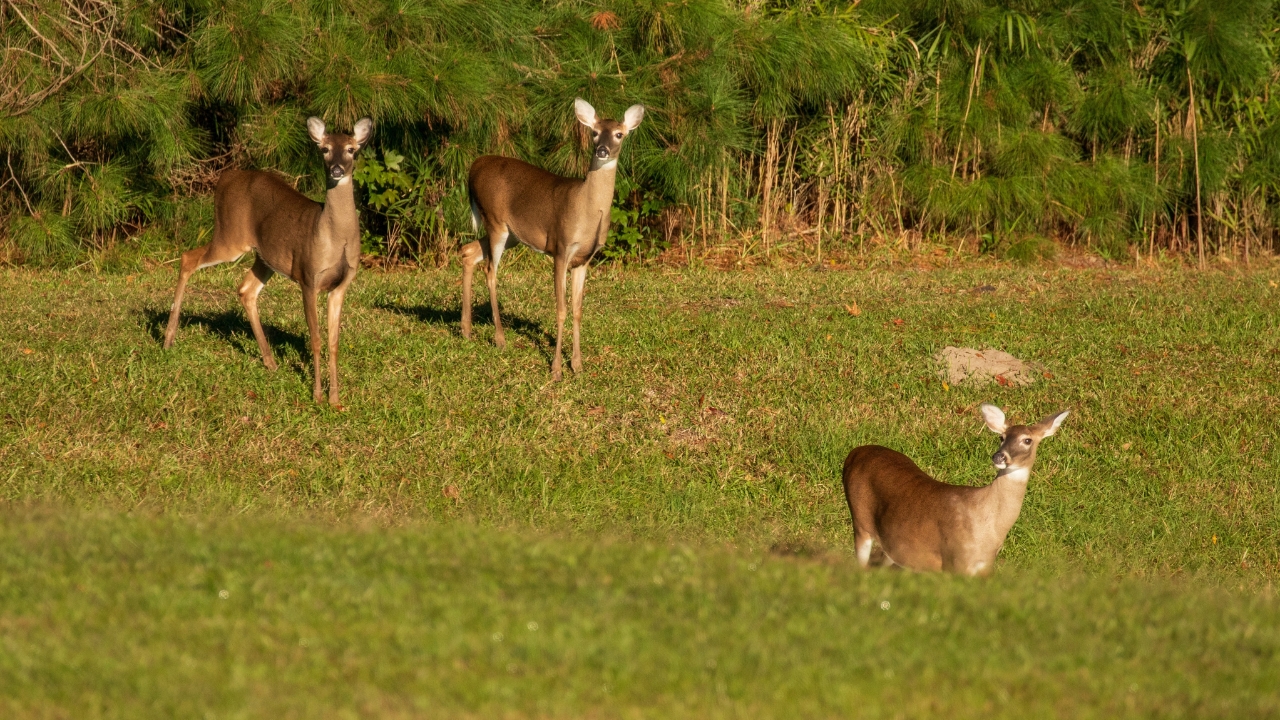
In fall, deer shift patterns with shorter days and changing food. They’ll step out at dusk to browse tender shrubs, garden leftovers, and low tree branches, then melt back into cover. If you’ve ever found hostas nipped down or young fruit trees stripped, dusk is often when it happens.
Protecting plantings is cheaper than replacing them. Use a real fence height that works, not a cute little border, and guard trunks with mesh if you’ve got saplings. If fencing isn’t in the cards, motion lights aimed at the browse line help some, but they work best when you also remove the “snack bar” by cleaning up fallen fruit and garden culls.
2. Raccoons Working Trash And Coops
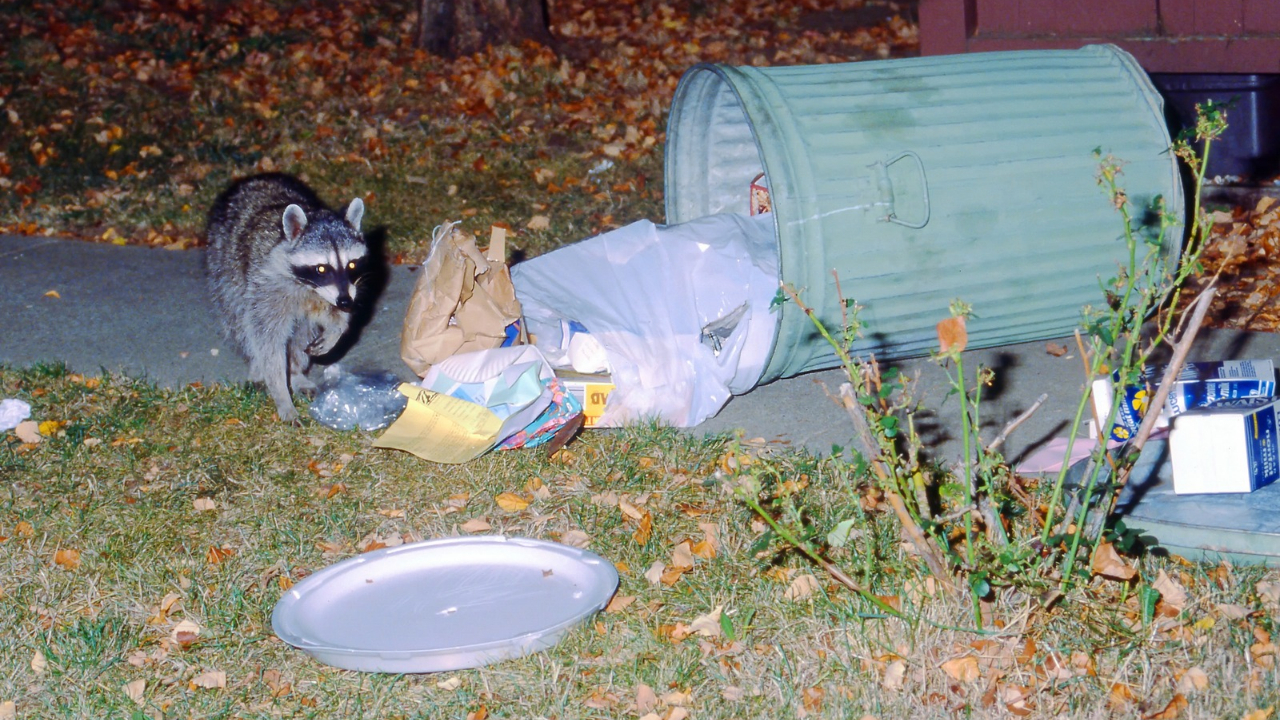
Raccoons are handsy and patient, and they love the timing of dusk. They’ll hit garbage cans, pet food on the porch, sweet corn patches, and chicken coops right as you’re finishing up supper. If you hear a lid clatter or see muddy little handprints on a window, don’t shrug it off.
Fixing it is mostly about hardware. Swap simple hook-and-eye latches for two-step latches or carabiners, and use 1/2 inch hardware cloth instead of chicken wire on coop windows. If raccoons have already learned your routine, start locking birds up a little earlier for a week or two so you’re not feeding the habit.
3. Skunks Sniffing For Grubs At Sundown
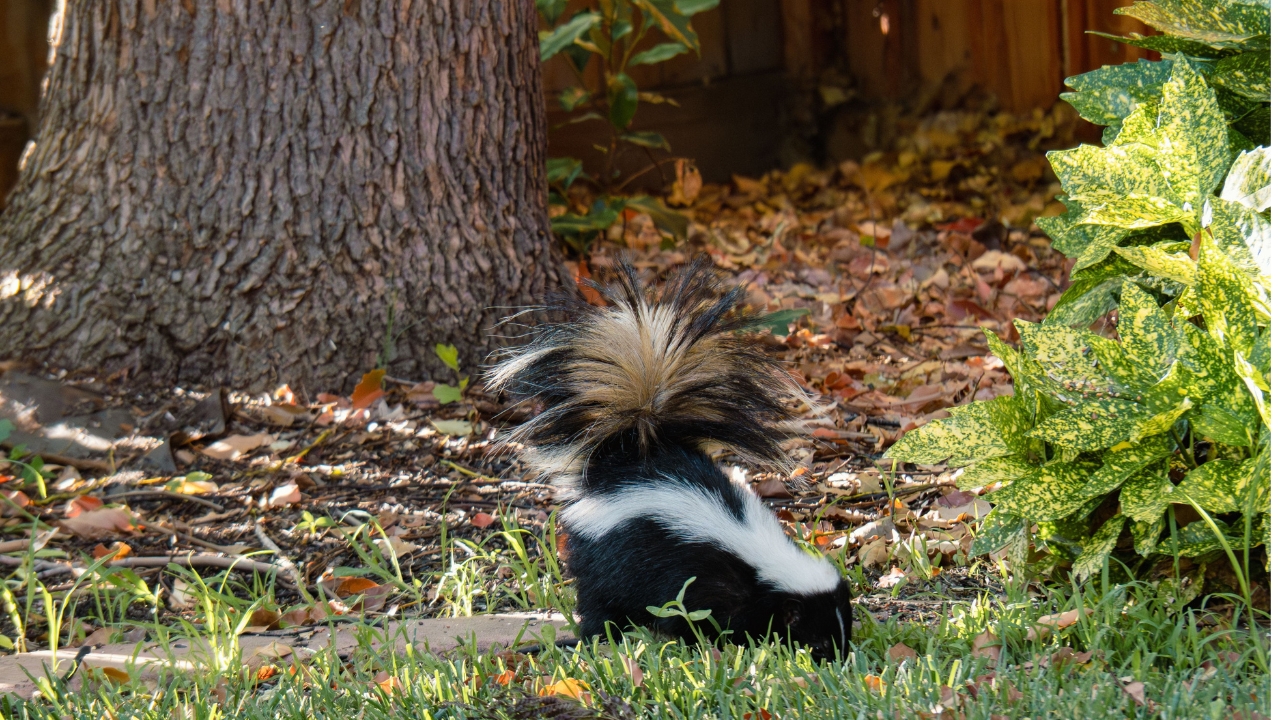
Skunks aren’t out to wreck your place, they’re out to eat. In fall they work lawns at dusk for grubs and insects, and the damage looks like small divots and rolled-back patches of sod. The smell risk goes up when a dog or a curious kid bumps into one near a step or woodpile.
Don’t start with traps and drama. Start with the food source by managing grubs, and keep fallen birdseed cleaned up. If a skunk is denning under a shed, that’s when you close off access, after you’re sure it’s empty, and with a plan that follows local wildlife rules.
4. Eastern Cottontails In Garden Rows
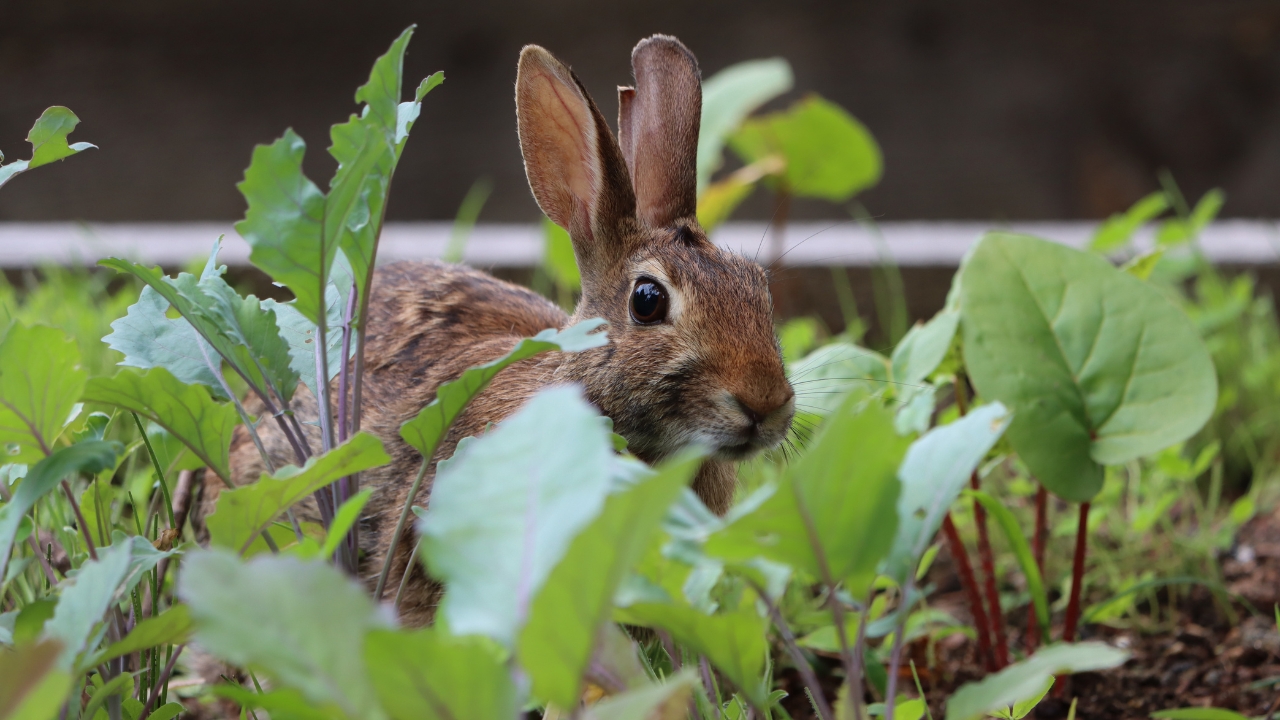
Rabbits feed heavy at dusk, especially when the first frosts knock back wild greens. They’ll chew seedlings, spinach, fall peas, and the low bark of young trees. The bite marks are clean and angled, like someone used pruners too low.
Chicken wire works fine here, and this is the honest exception where the cheaper option can be perfectly acceptable. Use 1 inch mesh, keep it tight to the ground, and flare it outward a few inches so they can’t just push under. For trees, wrap the trunk with a proper guard before snow stacks up and turns rabbits into “taller” animals.
5. Coyotes Circling At Last Light
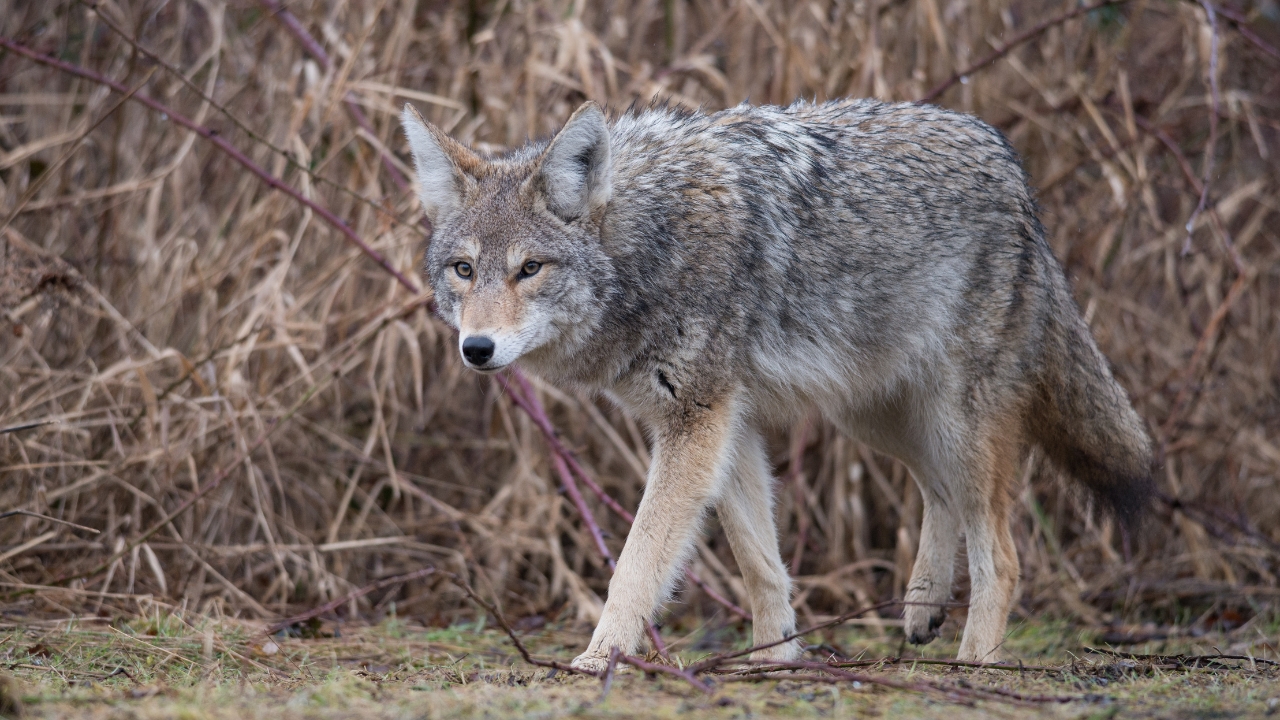
Right at dusk, coyotes start traveling edges, ditches, and logging roads. In fall, young ones are learning routes, and you’ll hear yips and howls more often. The problem shows up as missing barn cats, stressed small livestock, and birds that refuse to roost calmly.
Your fix is layered, not fancy. Bring small animals in before dark, keep feed locked up, and cut tall weeds around pens so nothing can creep up close. If you need fencing changes for livestock protection, that’s worth pricing out seriously, and it’s worth talking to your county office about legal control options instead of guessing.
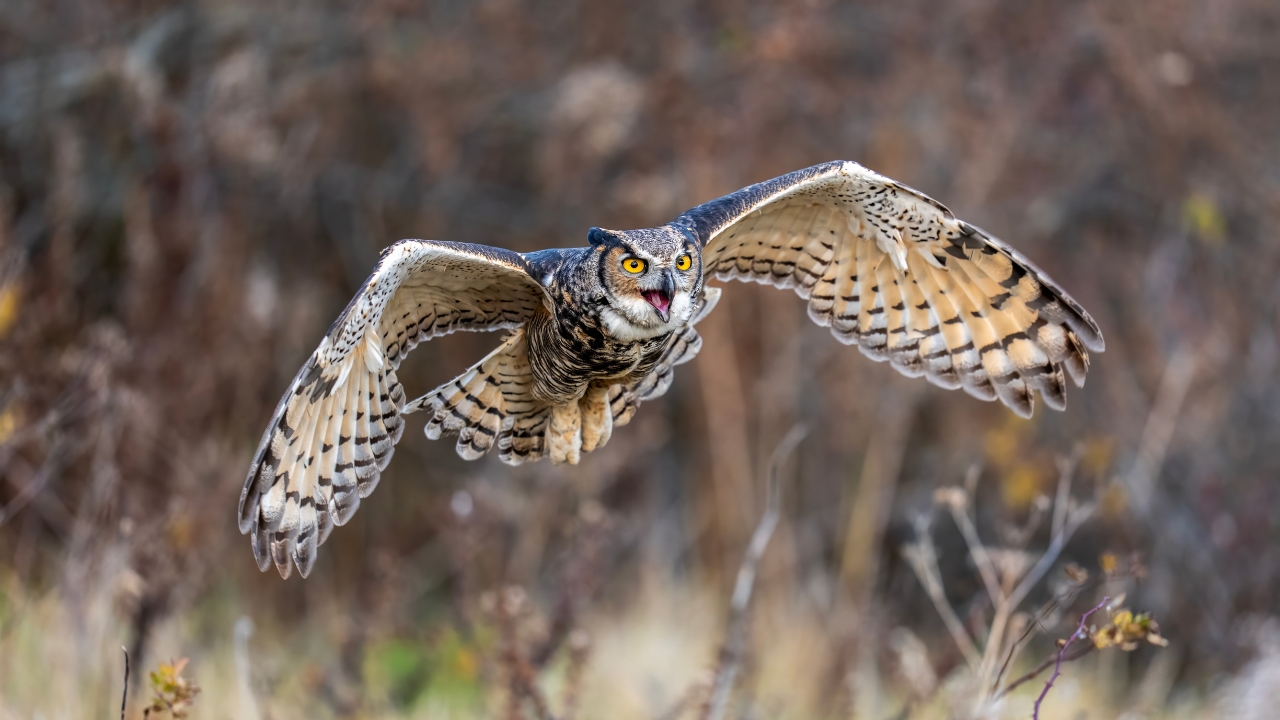
6. Owls Hunting Over Pastures
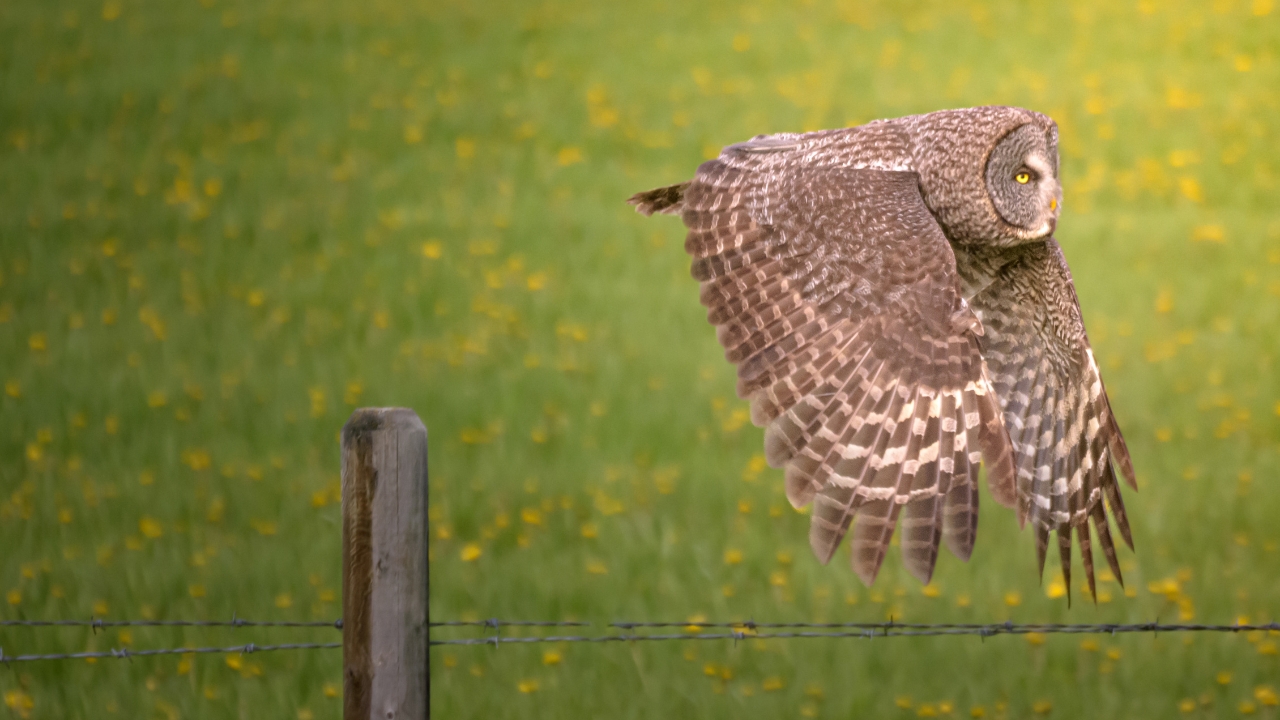
Owls go to work at dusk, sweeping fields and fence lines for mice and voles. Most of the time they’re a benefit, and you’ll just notice a silent shadow or hear a short call from the trees. Trouble starts when free-ranging chicks are still out or when birds roost where an owl can strike cleanly.
Lock young poultry up before the light is gone, and give adult birds a roost that isn’t wide open to the sky. If you use netting over a run, keep it tight and in good shape so it doesn’t sag into a snag hazard. Skip poisons for rodents if you can, since raptors eat the same mice you’re trying to kill.
7. Bats Working The Bug Line
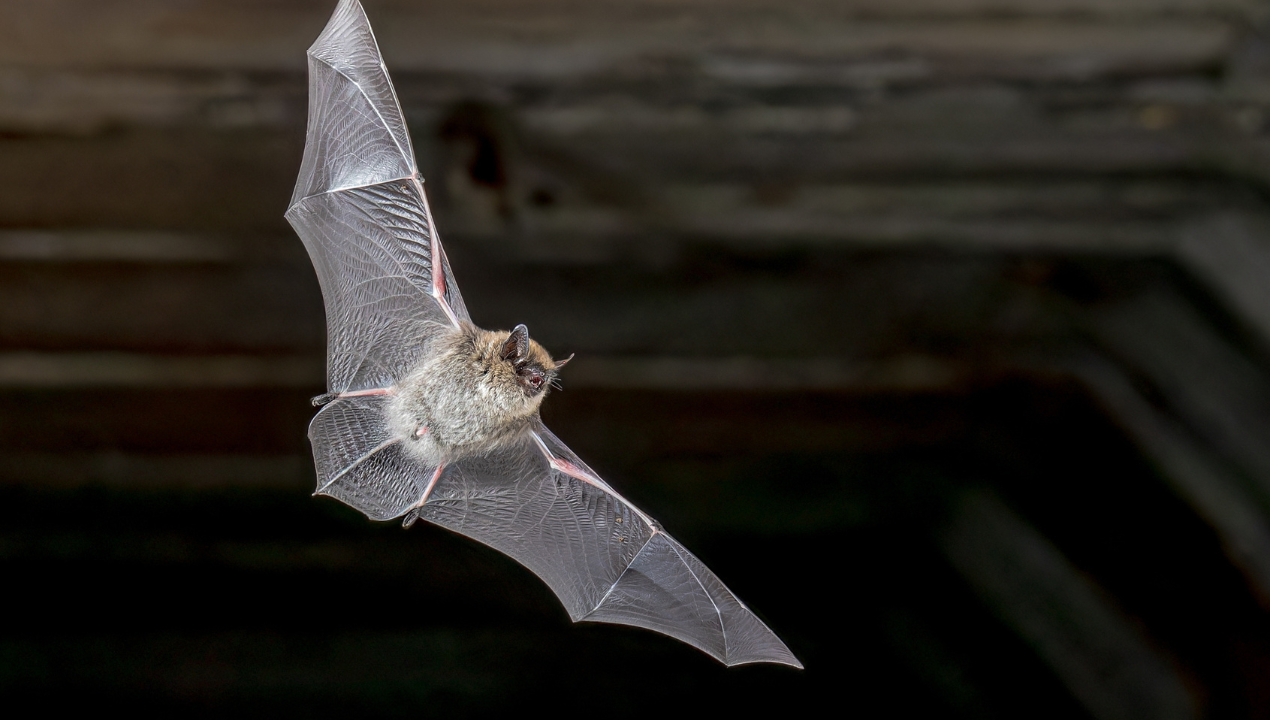
Dusk is bat time, and fall can bring a last push of insect activity before cold nights shut it down. Seeing bats over the yard is normal and usually helpful. The headache is when a bat finds its way into an attic or wall space through a gap that also leaks heat all winter.
Seal and screen, but do it the right way. A proper exclusion setup is the standard, and timing matters because you don’t want to trap animals inside. If you’re not confident on ladders or you’re dealing with high rooflines, call a wildlife control pro. It’s cheaper than a fall through rotten soffit.
8. Red Foxes Cruising Fencelines
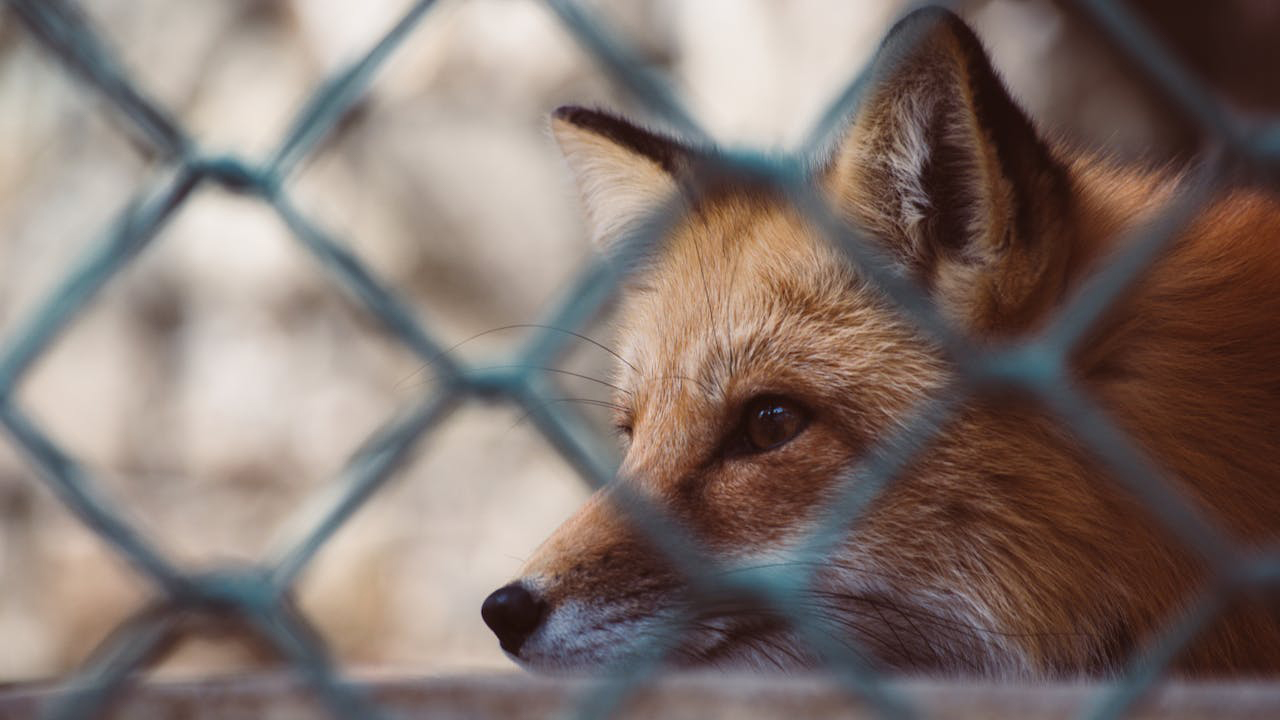
Foxes tend to move at dusk with a quiet, efficient trot, checking the same paths night after night. In fall they’re hunting rodents and scouting easy meals. If you’ve got chickens that sleep low or a coop with a loose corner, a fox will find it.
Focus on the basics that stop digging and squeezing. Bury hardware cloth as a skirt around the run, or pin it down with landscape staples and rocks if digging a trench isn’t realistic. If you let birds free-range, make it a daylight-only deal, because dusk is when that risk spikes fast.
9. Wild Turkeys Roosting Near Open Fields
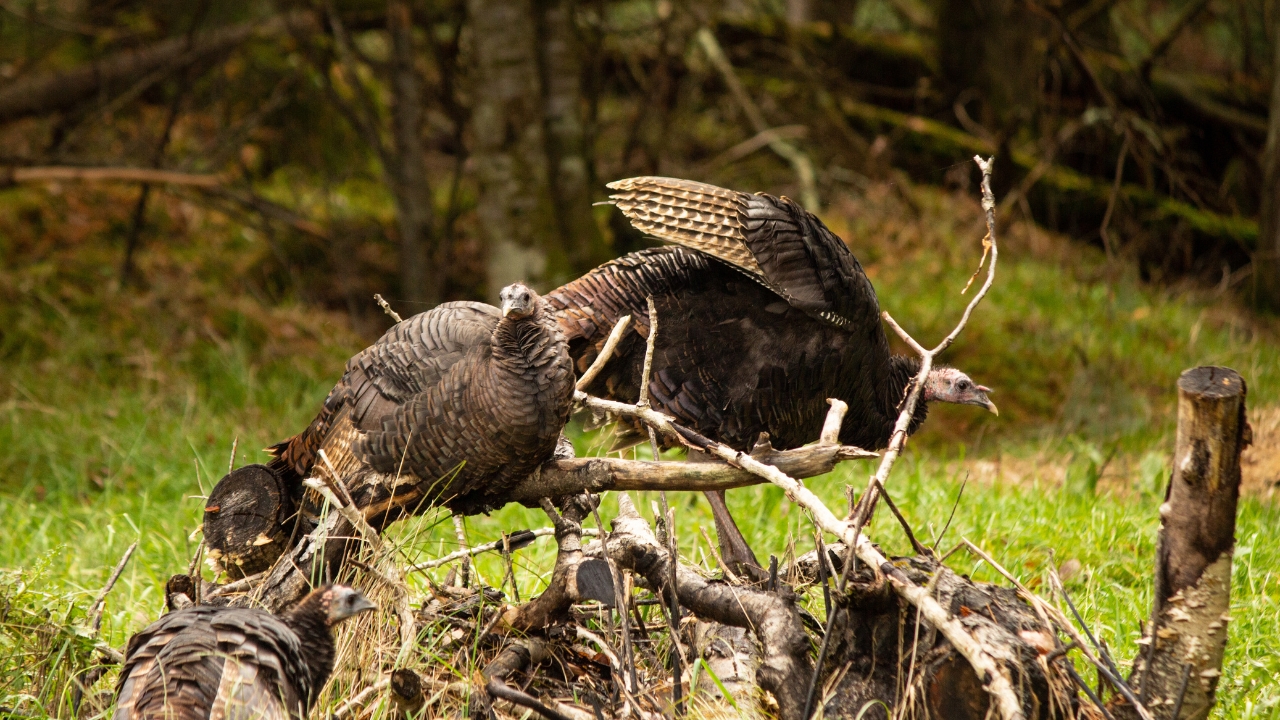
Turkeys get busy at dusk because they’re looking for safe roosts. You’ll see them funnel out of fields and hop up into tall trees in a hurry once the light drops. If they pick trees over your driveway or near equipment, the mess and noise show up overnight.
You usually don’t need to “fix” turkeys, but you can steer them. Don’t leave grain spills, scratch feed, or uncovered compost where flocks can build a habit. If they’re becoming a real nuisance, check local rules before trying to move them along, since wildlife laws vary a lot by area.
10. Opossums Cleaning Up After Dark
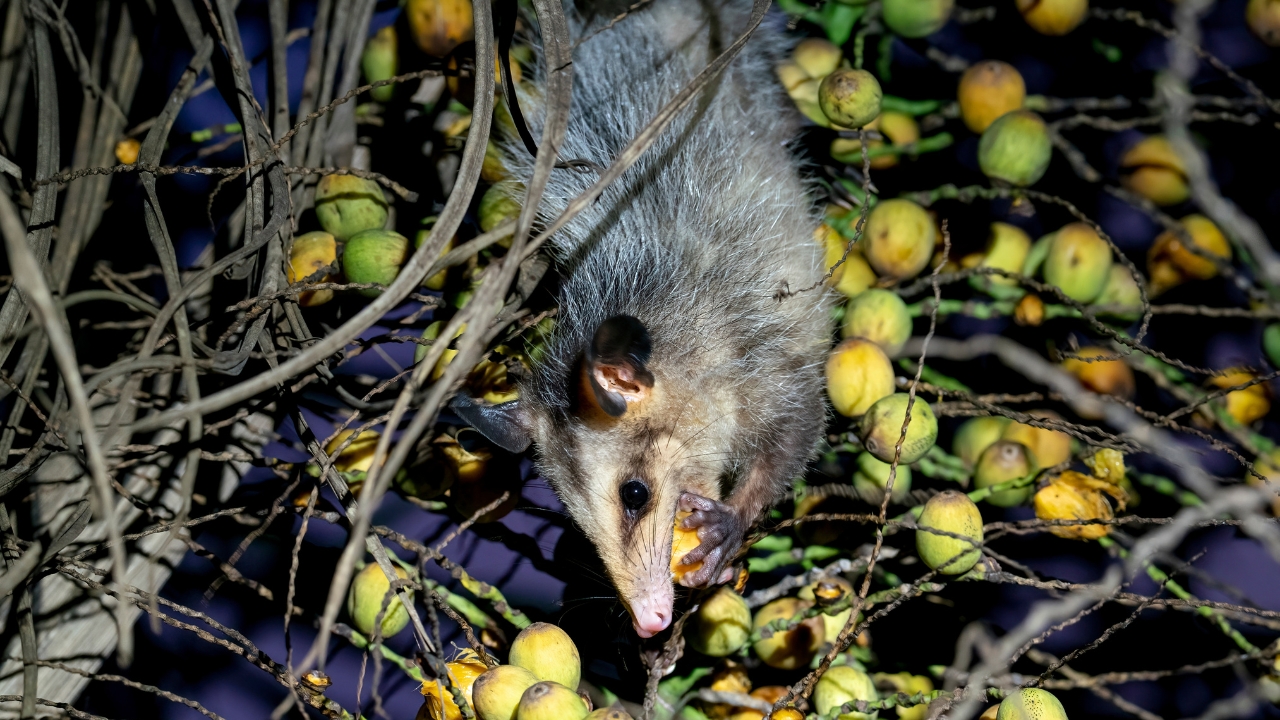
Opossums start moving at dusk and they’ll work slow, nosing through compost, fallen fruit, and pet food bowls. They look alarming when cornered, but they’re mostly cleanup crew. The real issue is that they’ll squeeze into small gaps under decks or sheds and set up a stinky hangout.
Pick up food at night and close off access points with welded wire or hardware cloth. If one is getting into a coop, tighten the latch and patch holes, because opossums don’t need a big opening. When you’re not sure what’s getting in, sprinkle a light layer of flour near entry spots at dusk and check tracks in the morning.
Fall dusk goes fast, so time your rounds earlier than you think you need to. Shut coop doors, pull feed inside, and take a quick walk along fence lines while there’s still color in the sky. You’ll catch the easy fixes before the night shift clocks in.
Like Fix It Homestead’s content? Be sure to follow us.