10 Signs of an Active Den Near the House
Photo credit: HSnow/Shutterstock.com
Most wild critters don’t want to be near your place, until you give them a reason. A dry hideout, easy food, and a quiet corner will pull them in fast, and once a den is active you can end up with chewed wiring, dead grass, sick pets, or a nasty surprise when you’re taking out trash at night.
Spotting the signs early lets you fix what attracted them and decide if you can push them out yourself or if it’s time to call a pro. Pay attention to what changes week to week, not just what you notice once.
1. Freshly Dug Holes With Loose Soil
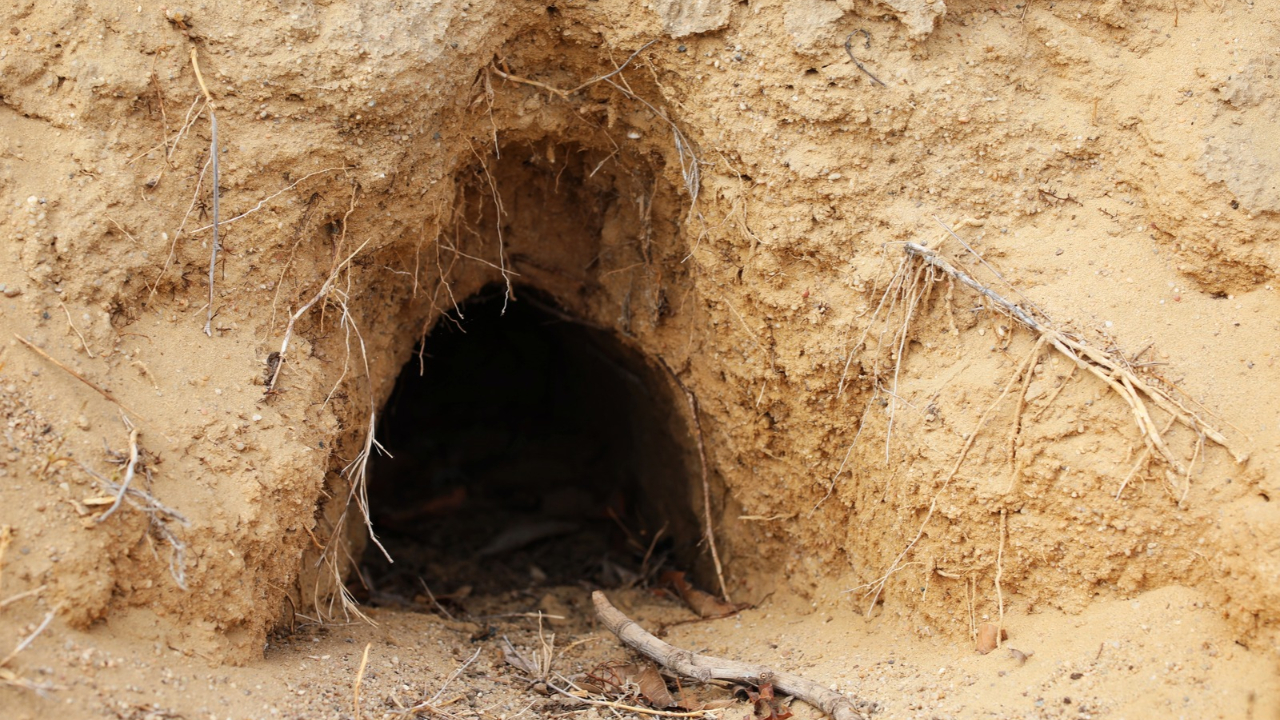
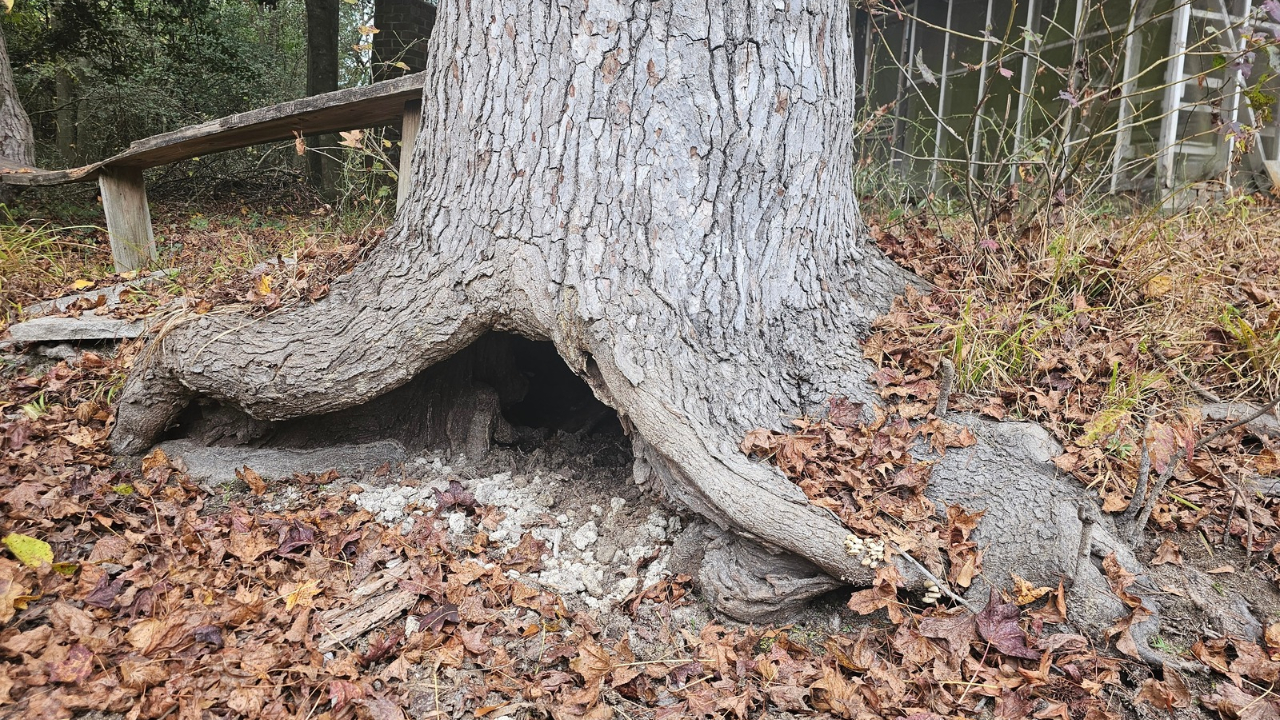
A den entrance usually looks like clean, thrown dirt, like somebody used a small shovel and didn’t bother to rake after. The hole stays open day after day, and you’ll see new soil after rain or wind because something keeps coming and going. Old abandoned burrows slump in, grow weeds, and don’t have that sharp edge.
Don’t stomp it closed and call it done. First, figure out what’s using it by looking at hole size and location, then remove the draw, pet food, birdseed spills, compost scraps, fallen fruit. If the hole is right under a step, shed slab, or foundation edge, skip the DIY wrestling match and call wildlife control, digging near structures can turn into a bigger repair fast.
2. A Beaten Path Through Grass
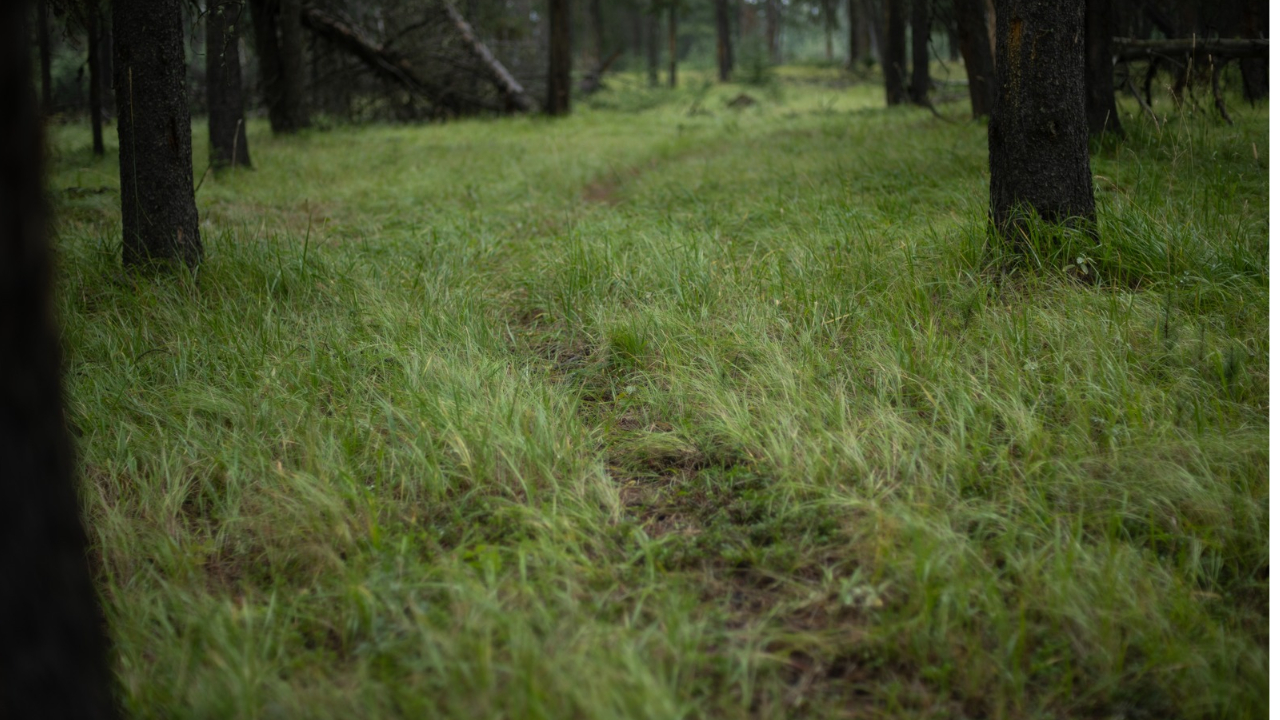
When an animal is commuting the same route every night, it wears a thin trail that looks like a kid cut across your yard all week. Grass lays down, leaves get brushed aside, and in winter you’ll see a narrow track in snow leading to one spot. This is one of those signs that shows up before you ever see the animal.
Cut off the easy route. Trim brush, move stacked junk, and block the path with temporary fencing or a row of staked hardware cloth while you fix the real issue. If the trail runs tight along your foundation, check for gaps under decks and porches, because that’s often where the path ends.
3. Strong Musky Odor Near One Spot

If you walk by the same corner and it hits you every time, pay attention. A den area can smell like urine, wet dog, or a skunky musk even when everything looks normal. On warm days the smell gets louder, and after rain it can come back hard.
This one isn’t just unpleasant, it can mean the animal is marking, nursing young, or bedding there regularly. Don’t spray perfume and hope. Start with cleaning what you can reach, then address why that spot stays attractive, standing water, rotting boards, a crawlspace vent that’s open, a trash can that tips. If the odor is inside a wall, attic, or crawlspace, that’s usually pro territory because removal and sealing need to happen in the right order.
4. Nighttime Scratching Under Floors Or Decks

You’ll hear it when the house settles down. Scrape, rustle, a thump, then silence when you turn on a light. Under a deck it can sound like raking leaves with a stick, and under a floor it can sound like someone tapping on the joists.
Don’t start ripping boards off at midnight. Walk the perimeter in daylight and look for an entry point, a lifted skirting panel, a gap where the deck meets the house, a broken vent cover. A cheap trail camera aimed at the opening for a couple nights can save you a lot of wrong guesses and wasted effort.
5. New Droppings Concentrated Near An Opening
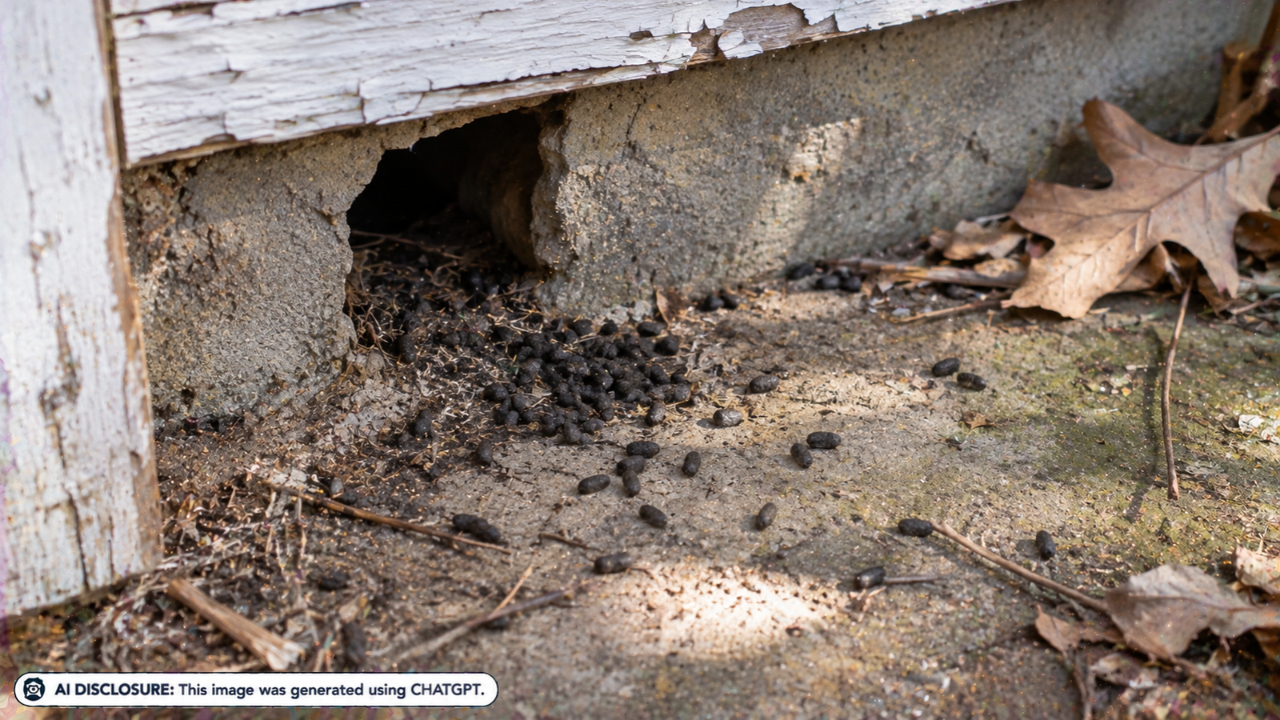
Scattered droppings can mean a quick pass-through. A little pile near a hole, under a deck corner, or along a wall usually means a home base. Fresh droppings look moist or shiny and show up again after you clean them.
Wear gloves and a dust mask when you clean, and wet the area first so you’re not kicking dust into the air. Then fix access and food, because cleaning alone just resets the clock. If droppings are inside ducts, insulation, or a crawlspace with low clearance, hire it out, that cleanup gets messy and you don’t want to miss contaminated spots.
6. Grease Marks On Siding Or Foundation
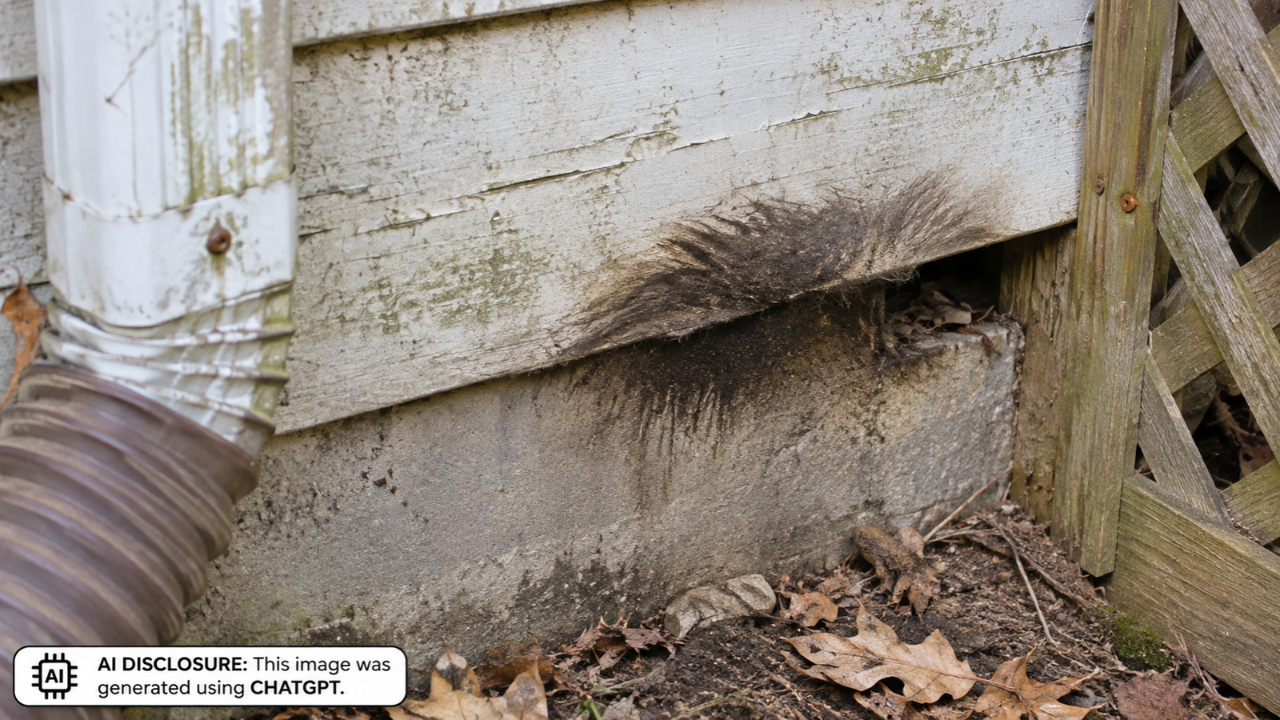
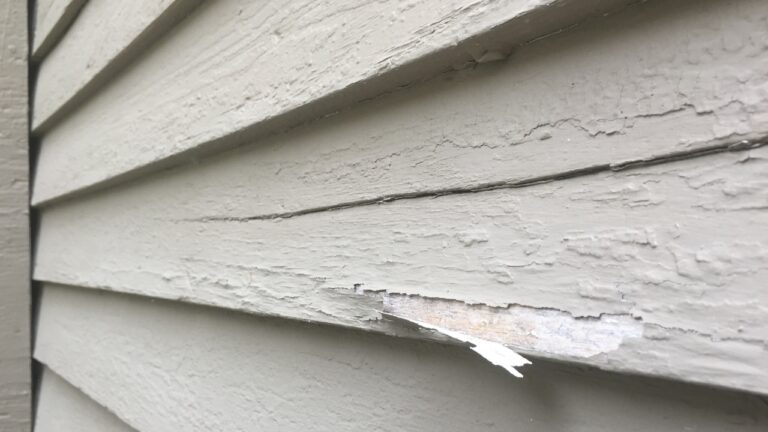
Some animals leave a dark rub line where they squeeze through the same gap over and over. It looks like smudged dirt, but it doesn’t hose off easily because it’s body oil mixed with dust. You might see it on a downspout, along a basement window well, or on deck lattice.
Clean the mark so you can tell if it comes back, then close the gap for real. Spray foam by itself is not a real barrier outdoors, it gets chewed and crumbles in sun. Use metal flashing, mortar, or hardware cloth attached with screws and washers, and leave room for drainage and ventilation where it’s needed.
7. Pets Fixated On One Patch Of Ground
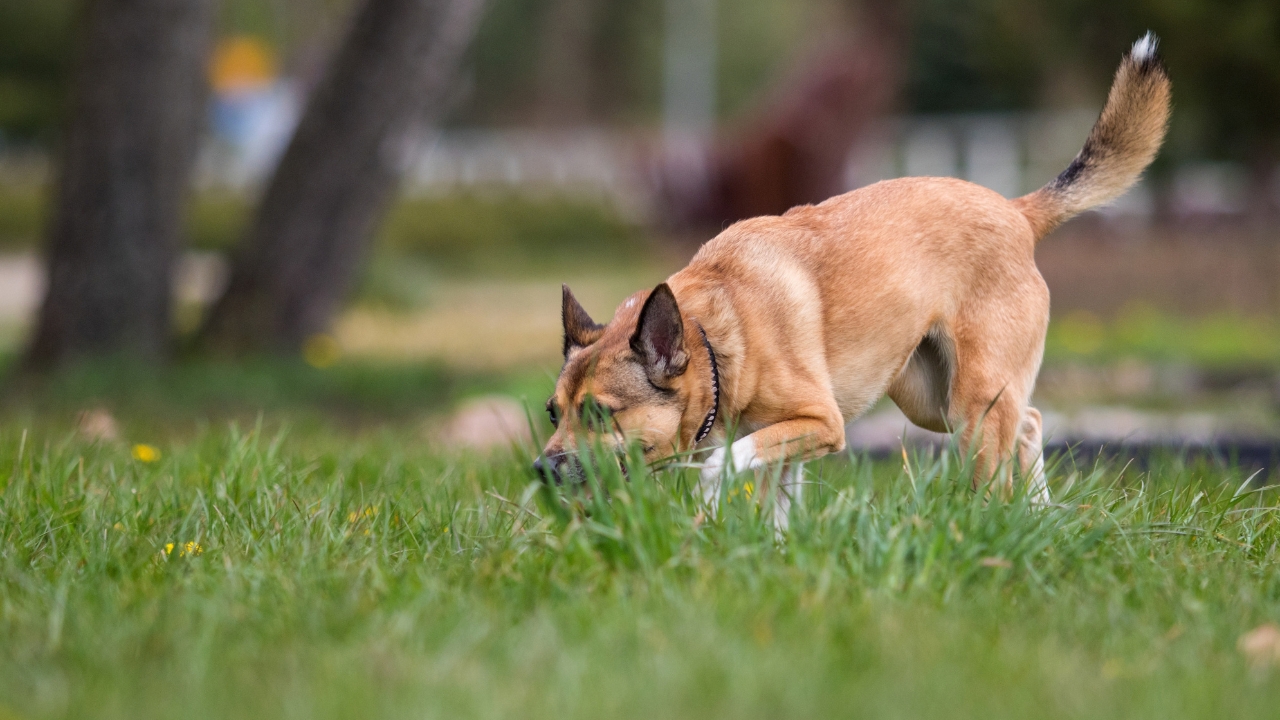
Does your dog keep nosing the same shrub and whining, or does your cat sit and stare at the same deck corner? That behavior shift is often your early warning. Pets hear and smell things you’ll miss, especially if the den is active at night.
Take the hint, but don’t let your pet “handle it.” Leash your dog in that area and keep cats indoors until you know what’s there. Then inspect for an entrance, and if you find one, start with exclusion and cleanup, not a fight in a tight space where something cornered can bite.
8. Chewed Wires, Hoses, Or Soft Plastic
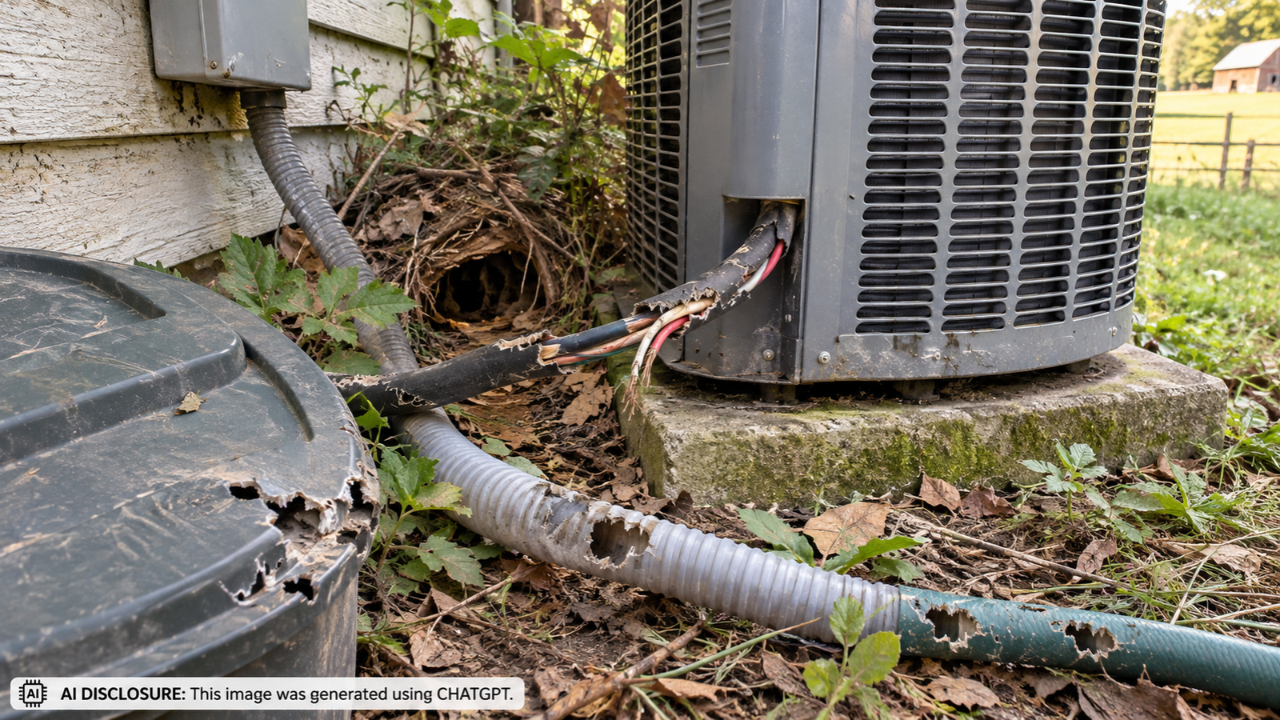
When chewing shows up on drip lines, sprinkler heads, garbage can lids, or the wiring under outdoor HVAC units, you’re looking at more than random damage. Animals denning nearby will keep returning, and they’ll keep testing anything with a smell or a texture they like. The cost here adds up fast, especially if you lose an AC call or short out a pump at the wrong time.
Fix the damage, then protect what’s left. Use split-loom conduit or metal mesh guards where it makes sense, and tidy up so there aren’t cozy cover spots right next to equipment. If you suspect chewing on house wiring, shut off the circuit and call an electrician, that’s not a “wait and see” problem.
9. Dirt Or Leaves Pushed From A Crawlspace Vent
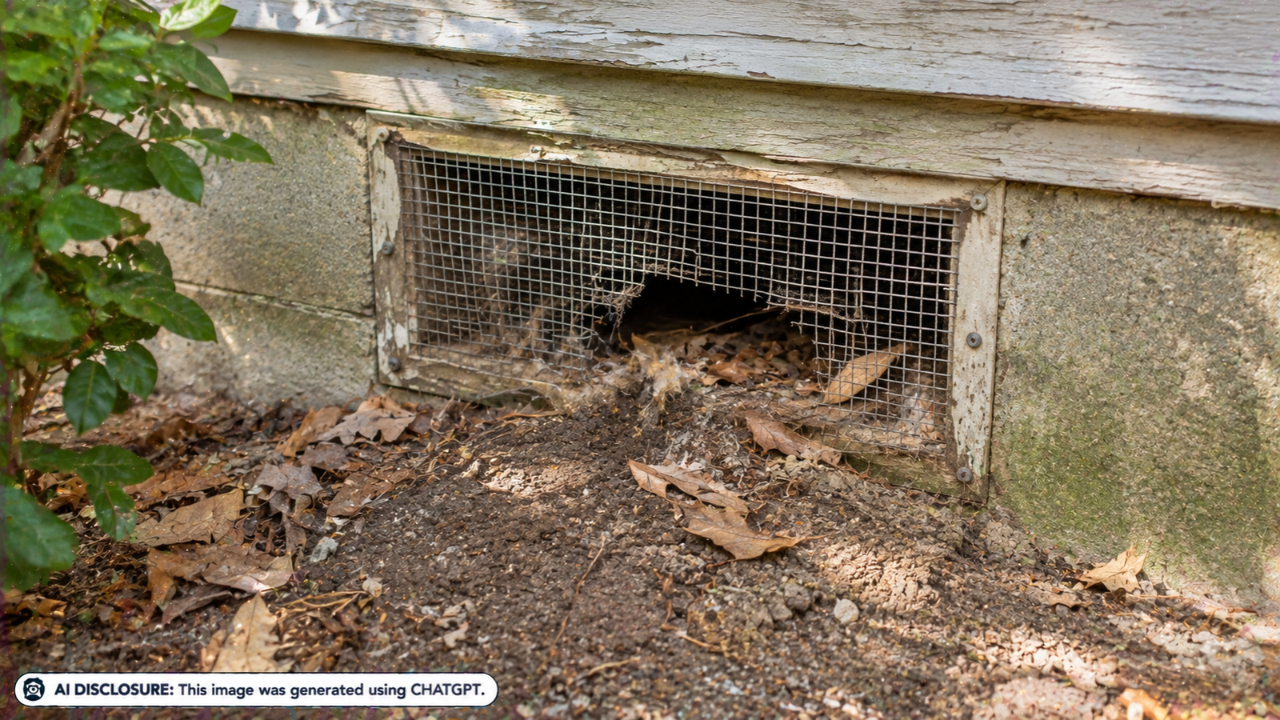
A vent cover can look fine from a few steps away, but a closer look shows nesting material caught in the mesh, or a little fan of leaves and soil right below it. That’s a common sign of traffic through the vent, or something bedding just inside. It shows up a lot in fall when critters are looking for winter shelter.
Replace broken screens with proper metal vent covers and fasten them with screws, not staples. Keep plants and mulch pulled back so vents aren’t hidden behind growth. If you need to dig to repair a damaged vent well or add a buried barrier, call 811 or your local utility locate service first, shallow lines run closer than you think.
10. Daytime Sightings Near The Same Spot
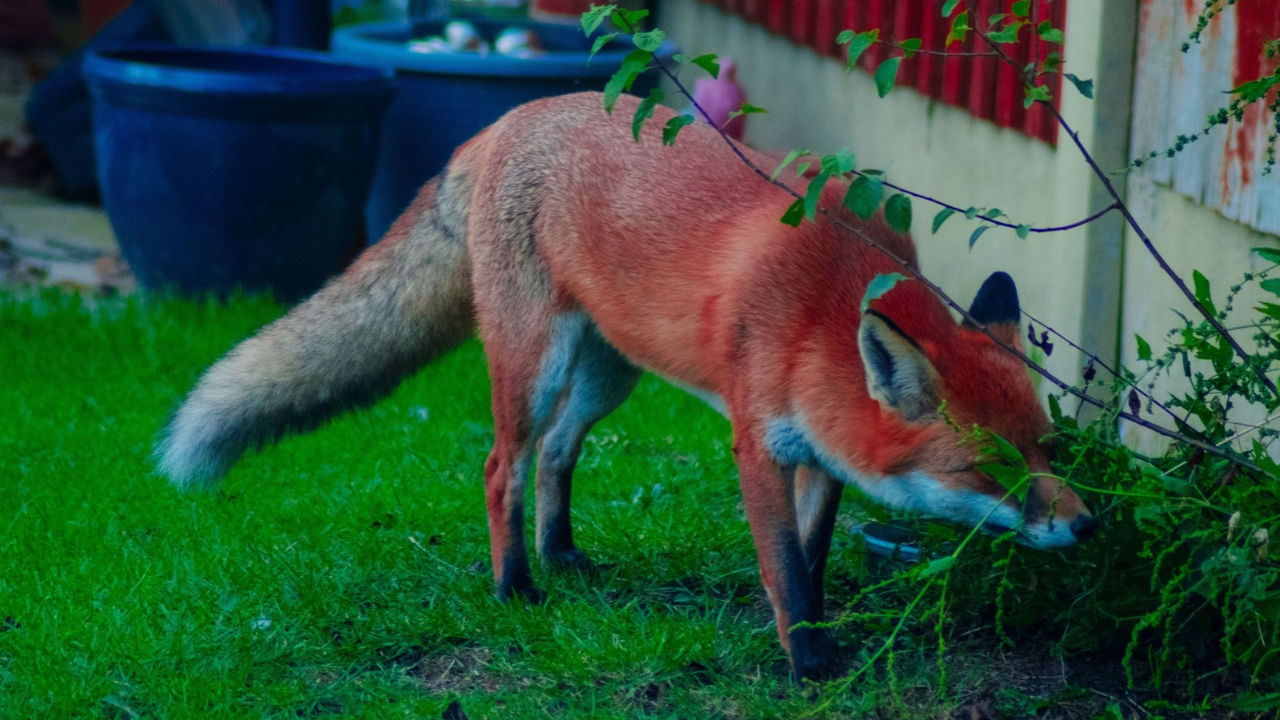
Seeing an animal once doesn’t mean much. Seeing one come out of the same area in daylight, or watching it head straight for one corner of your place, is different. Daytime activity can mean the den is close, there are young, or the animal is used to people.
An honest exception: in some areas, daytime rabbit or squirrel activity is normal, and you don’t need to panic if there’s no damage and no den sign. But if the animal looks bold, hangs around your foundation, or keeps returning after you chase it off, move past noise tricks. Seal entry points, remove food sources, and if it’s a larger animal under a structure, pay for a licensed wildlife pro so you don’t end up with a trapped animal and a torn-up building.
If you confirm active use near the house, act fast but don’t rush blind. Fix what’s attracting the animal first, then block access with materials that last outdoors. If there’s any chance young are involved or the den is under a slab, porch, or inside a wall, that’s a solid time to bring in help.
Like Fix It Homestead’s content? Be sure to follow us.