10 Things Worth Keeping in a Barn First Aid Kit
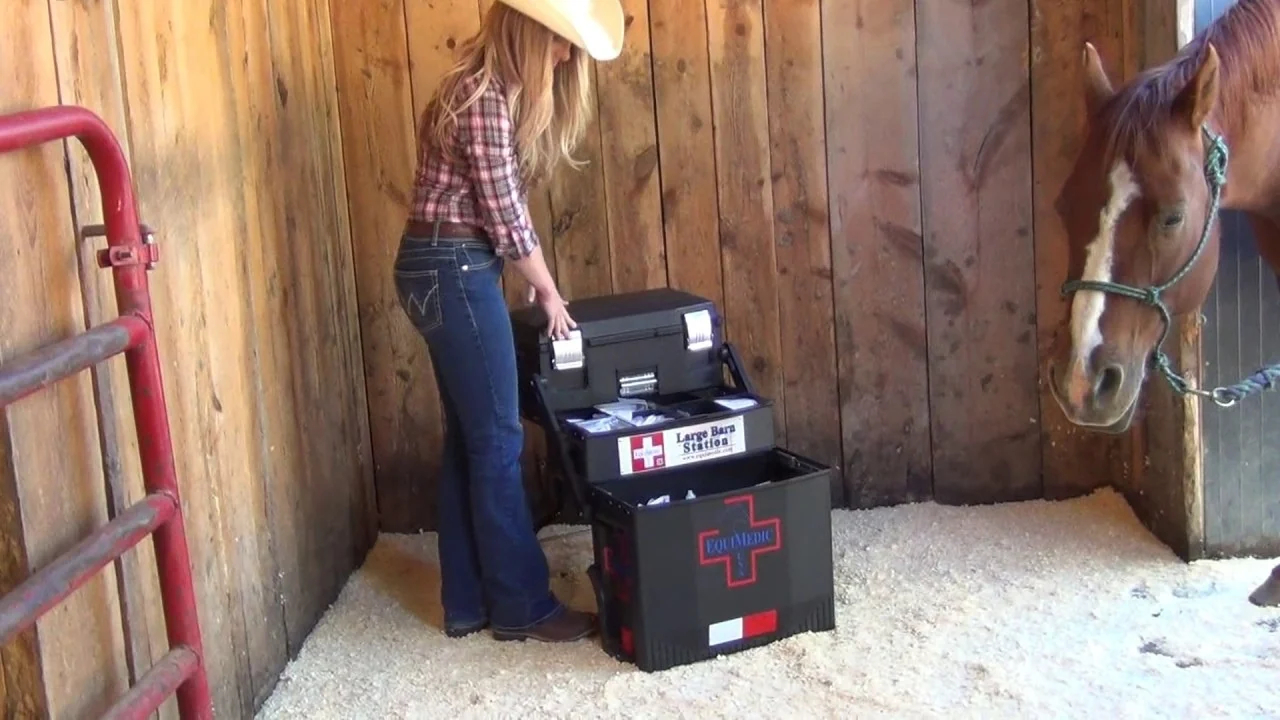
Photo credit: EquiMedic USA/Youtube
Stuff goes sideways in a barn at the worst times. Somebody catches a rusty edge, a goat gets a puncture, a kid finds a wasp nest, or a rope burn turns into a mess because you had to dig through a junk drawer for supplies. A barn first aid kit only works if it’s stocked with things that hold up to dust, heat, cold, and rough hands.
1. Nitrile Gloves In Multiple Sizes
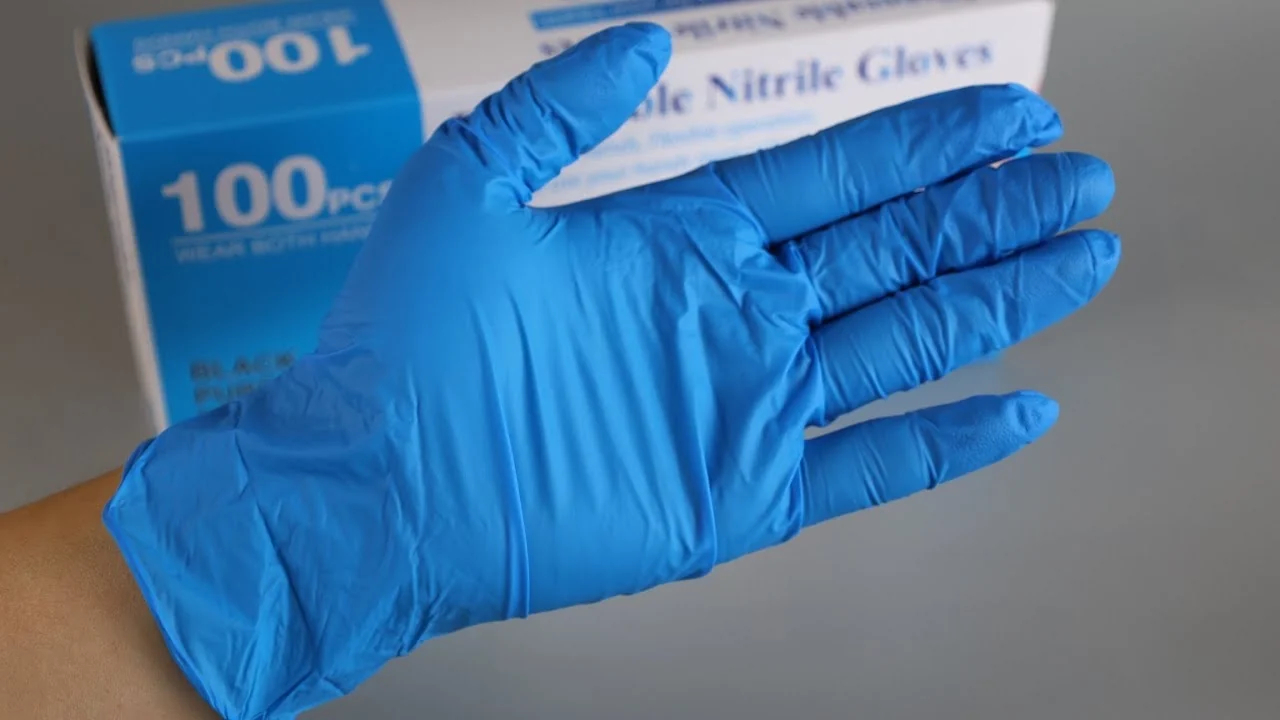
Most barn “first aid” fails right at the start because nobody wants to touch blood, manure, or a draining wound bare-handed. Nitrile gloves let you help fast and keep the mess off your skin, which matters when you’re also handling gates, halters, and truck keys right after.
Keep at least two sizes because the gloves that fit you might not fit the neighbor who shows up. Store the box in a zip bag inside the kit so mice and humidity don’t ruin it, and toss any that got stiff or sticky from heat.
2. Sterile Saline And A Syringe
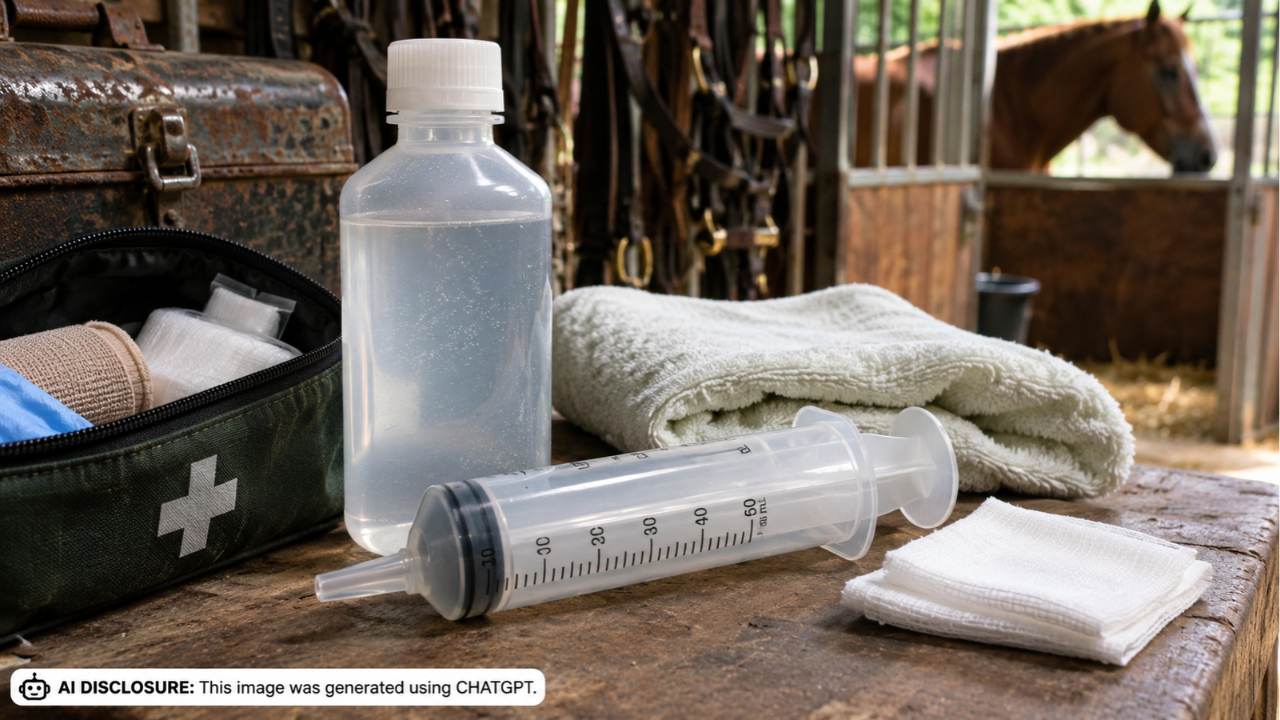
People reach for peroxide or alcohol because it feels like “real” cleaning, then wonder why the wound looks angry the next day. For flushing grit out of a scrape or rinsing an eye, plain sterile saline is the workhorse. It does the job without extra tissue damage.
Add a large syringe with no needle so you can push a steady stream where you need it. This is one of those oddball items that saves time because it turns a slow dribble into an actual flush, even when you’re working one-handed in a stall.
3. Gauze Pads And Rolled Gauze
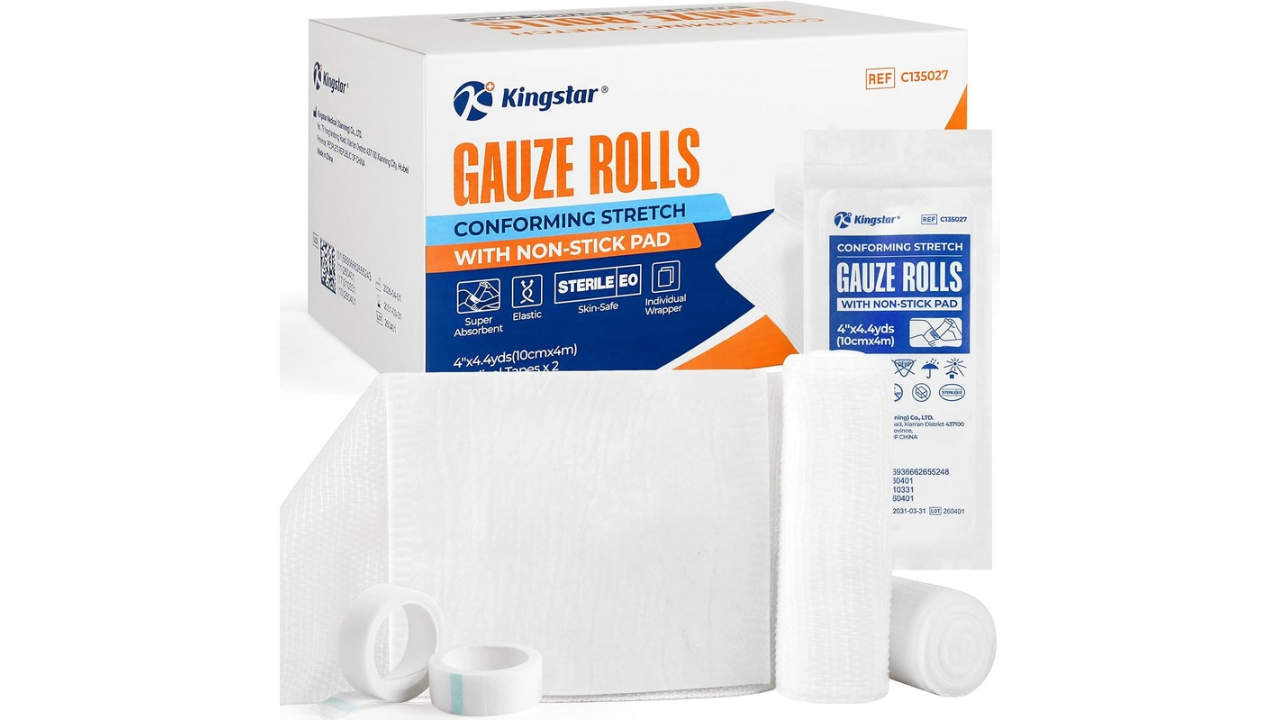
Paper towels fall apart, shop rags leave fuzz, and old T-shirts aren’t clean once they’ve lived in a barn. Gauze pads give you something sterile for the first contact, and rolled gauze is what keeps that pad in place when the patient decides to move.
Buy a mix of pad sizes and at least a couple rolls. If you only stock one thing, it’ll be the wrong size when you need it. Keep gauze sealed until you use it, since barn dust finds its way into everything.
4. Self-Adherent Wrap For Fast Bandages
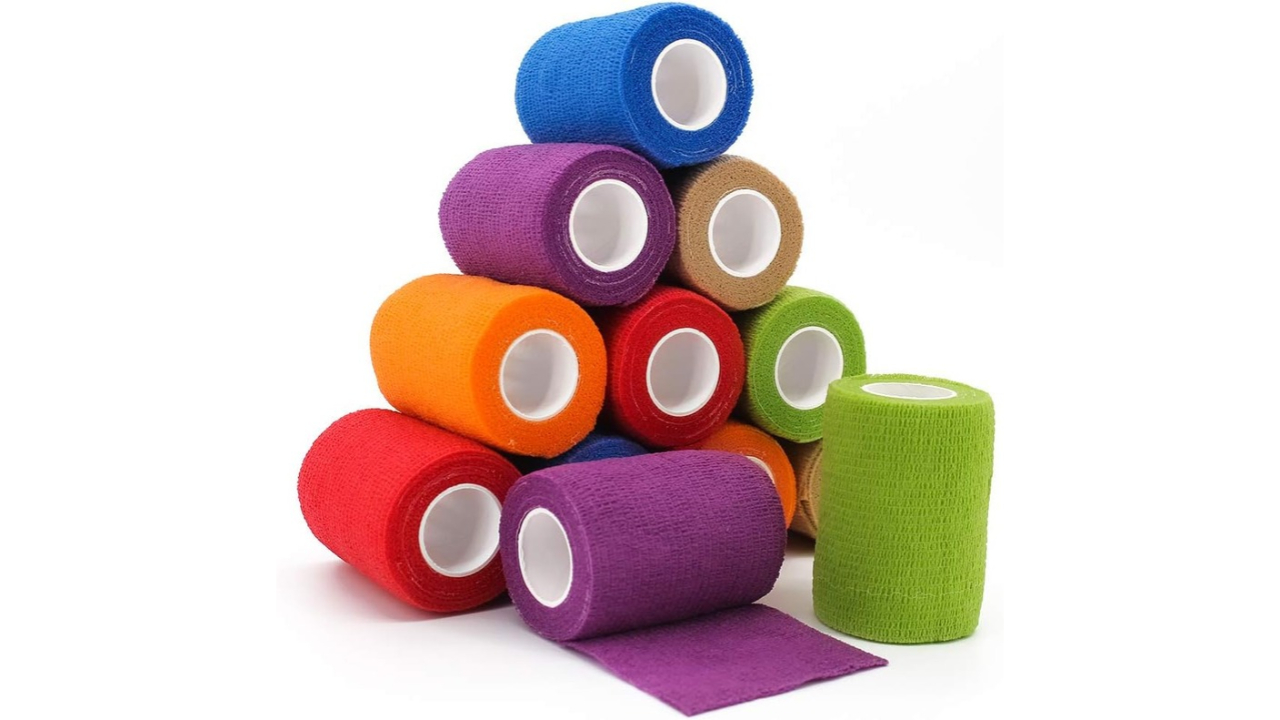
Regular tape quits when it’s cold, dirty, or damp. Self-adherent wrap sticks to itself, not hair or skin, so you can wrap a leg or hold gauze in place without turning it into a sticky shaving nightmare later.
Don’t crank it down like you’re tightening a hose clamp. Wrap with light tension, check for swelling, and recheck again after chores, because a too-tight wrap can cause trouble fast. In wet weather, keep an extra roll in a sealed bag so it doesn’t turn into a useless sponge.
5. Vet Wrap Alternative For Short-Term Fixes
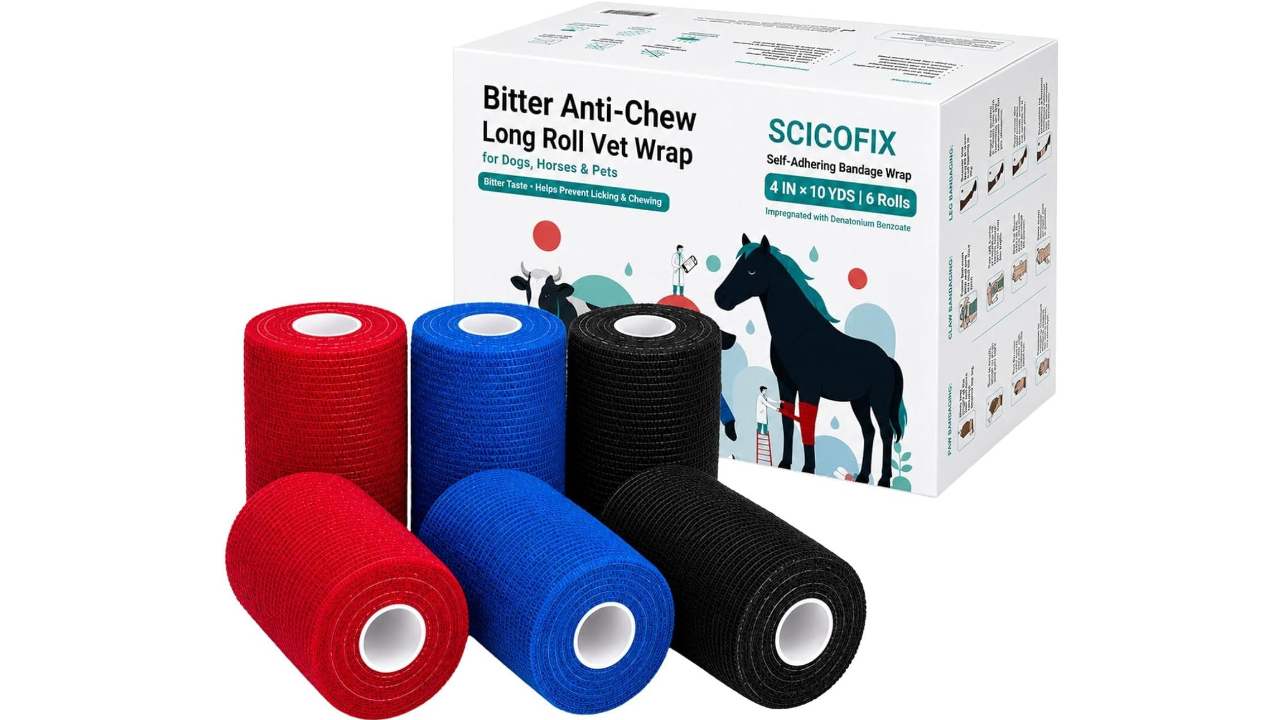
Sometimes the cheap option is fine. Off-brand self-stick wrap from the farm store often holds up just as well for a short-term bandage or to secure padding on a hoof until the farrier or vet can get there.
The exception is anything that needs to stay put for days or anything exposed to constant rubbing, like a horse’s lower leg during turnout. For that, the better wrap usually resists tearing longer, and you’ll waste fewer rolls redoing it.
6. Trauma Shears And Tweezers
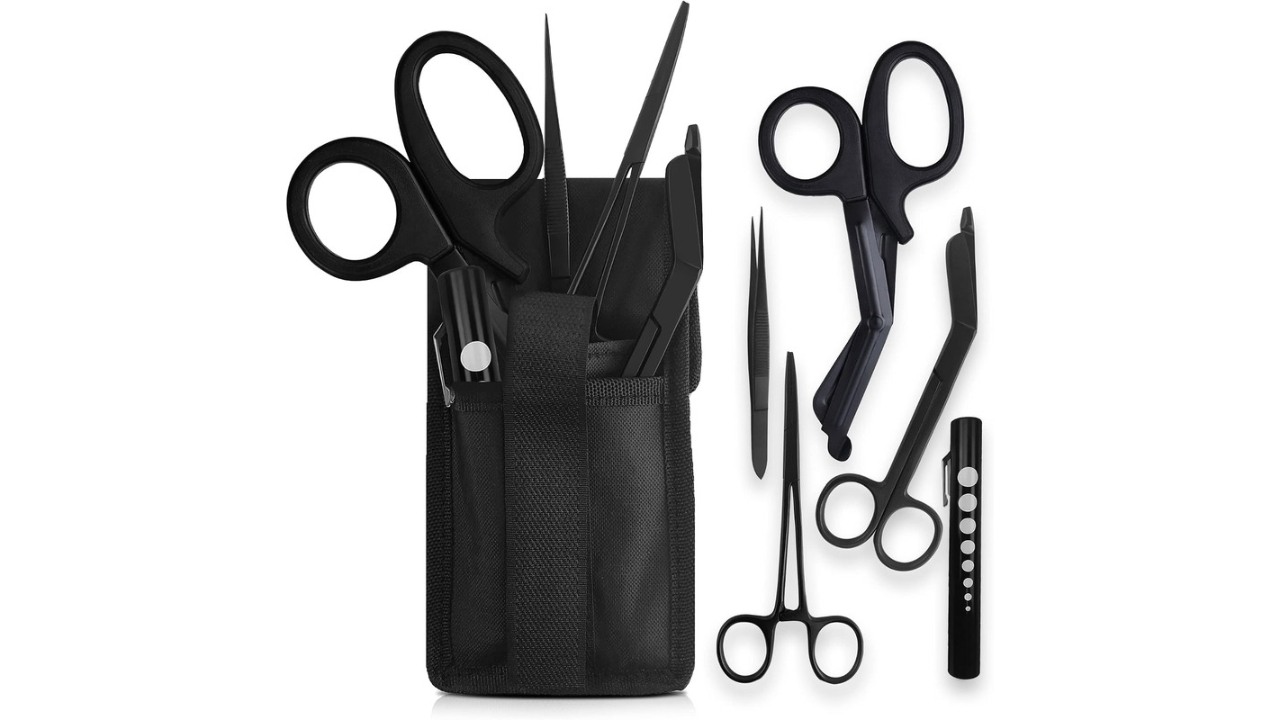
When you’re trying to cut jeans off a bleeding knee or trim away a tangled patch of hair around a wound, kitchen scissors make it harder than it needs to be. Trauma shears are blunt-tipped and built to cut cloth and light leather without poking what’s under it.
Add sturdy tweezers for splinters, ticks, and the little bits of wire that always show up when fencing has been “good enough” for too long. Keep both tools in a hard sleeve or small box inside the kit so they stay clean and don’t chew up gauze packaging.
7. Instant Cold Pack And A Heat Pack
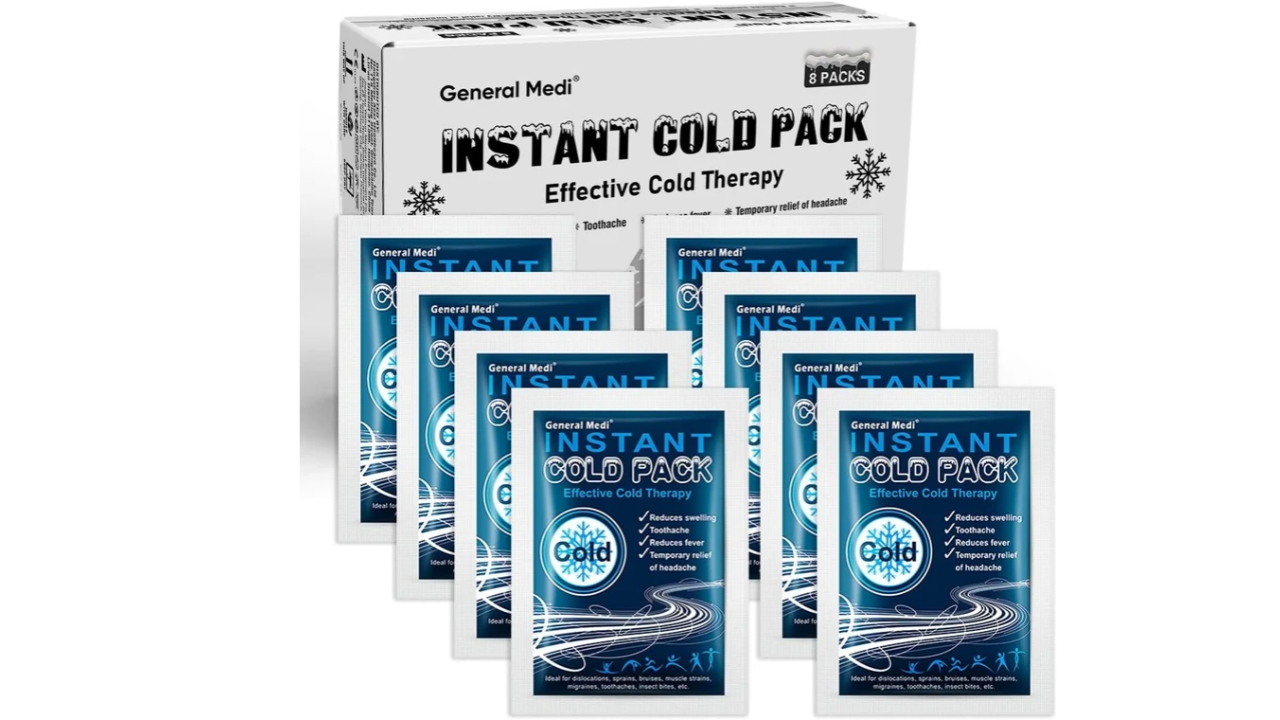
Sprains and stings happen in seconds, and you usually don’t have time to walk back to the house for ice. A single-use cold pack helps with swelling right away, especially for hands and faces where swelling gets uncomfortable fast.
A simple heat pack earns its spot in winter when fingers go numb or someone gets chilled and shaky after getting soaked. Use common sense here, no pack goes straight on bare skin for long. Wrap it in a cloth and check often.
8. Triangle Bandage And Safety Pins
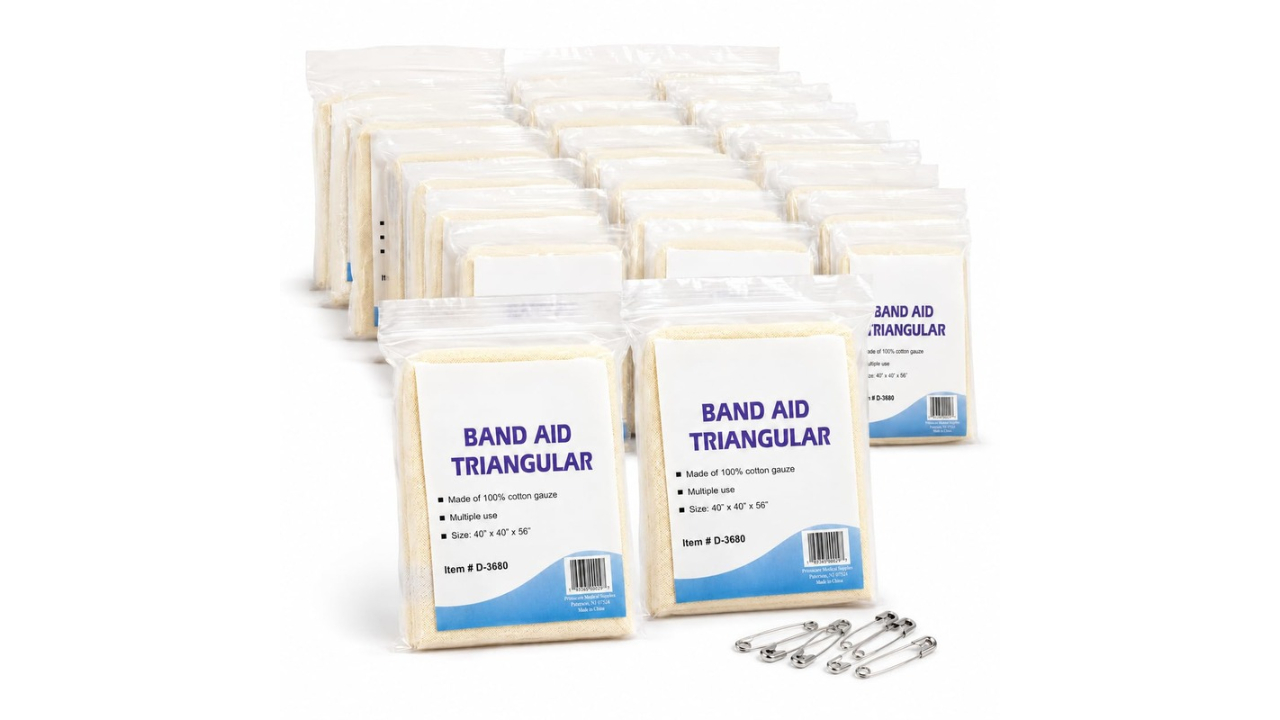
This is the old-school item most kits skip, and it solves a bunch of problems. A triangle bandage can make a sling, hold a compress, or secure a splint when you’re a long way from the house and your phone is at 2 percent.
Safety pins keep it from coming loose when you’re walking over ruts and through gates. Throw in a couple extra pins beyond what comes in the package, since they vanish into hay like they’re alive.
9. Headlamp With Spare Batteries
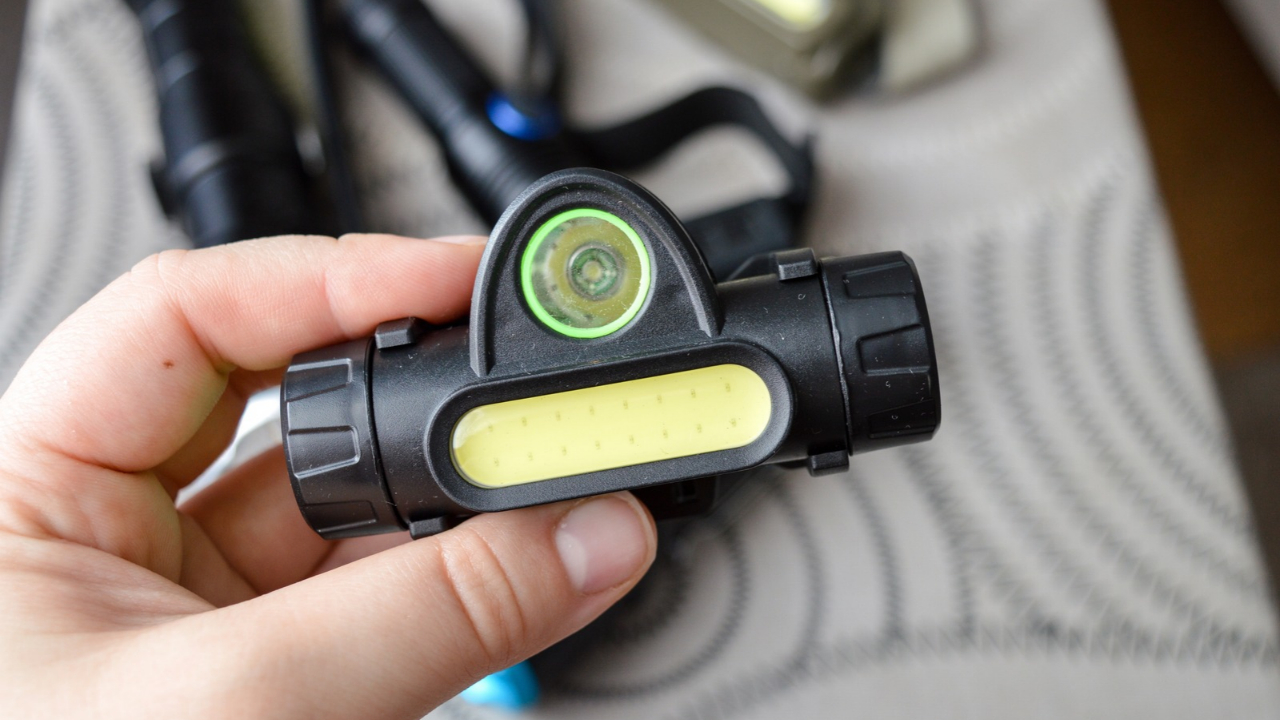
Bad timing is a barn tradition. Cuts happen at dusk, and you notice the limping animal after you’ve already shut the lights off. A headlamp keeps both hands free, and that’s the whole point.
Don’t store loose batteries rolling around in the kit where they can short out. Keep a spare set in the original packaging or a small battery case, and check the headlamp a couple times a year so you’re not stuck with a dead switch when you need light right now.
10. Sharpie, Notepad, And A Zip Bag
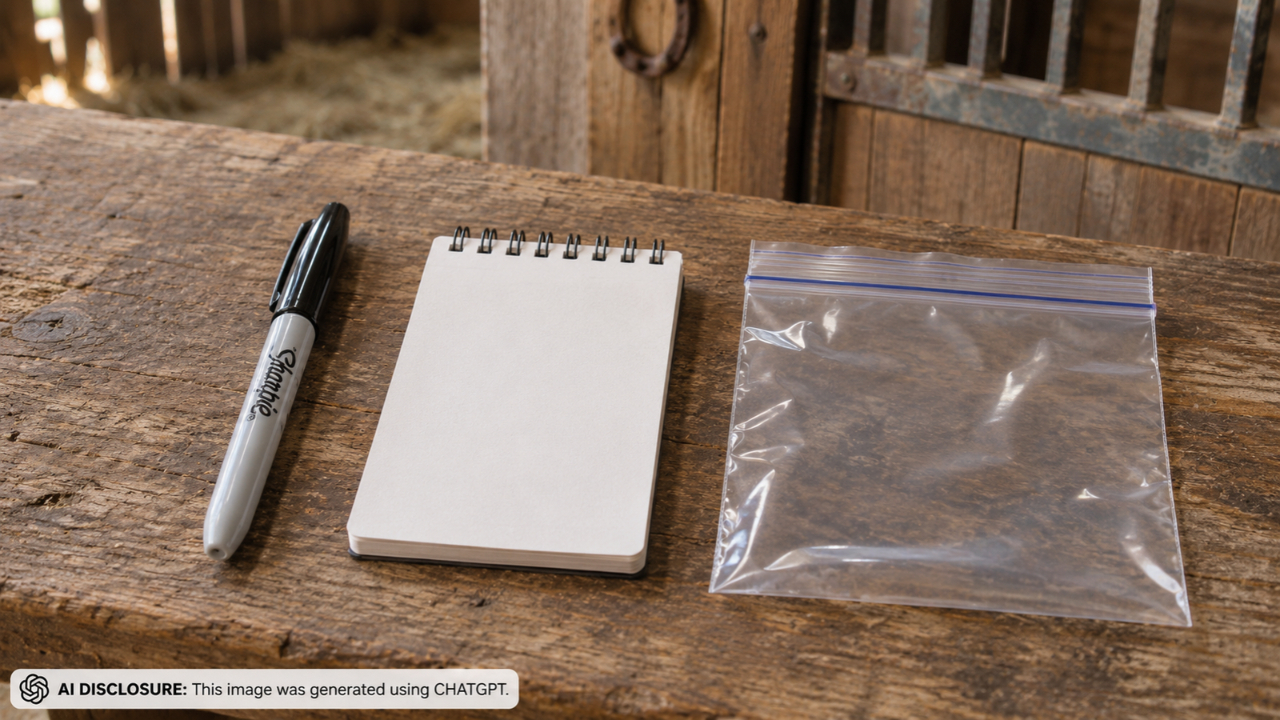
In the moment, everybody swears they’ll remember what happened and when. Then chores pile up, the next shift takes over, and details get fuzzy. A Sharpie and notepad let you write down time, what you did, and what still needs doing, which helps when you call a vet or talk to urgent care.
The zip bag does double duty, it keeps paper dry, and it can hold a phone, an ID, or a used tool so it doesn’t contaminate the rest of the kit. It also makes a decent impromptu barrier for dirty gloves until you find a trash can.
Once the kit’s stocked, put it where you can grab it with one hand and get to it without moving feed bags. Check it when the seasons change, since heat bakes adhesives and cold turns liquids sluggish. A barn kit isn’t fancy, it just needs to be ready the moment something goes wrong.
Like Fix It Homestead’s content? Be sure to follow us.