10 Repairs That Are Impossible Once the Ground Freezes
Photo credit: ungvar/Shutterstock.com
Once the ground turns to concrete, a lot of “quick fixes” stop being quick. Shovels bounce, trenchers can’t bite, and anything that needs proper compaction or drainage turns into wasted effort. Winter has a way of locking your mistakes in place until spring.
1. Digging Up Broken Water Lines
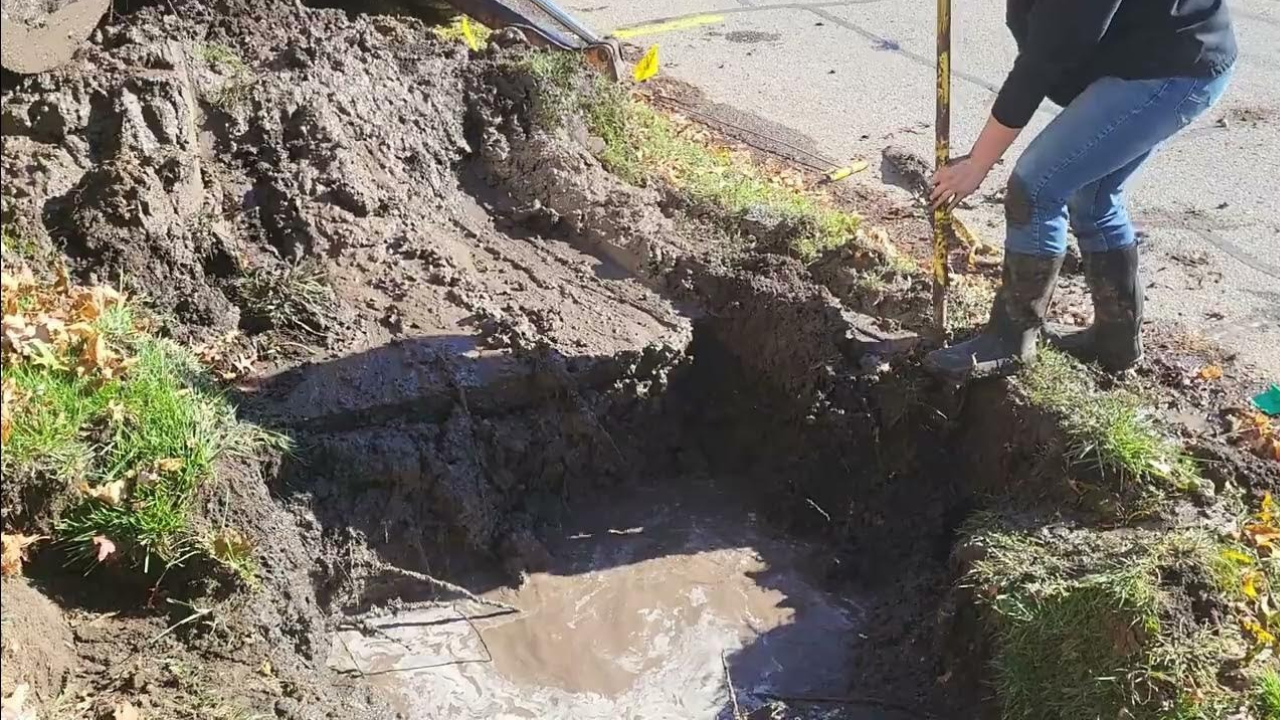
You don’t realize how shallow that yard line is until it freezes and you wake up to no water. If the break is outdoors, frozen soil turns a normal dig into a brutal job, and a mini excavator can still struggle if frost runs deep. If your line is already marginal, one hard cold snap can finish it off.
Fix it before freeze-up by burying lines below local frost depth and adding a shutoff where you can reach it. If you’re not sure where the line runs, mark it now and take photos for later. Call for utility locates before you dig, and if the line ties into a well system or meter area with code requirements, get a licensed pro involved.
2. Installing New Yard Drainage Runs
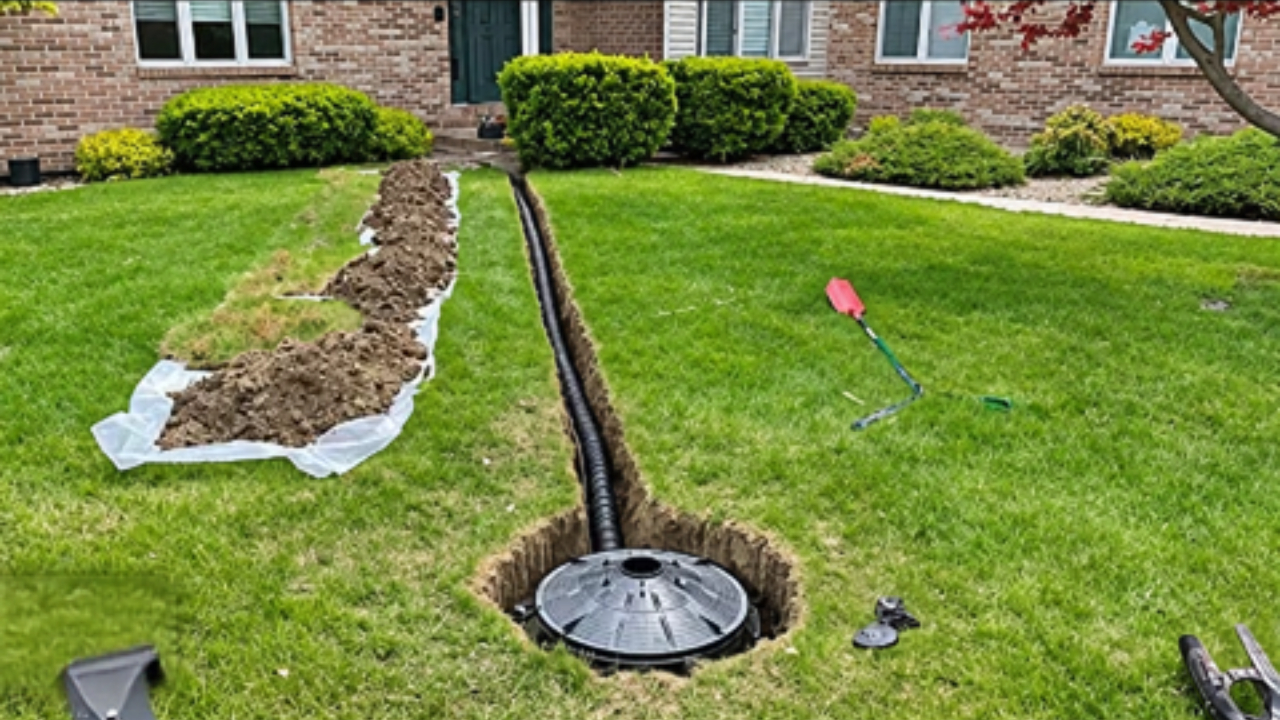
People try to “just add a French drain” after the first ice dam or basement seep. Frozen ground won’t let you cut a clean trench, and the soil you backfill with won’t compact right. Come spring, the trench settles, the pipe sags, and the yard turns into a lumpy ditch.
Do drainage work while the soil is workable so you can get slope, bedding, and compaction right. If winter is already here, focus on temporary moves: extend downspouts above ground, clear gutters, and run water away with a rigid extension or a splash block. It’s not pretty, but it beats digging in January and redoing it in April.
3. Setting Fence Posts In Concrete
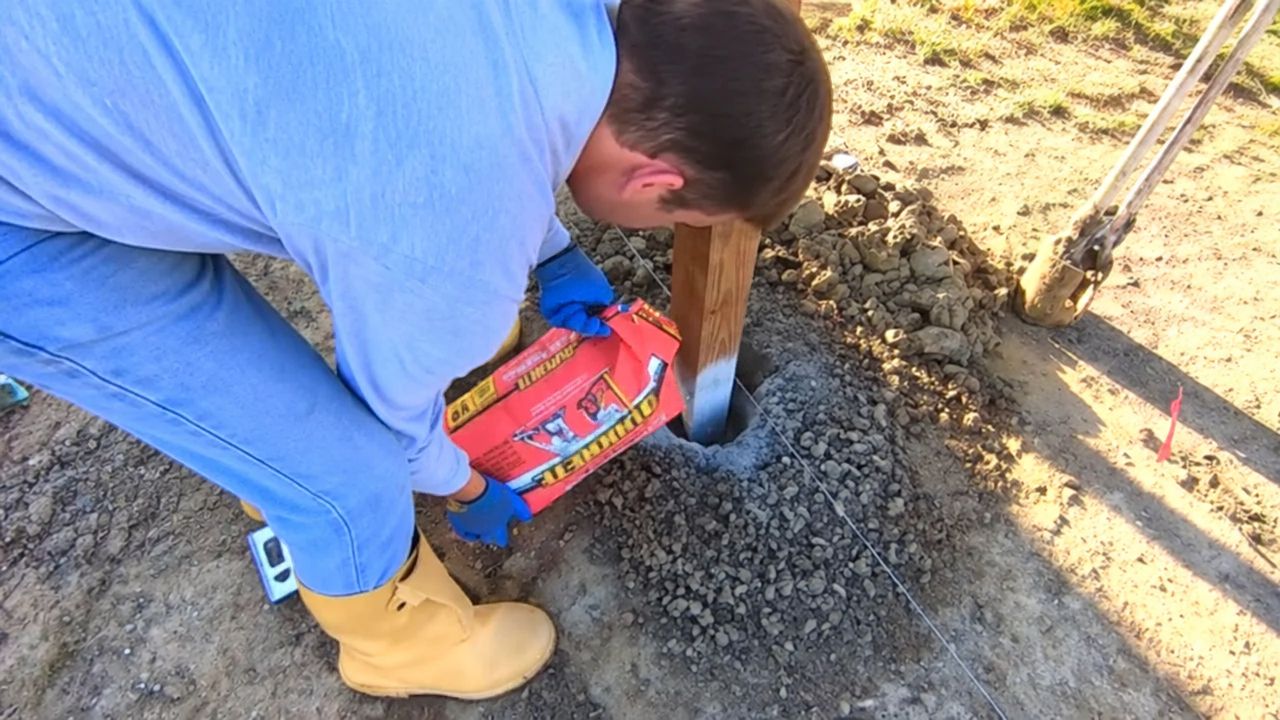
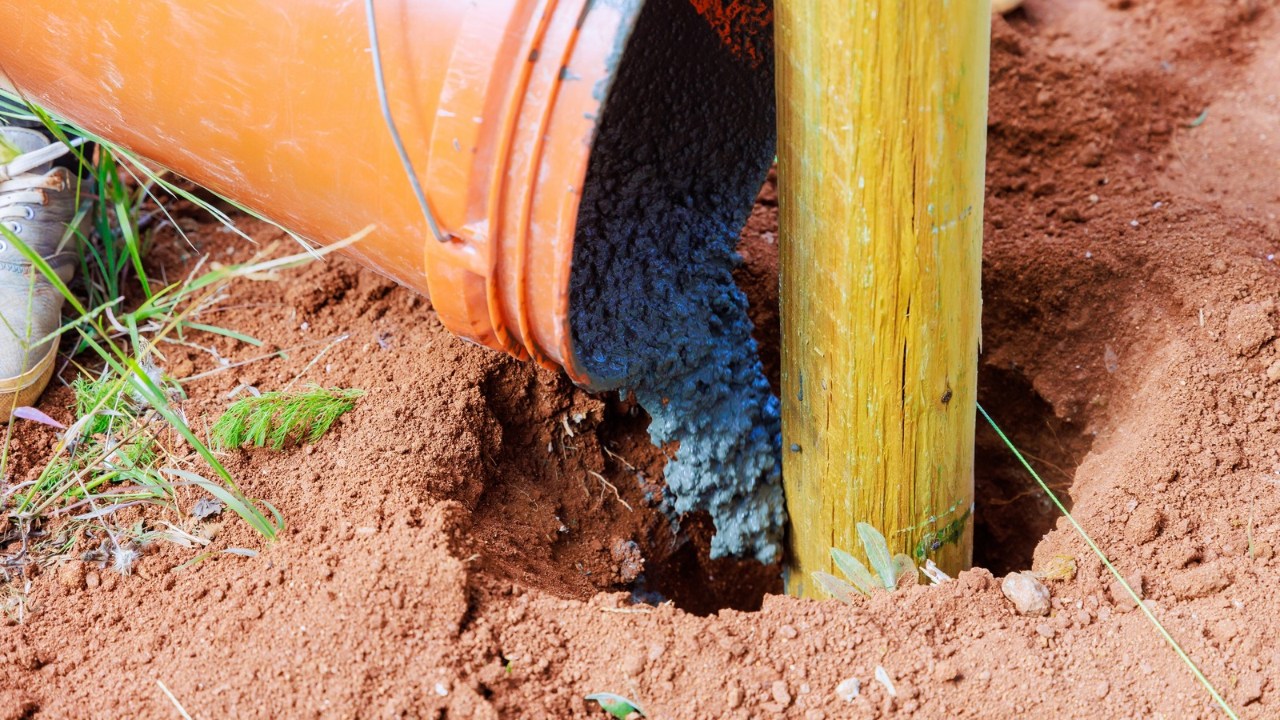
A wobbly gate gets ignored until the latch won’t catch and the livestock learns it. In frozen soil, post holes are misery, and wet concrete in cold weather is touchy. Even if it “sets,” it can cure weak or crack if it freezes before it gains strength.
Set posts before the ground locks up, and set them deep enough for your area. Gravel-only set works fine for many fences if you tamp in lifts and crown the top so water sheds away, that’s the honest exception to “you must use concrete.” Save concrete for gate posts and high-stress corners, and keep the top of the footing sloped so water doesn’t sit and freeze around the post.
4. Trenching For Power To Outbuildings
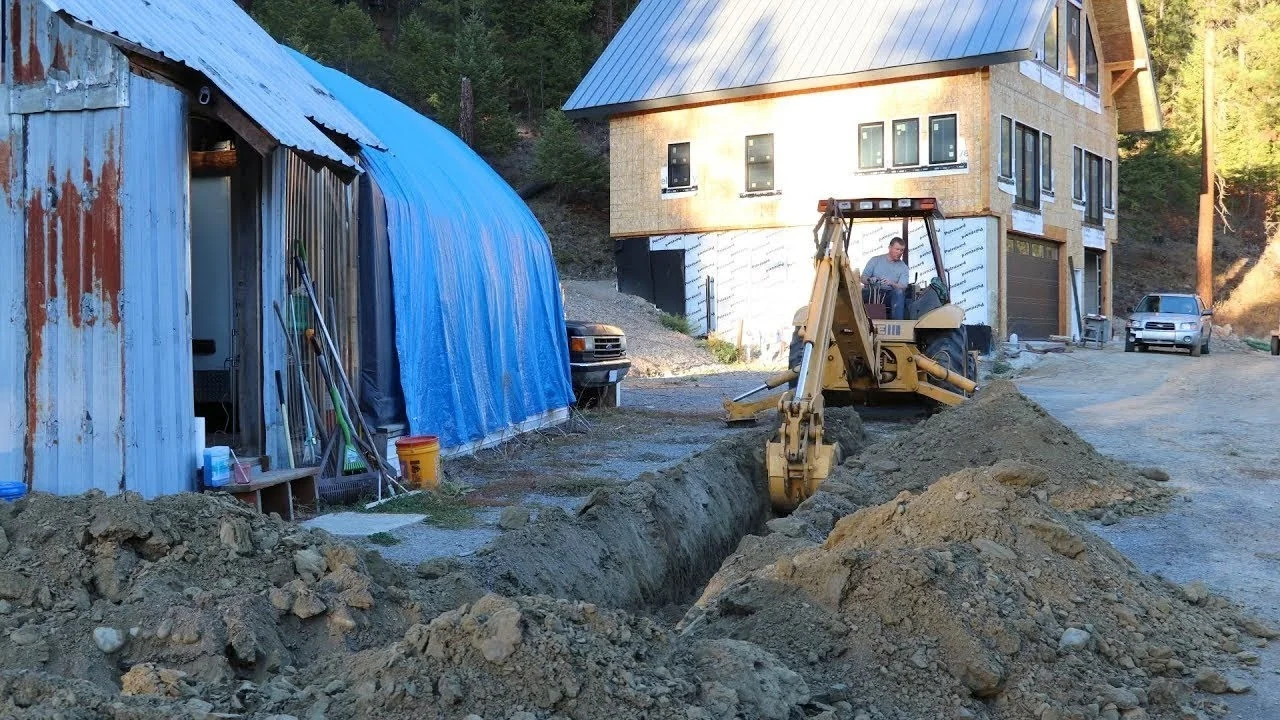
Dragging extension cords to a barn all winter feels normal until one gets pinched under a door, gets brittle, and trips a breaker. Once frost hits, digging to code depth for conduit is a non-starter for most DIY setups. Then you’re stuck with a temporary, risky mess for months.
If you want power outside, plan it for fall and do it right with permits and inspections. A licensed electrician should size the wire, handle panel work, and follow burial depth rules for your area. If winter already arrived, use a properly rated outdoor cord only as a short-term bandage, keep it protected from snowblower paths, and unplug it when you’re not there.
5. Repairing Septic Lids And Risers
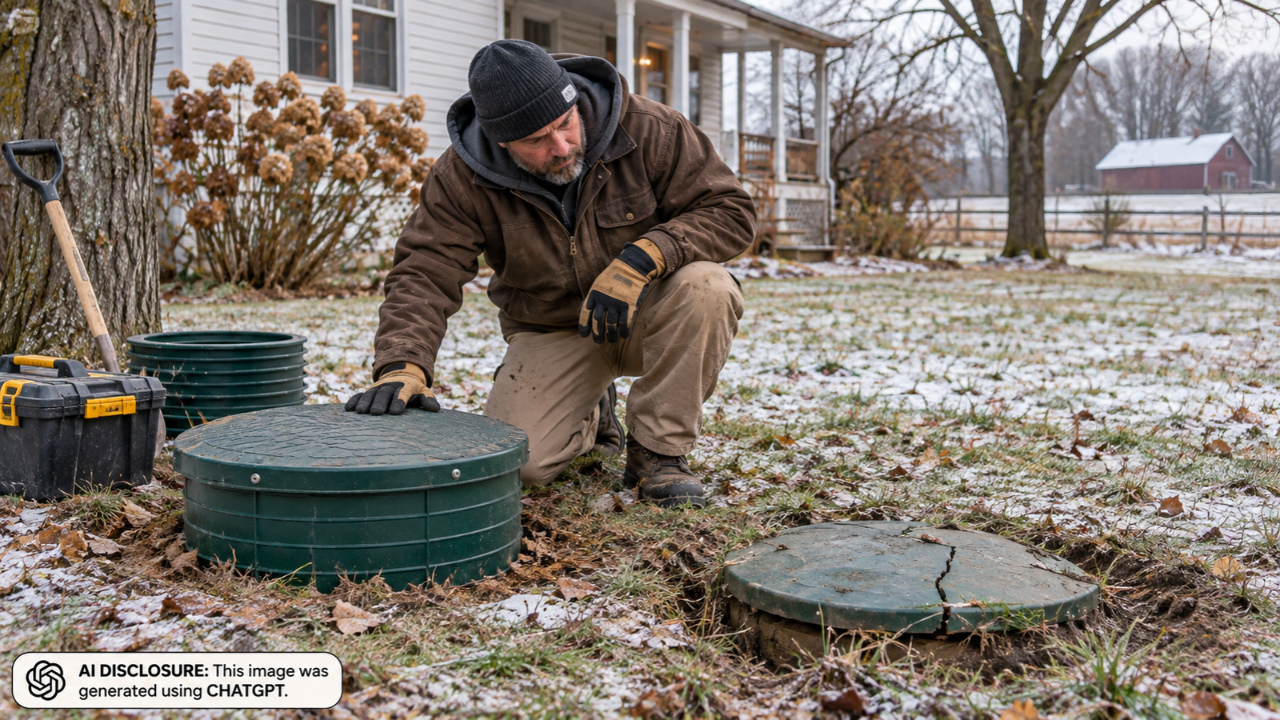
Septic problems love winter. A cracked lid, a missing riser seal, or a lid that sits low lets cold air in and can help freeze the top of the tank or lines, especially in a thin snow year. Once the ground freezes, digging to a lid can take longer than the actual repair.
Walk the area before winter and make sure lids are intact, secure, and brought to grade with proper risers. This is one of those jobs where doing it “close enough” is a bad habit, a loose lid is a safety hazard year-round. If you need to open the tank or do any pumping or repairs, call a septic pro and follow local rules for access and covers.
6. Replacing Rotten Deck Footings Properly
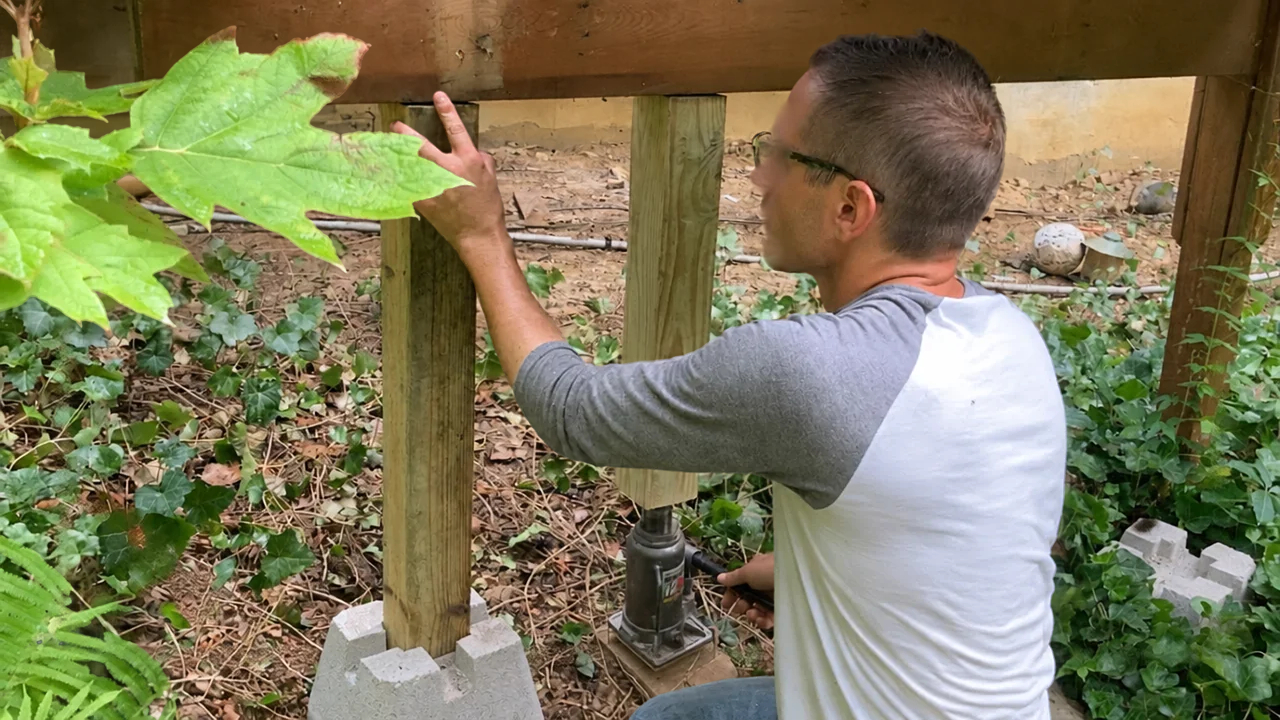
A deck that’s starting to sag doesn’t usually fail in October, it fails when it’s loaded with wet snow or a crowd. Once frost hits, you can’t dig a real footing or pour concrete that cures correctly without cold-weather methods. Blocking it up on patio blocks for the winter is a common mistake that can shift and make the final repair harder.
If you see rot at posts, loose railings, or a beam pulling away, deal with it while the ground is still workable. A proper fix often means new footings below frost depth, proper hardware, and treated lumber rated for ground contact. Structural work is where paying a contractor is worth it if you’re unsure, a deck collapse is not the place to learn.
7. Grading Soil Away From The Foundation
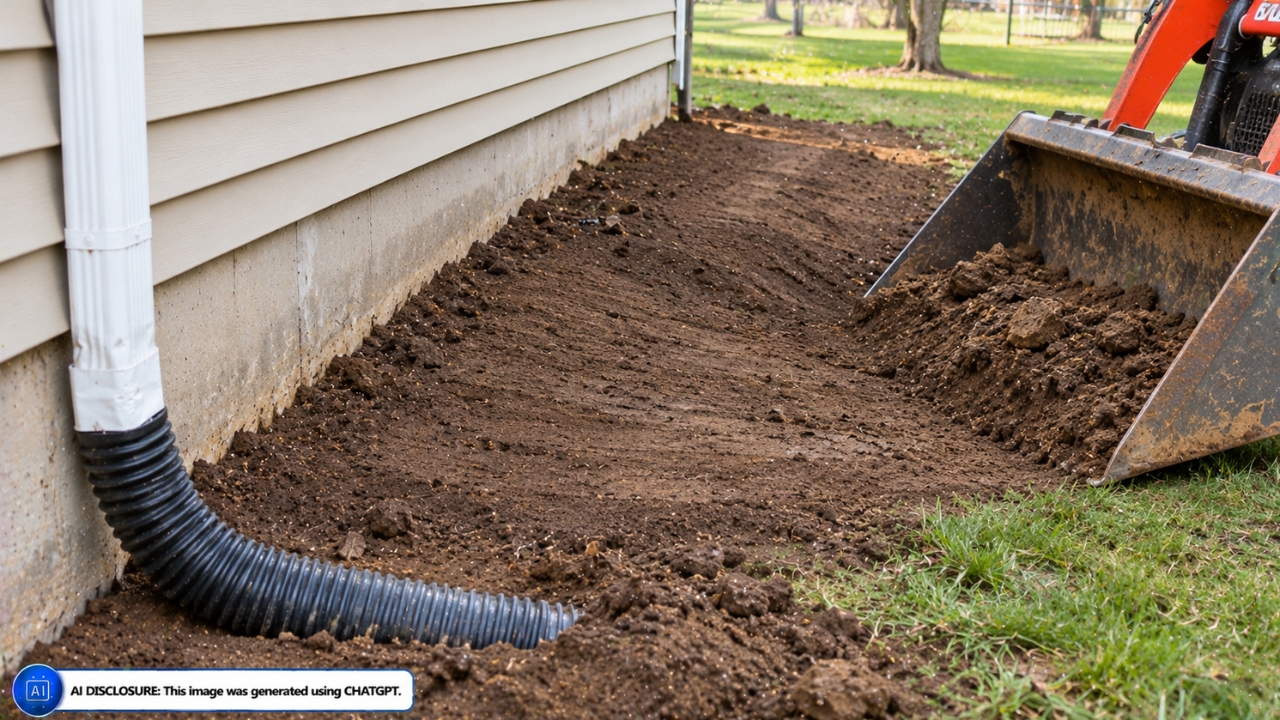
That little trough along the house stays hidden until the first thaw, then the basement smells damp and the sump runs nonstop. Trying to move frozen dirt is wasted effort, and dumping a pile of topsoil against the house in winter just creates a soggy mess later. You want a smooth slope, not a berm that holds water.
Fix grading in fall so rain and meltwater naturally move away from the foundation. Use mineral soil for build-up, not fluffy mulch or compost that disappears by spring. If you can’t regrade now, at least handle the easy stuff: clean gutters, aim downspouts well away, and keep snow piled away from the wall.
8. Planting Trees And Shrubs The Right Way
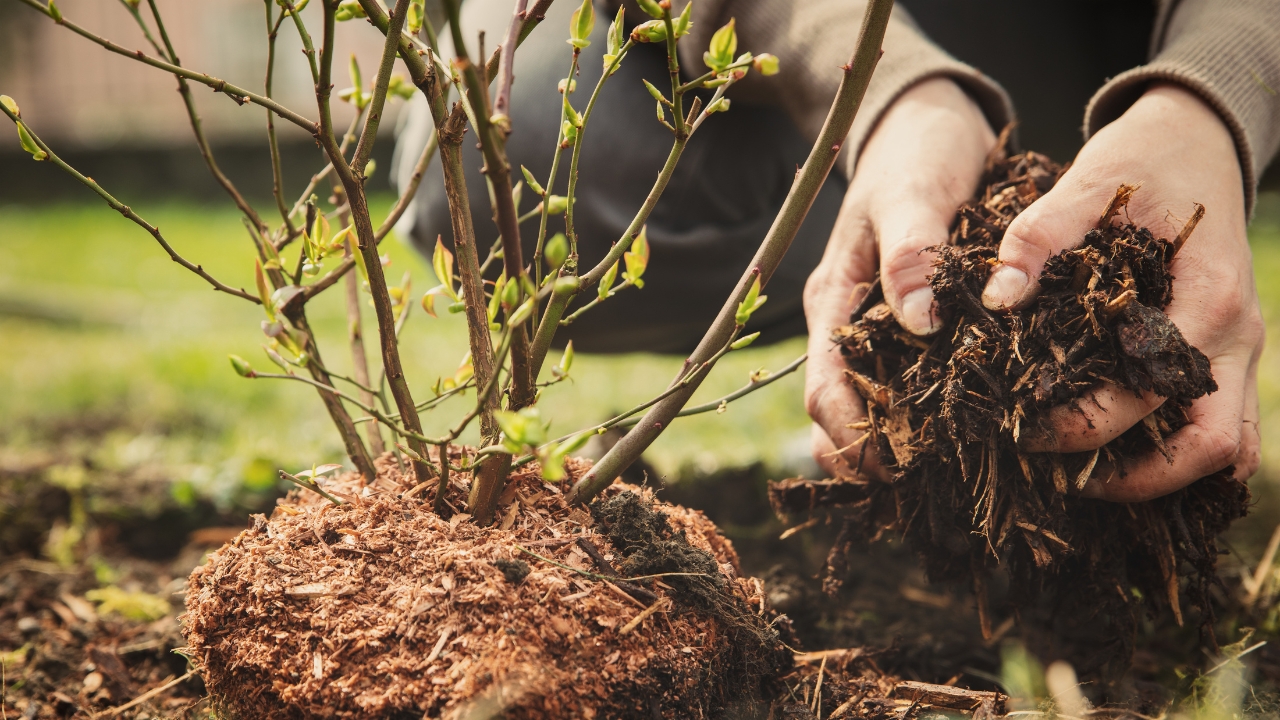
Late-season planting can be fine, right up until the ground is frozen solid. At that point, you can’t dig a proper hole, you can’t loosen and shape the root zone, and you end up with a root ball sitting in a cold bucket of soil. That plant will limp through winter and disappoint next summer.
Get woody plants in while the soil can still be worked, then water deeply until the ground freezes. If you missed the window, don’t force it. Heel the plant in a protected spot, mulch around the pot, or store it in an unheated garage where it stays cold but not windblasted, and plant it when you can do the job cleanly.
9. Fixing Buried Downspout Lines And Popups
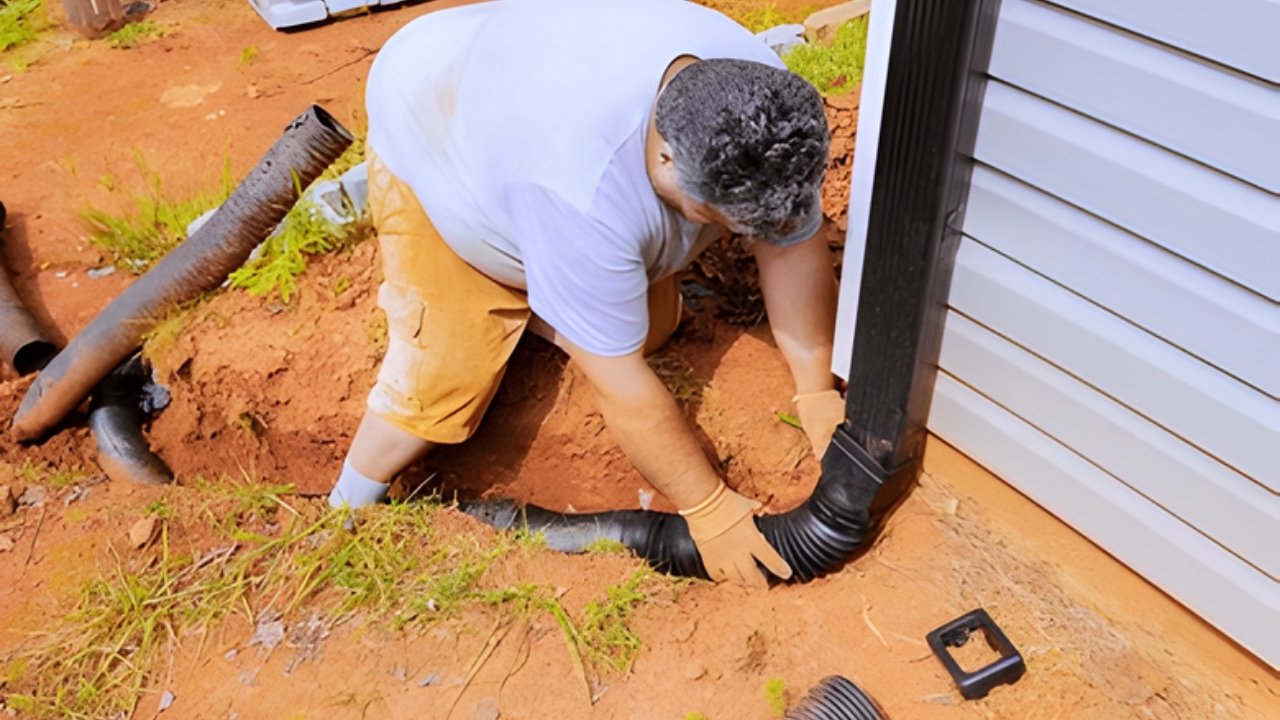
Those buried corrugated lines look fine until they fill with leaves and freeze into a solid plug. Then a warm spell hits, the roof sheds water fast, and it backs up at the foundation or spills at the wrong spot. In frozen ground, you won’t be digging up that crushed section or redoing the slope.
Before winter, flush the lines with a hose, clear the gutter screens, and check that popups open freely. If a run is known to clog every year, replacing it with smooth-wall pipe and accessible cleanouts is money well spent, but it’s a fair-weather job. In the meantime, disconnect the buried line and run an above-ground extension so water has somewhere to go.
10. Patching Driveway And Walkway Base Failures

Small cracks in asphalt or concrete can be patched in cold weather, but base failure is another story. If the slab rocks, the pavers dip, or the driveway has a soft spot, the fix needs excavation and proper base compaction. Frozen subgrade stops you from doing any of that well.
In winter, focus on safety instead of perfection: knock down trip edges, add traction, and mark hazards. Save the real repair for spring when you can dig to firm soil, add crushed stone in layers, and compact it with a plate compactor. Cold-patch asphalt can be an okay temporary option for a shallow pothole, but it won’t correct what’s happening underneath.
If you want one winter habit that pays off, walk your place on a rainy fall day and watch where water actually goes. Fixing water and soil problems before the freeze is cheaper, cleaner, and a whole lot less frustrating than battling a yard that’s locked up tight.
Like Fix It Homestead’s content? Be sure to follow us.