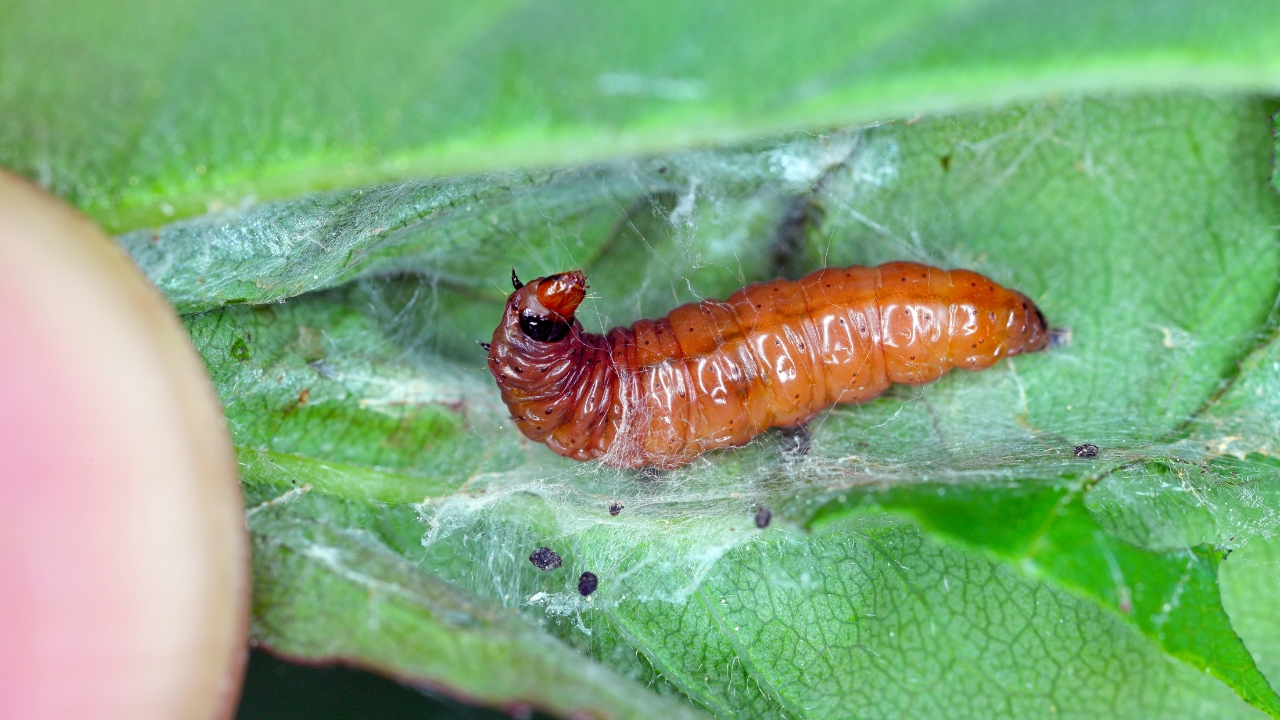
10 Plants That Invite Bugs You Really Don’t Want Near the House
Photo credit: Tomasz Klejdysz/Shutterstock.com
Some plants are beautiful on the outside but come with problems that show up fast—usually in the form of bugs you don’t want hanging around. Whether it’s gnats, aphids, beetles, or mosquitoes, certain plants act like magnets for the wrong kind of attention.
If you’ve been fighting off pests and can’t figure out where they’re coming from, your landscaping might be the issue. These plants might look nice at first, but they can bring in more problems than they’re worth if you’re not careful.
Hostas

Hostas are popular because they’re low-maintenance and do well in the shade. But if you’ve ever had slugs and snails tear through the leaves overnight, you know the downside.
The broad, moist leaves hold water and create the perfect environment for slimy pests. Once they move in, they’re hard to get rid of. If you’re planting hostas, keep them away from heavily watered areas and consider using gravel mulch to keep slugs at bay.
Daylilies
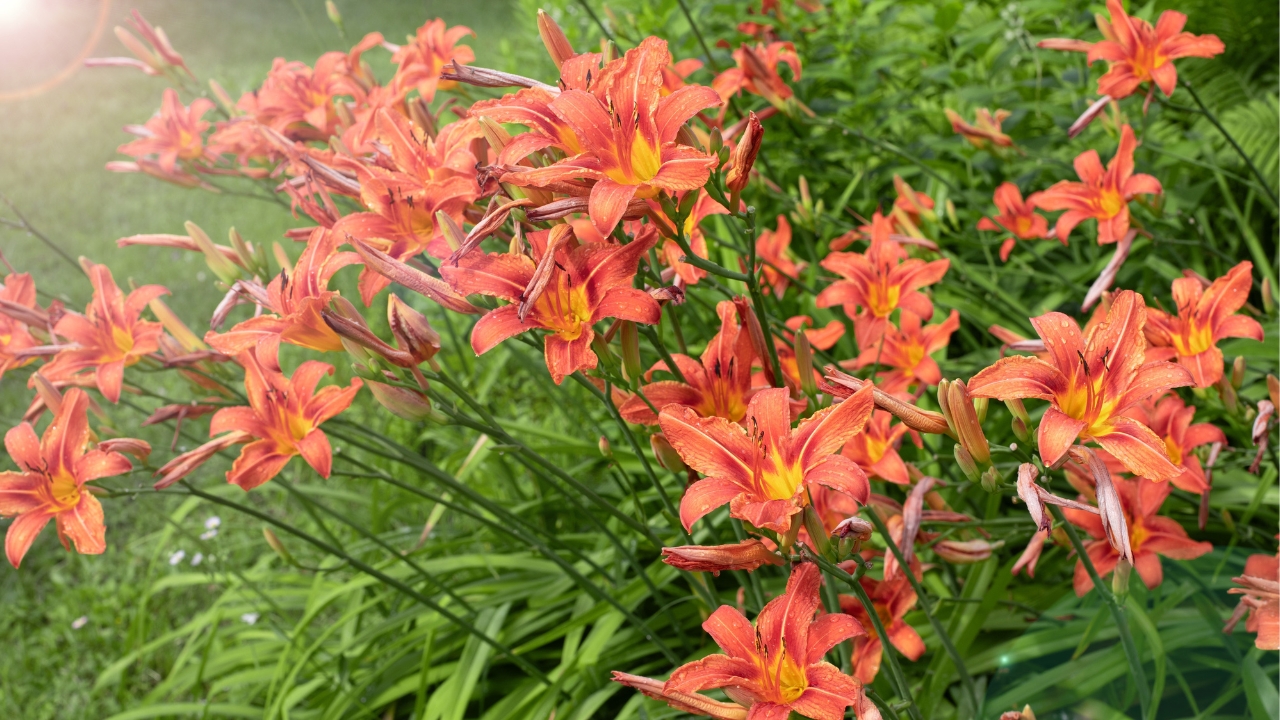
Daylilies can handle tough conditions, but they tend to attract aphids and thrips—tiny bugs that feed on sap and leave behind sticky residue and distorted blooms.
Once these pests settle in, they’re likely to spread to other plants nearby. If your daylilies look limp or sticky, it might be time to cut them back and spray with neem oil or insecticidal soap. Keeping them thinned out and spaced properly helps reduce the attraction.
Sunflowers
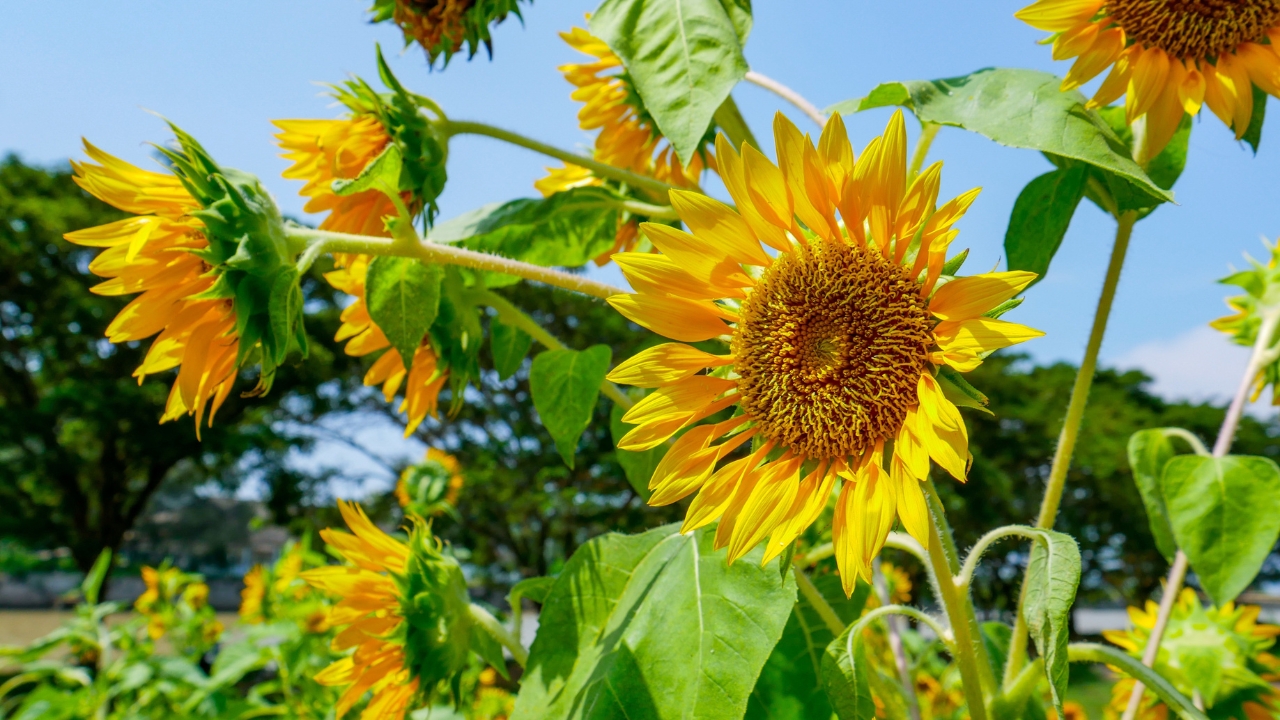
Sunflowers are cheerful and eye-catching, but they’re also notorious for drawing ants and aphids. The large flower heads and sticky sap can invite both pests in droves.
Ants don’t harm the plant directly, but they farm aphids for the sugary honeydew they produce. If you plant sunflowers, keep a close eye on the undersides of leaves and treat infestations early before they spread to other parts of your yard.
Marigolds

Marigolds are often planted to repel pests, but they’re a double-edged sword. While they may keep some bugs away, they also tend to attract spider mites and thrips—especially in dry, hot weather.
These bugs suck the life out of leaves, leaving them speckled and curled. If you love the look of marigolds, try keeping them in containers or placing them away from your more delicate plants.
Bamboo
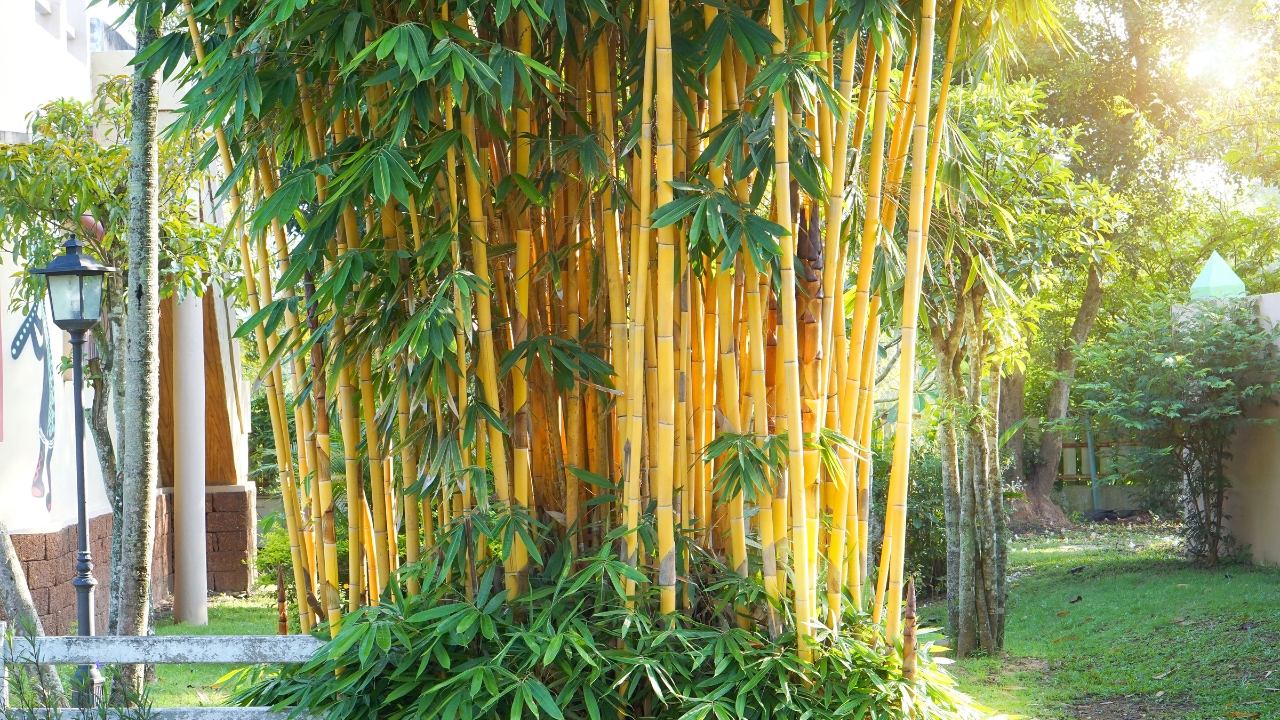
Bamboo grows fast and can make a striking privacy screen, but it creates a humid environment that mosquitoes love. The dense growth traps moisture, and if water collects in the hollow stems, you’ve basically set up a breeding ground.
It’s also hard to control once it spreads, which can make cleanup even harder. If you’re set on bamboo, opt for clumping varieties and keep the area around it dry and well-maintained.
Canna Lilies
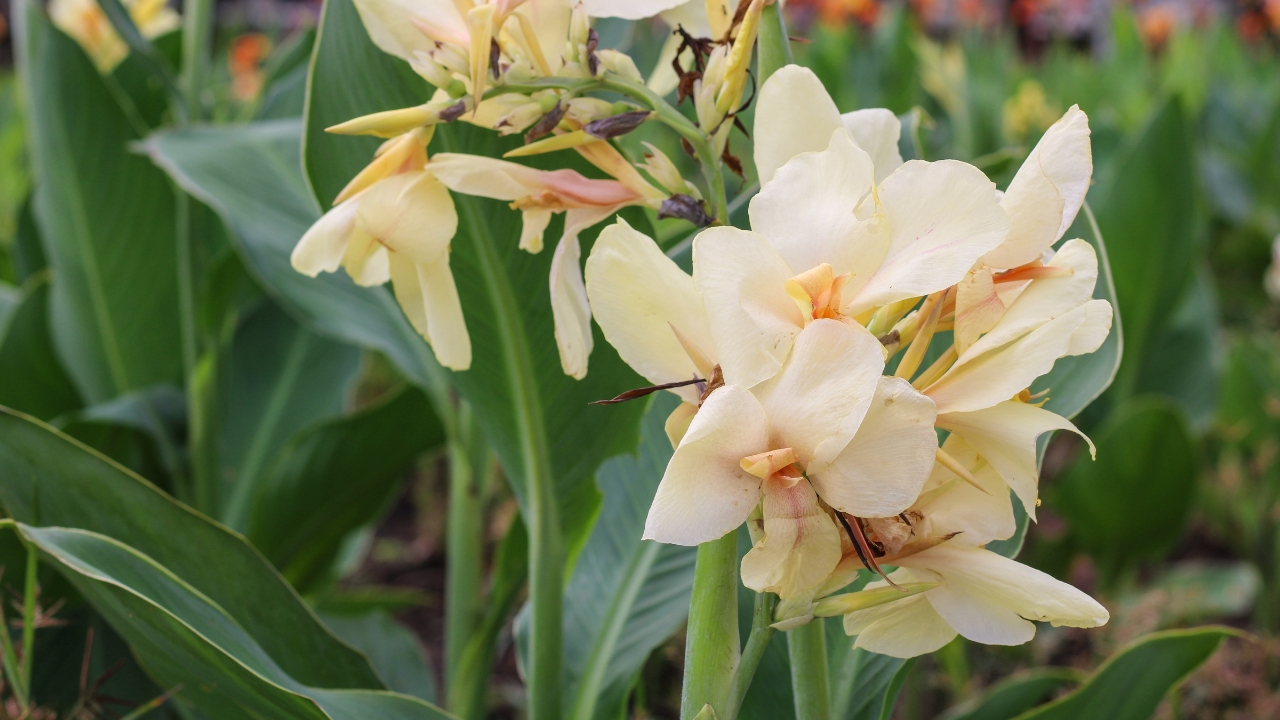
Canna lilies are showy and tropical, but they’re magnets for Japanese beetles. These shiny, destructive bugs feed on the leaves, often leaving them full of holes by mid-season.
Once Japanese beetles move in, they’re hard to manage and tend to attract more of their kind. If you’re planting cannas, check them often and be ready to pick off beetles by hand or use traps placed far away from your garden beds.
Coleus
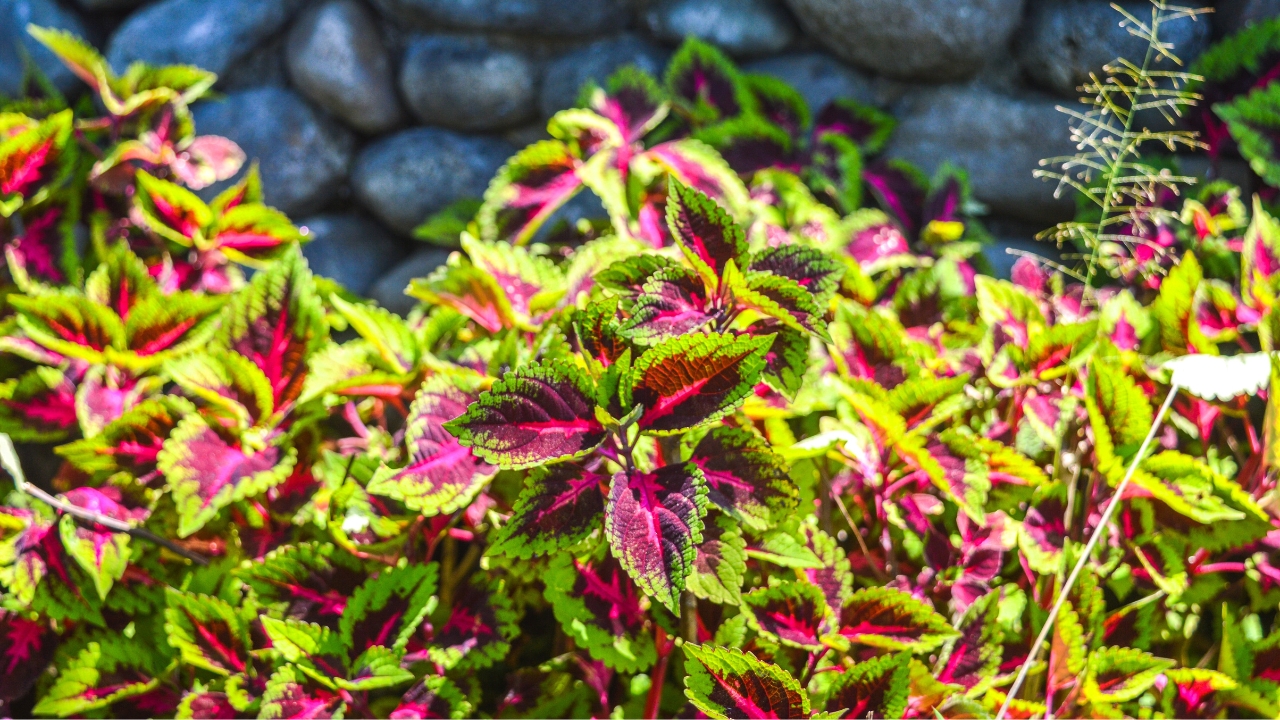
Coleus plants are known for their colorful leaves, but they’re a favorite target for mealybugs and whiteflies. These bugs live under the leaves and feed on plant juices, which causes stunted growth and yellowing.
Because coleus is often used in pots and borders, infested plants can spread pests to your porch or patio. Keep an eye out for white, cottony residue and consider rotating them out if the infestation keeps coming back.
Petunias
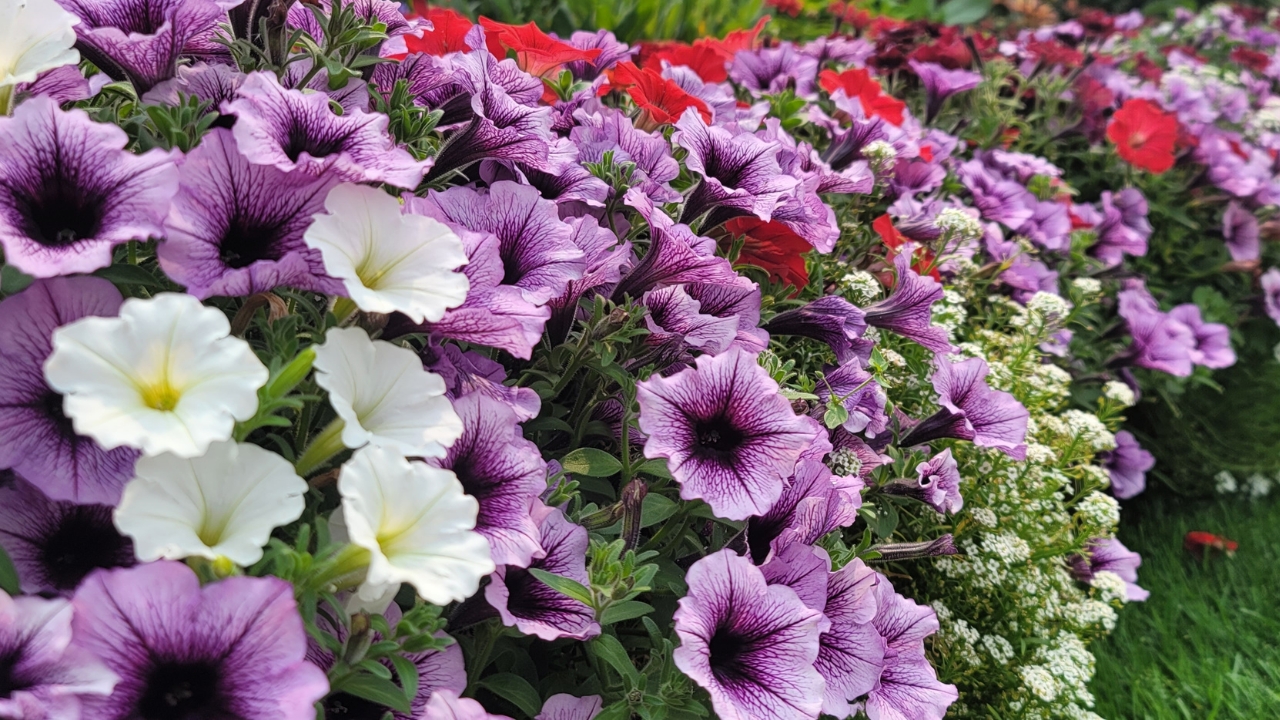
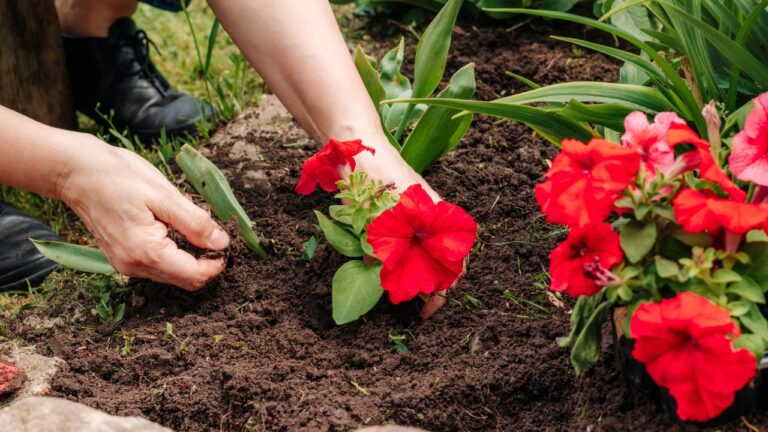
Petunias look great in hanging baskets and containers, but they attract caterpillars and budworms that chew through buds and blooms quickly. You’ll often notice holes or petals that look half-eaten.
These pests are tough to spot until the damage is done. If your petunias are struggling mid-season, deadhead often and keep them spaced out to limit pest buildup. A light spray of BT (Bacillus thuringiensis) can help control caterpillars.
Impatiens
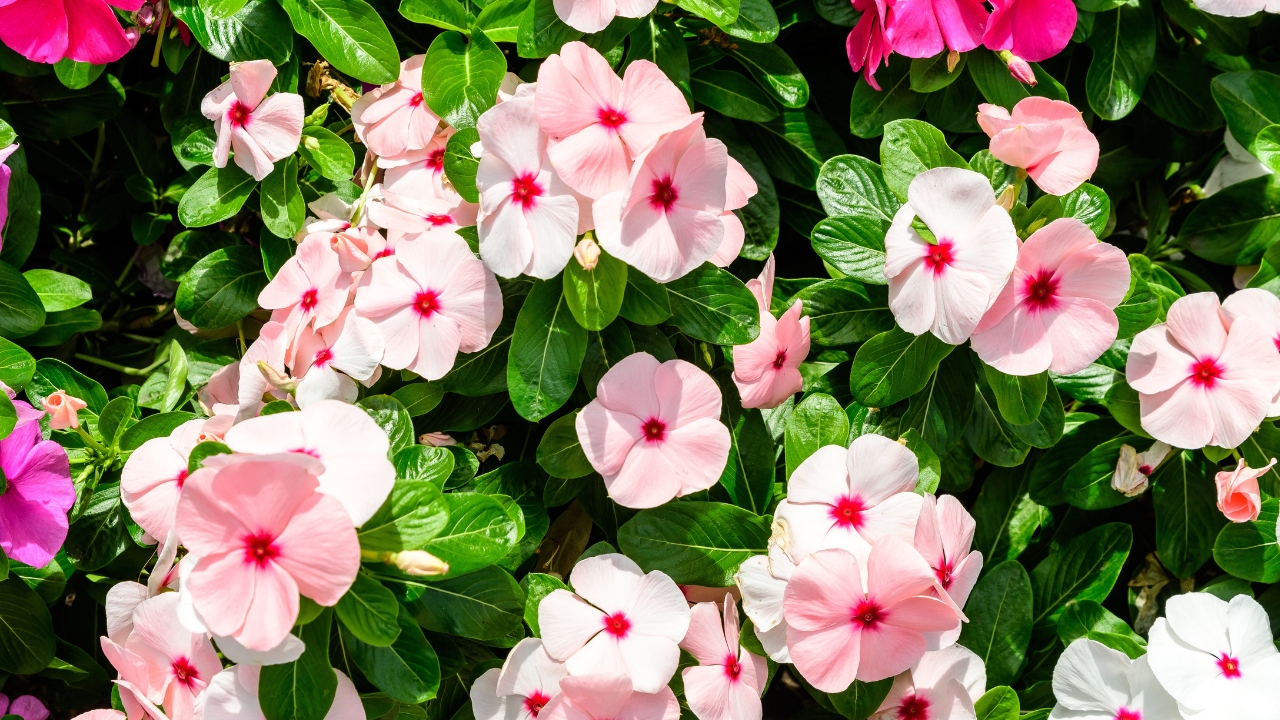
Impatiens are a go-to for shady beds, but they’re prone to whiteflies and fungus gnats, especially when overwatered or crowded. These bugs thrive in moist, humid soil and can quickly overwhelm your plants.
Sticky traps help catch adult gnats, but the real fix is letting the soil dry out between waterings and avoiding overcrowding. If the leaves are turning yellow or drooping, take a closer look at the soil for larvae.
Sweet Alyssum
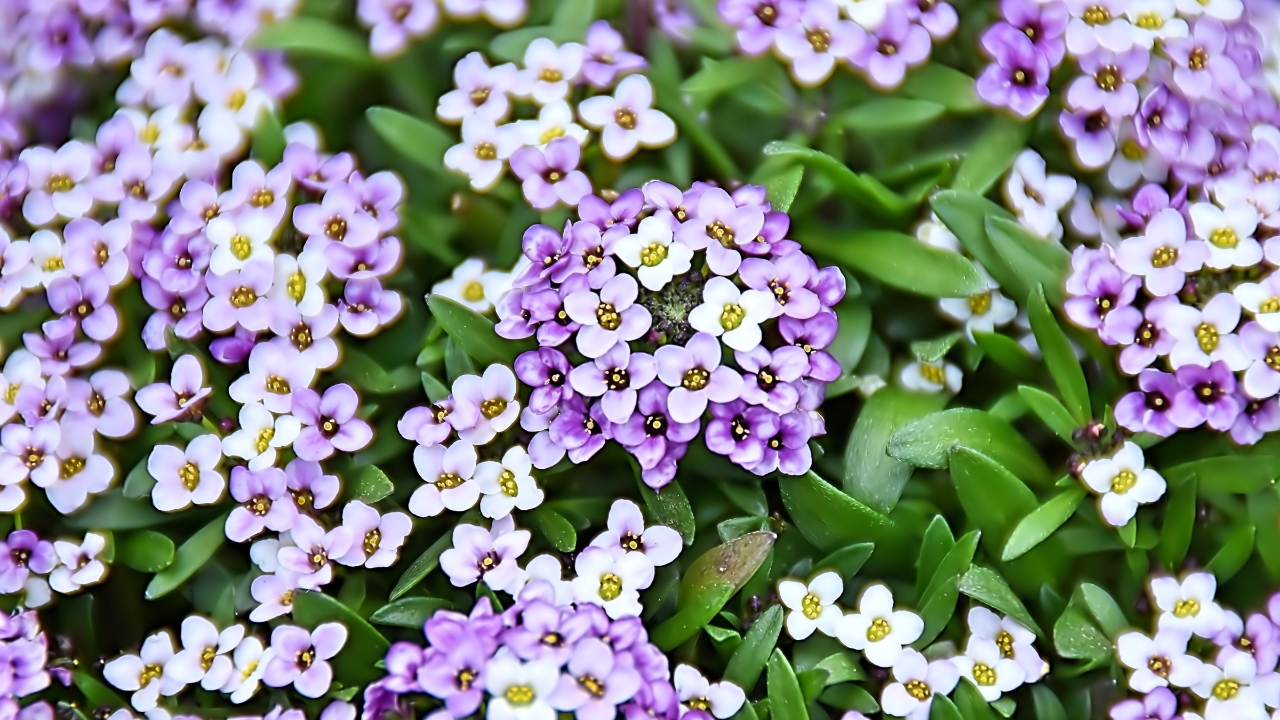
Sweet alyssum adds a nice carpet of color and smells great, but it tends to draw in beetles and hoverflies, especially when planted in big patches. The strong scent and low growth habit make it easy for bugs to nest and hide underneath.
If you’re using alyssum as a border, break it up with other plants to keep bugs from settling in. Trimming it back after the first bloom can also help reduce pest attraction.
Like Fix It Homestead’s content? Be sure to follow us.