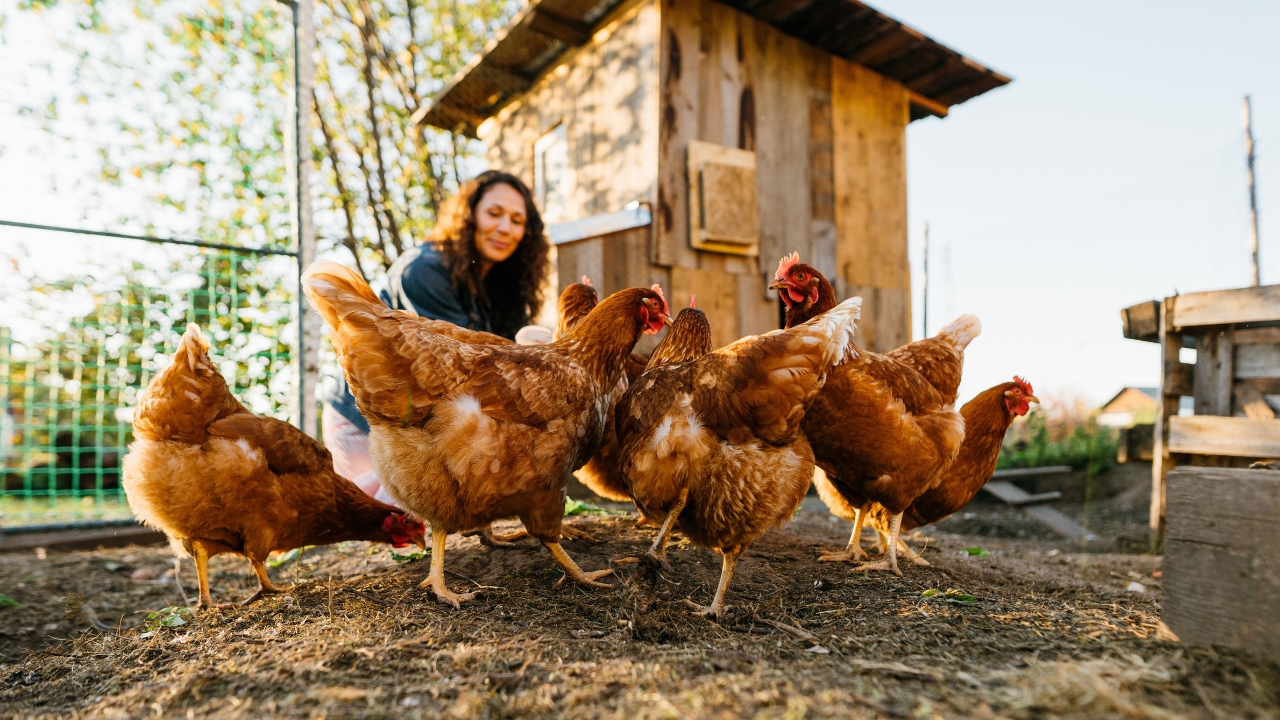
9 Tips for Building the Perfect Chicken Coop
Photo credit: IRA_EVVA/Shutterstock.com
Building a chicken coop doesn’t have to be complicated, but it’s definitely something you want to get right. Chickens aren’t just backyard decorations—they’re little feathery personalities that deserve a space where they can thrive.
Whether you’re starting small or planning to grow your flock (because chicken math is real), there are a few must-haves to think about. From picking the right spot to keeping predators out, every detail matters. It’s all about setting up a space that keeps your chickens happy, healthy, and laying eggs while making your life a little simpler.
Plan for the Right Coop Size
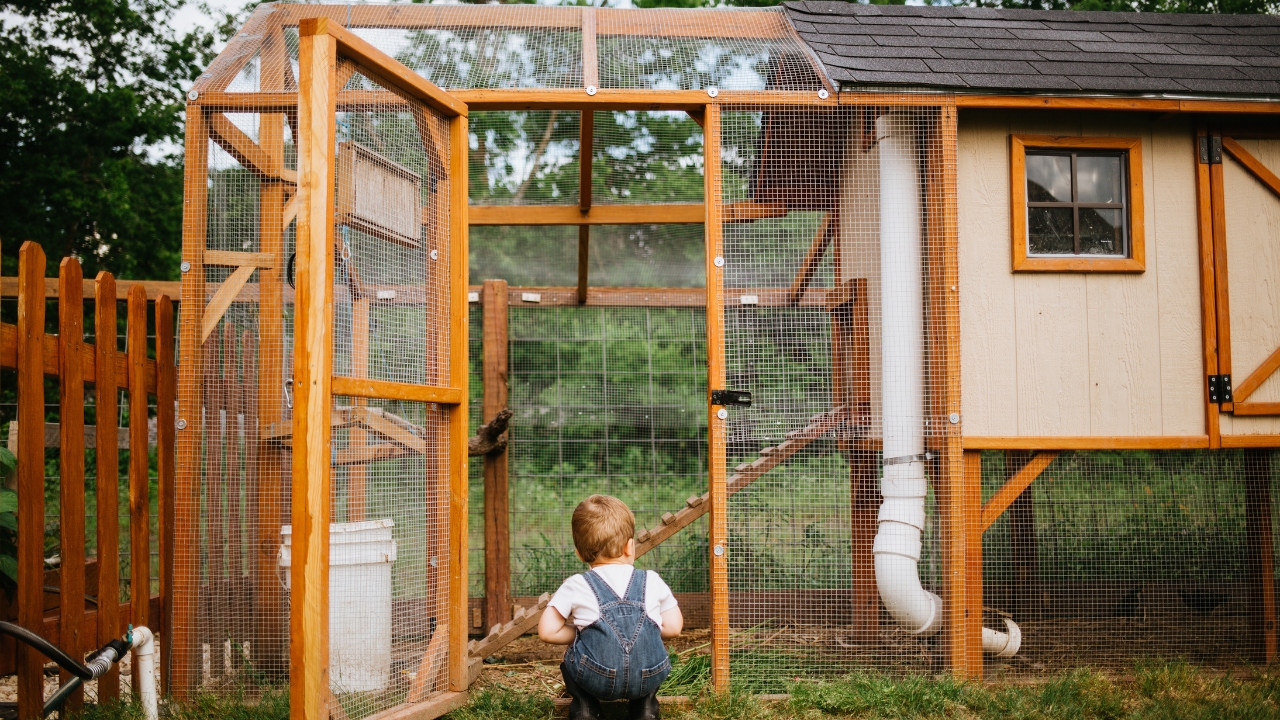
When deciding on the size of your coop, think beyond your current flock. Chickens have a way of multiplying (it’s called chicken math for a reason), so give yourself some wiggle room. You’ll need 2–3 square feet of space per standard chicken or 1–2 square feet for bantam breeds. And don’t forget to factor in space for feeders, waterers, nesting boxes, and roosts.
Adding storage space to your coop isn’t essential, but it’s incredibly convenient. Keeping feed and cleaning supplies nearby can save time, but make sure the area stays clean and pest-free. A little extra space for easy egg collection or keeping chickens contained during cleaning can also be a big help.
Protect the Coop With Predator-Proof Features
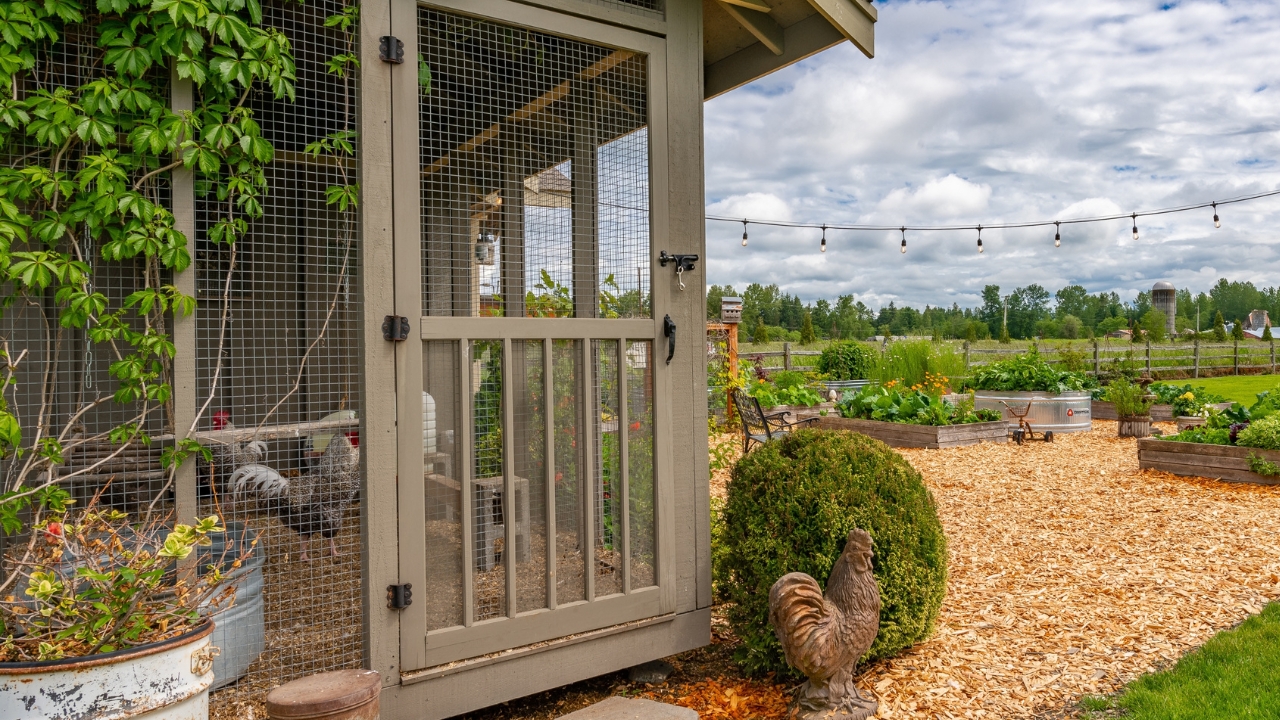
Keeping predators out should be a top priority. Metal latches like barrel bolts or carabiners are harder for sneaky raccoons or foxes to open, and locking your chickens in at night adds another layer of safety. Automatic coop doors are great for when you’re away and can’t do the nightly lock-up yourself.
Reinforce weak spots with hardware cloth or heavy-duty wire mesh—it’s much stronger than standard chicken wire. Sturdy hinges and extra locks make the coop even more secure.
Repurpose Existing Structures
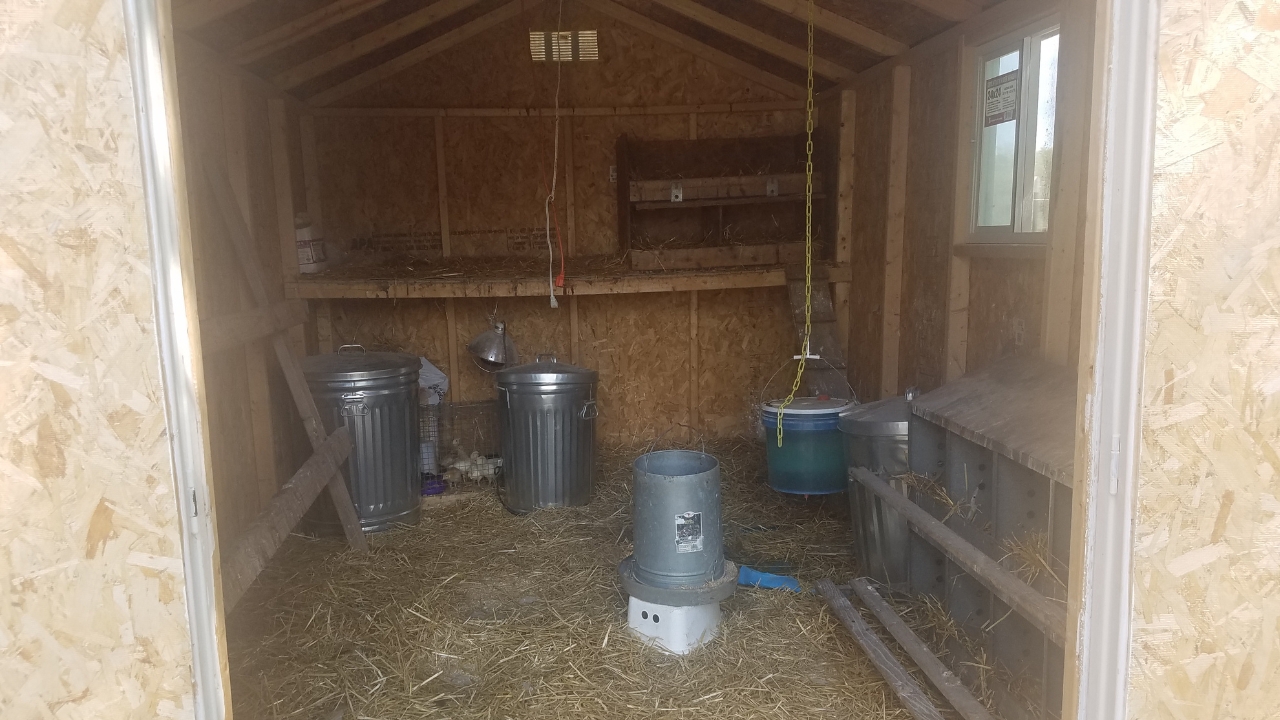
Turning an old playhouse, garden shed, or doghouse into a chicken coop is a smart way to save money and materials. A little creativity can go a long way, but safety comes first. Make sure the structure is solid and free of harmful materials like lead paint or treated wood.
Before using anything salvaged, clean and disinfect it thoroughly. You’ll also want to build a sturdy, predator-proof enclosure around the structure to keep your chickens safe.
Choose the Right Coop and Run

To get started, you’ll need a setup that’s secure and the right size for your flock. For up to three hens, a 4-by-4 foot critter-proof coop and a 4-by-8 foot screened-in run work well. That said, more room is always better—it gives your chickens space to move and stay happy.
When shopping or building, make sure the coop materials are sturdy enough to keep predators out. A solid base and durable screening are a must. This setup ensures your chickens have a safe, comfortable space to call home.
Add Good Ventilation

Proper ventilation is key to keeping your chickens healthy. Stagnant air can lead to respiratory problems, so your coop needs good airflow. Screens for walls or vents near the roof allow hot air to escape without creating a draft.
A slanted roof can also help air circulate naturally while keeping rain out.
Give Your Chickens Some Natural Shade
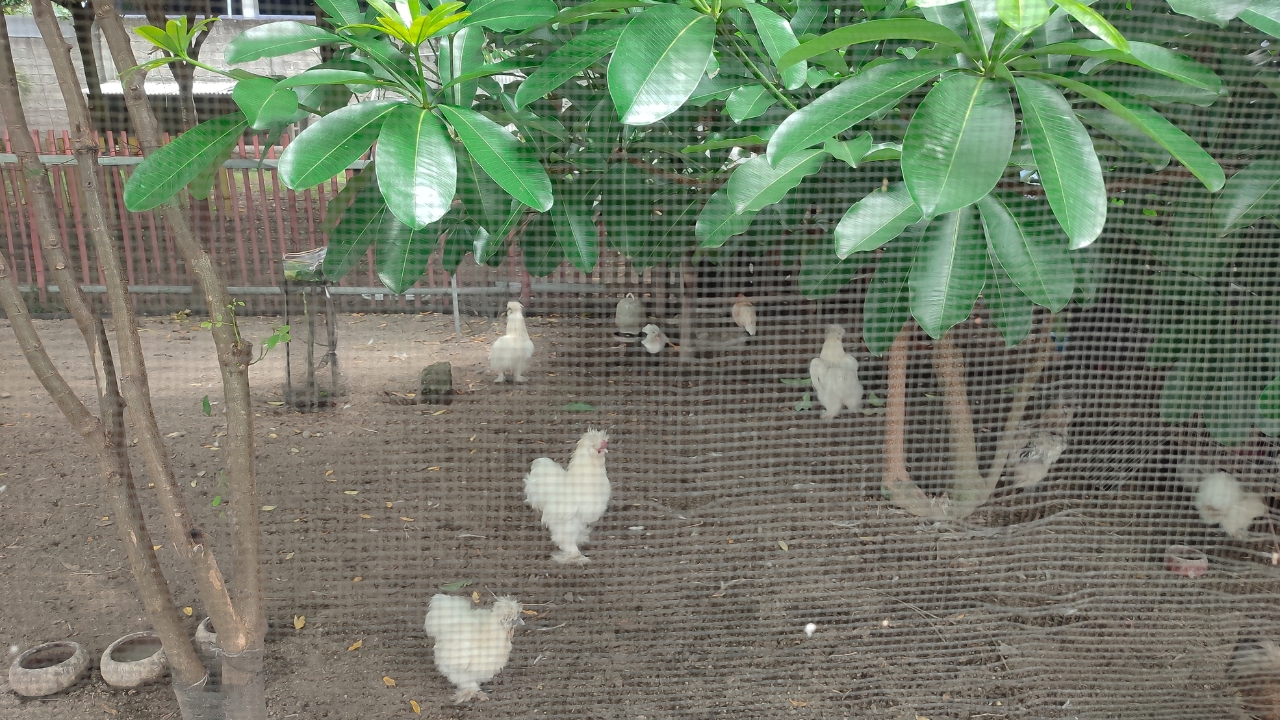
A shady spot makes a world of difference for your chickens, especially in the summer. Setting up the coop under a tree gives them relief from the heat, while still letting the winter sun through when the leaves are gone. It’s a simple way to keep your flock comfortable all year.
Raise the Coop for Cleaner Living
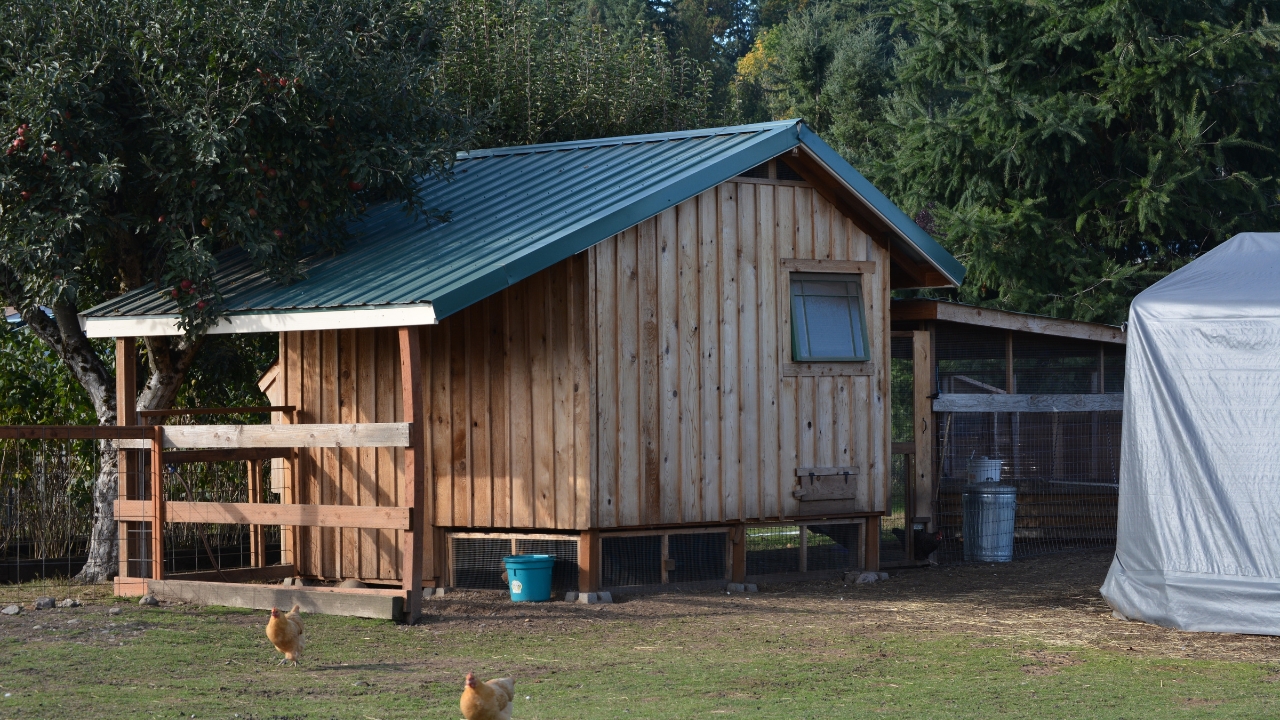
Lifting your coop a couple of feet off the ground can solve so many issues. It keeps the area dry when it rains, which helps prevent health problems for your chickens. Plus, it’s easier to clean underneath—no crouching or awkward scrubbing sessions.
A small ramp lets your chickens come and go easily, and adding barn-style doors can make cleaning even simpler. If you’re planning the design, think about including a hinged floor for easier access to the inside.
Light It Right for Steady Egg Laying
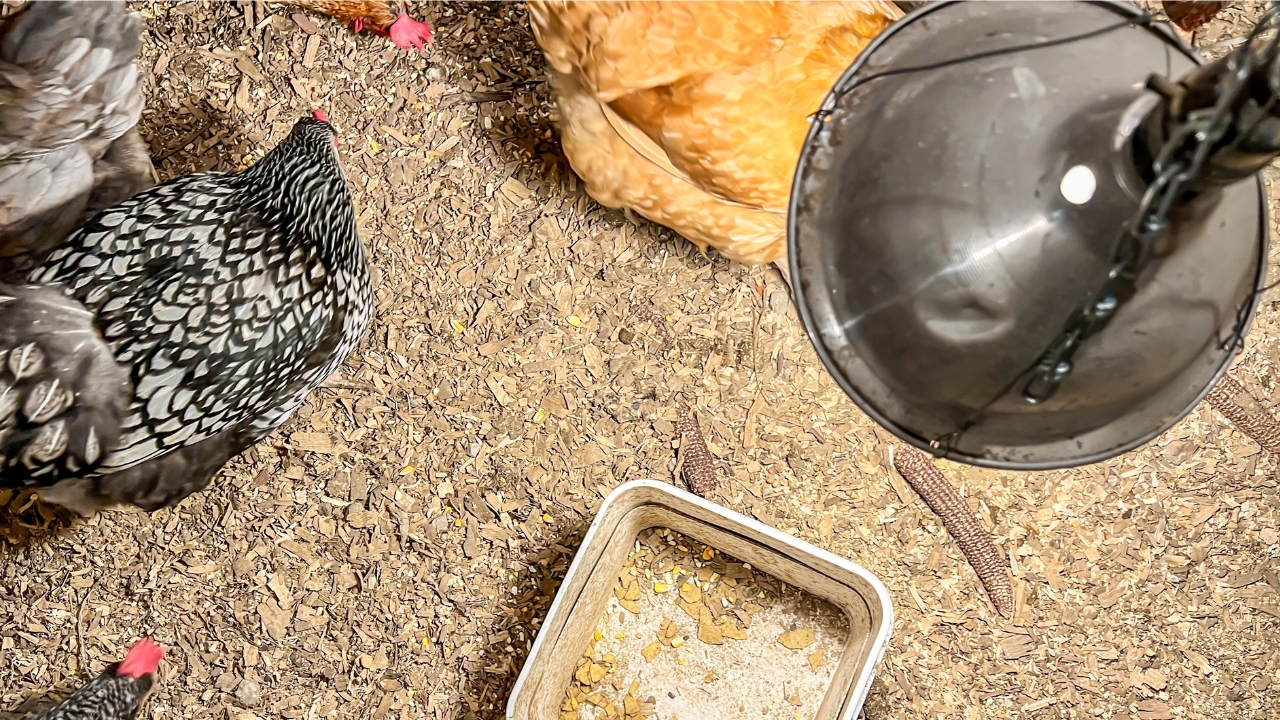
Chickens need plenty of light to keep laying, and shorter winter days can slow things down. Installing warm, natural-toned lighting can help maintain their schedule. Harsh, bluish lights don’t work well and might even stress them out, so keep it soft and cozy.
Using a timer takes the guesswork out of managing light hours, and solar-powered options are great if you want to save on electricity. It’s a small adjustment that keeps egg production steady without disrupting their routine.
Nesting Boxes Should Be Cozy and Practical

Nesting boxes don’t need to be fancy, but they do need to feel safe and comfortable. Line them with straw or wood shavings to create a cozy spot for laying eggs. Repurposed items like baskets work just as well as store-bought boxes, so use what you have.
Make sure your chickens have roosting perches for sleeping. A wooden dowel or sturdy rod does the job. Place these higher than the nesting boxes so your chickens don’t use them as sleeping spots. Keeping things clean and organized makes life easier for everyone.
Like Fix It Homestead’s content? Be sure to follow us.