10 Mower Mistakes That Are Quietly Cutting Years Off Its Life
Photo credit: AndrWater/Shutterstock.com
A mower doesn’t usually die all at once—it wears out from a bunch of little things most folks don’t realize are a problem. And once those problems stack up, you’re either stuck paying for repairs or shelling out for a new one.
If your mower isn’t running like it used to, odds are you’ve been doing one (or more) of these without thinking twice.
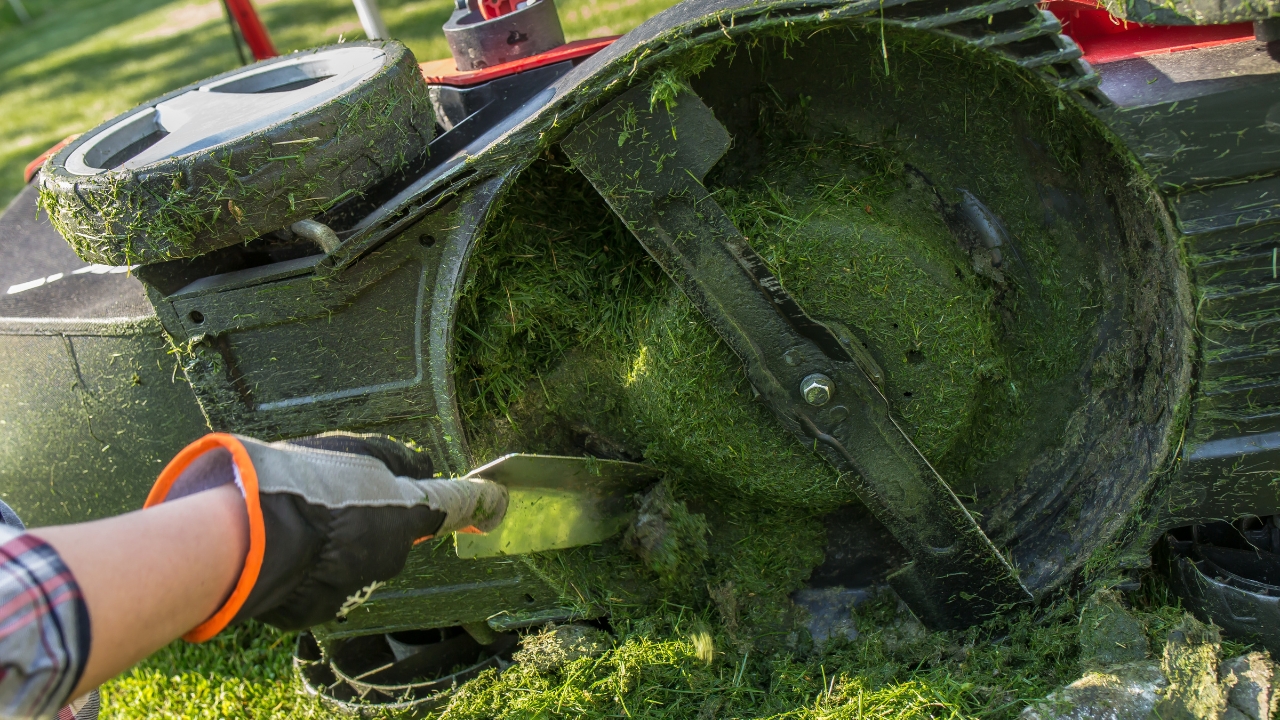
Running Dull Blades

If your mower blade’s dull, it’s not cutting—it’s tearing. That makes your engine work harder every pass, which shortens its life. Plus, it beats up your grass and leaves it looking rough.
Take a look at your blade. If the edge is rounded or nicked, sharpen it or replace it. Don’t wait until the cut looks bad. Keeping that blade sharp means a cleaner cut and a mower that doesn’t have to fight through every inch of your yard.
Cutting Wet Grass
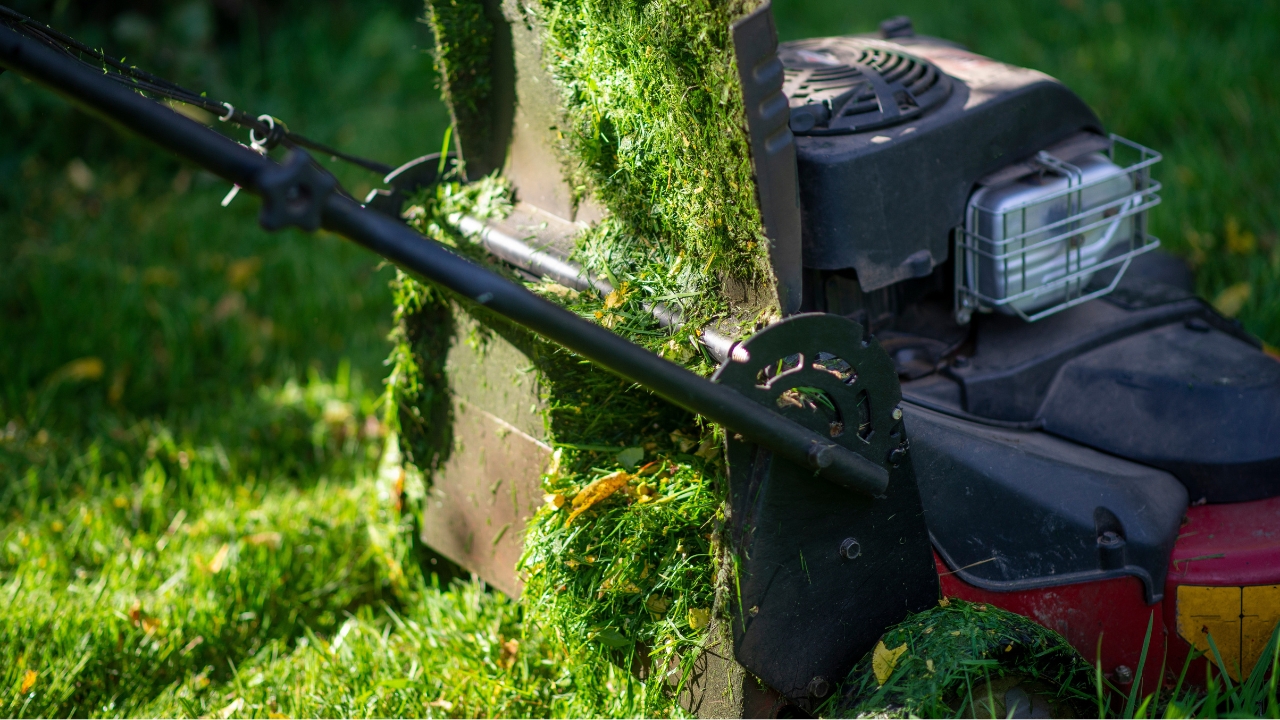
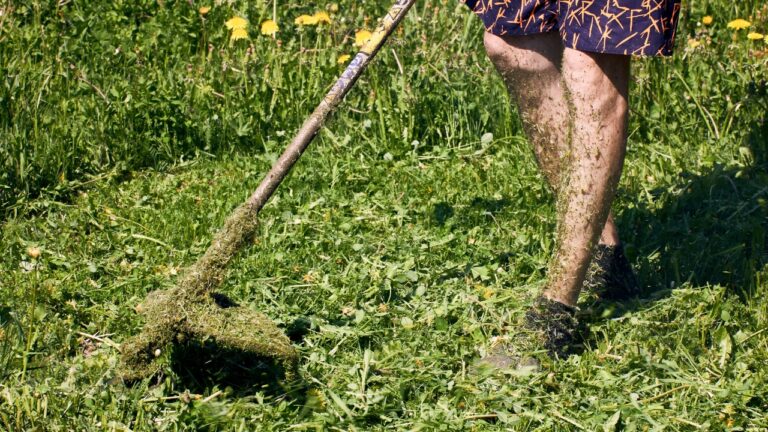
Wet grass clogs everything—your deck, your blades, and your patience. And when it cakes up under the deck, it holds moisture that rusts out the steel and bogs down your motor.
If the grass squishes under your boots, hold off. Let the sun do its job. You’ll get a better cut, keep your engine from straining, and save yourself from scraping out clumps of mess later.
Leaving Clumps Under the Deck
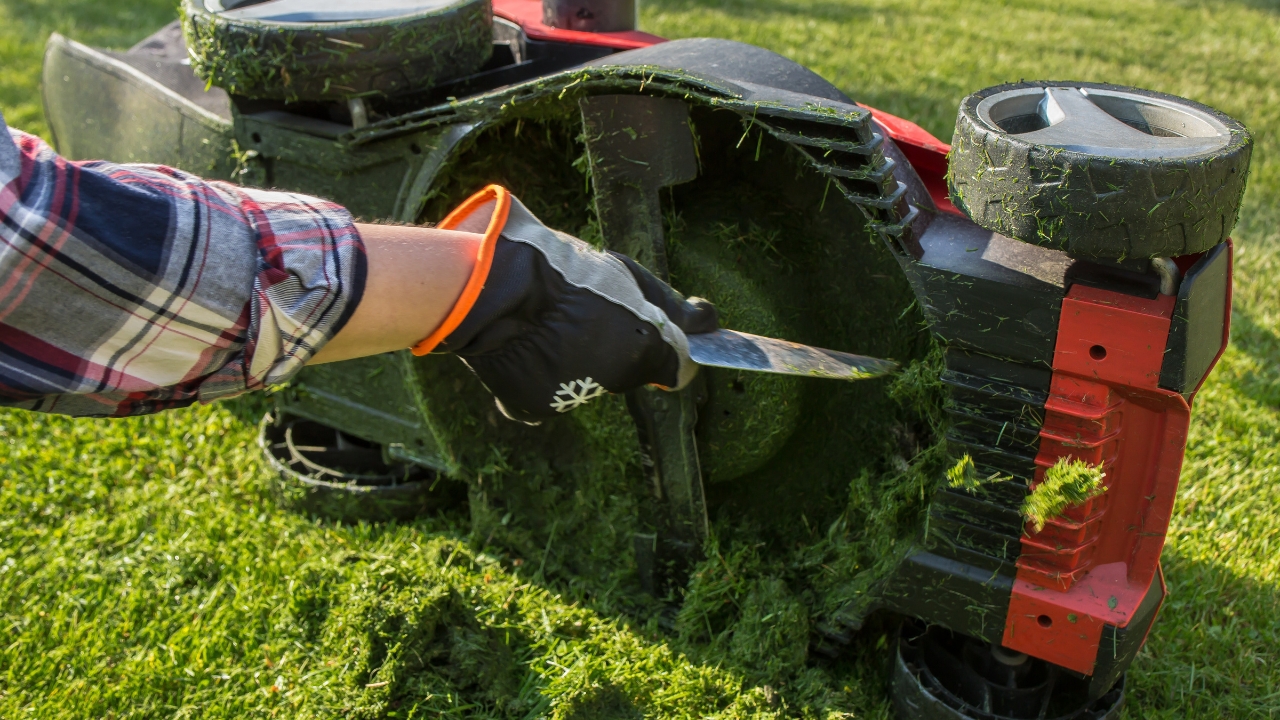
Clumped-up grass underneath your mower deck traps moisture and rots metal. That build-up also throws off your blade balance and airflow, making each mow worse than the last.
Take a minute after each mow to scrape the deck clean. It’s not fun, but neither is buying a new deck when yours rusts through. A clean underside helps your mower stay efficient and last longer.
Overfilling the Gas Tank
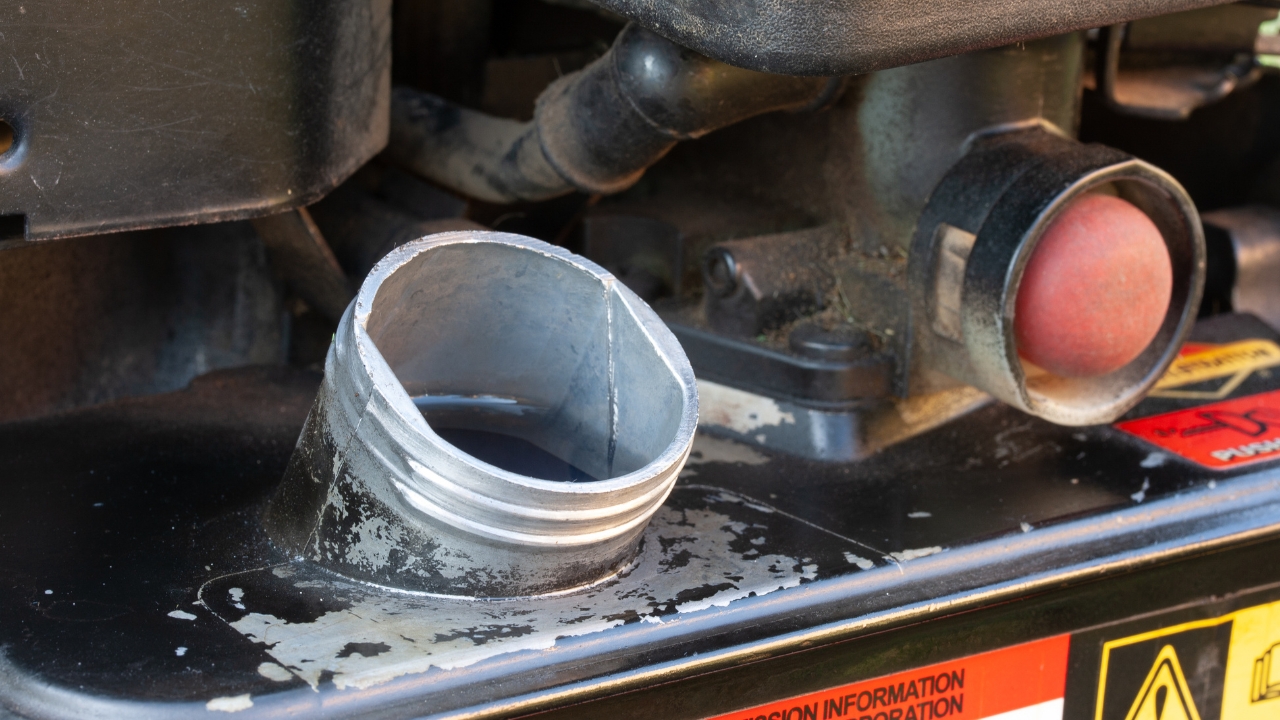
More gas doesn’t mean more power—it means more risk of spilling or letting old fuel gum up the system. If you’re topping off before every mow and letting it sit, you’re asking for carb trouble.
Fuel breaks down fast. Don’t fill more than you’ll use in the next couple of weeks. If the mower’s going into storage, drain it or stabilize it. That keeps the fuel system clean and saves you from hard starts later.
Forgetting the Oil

Running your mower low on oil—or with dirty oil—will wreck it faster than anything else on this list. That little engine needs clean oil to keep things moving without grinding down.
Check it often. Change it once or twice a season, and don’t ignore it if the oil looks black or gritty. Clean oil keeps your engine alive. It’s that simple.
Using the Wrong Spark Plug
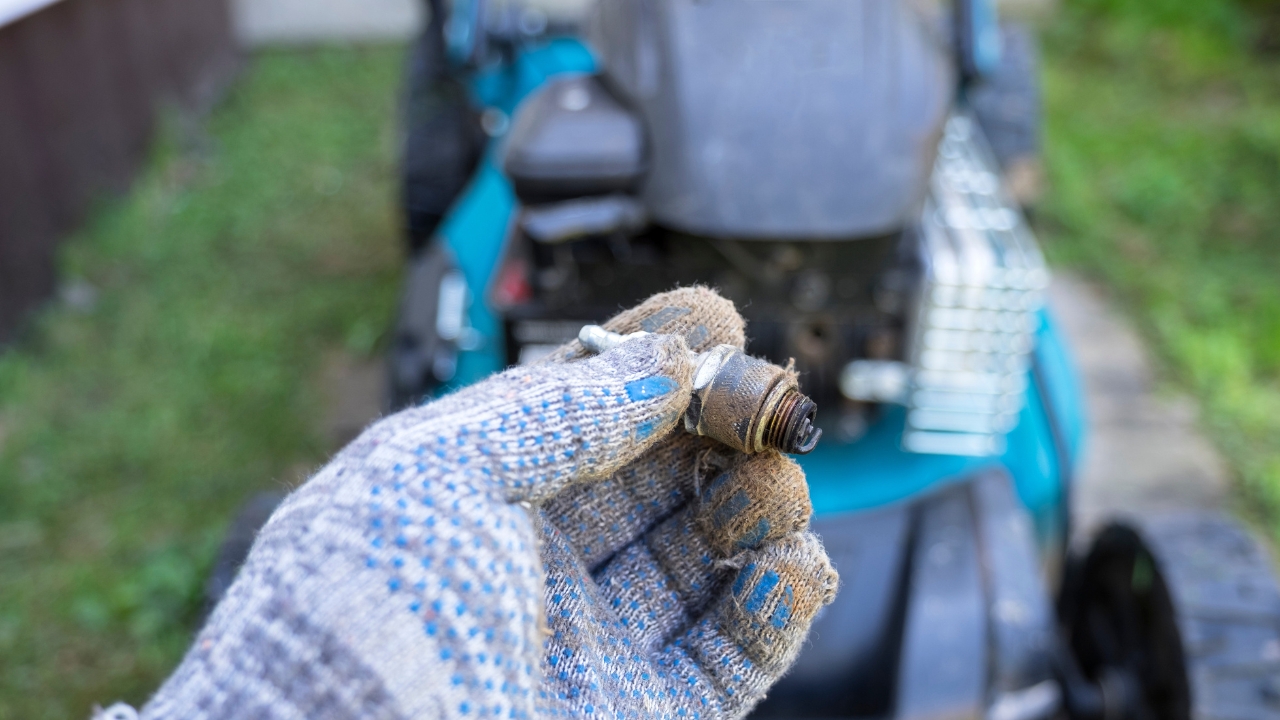
The wrong spark plug might let your mower run for a while, but it can mess with ignition and wear your engine down. You might not notice until it starts stalling or refusing to start.
Use the one your manual recommends. It’s a cheap part with a big job. Swapping it out once a year helps keep your mower firing like it should.
Leaving It in the Weather
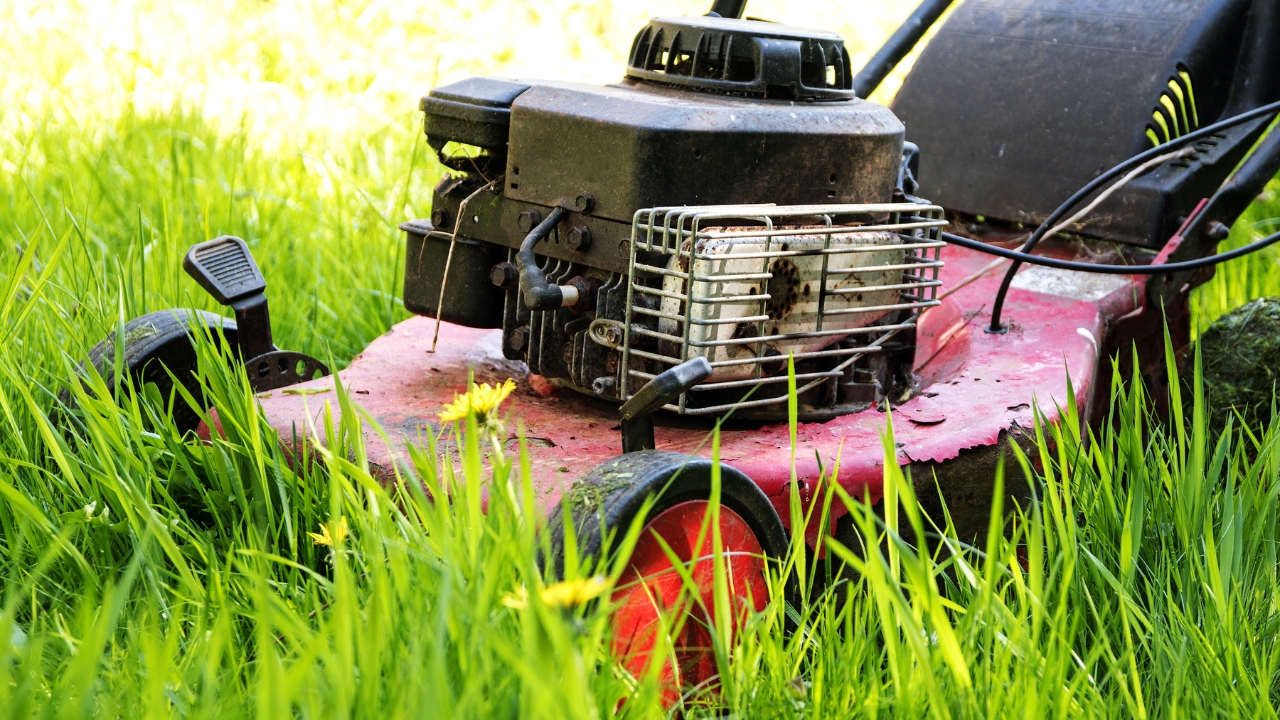
Sun bakes the plastic. Rain rusts the steel. Snow kills the battery. Leaving your mower exposed to the weather all season will shorten its life in a hurry.
Even a tarp is better than nothing. If you can park it in a shed or garage, do it. Covering it protects more than paint—it protects everything that keeps it running.
Neglecting the Air Filter
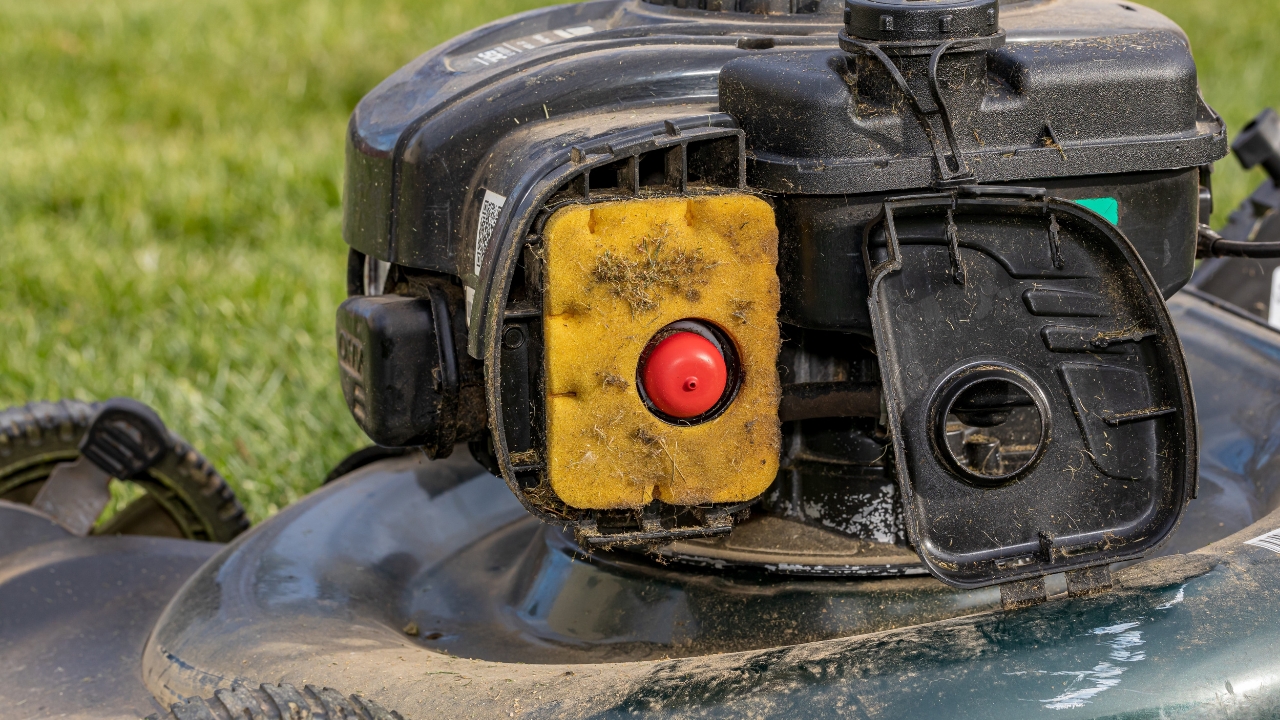
A clogged air filter chokes your engine. That leads to poor performance, overheating, and eventually engine failure. It’s one of the most ignored parts—and one of the easiest to fix.
Pop it out every few weeks and give it a look. If it’s full of dust, swap it. Don’t wait until your mower starts wheezing. A clean filter keeps your engine breathing right.
Ignoring Loose Bolts and Noises
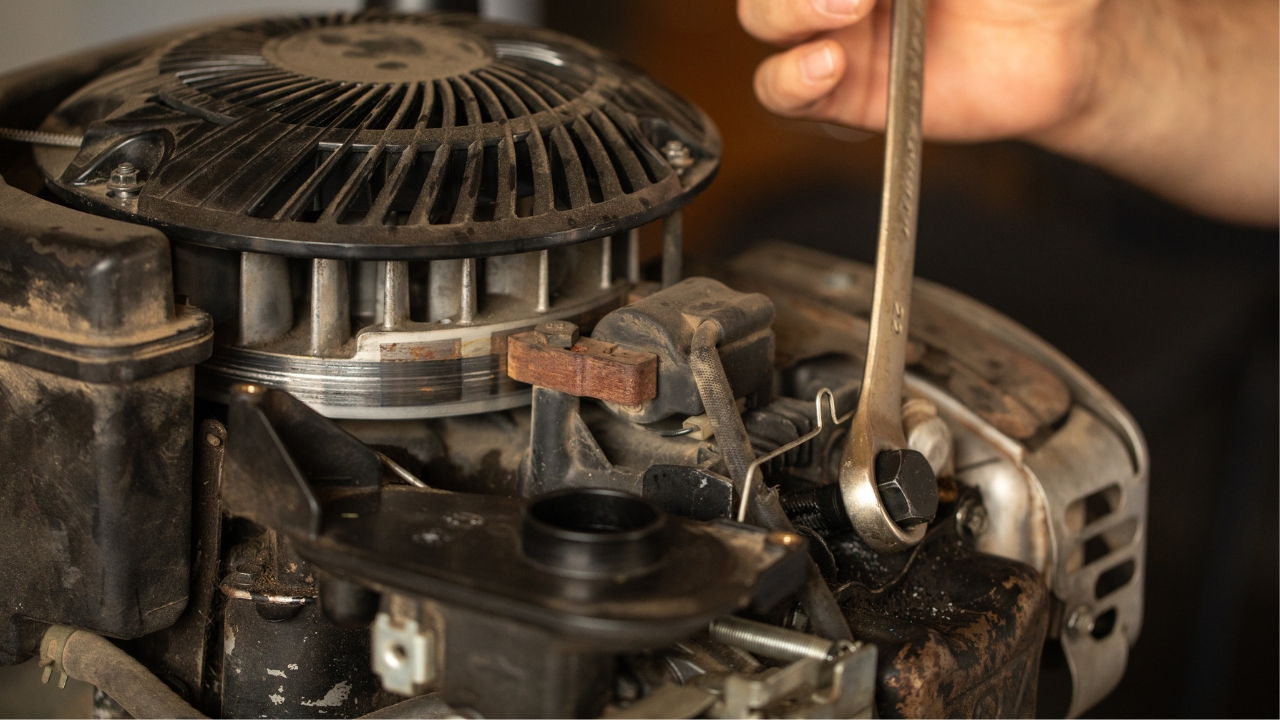
If you hear a new rattle or vibration and shrug it off, you’re asking for trouble. Loose parts don’t stay harmless—they break things when they come off.
Give your mower a quick once-over every few mows. Tighten anything that feels off. Catching something loose before it becomes a problem will save you time, money, and headaches.
Letting Old Gas Sit All Winter
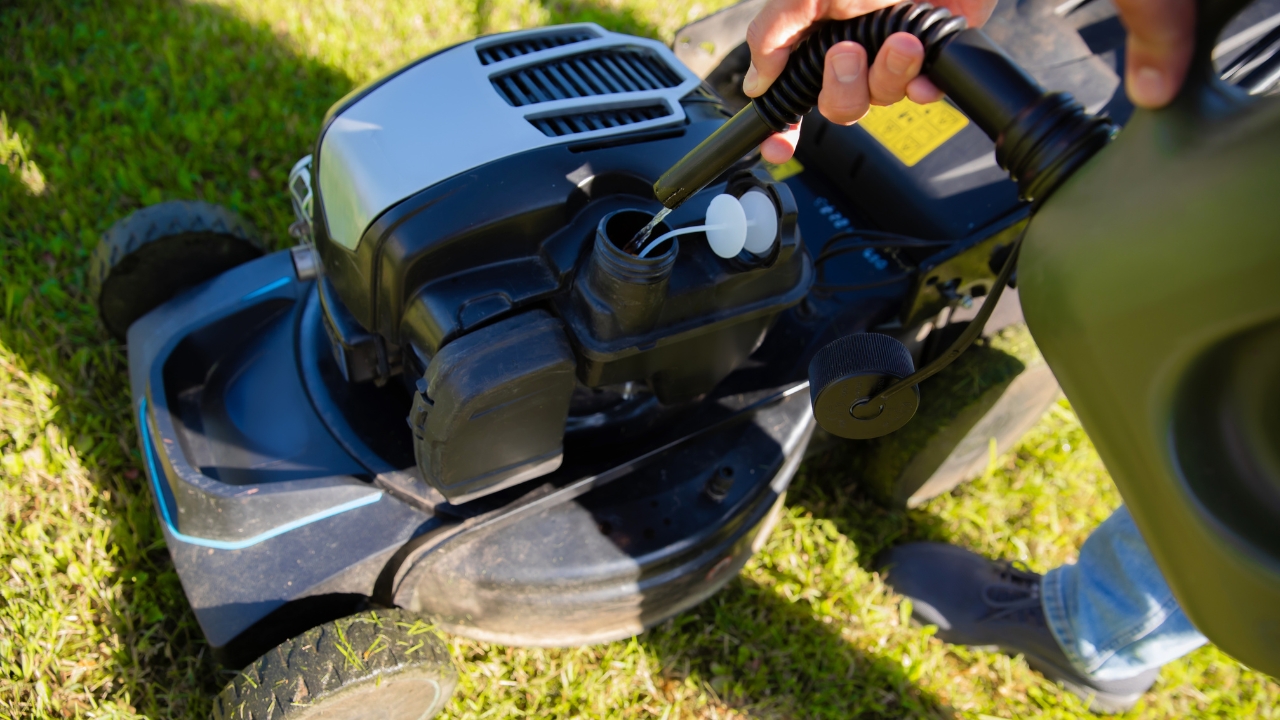
Leaving untreated gas in the tank over winter gums up the carburetor and clogs fuel lines. It’s one of the top reasons mowers don’t start in the spring.
Before you park it for the season, run the gas out or treat it with stabilizer. That one step keeps the fuel from turning on you—and your mower ready when you need it again.
Like Fix It Homestead’s content? Be sure to follow us.