10 Things Around the House You’re Probably Scrubbing Too Hard
Photo credit: Yevhen Prozhyrko/Shutterstock.com
Not everything in your house likes to be scrubbed. In fact, scrubbing some surfaces does way more harm than good. It can scratch finishes, ruin materials, and shorten the life of things you probably paid good money for.
A lot of people don’t realize that some things need a gentler approach—or a totally different cleaning method altogether. If you’ve been scrubbing these, it’s time to stop before the damage gets worse.
Hardwood Floors
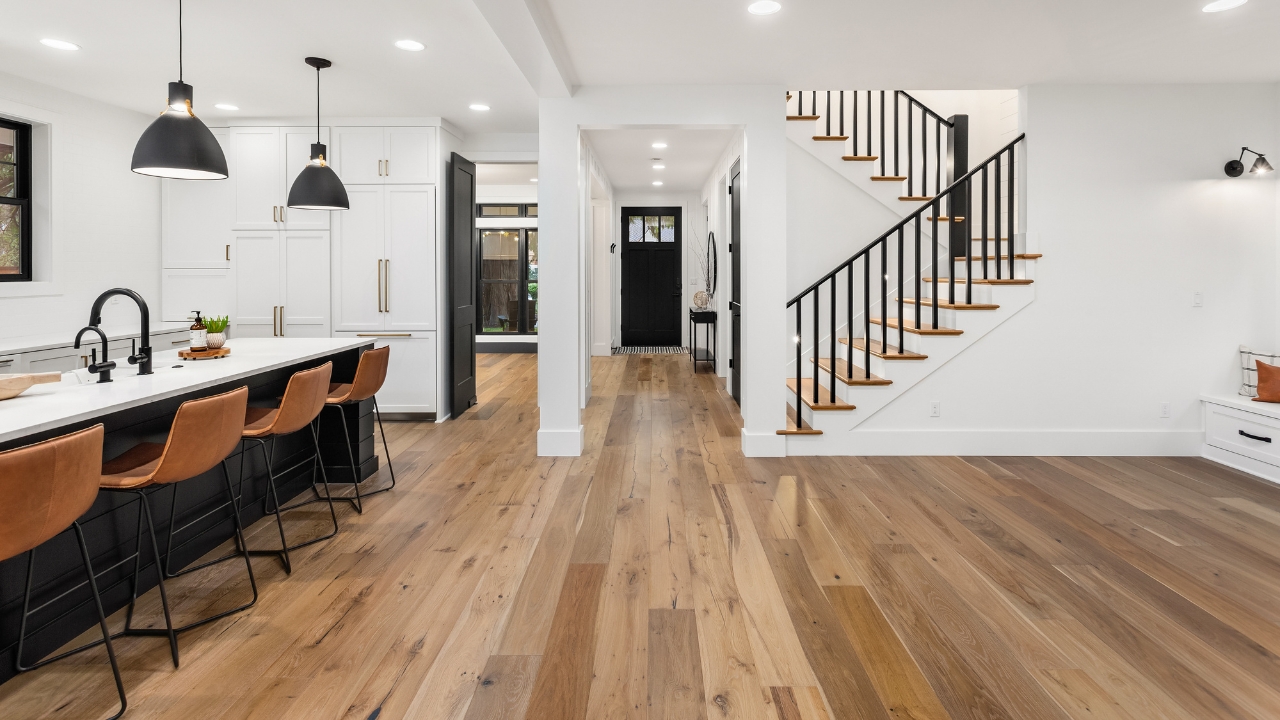
Scrubbing hardwood might feel productive, but it’s a fast track to scratches and dull spots. Even with a soft brush, the pressure can wreck the finish.
Stick to microfiber mops and gentle cleaners made for wood. Anything abrasive—even scrubbing with a rag and elbow grease—can grind dirt into the surface and ruin it over time.
Stainless Steel Appliances
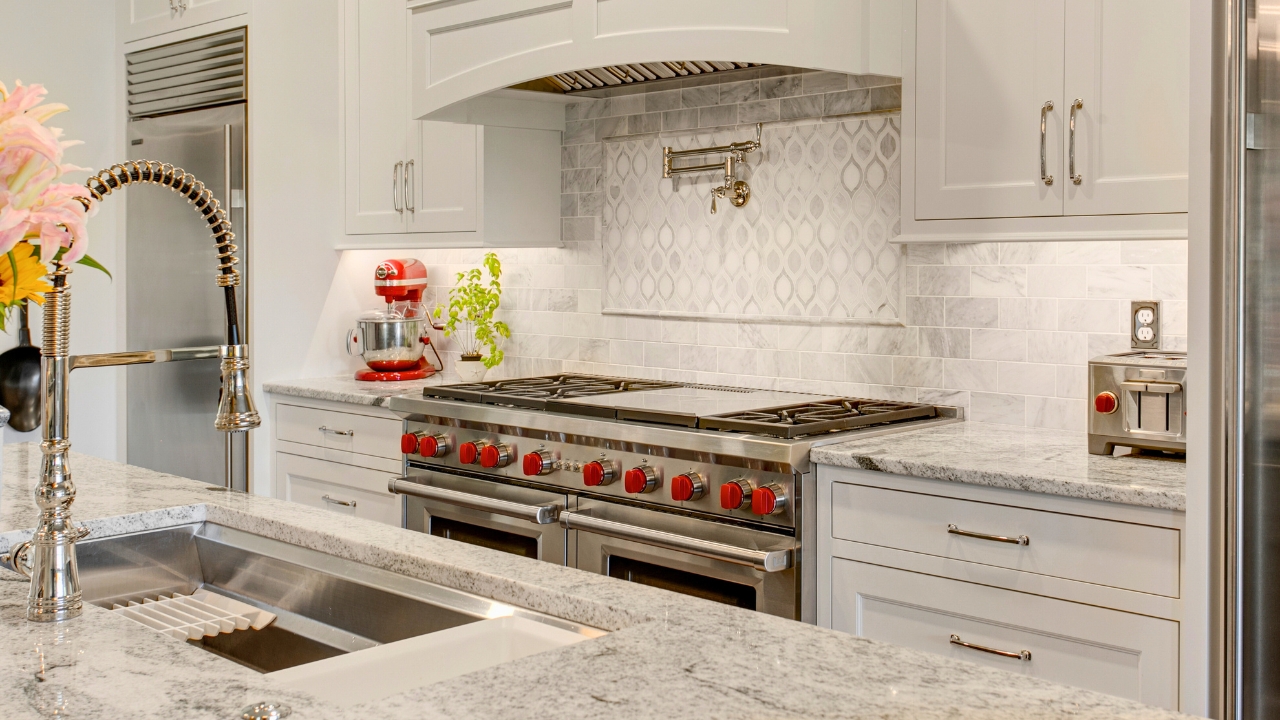
It seems like stainless steel should be tough, but it scratches easier than you think. Scrubbing with rough pads or even stiff brushes will leave permanent marks.
Use a microfiber cloth and a stainless-safe cleaner. Wipe with the grain, not against it. Anything more aggressive will dull the finish fast.
Cast Iron Pans
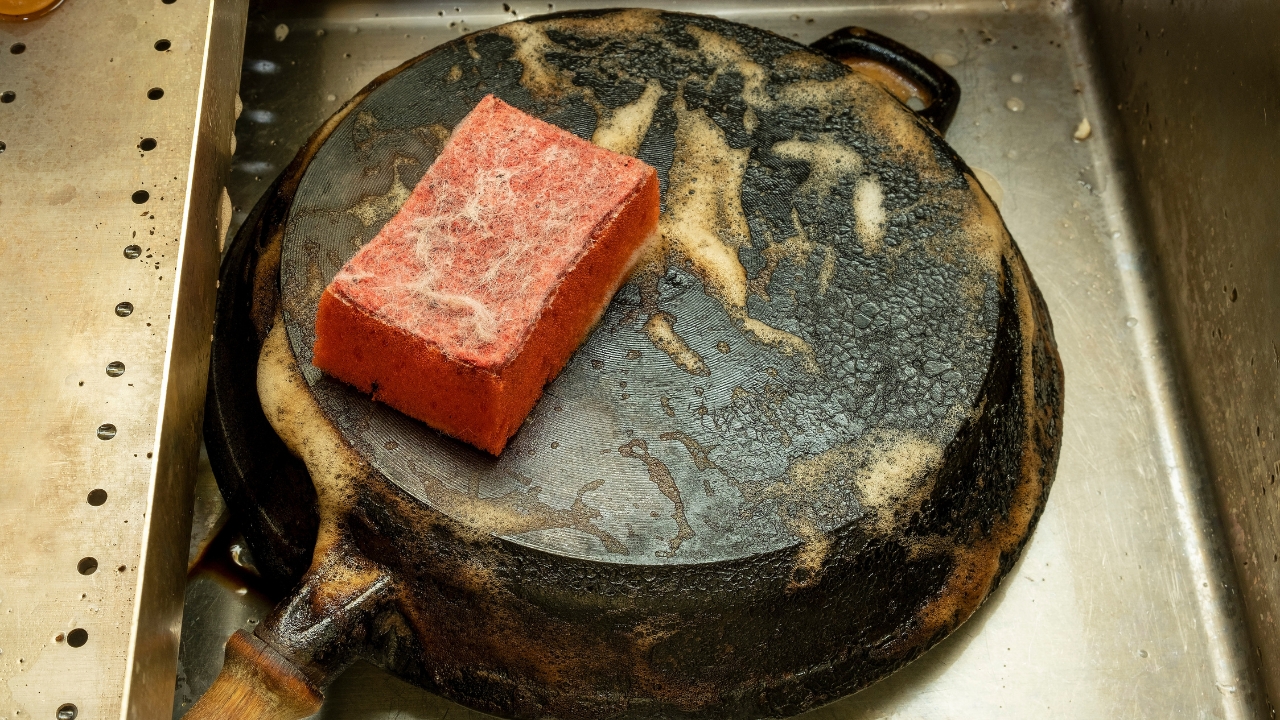
Scrubbing a cast iron skillet with soap or anything abrasive strips the seasoning right off. That seasoning is what keeps food from sticking and prevents rust.
Stick to hot water, a gentle scraper, or coarse salt. Anything harsher does more harm than good and means you’ll be re-seasoning it constantly.
Nonstick Cookware
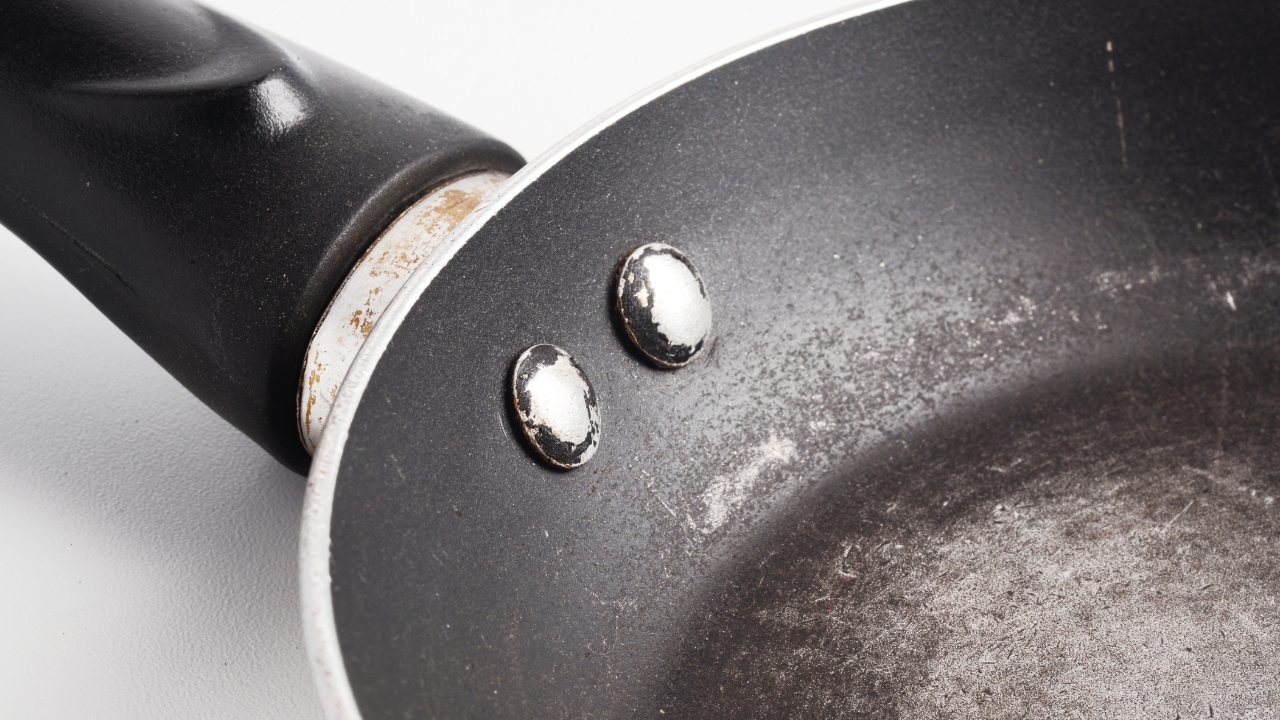
If you hit your nonstick pans with a scrub brush or steel wool, it’s game over. That coating isn’t built to take it.
Use soft sponges and warm soapy water. Even little scratches can cause food to start sticking, and the pan will go downhill fast.
Computer and TV Screens
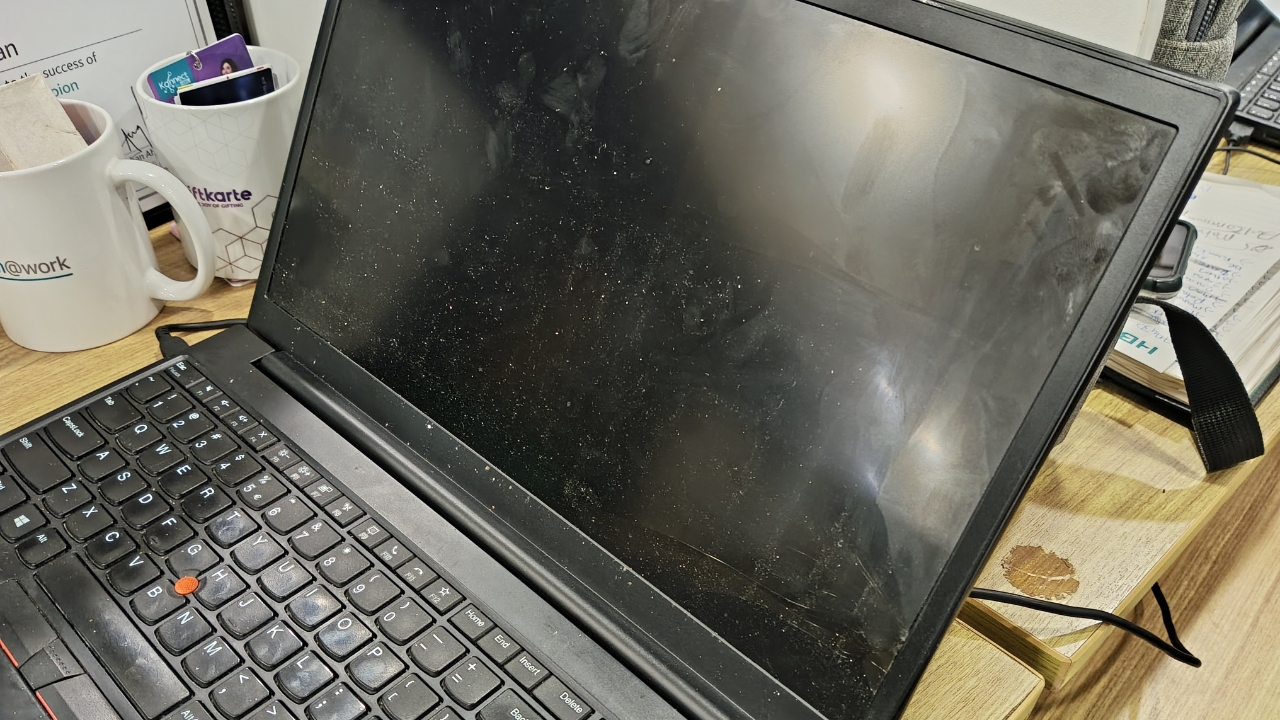
Scrubbing a screen—even with a paper towel—can scratch the surface coating. It also smears dust and oils, making things look worse.
Use a microfiber cloth with a tiny bit of water or screen-safe cleaner. Gentle circular motions do the trick. Anything else can permanently damage the screen.
Painted Walls
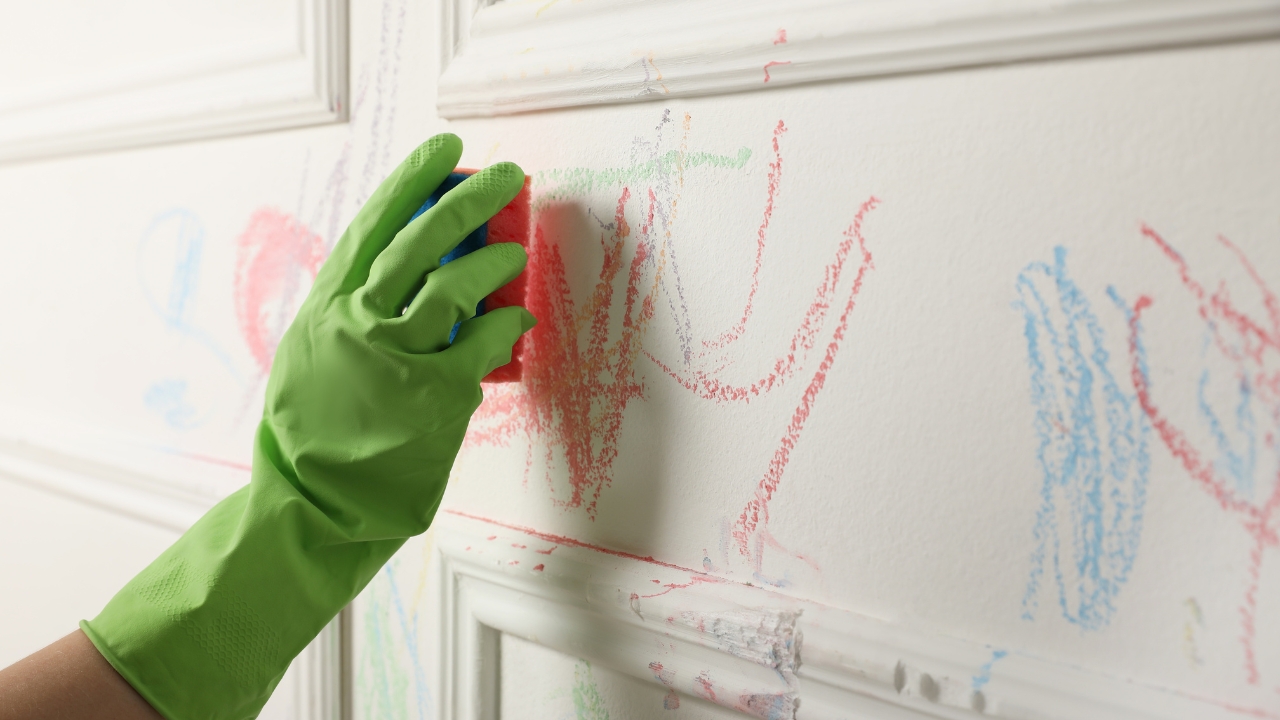
Scrubbing painted walls can leave shiny spots, dull patches, or even remove paint entirely. Flat and matte finishes are especially sensitive.
Use a soft sponge with diluted soap and barely any pressure. Dab—don’t scrub. For scuffs, a magic eraser works but will also strip some paint if you’re not careful.
Leather Furniture
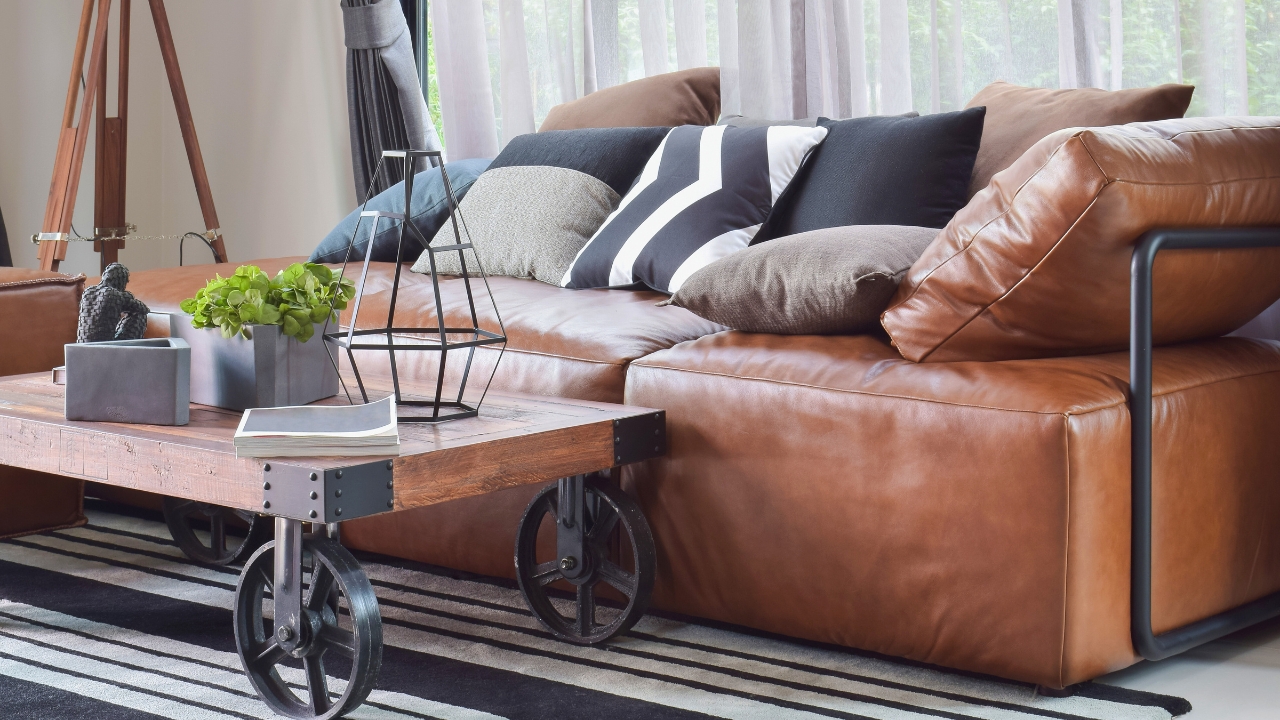
Scrubbing leather dries it out fast and leaves it cracked or discolored. Even rough cloths can cause tiny abrasions.
Wipe it with a damp microfiber cloth and use a leather conditioner regularly. Gentle care keeps it soft and looking good for years.
Granite Countertops

It’s easy to think granite can handle anything, but scrubbing with harsh pads or acidic cleaners etches the surface and dulls the shine.
Stick to warm water, mild dish soap, and a soft cloth. Anything rough can break down the sealant and leave your counters looking cloudy.
Glass Shower Doors

You’d think scrubbing would help those water spots disappear, but stiff brushes or abrasive pads scratch the glass coating.
Use a vinegar solution or a gentle cleaner with a microfiber cloth. It’s slower than scrubbing, but you won’t end up with permanent streaks and scratches.
Wood Cabinets
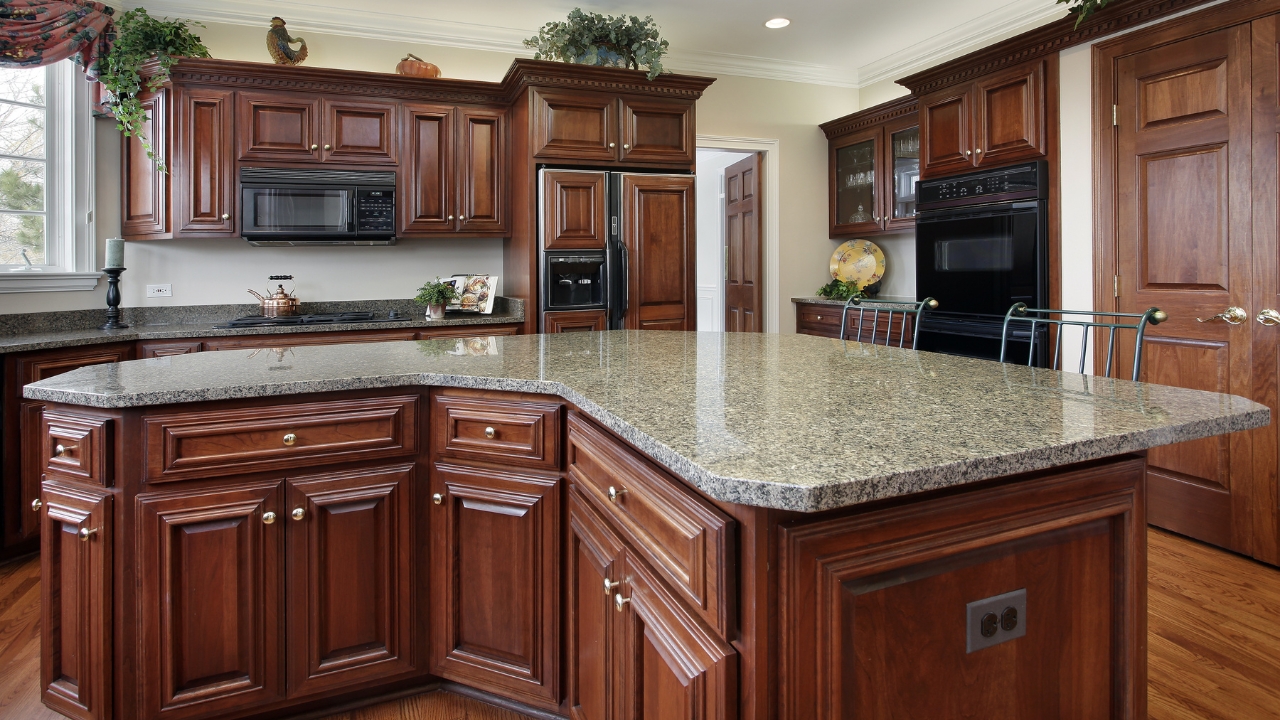
Kitchen and bathroom cabinets take a lot of abuse, but scrubbing them damages the finish and leaves them looking worn out.
Wipe with a damp cloth and mild soap. For greasy spots, use a degreaser made for wood. Skip the scrubbing pads—those wear the finish down fast.
Like Fix It Homestead’s content? Be sure to follow us.