9 Gardening Changes That Actually Help During a Drought
Photo credit: Lolostock – Apex Studios/ Shutterstock.com
When the rain dries up, your garden doesn’t have to throw in the towel. There are real, proven ways to help your plants hang on through a dry spell. It mostly comes down to working with the conditions you’ve got and setting your garden up to hold onto every drop of moisture it can. If you’re dealing with drought, here are the fixes that actually move the needle.
Switch to Deep, Infrequent Watering
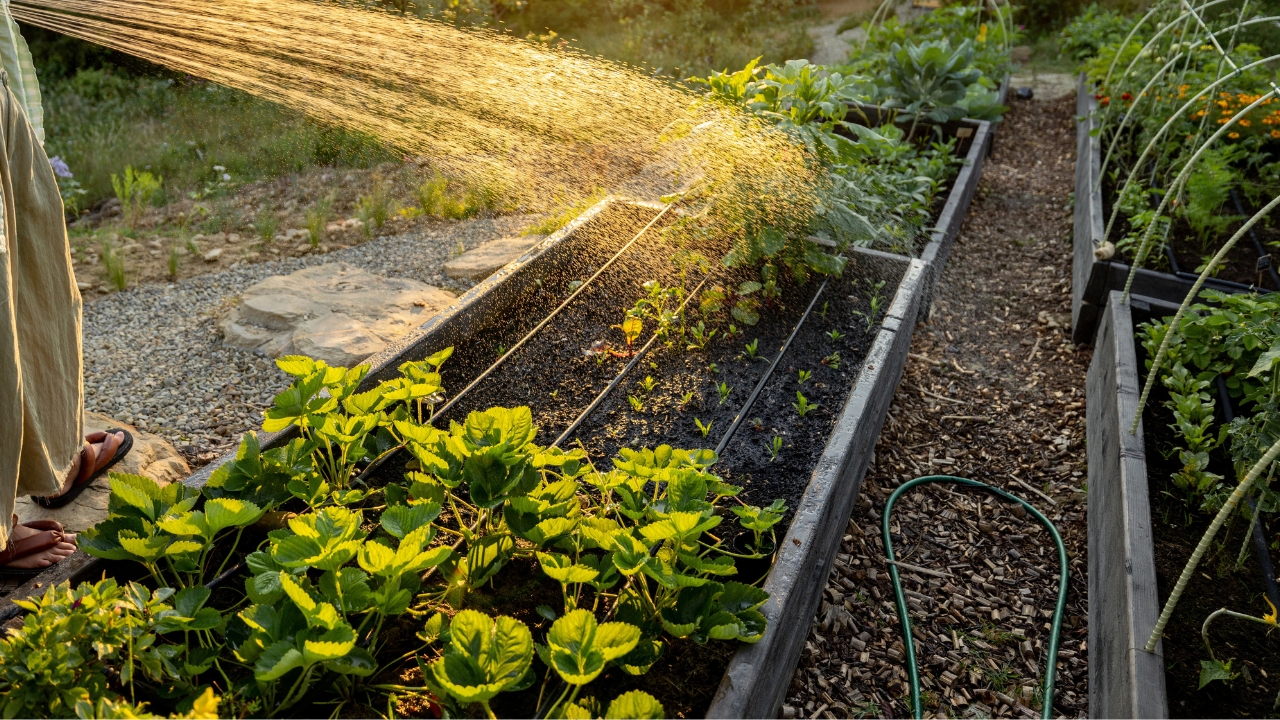
Shallow, daily watering trains plants to keep their roots near the surface, which dries out fast in the heat. When water is limited, you want roots to grow deep.
Water less often but more thoroughly, giving the soil time to absorb and hold moisture deeper down. Early morning is best—less evaporation, and the plants can take it in before the sun’s overhead.
Mulch Like It Matters
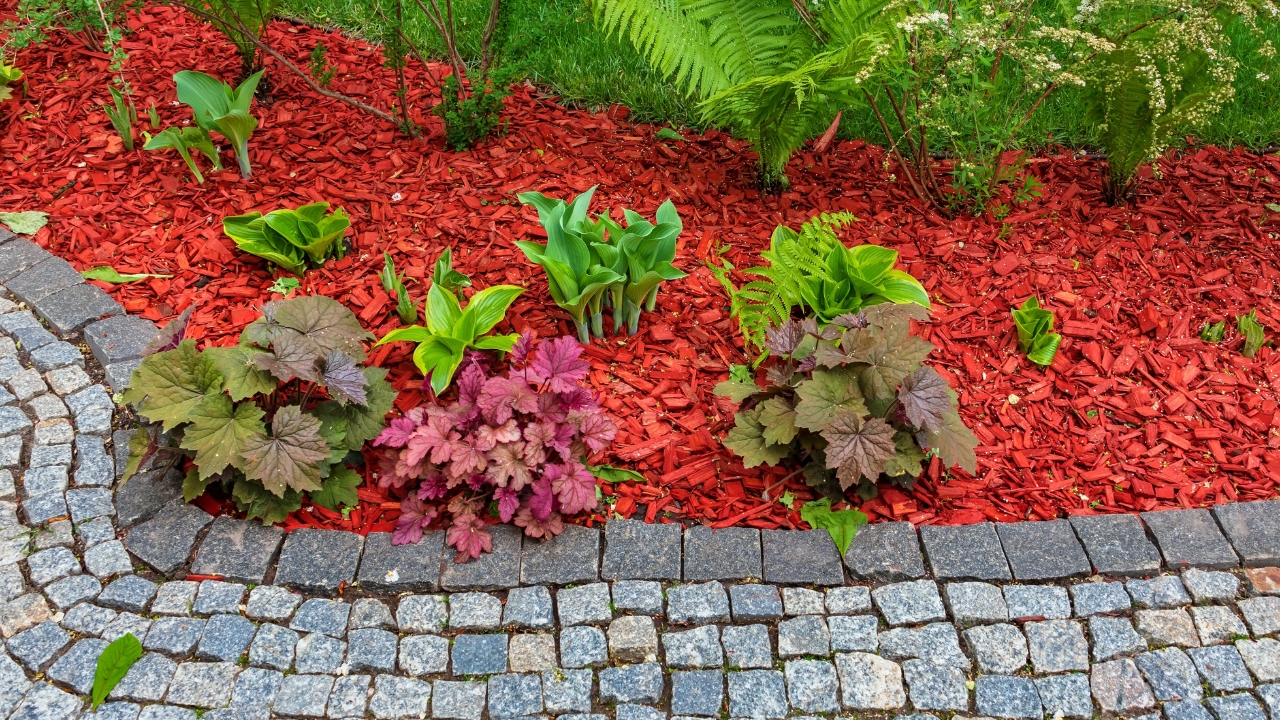
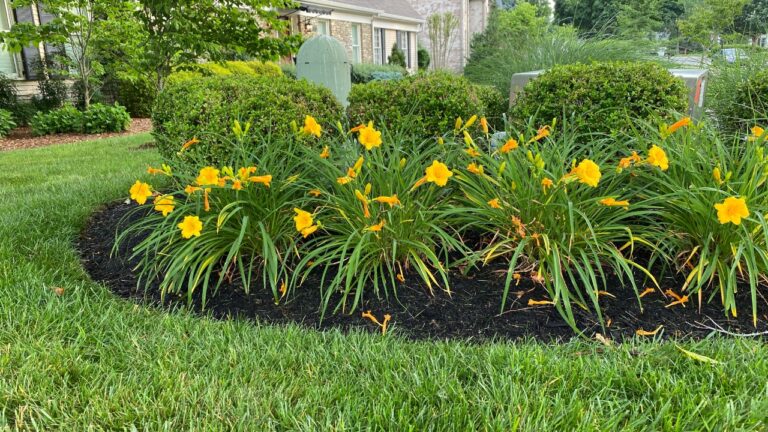
If you’re not mulching during a drought, you’re wasting water. A 2-3 inch layer helps trap moisture in the soil, shades the surface, and slows down evaporation.
Go for organic mulch—wood chips, straw, or even grass clippings. It breaks down slowly, adds nutrients over time, and keeps the ground cooler for your plants.
Prioritize the Plants That Feed You

When water is tight, not everything can survive—and that’s okay. Focus on the stuff that puts food on your table. Fruit trees, vegetables, and herbs should get your limited water before flowers or shrubs.
This is especially true for anything you’ve already invested time in. Save the productive plants, and let the rest wait until conditions improve.
Skip the Fertilizer

Feeding plants during a drought does more harm than good. Fertilizer pushes new growth, but your plants don’t have the water they need to support it.
If you’re using compost or amendments, hold off until things cool down or rain returns. Focus on helping your plants survive, not forcing them to thrive under stress.
Group Plants by Water Needs
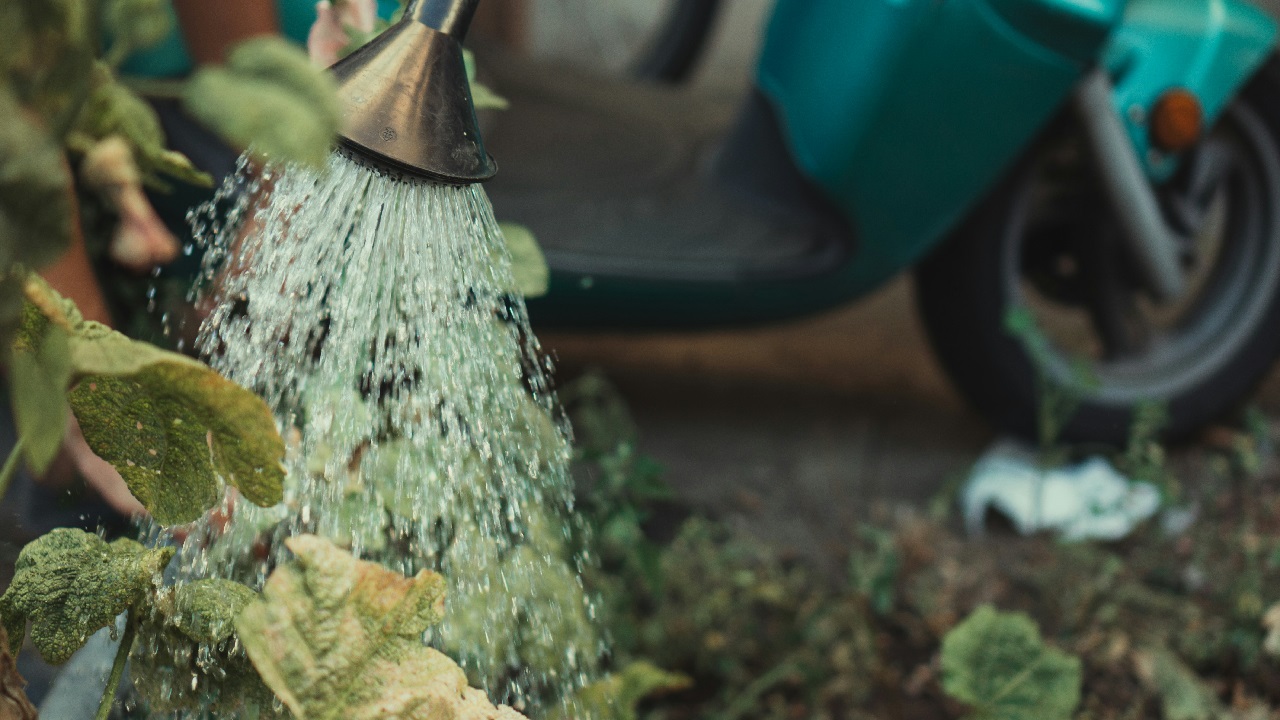
If you’re starting new beds or reworking part of your garden, cluster plants that have similar water requirements. It cuts down on waste and makes it easier to manage irrigation.
High-water plants like lettuce or cucumbers can go near a hose or drip line, while native or drought-tolerant species can handle the drier spots. Mixing them leads to overwatering one and underwatering the other.
Use Drip Irrigation or Soaker Hoses
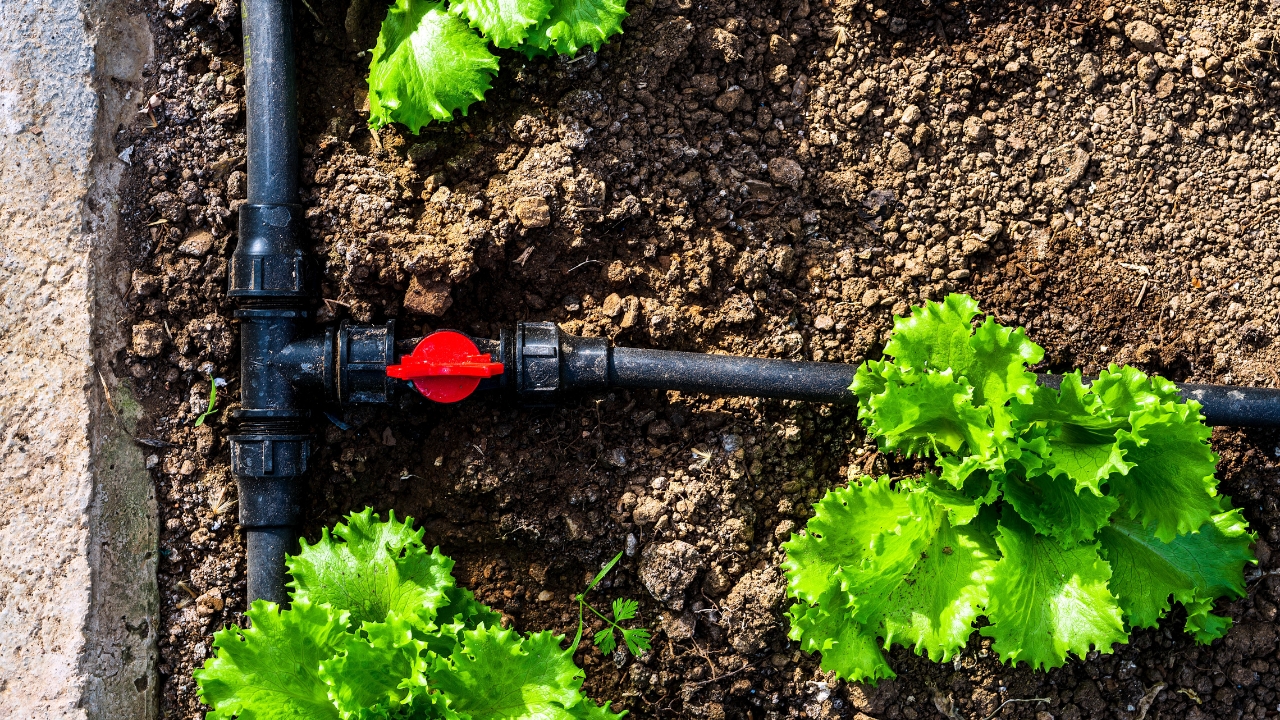
Overhead watering isn’t efficient in drought. Too much evaporates before it ever hits the soil, and what does land often runs off.
Drip lines and soaker hoses deliver water right at the base of the plant where it matters. They’re slow and steady, which gives the soil time to absorb it fully—no runoff, no waste.
Choose Drought-Tolerant Plants

If you’re tired of babying high-maintenance plants every time summer gets dry, swap them out. There are plenty of hardy options that can handle heat and dry soil without needing daily water.
Look for native plants or ones labeled drought-tolerant. They’ve adapted to your region’s conditions and usually bounce back faster after stress.
Stop Digging and Disturbing the Soil
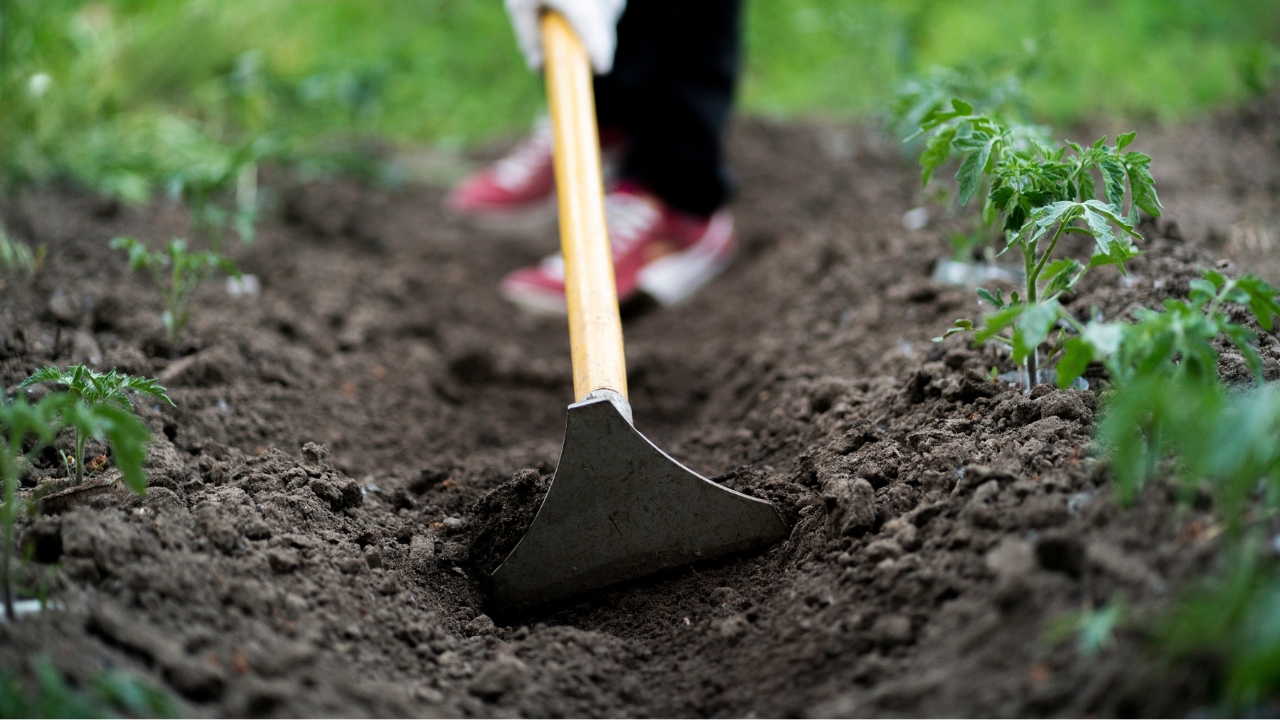
Every time you dig or till during a drought, you break up the structure of the soil and expose moisture to the air. That speeds up drying and stresses roots.
Try to leave the soil alone as much as possible. Use compost or mulch to build it up from the top instead. Less disruption equals more retained moisture.
Shade What You Can
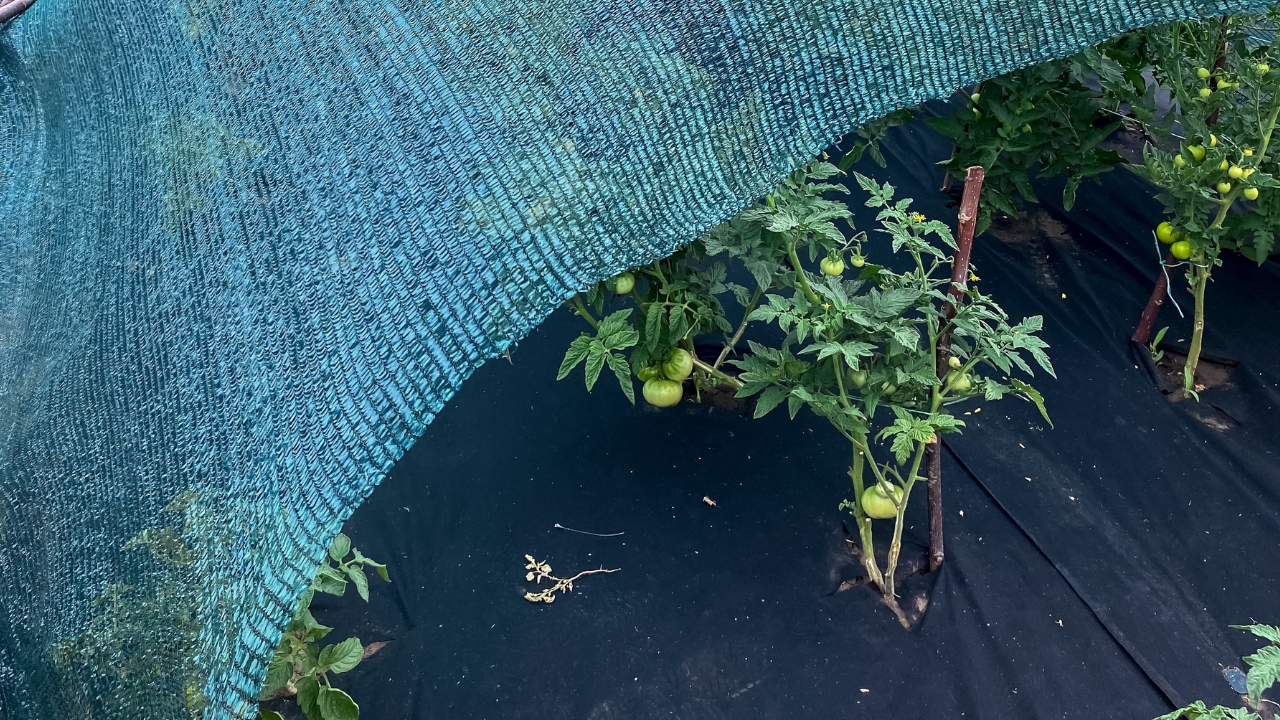
A little afternoon shade can go a long way when temps hit triple digits. Use shade cloth, patio umbrellas, or even cardboard barriers to block direct sun for your most vulnerable plants.
This helps reduce water loss and keeps leaves from scorching. Even an hour or two of shade during the hottest part of the day can keep plants from wilting beyond recovery.
Like Fix It Homestead’s content? Be sure to follow us.