9 Times Watering Your Yard Can Do More Harm Than Good
Image Credit: pexels.com
It’s easy to assume more water equals a healthier yard—but that’s not always the case. Overwatering can do real damage, waste money, and even invite pests or disease. Knowing when not to water is just as important as knowing when to turn the hose on.
Whether you’re dealing with summer heat or unexpected rain, here are the times when it’s better to step away from the spigot altogether.
When Temperatures Are Over 95°F
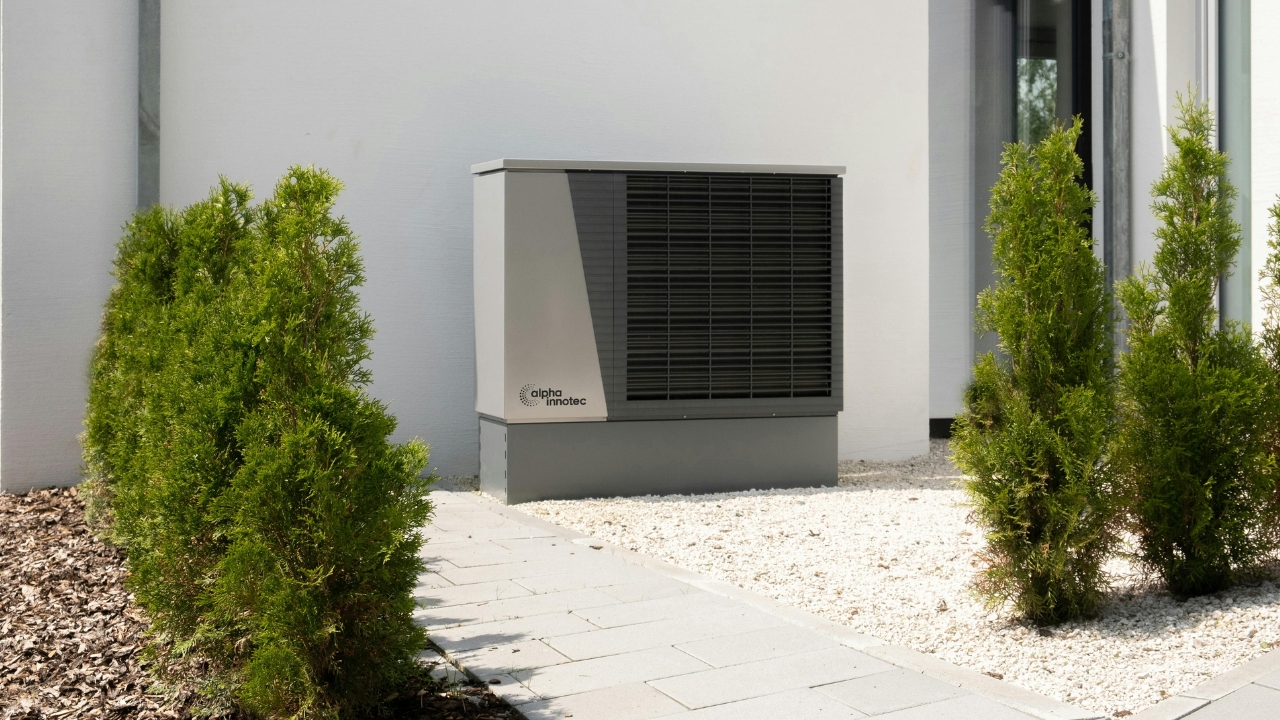
In extreme heat, watering can backfire. Water evaporates too quickly to be useful, and it can even scorch leaves if droplets sit in the sun.
Instead, wait until early morning or after the sun starts to set. You’ll avoid evaporation loss and give the plants a better shot at actually absorbing what you give them.
After Fertilizing with Liquid Feed
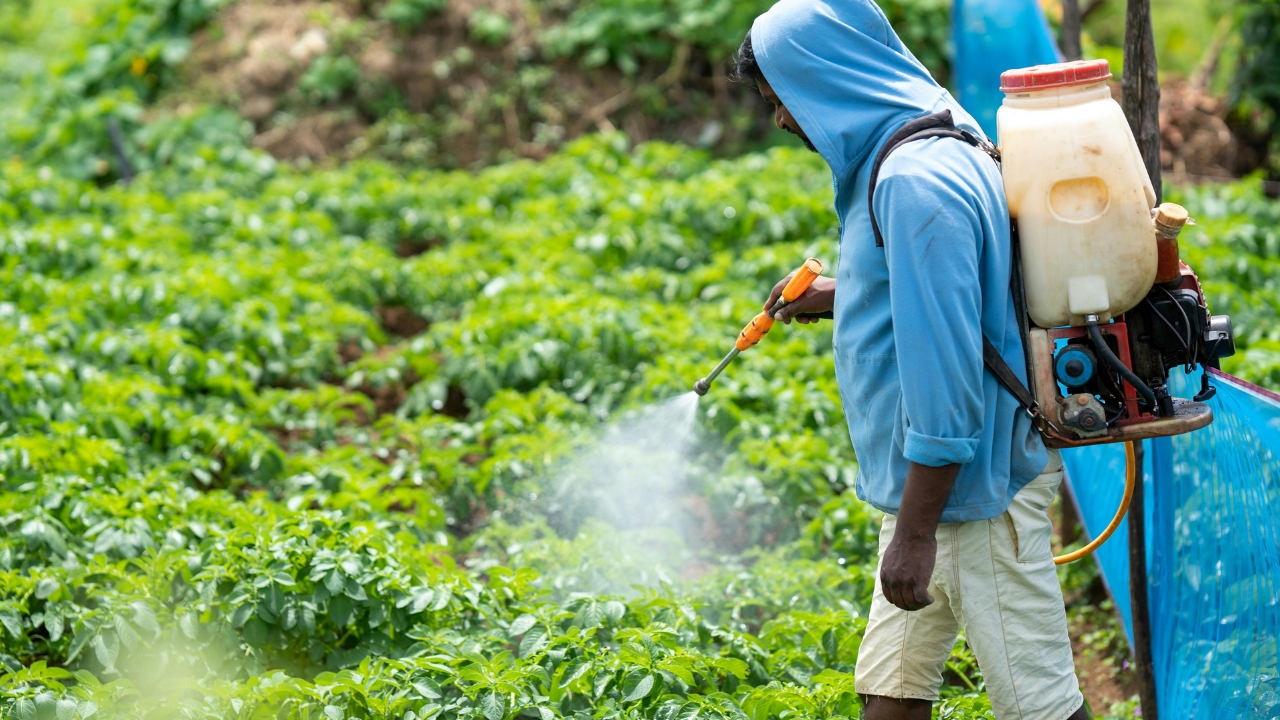
Most liquid fertilizers need time to absorb before being washed away. Watering too soon after applying can dilute or rinse them off entirely.
Always follow label directions, but in general, hold off watering for at least a few hours. That way, your plants get the nutrients without waste.
When You See Yellowing Leaves
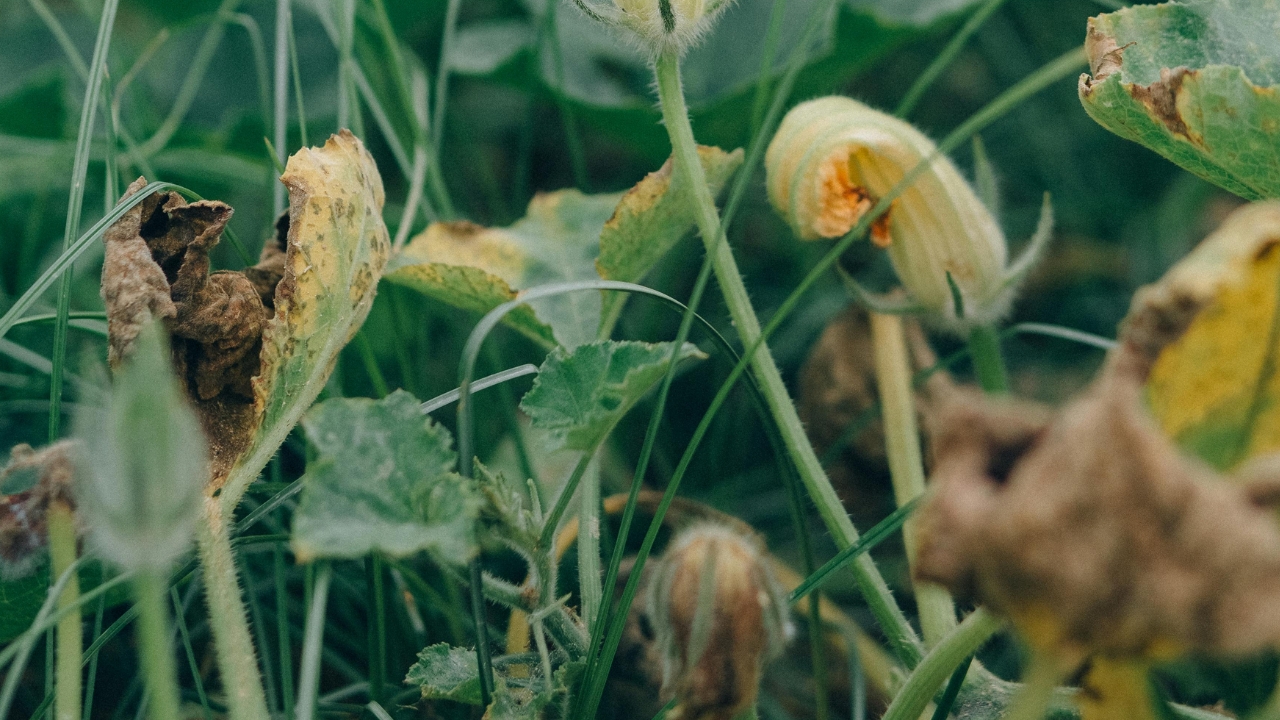
Yellow leaves might look thirsty, but they’re often a sign of overwatering. Roots that sit in water too long can’t breathe, and the stress shows up in the leaves.
Before adding more water, check your drainage and soil moisture. Let things dry out a bit and monitor the plant’s response.
In the Middle of the Day
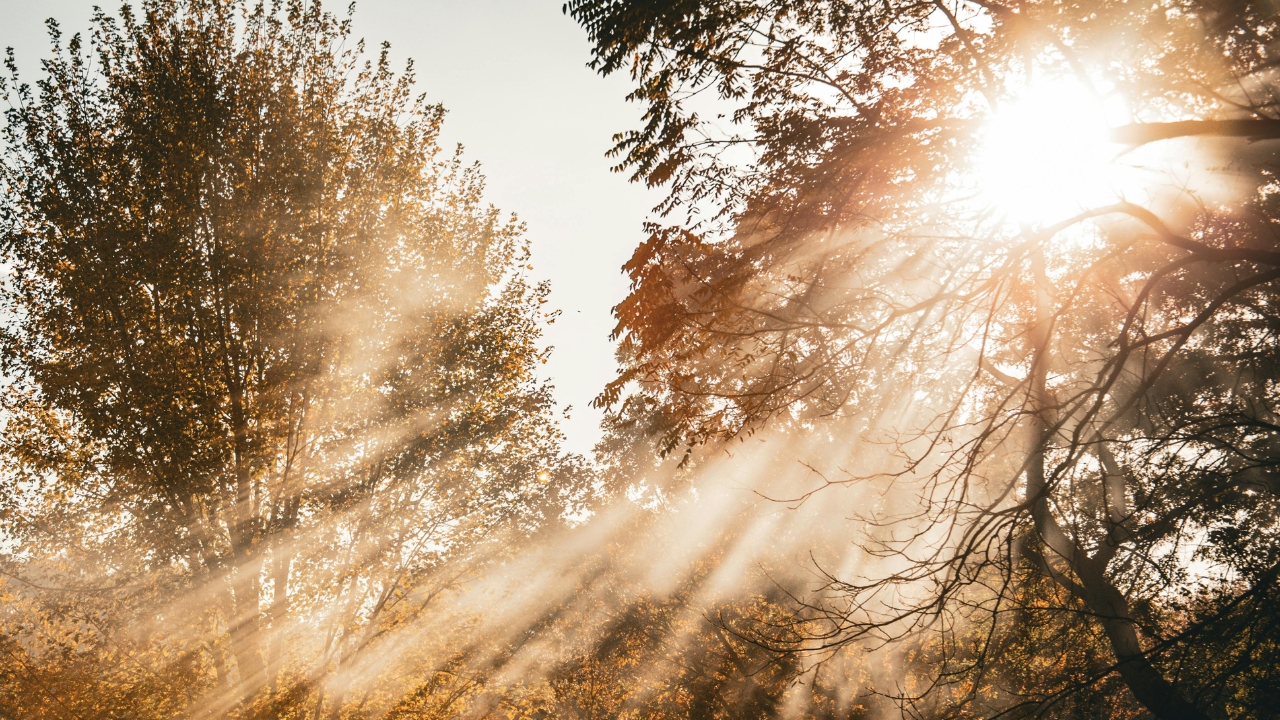
Watering during peak sun hours is one of the least effective habits. The water evaporates before it reaches the roots, and it can stress plants out even more.
Early morning or late evening is when your watering actually counts. That’s when the soil can absorb it and your plants can benefit without added stress.
If You’re Treating for Fungal Issues

Watering a lawn or garden that’s already showing signs of fungus will only spread it faster. Most fungal problems thrive in moist, warm conditions.
Focus on drying things out and improving air circulation. Letting the area stay dry for a few days can do far more than soaking it again.
Right Before a Freeze
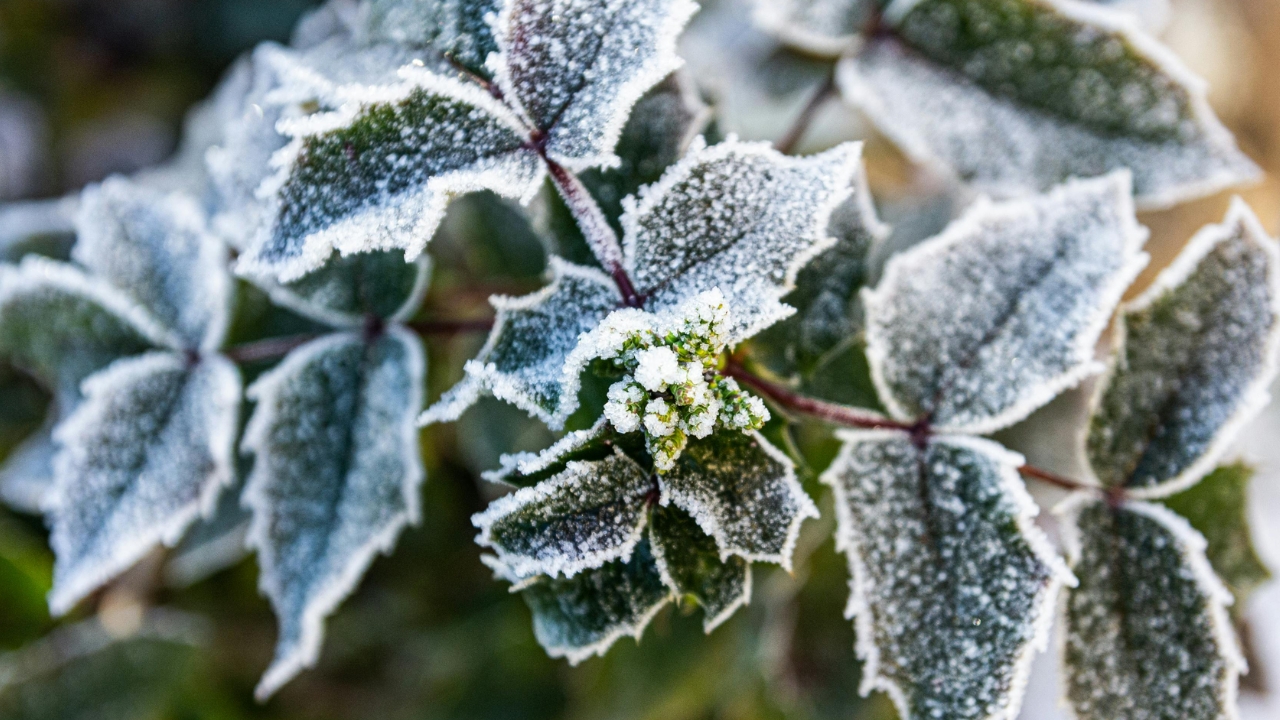
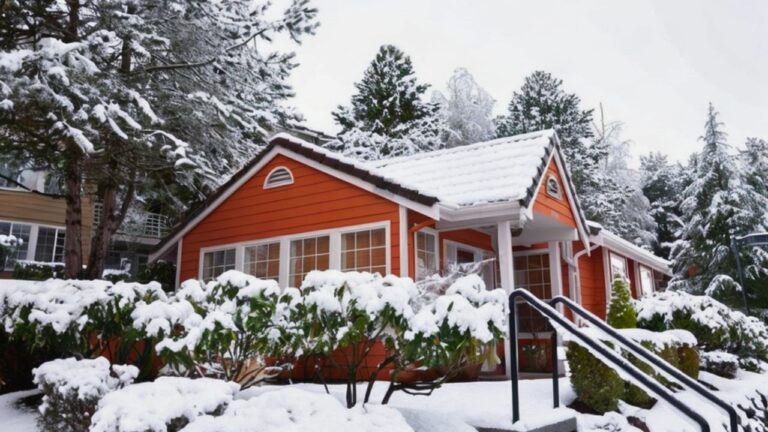
Watering before a freeze can damage plant cells and roots, especially if the water sits on the surface. Even a light frost can be more harmful when combined with moisture.
If cold temps are on the way, skip watering and let your soil dry out. That extra dryness can actually protect plants by reducing ice buildup around the roots.
Right After a Deep Soak
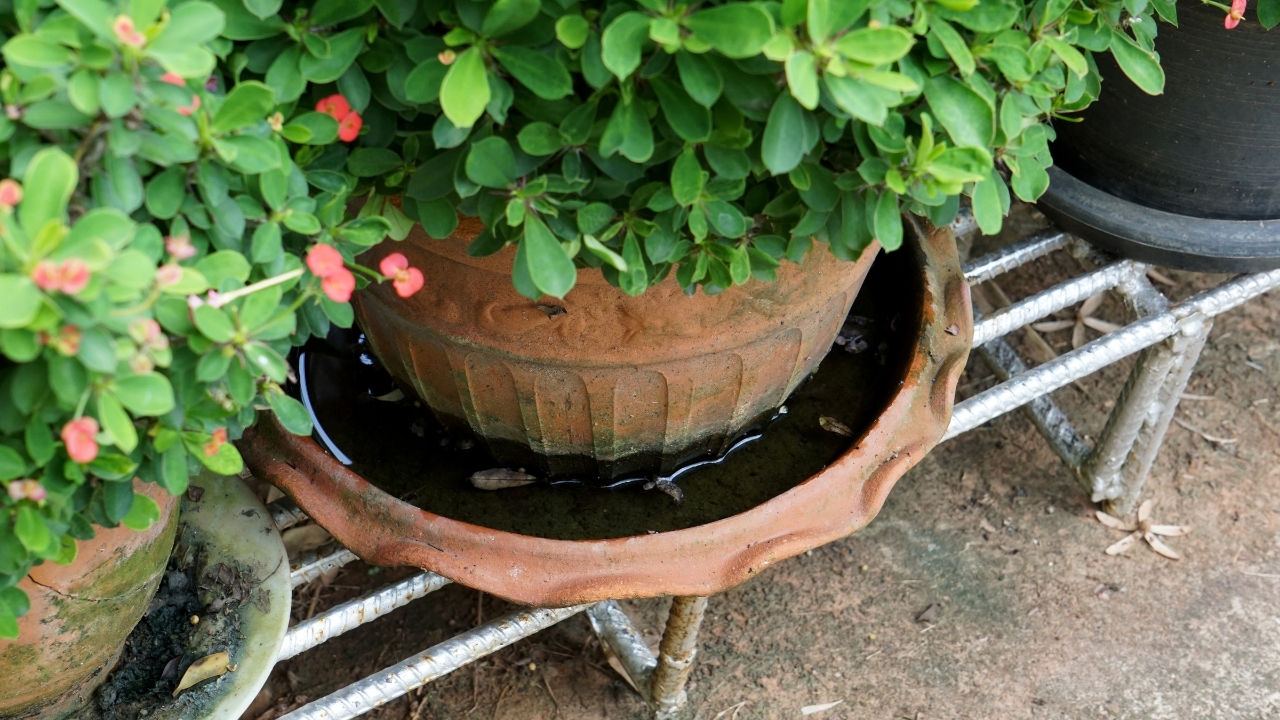
If you gave your plants a good, deep watering recently, let them absorb it before you water again. The top layer might dry fast, but that doesn’t mean the roots are thirsty yet.
Constant surface watering leads to shallow roots and weaker plants. Give the soil time to do its thing and check a few inches down before deciding your garden needs more.
When the Ground Is Still Wet
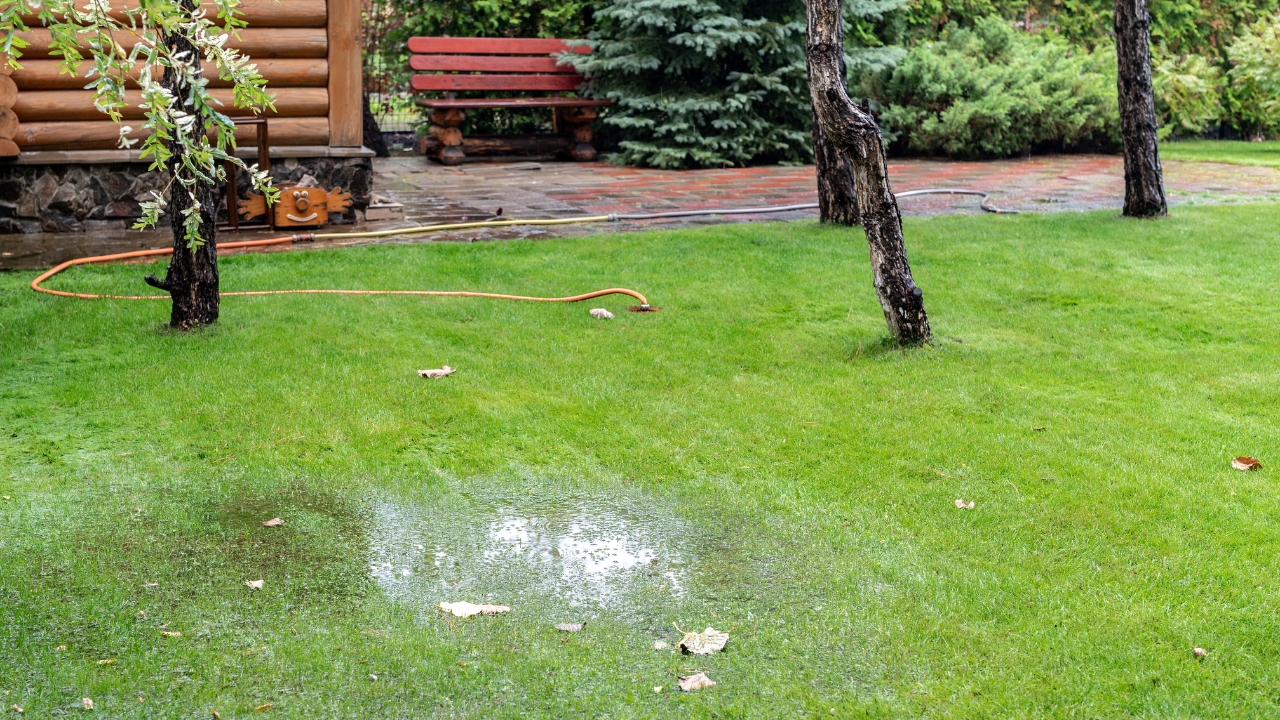
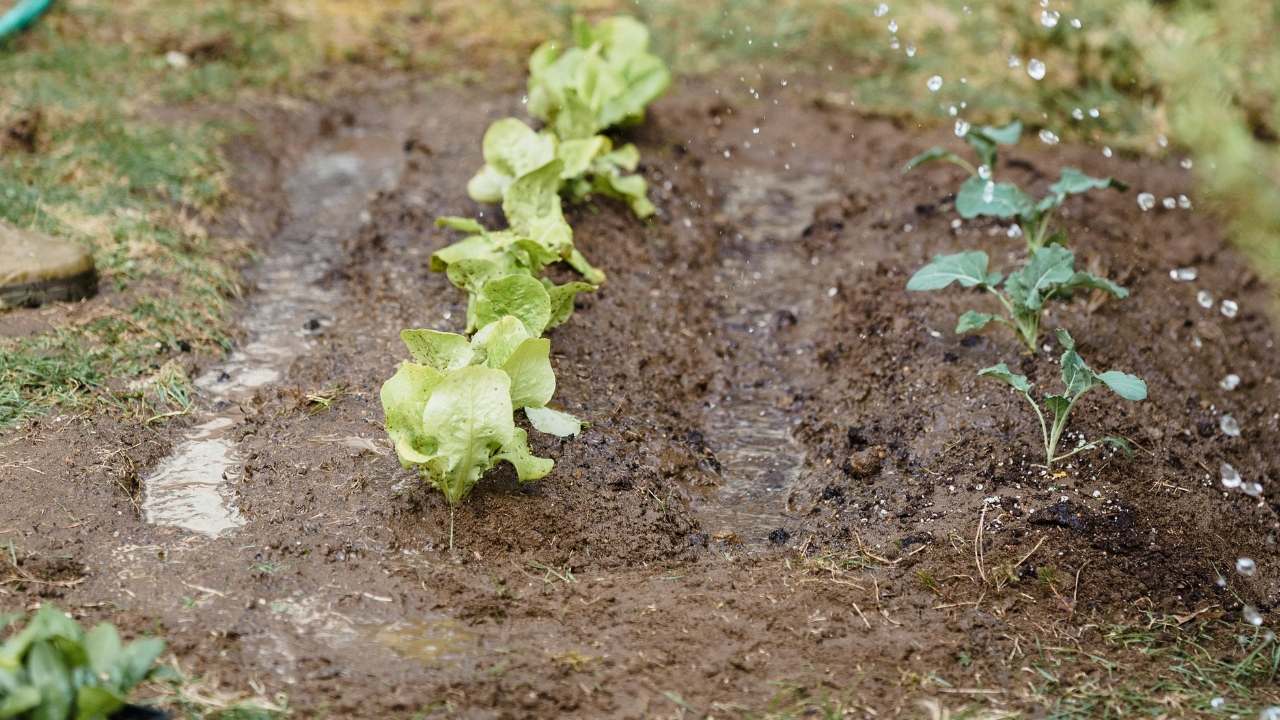
If the ground is holding moisture, watering again is only going to cause problems. You risk root rot, fungal growth, and wasted water.
Stick your finger into the soil—if it’s damp a couple inches down, you’re good. Don’t rely on the surface alone, especially after rain or heavy watering the day before.
During a Rainstorm
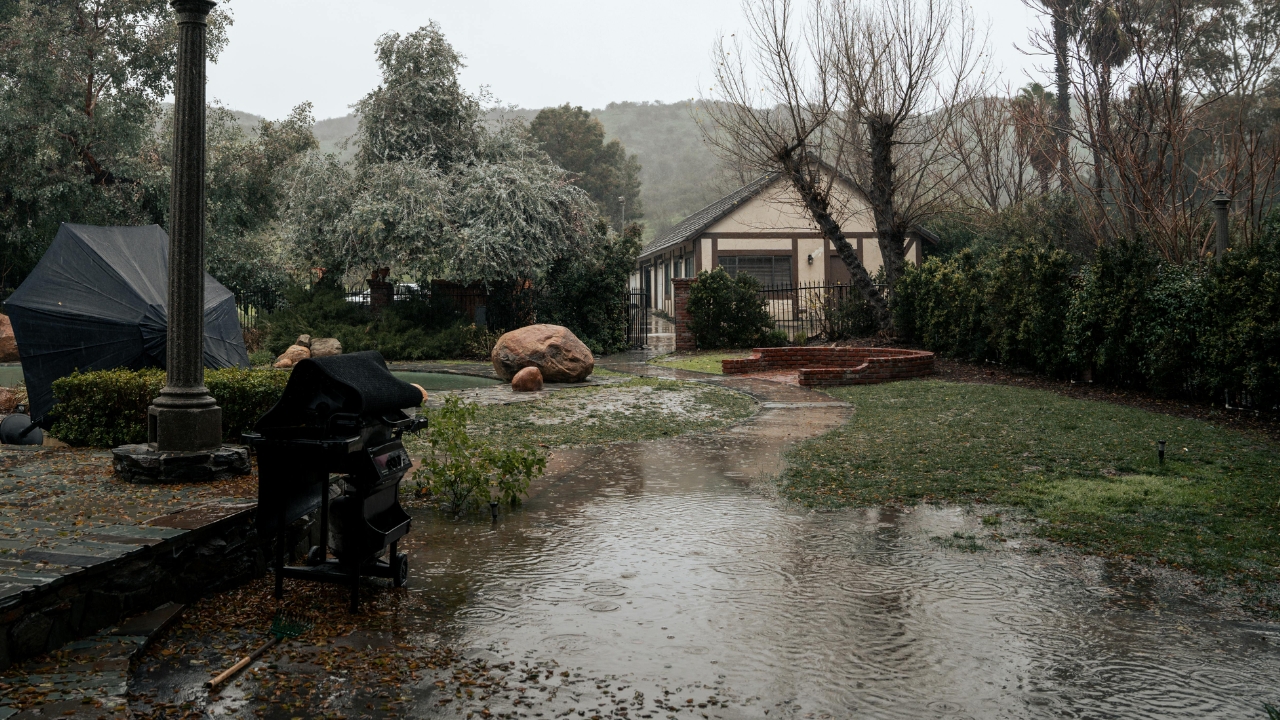
It sounds obvious, but you’d be surprised how often sprinklers get left on during a downpour. If it’s actively raining or about to, skip the watering.
Most rain is enough to meet your lawn or garden’s needs for at least a day or two. Use a rain gauge or even a bucket to check how much fell before watering again.
Like Fix It Homestead’s content? Be sure to follow us.