8 Hidden Fire Hazards That Can Ignite While You’re Sleeping
Photo credit: unsplash.com
There’s a reason fire safety experts push hard for smoke alarms that work while you’re sleeping. Most deadly house fires don’t happen in the middle of the chaos—they happen in the quiet, when everyone’s asleep and no one notices the signs until it’s too late. A lot of these fires start from everyday things you don’t think twice about. But all it takes is one overlooked hazard and a few unattended hours.
Here’s what you need to be paying attention to before you turn in for the night.
Dryer Lint Buildup
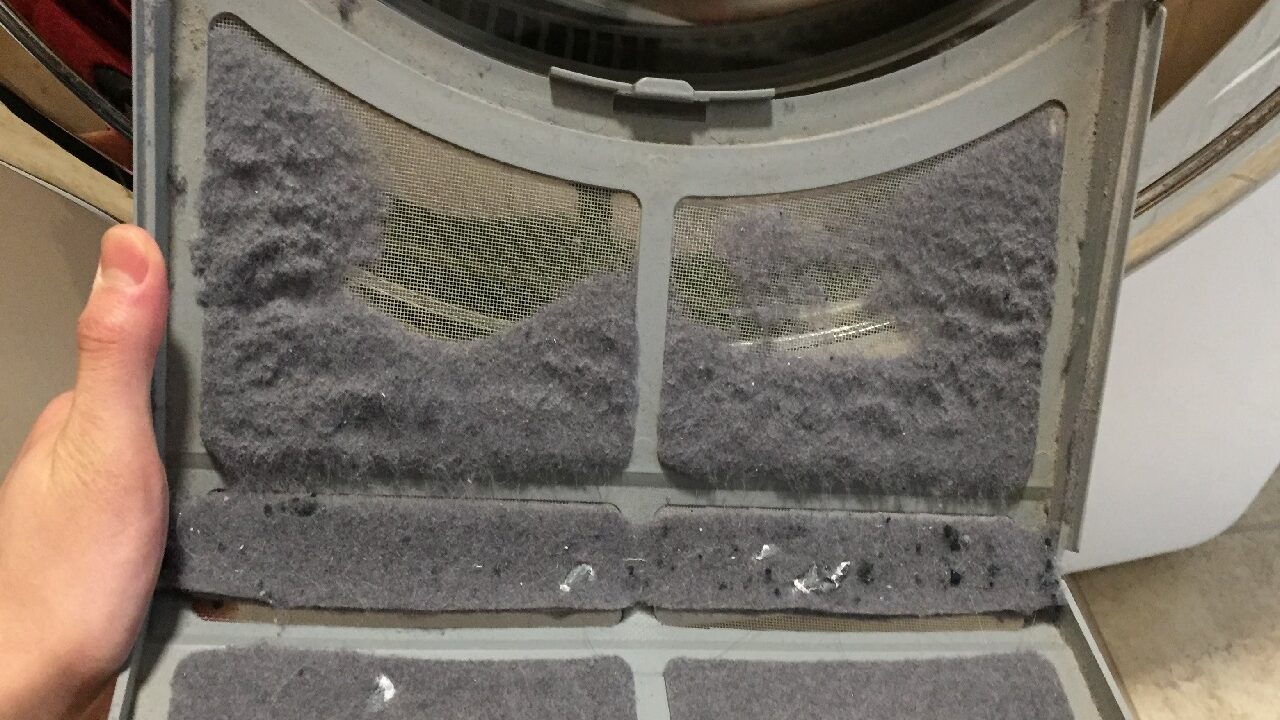
Lint is highly flammable, and it doesn’t take much for it to catch fire. If your dryer vent is clogged or the lint trap hasn’t been cleaned, heat can build up fast—even after the cycle ends.
Always clean out the lint trap before or after every load. And make sure the vent duct is clear at least a couple times a year. If your dryer ever smells hot or takes forever to dry, don’t ignore it. That’s your warning.
Overloaded Power Strips

Plugging too many things into a single strip or outlet might seem convenient, but it can quickly lead to overheating. That’s especially risky at night when there’s no one awake to catch the signs.
Stick to one high-powered item per strip and never plug one strip into another. Look for signs of wear, like buzzing or heat, and toss out any strip that feels off. If something sparks or smells electrical, unplug it and fix the problem before bed.
Unattended Candles
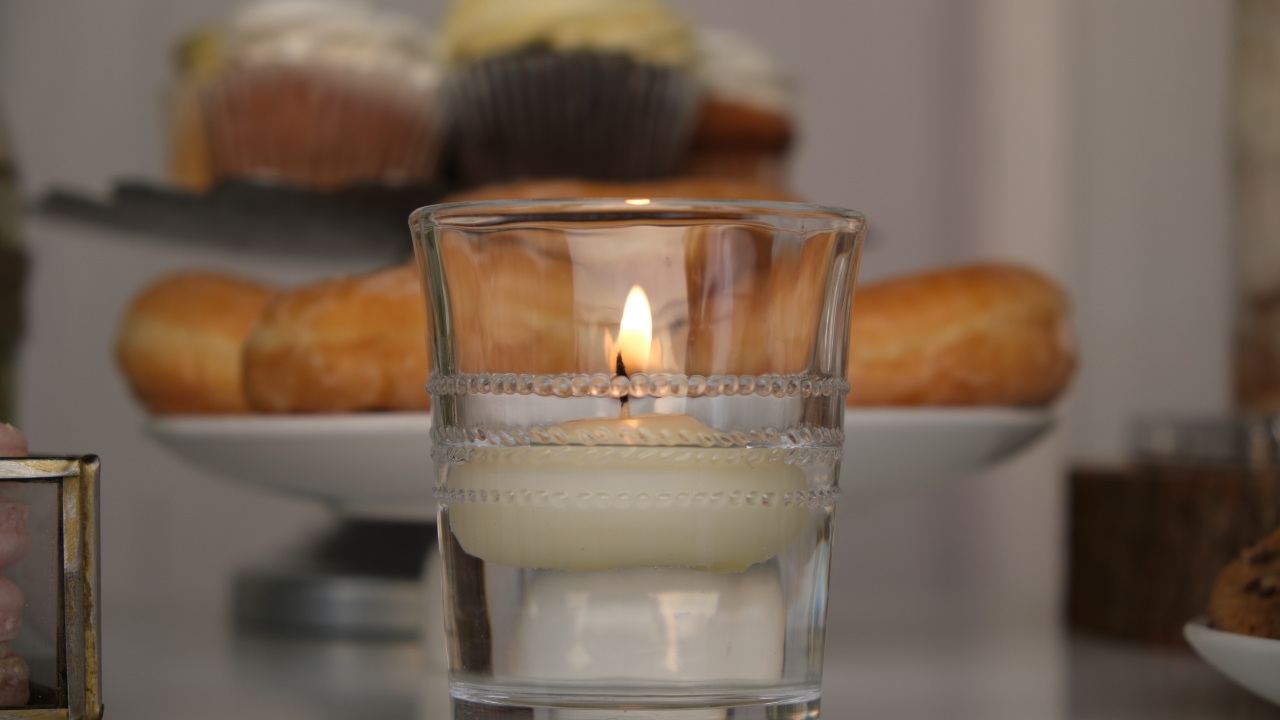
Even the ones in jars can start a fire if they burn low enough or tip over. And if they’re near curtains, books, or furniture, you’re asking for trouble.
Never leave a candle burning when you’re not in the room, and definitely not while you sleep. Use battery-operated alternatives if you like the look. If you absolutely have to burn one at night, set a timer or alarm as a reminder to blow it out.
Faulty Phone Chargers
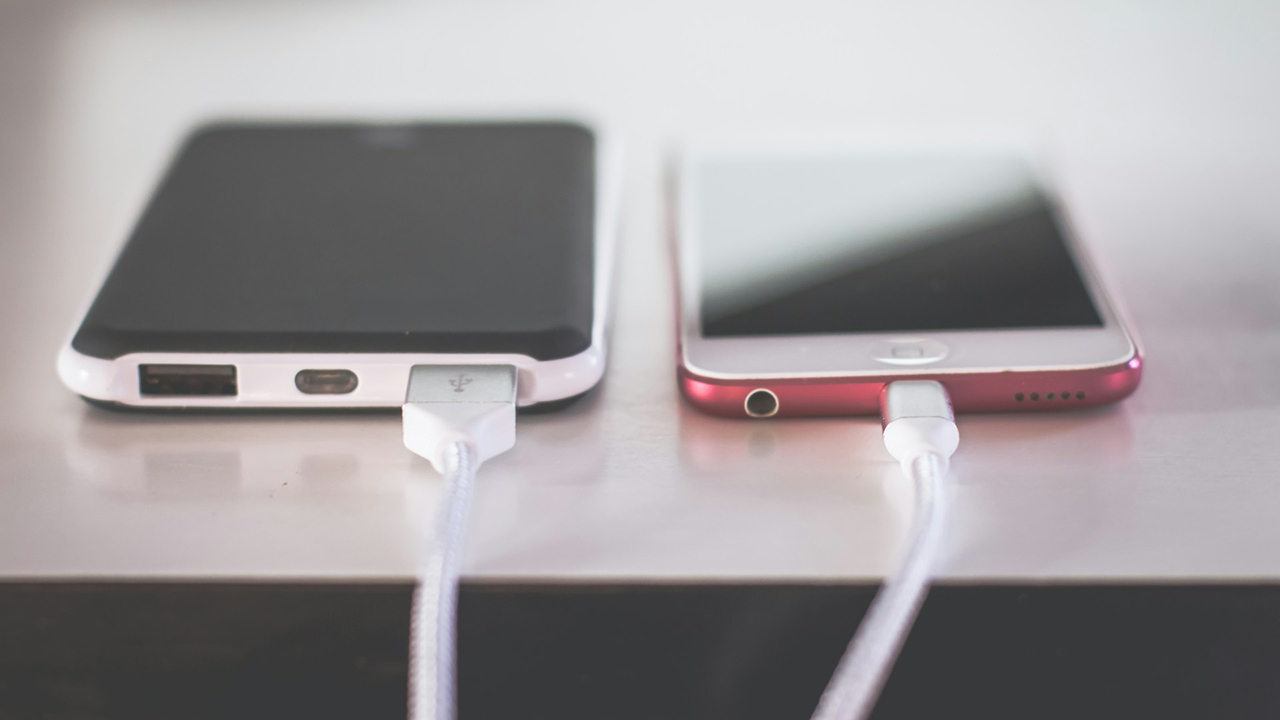
Cheap or worn-out chargers can short out, overheat, or even spark a fire without warning. And if you’re charging on a soft surface like a bed or couch, the risk climbs even higher.
Always charge your devices on hard, flat surfaces away from anything flammable. Stick to name-brand or certified chargers, and replace anything frayed or discolored. If it buzzes, gets hot, or smells funny, it’s not worth the risk—especially overnight.
Kitchen Appliances Left Plugged In

Toasters, coffee makers, and air fryers might seem harmless when they’re not in use, but many still pull power—and some can even turn themselves on accidentally due to a glitch or leftover heat.
Get in the habit of unplugging countertop appliances before bed. It takes two seconds and can prevent a fire that starts while everyone’s sleeping. If you notice any appliance acting weird, stop using it until you can repair or replace it.
Space Heaters
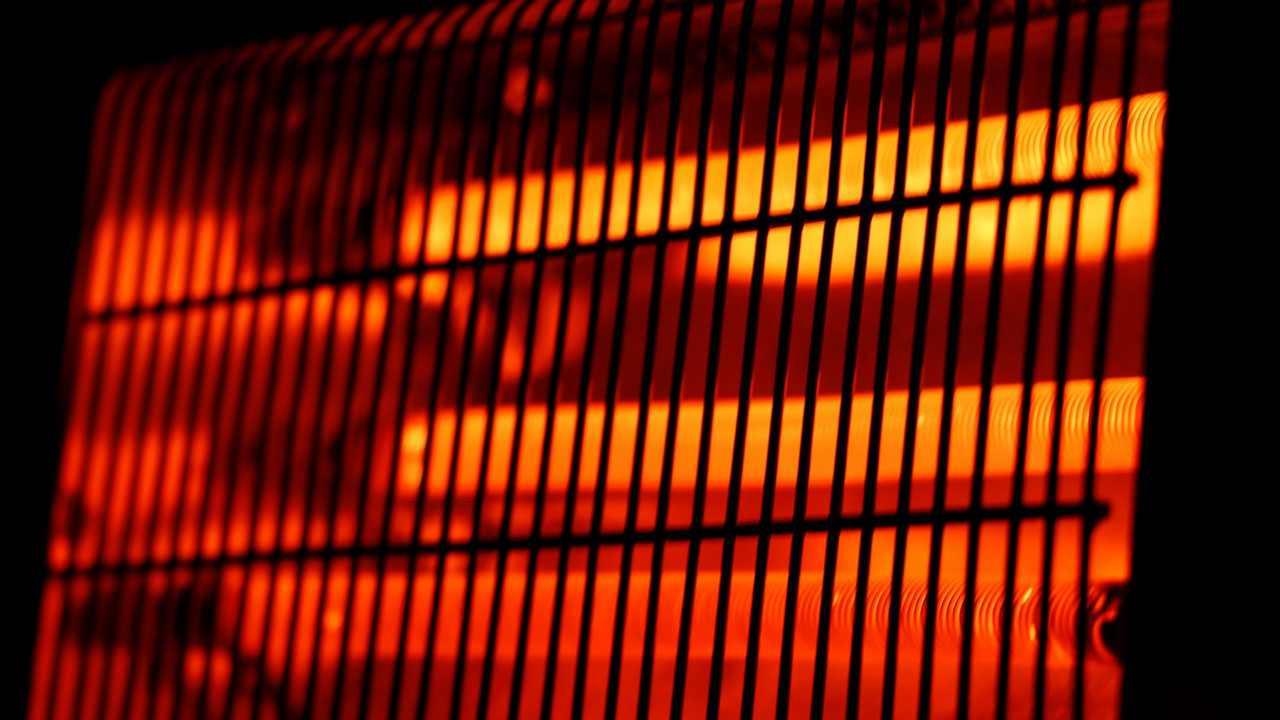
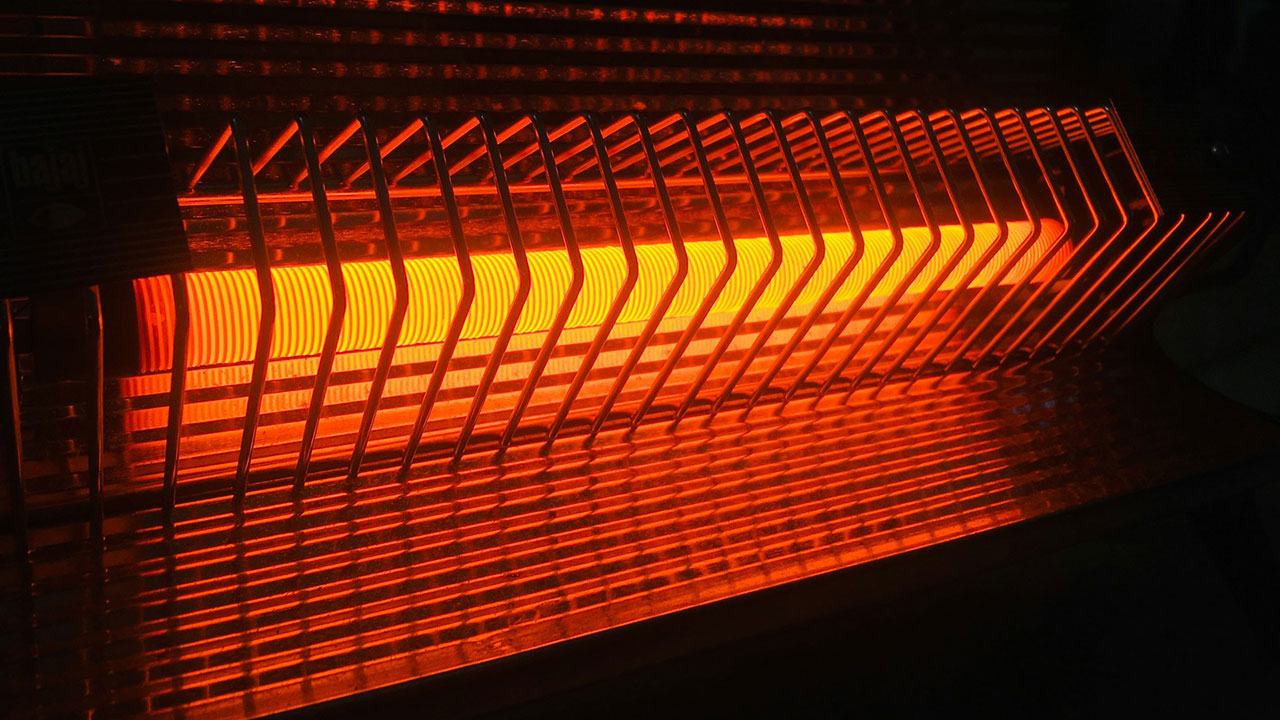
Space heaters are one of the top causes of house fires, especially overnight when people fall asleep with them running. It doesn’t take much—one blanket, curtain, or pet toy too close, and the whole room can go up.
Use space heaters with automatic shut-off features and always give them a few feet of breathing room. Never leave them running while you sleep, even if it’s freezing. If you’re that cold at night, it’s safer to layer up or warm the room before bed.
Old Extension Cords

Worn or overloaded extension cords are a quiet hazard that can fail while no one’s watching. Once the insulation breaks down or the cord overheats, it can start smoldering under furniture or rugs before bursting into flames.
Avoid running extension cords under rugs or heavy items, and never plug in high-wattage appliances like heaters or microwaves. If your cords are older than you can remember or look cracked or bent, replace them. Don’t patch them with tape and hope for the best.
Oily Rags in the Garage
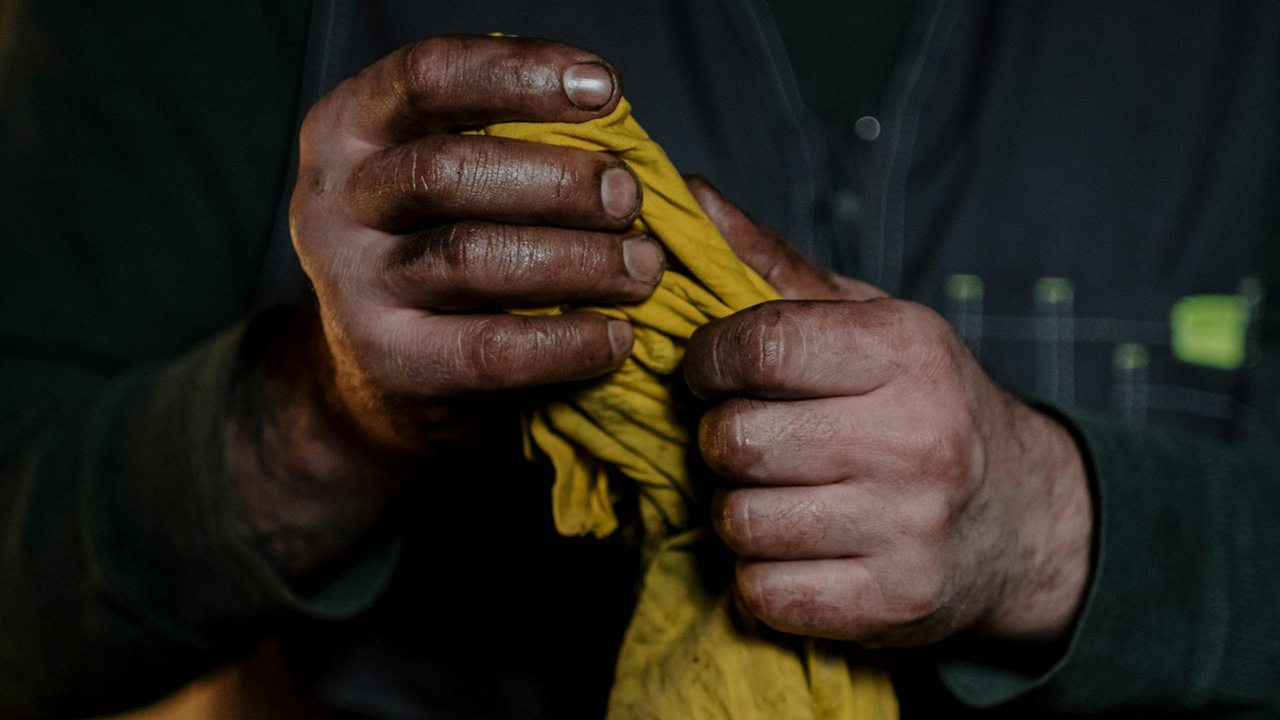
Rags soaked in oils, stains, or wood finishes can spontaneously combust—even if there’s no flame nearby. It usually happens in the middle of the night when temperatures rise and ventilation is poor.
If you’ve used any rags during the day, don’t toss them in a pile and walk away. Lay them flat to dry outdoors, or store them in a metal container with a lid. It’s one of the easiest fire risks to overlook—and one of the most dangerous.
Like Fix It Homestead’s content? Be sure to follow us.