8 Laundry Mistakes That Can Ruin White Clothes Fast
Photo credit: Fesus Robert/ Shutterstock.com
If your whites never seem to stay bright no matter what detergent or bleach you use, the problem might start way before laundry day. A lot of what ruins white clothes happens in the hours—or even minutes—before they ever hit the washer.
From how you wear them to where you toss them, certain habits can lock in stains, odors, or discoloration that washing alone can’t undo. If your whites always end up looking dingy or worn out, these could be the real reasons.
Letting Sweat Sit Too Long

Sweat doesn’t just stain—it sets. Especially in the underarms and collar area, letting sweat sit in your white shirts can cause yellowing that becomes permanent if you don’t catch it early.
Once sweat dries, it binds to the fabric, and regular detergent isn’t enough to lift it out completely. If you’ve worn a white shirt on a hot day or during a workout, rinse it with cold water or pretreat the spots before tossing it in the hamper.
Tossing Whites in with Damp Towels

If you throw a white shirt into a pile of damp towels or wet clothes, that extra moisture speeds up the growth of mildew and sets in odors and stains.
It’s even worse if the towels have any color bleeding or residue. Whites need to be kept dry and separated, especially before washing. If you can’t do laundry right away, hang them up instead of letting them sit crumpled in a hamper.
Wearing Them While Applying Lotion or Deodorant
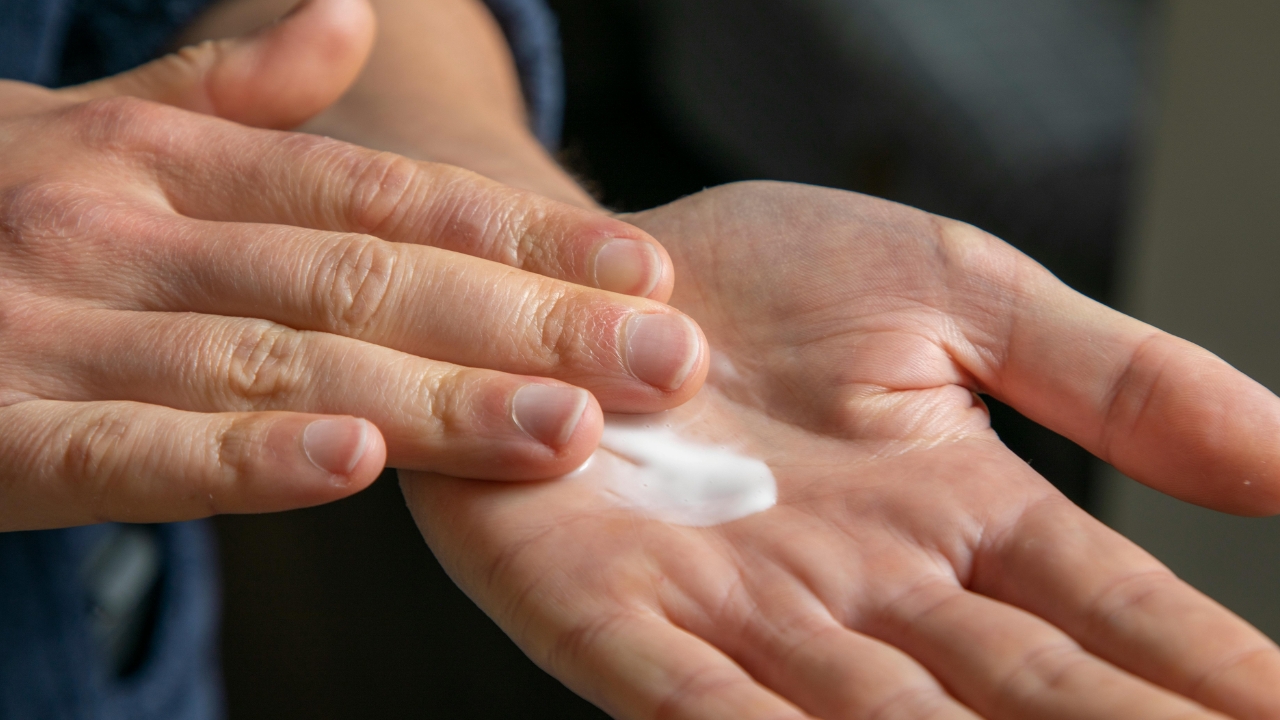
Lotion, sunscreen, and deodorant might seem harmless, but they can leave behind oily residue and chemical reactions that discolor white fabrics.
Some antiperspirants, especially those with aluminum, are known for causing yellow stains. If you’re putting on whites right after applying these products, you’re rubbing all that straight into the fabric. Give your skin a few minutes to dry before getting dressed.
Sitting on Dirty Surfaces

White pants, skirts, and even tees pick up dirt way faster than you realize—especially if you sit on benches, concrete steps, or car seats that aren’t exactly clean.
That dust and grime gets ground into the fabric, making it harder to get out later. If you notice gray smudges on your whites that never quite disappear, this is likely why. A quick wipe of the surface (or throwing down a towel) can save you some frustration later.
Using the Wrong Hangers
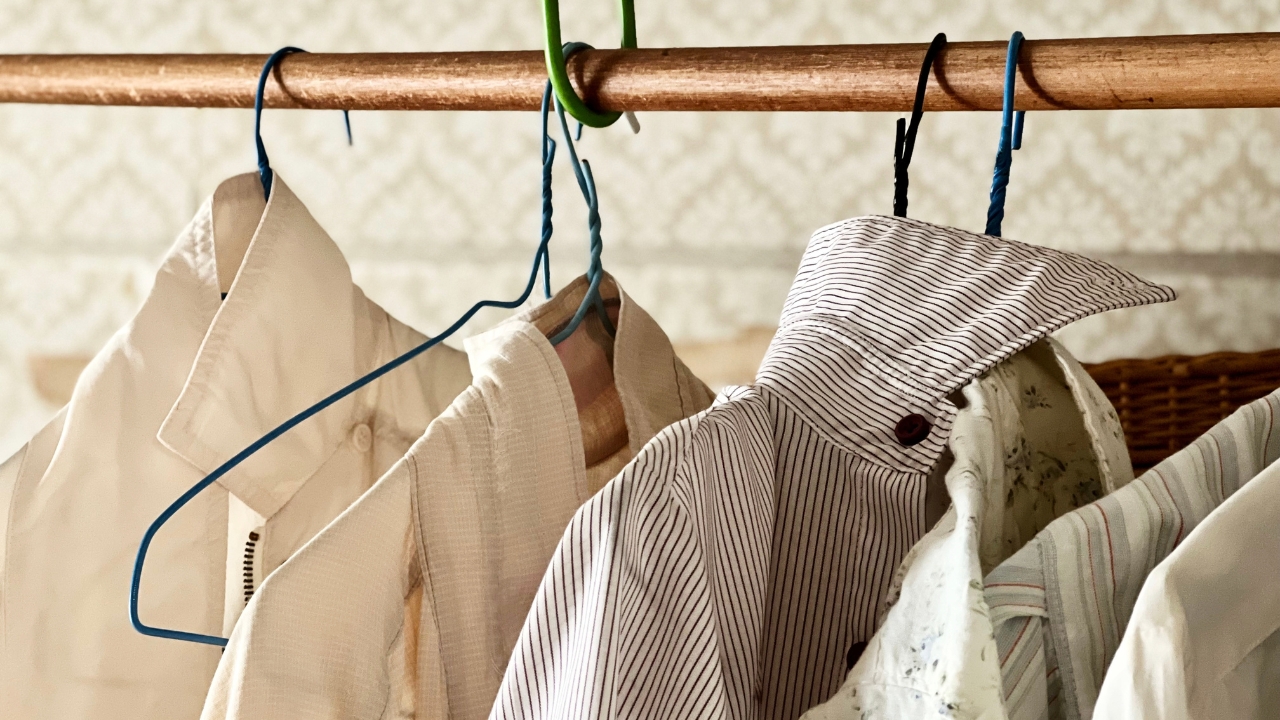
Wire or wood hangers that aren’t sealed properly can stain white clothes, especially in humid rooms like closets or laundry areas.
If you’re hanging white blouses or tees, use plastic or padded hangers instead. Over time, metal hangers can rust or transfer residue to shoulders and necklines, and wood can leach tannins that leave behind yellow or brown streaks.
Leaving Stains Untreated
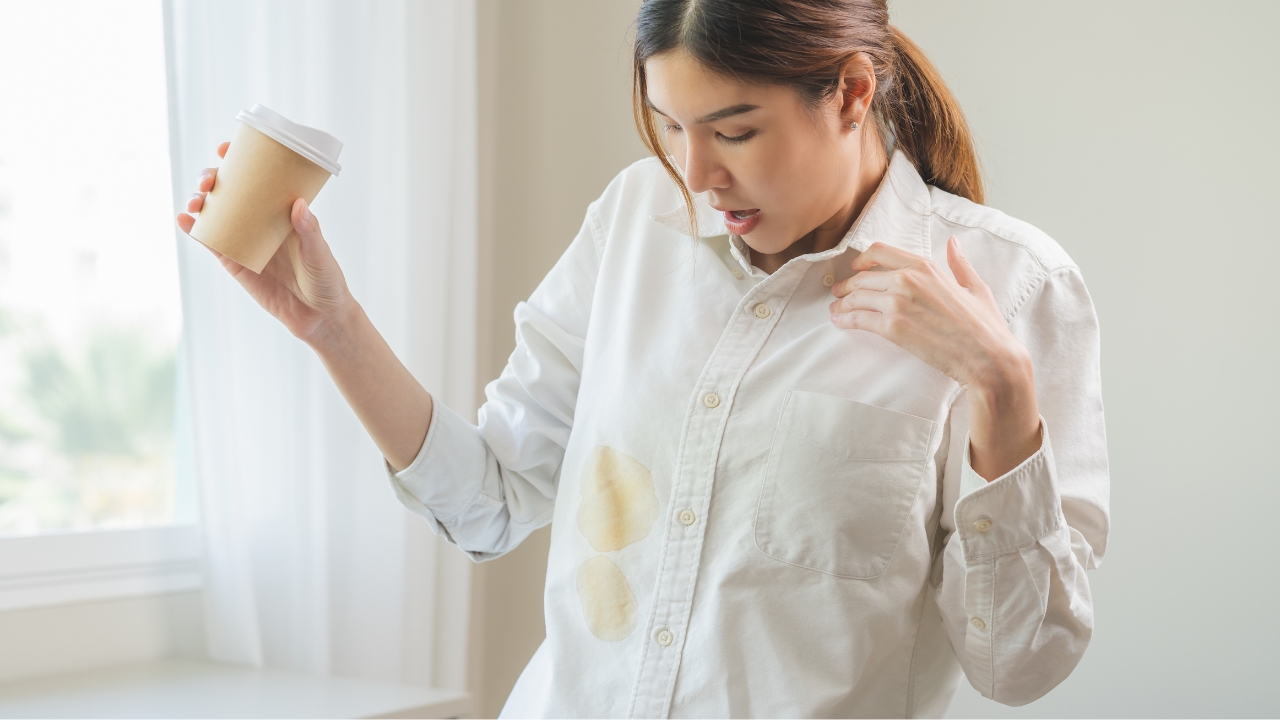
Even a tiny splash of coffee or a bit of salad dressing can turn into a long-lasting stain on white fabric if you let it dry. The longer it sits, the harder it is to remove—even with bleach.
Try to blot or rinse any fresh stain as soon as possible. If you can’t wash it right away, pretreat the spot with a stain remover or even a bit of dish soap and water. The sooner you deal with it, the better chance you have of keeping your whites looking clean.
Letting Whites Sit in the Sun Too Long
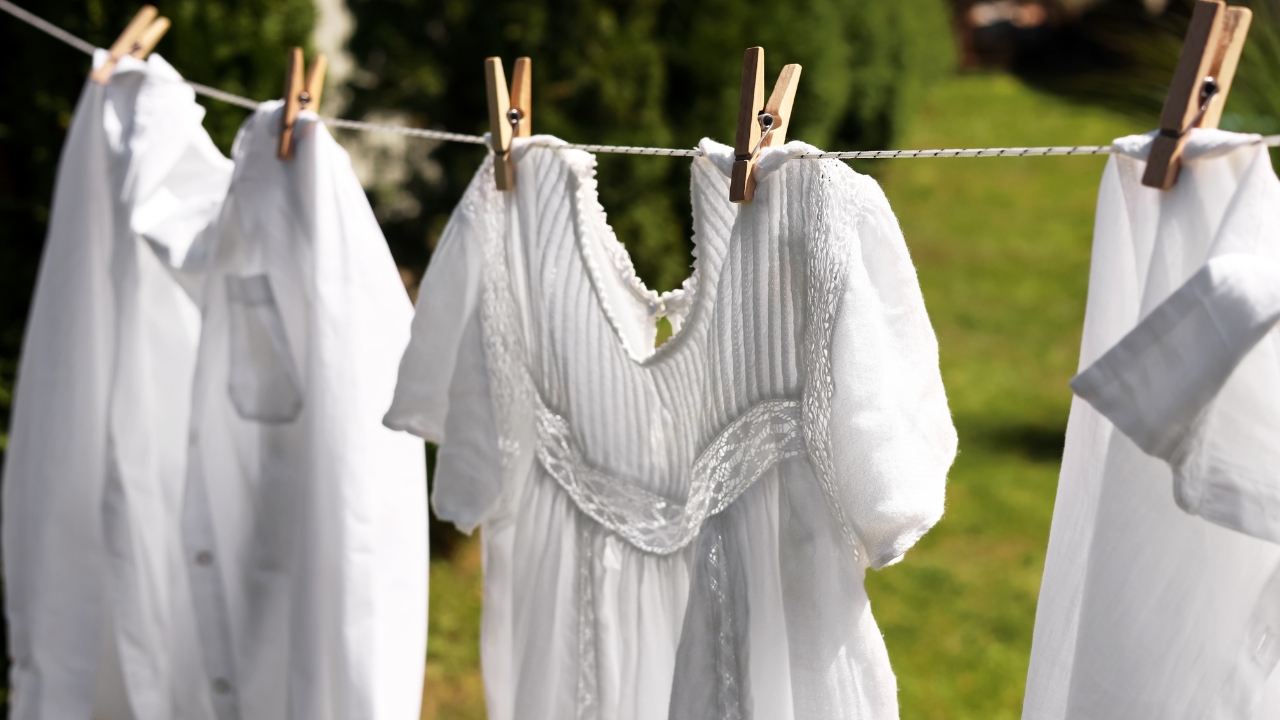
A little sun can help freshen whites, but too much can do more harm than good. Extended UV exposure can cause whites to turn yellow, especially if there are any leftover detergent or chemical residues in the fabric.
Line-drying whites outside is fine if you don’t leave them too long. Aim for partial shade or bring them in once they’re dry. Over-drying or letting them bake in the sun can actually work against you.
Mixing Whites with Anything Else in the Hamper
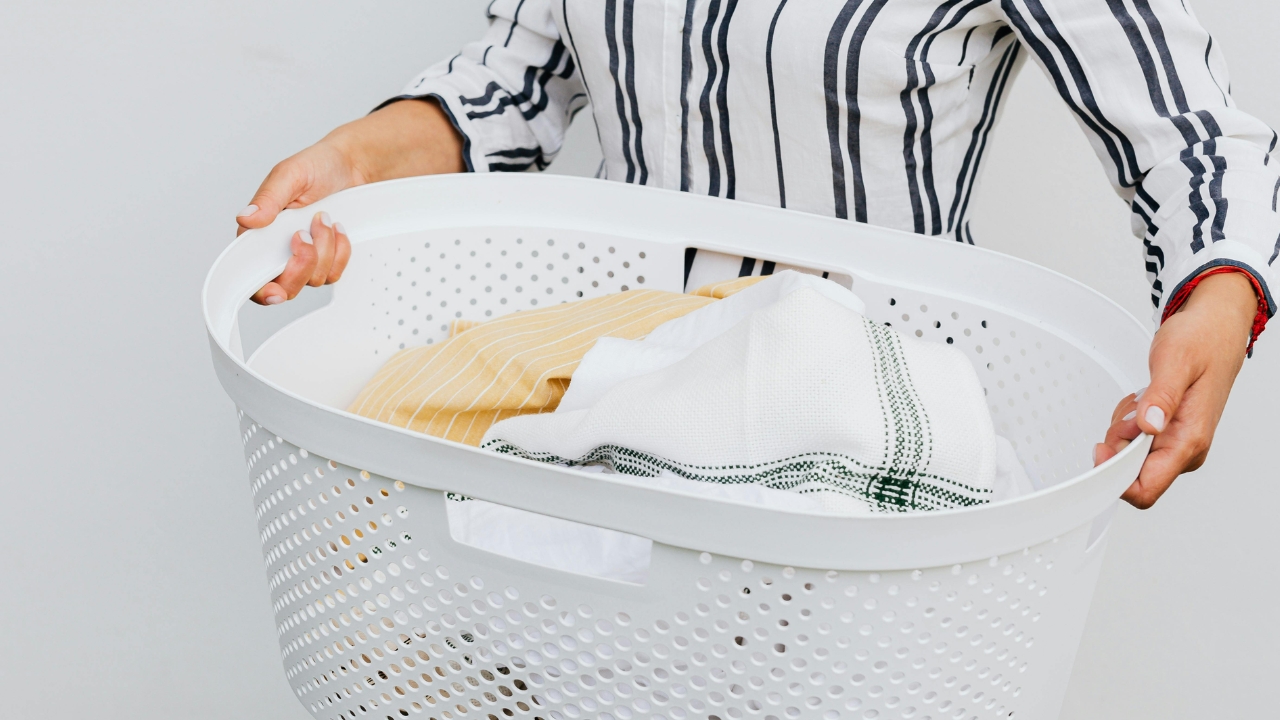
Even before washing, storing your whites with darker or colorful items can cause transfer. A little dye bleeding or residue from dirty clothes can rub off and stain white fabric without you even noticing until laundry day.
To keep whites safe, designate a separate bin or corner in the hamper. Keeping them apart before the wash is just as important as keeping them apart during it. You’ll cut down on mystery smudges and stubborn stains that show up out of nowhere.
Like Fix It Homestead’s content? Be sure to follow us.