6 Food-Preservation Rules That Matter More Than You Think
Photo credit: Ruth Ann Photos/Shutterstock.com
When you’re setting food aside for long-term storage—whether it’s home-canned, vacuum-sealed, or freeze-dried—it has to be done right. A few careless habits can turn a shelf full of food into a safety risk. T
hese aren’t suggestions or preferences; these are rules to actually keep your food safe and edible when you need it most.
Use Properly Tested Recipes

You can’t wing it when it comes to preserving food. Safe recipes are tested to make sure they kill bacteria like botulism and mold spores. If you change the ingredients or mess with the timing, you’re gambling with shelf stability.
Stick to sources like the USDA, Ball Blue Book, or university extension services. TikTok and Pinterest might be fun for ideas, but they’re not the place to find preservation safety.
Label Everything with a Date

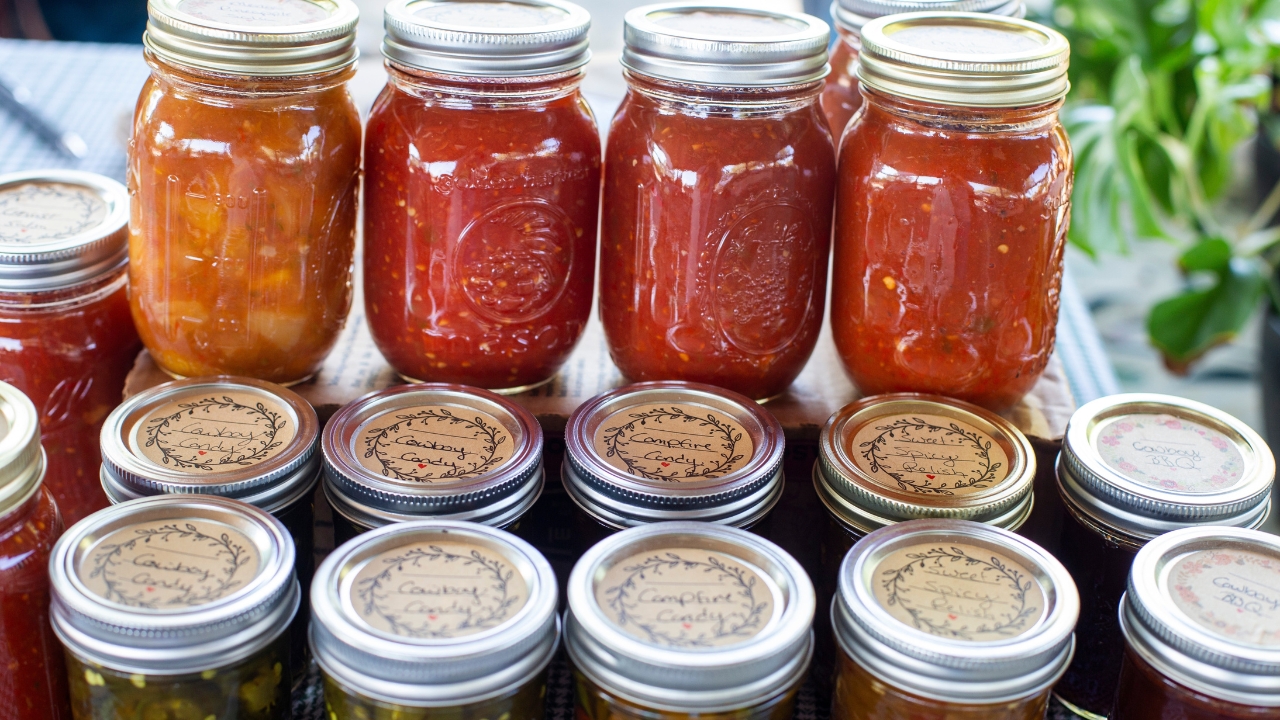
It’s easy to forget what you stored and when. Always write the date you canned, froze, or sealed the item right on the container. If you’re preserving large batches, add the contents and batch number too.
This helps you rotate your stock properly and track down problems if one jar or bag doesn’t hold up. No guessing, no mystery meals—just safe food you can trust.
Keep Storage Areas Cool and Dry
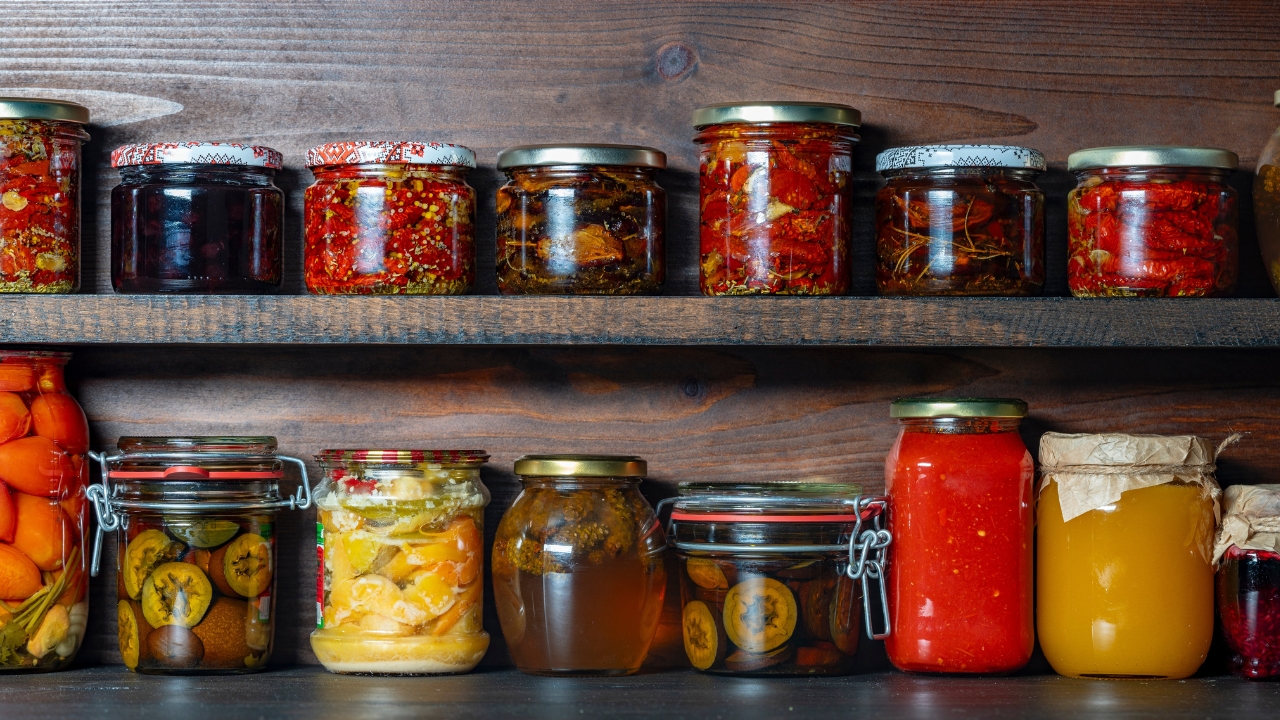
Heat, moisture, and light break down preserved food fast. Even if it’s vacuum-sealed or canned, you’ll get better results if it’s kept in a cool, dry space—ideally around 50–70°F.
Avoid storing food near your water heater, in attics, or anywhere that gets direct sun or big temperature swings. A shelf in a dark, temperature-stable room beats a hot garage every time.
Check Seals and Packaging Regularly

Preserved food isn’t “set and forget.” Seals fail, lids rust, and packaging can break down over time. Every few months, give your stored food a quick check. Look for broken seals, bulging lids, strange smells, or signs of pests.
If anything’s questionable, don’t take the risk. When in doubt, throw it out. It’s not worth getting sick over a bad jar of beans.
Rotate Your Stock
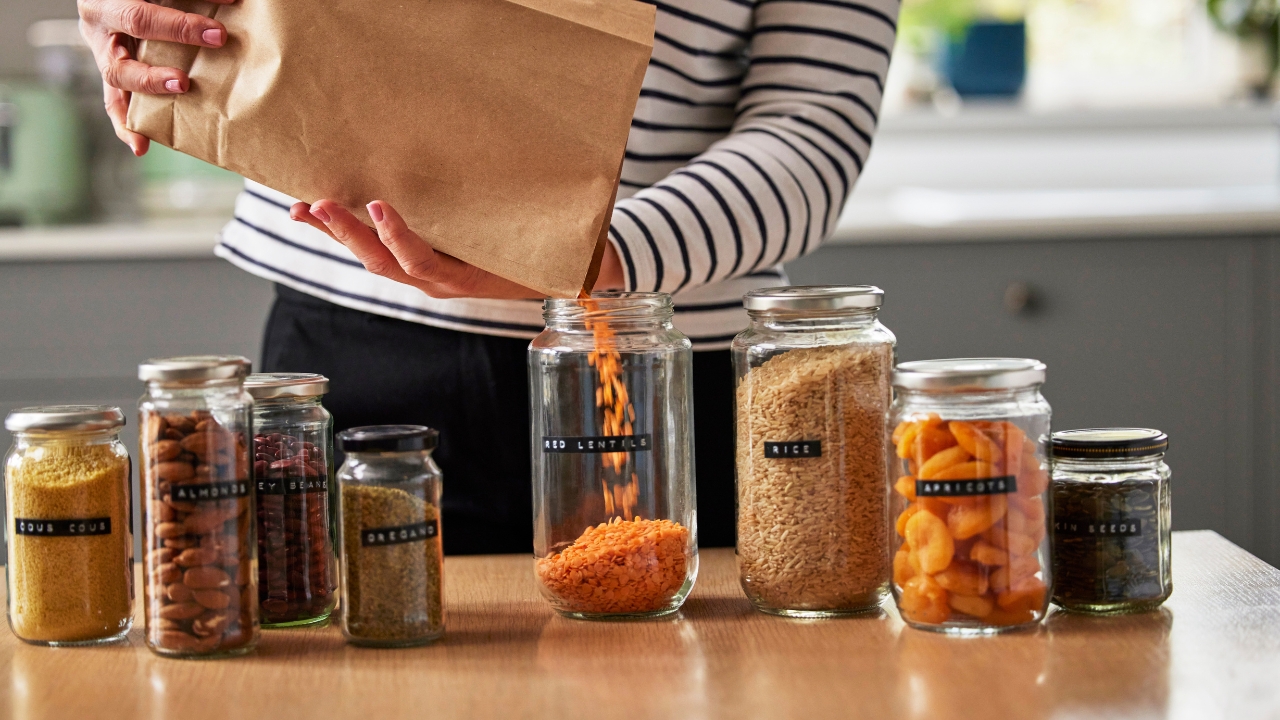
Even preserved food has a shelf life. Use the oldest food first and make it a habit to rotate your storage when you add new batches. This way, nothing sits so long it goes bad unnoticed.
Put newer items behind older ones, and make a simple inventory list if you’re managing a lot of jars or buckets. You’ll waste less and keep your pantry ready to go.
Use Oxygen Absorbers and Mylar Bags When Needed

For dry goods like rice, beans, and flour, vacuum sealing isn’t always enough. Oxygen absorbers in airtight mylar bags extend the shelf life and reduce the chance of pests or spoilage.
Just make sure the product is completely dry, and don’t reuse absorbers. Store the sealed bags in a food-safe bucket to protect them from light and rodents.
Like Fix It Homestead’s content? Be sure to follow us.