10 Foods That Can Make a Cow Sick
Photo credit: Joel Masson/Shutterstock.com
Cows aren’t garbage disposals, even if they act like it. Their digestive system is unique—built to handle grass, hay, and quality feed, not random kitchen scraps or whatever’s lying around the barn. Some foods might seem harmless but can seriously mess with their rumen or even turn deadly.
If you want your herd healthy and productive, knowing what not to feed is just as important as knowing what to give them.
Moldy Hay or Feed
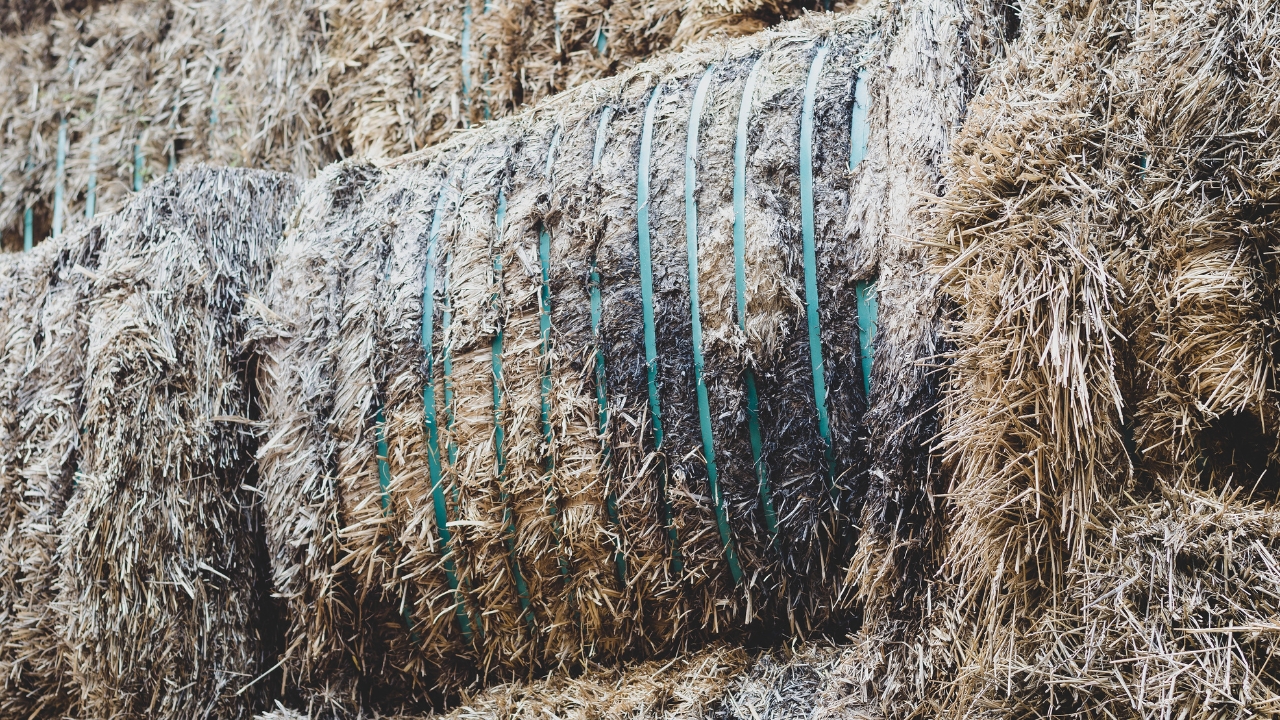
Feeding cows moldy hay or spoiled grain might seem like a way to cut waste, but it can do serious damage. Mold can lead to respiratory issues, digestive problems, and in some cases, mycotoxin poisoning.
Even if the bale looks mostly okay, it only takes one contaminated section to trigger a reaction. If hay smells musty, feels damp, or has visible mold, skip it. Quality matters more than quantity when it comes to feed.
Raw Potatoes

Raw potatoes can be dangerous for cattle—especially if they’re green or sprouting. They contain solanine, which is toxic to cows and can cause everything from diarrhea to nervous system issues.
Cooked potatoes in small amounts are sometimes used in mixed feed rations, but raw ones—especially scraps—aren’t worth the risk. Keep them out of reach and toss them in the compost instead.
Onions
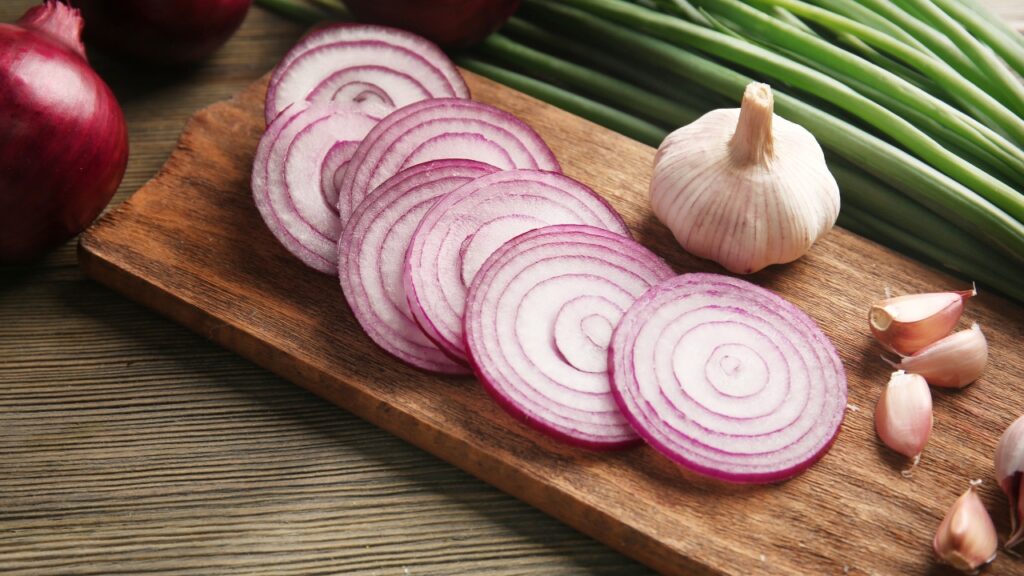
Cows love the taste of onions, but feeding them too many can lead to a condition called hemolytic anemia. It affects their red blood cells and can cause lethargy, weakness, and in severe cases, death.
A few stray onion peels aren’t the end of the world, but don’t dump kitchen scraps that include large amounts. If you’re feeding leftovers, always know what’s in the mix.
Chocolate or Caffeine
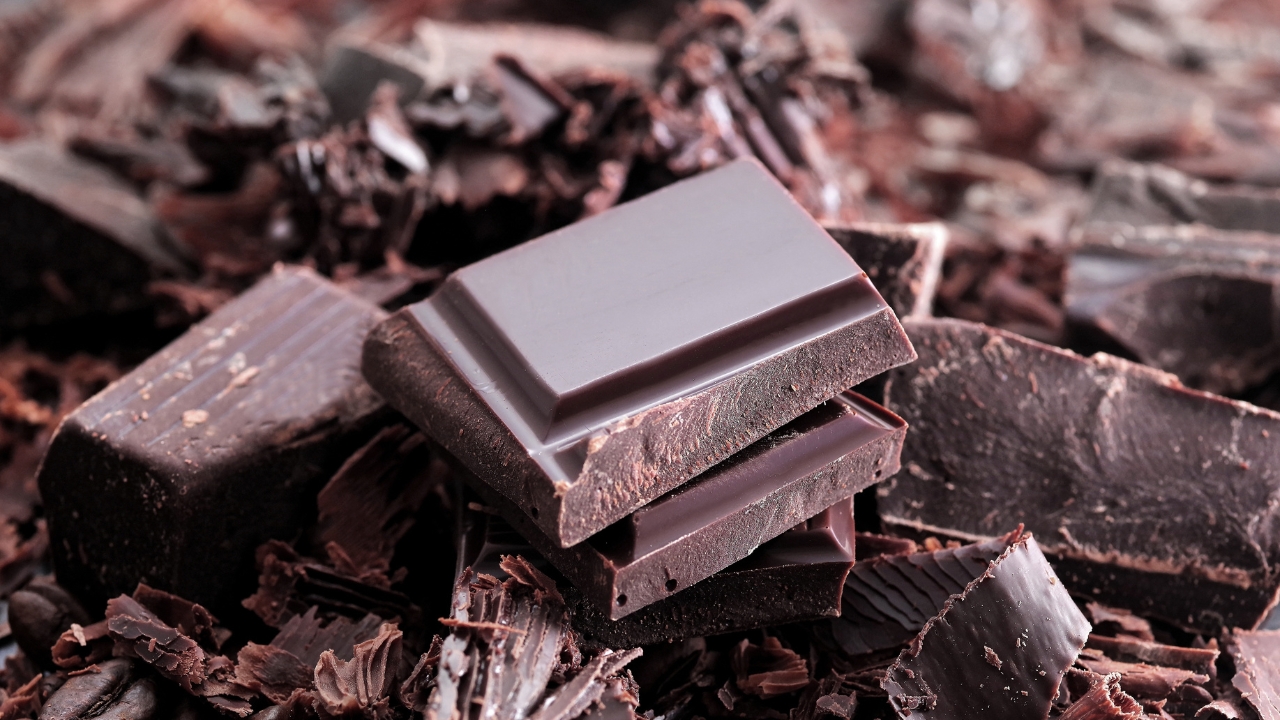
It might sound silly, but there have been cases of cows getting into candy, coffee grounds, or other human treats. Chocolate contains theobromine, and caffeine is a stimulant—neither belongs in a cow’s diet.
Both can overstimulate their system and lead to heart issues or digestive upset. Keep all sweets and drinks far from your feed area, especially if kids are tossing scraps in the bin.
Bread or Bakery Waste
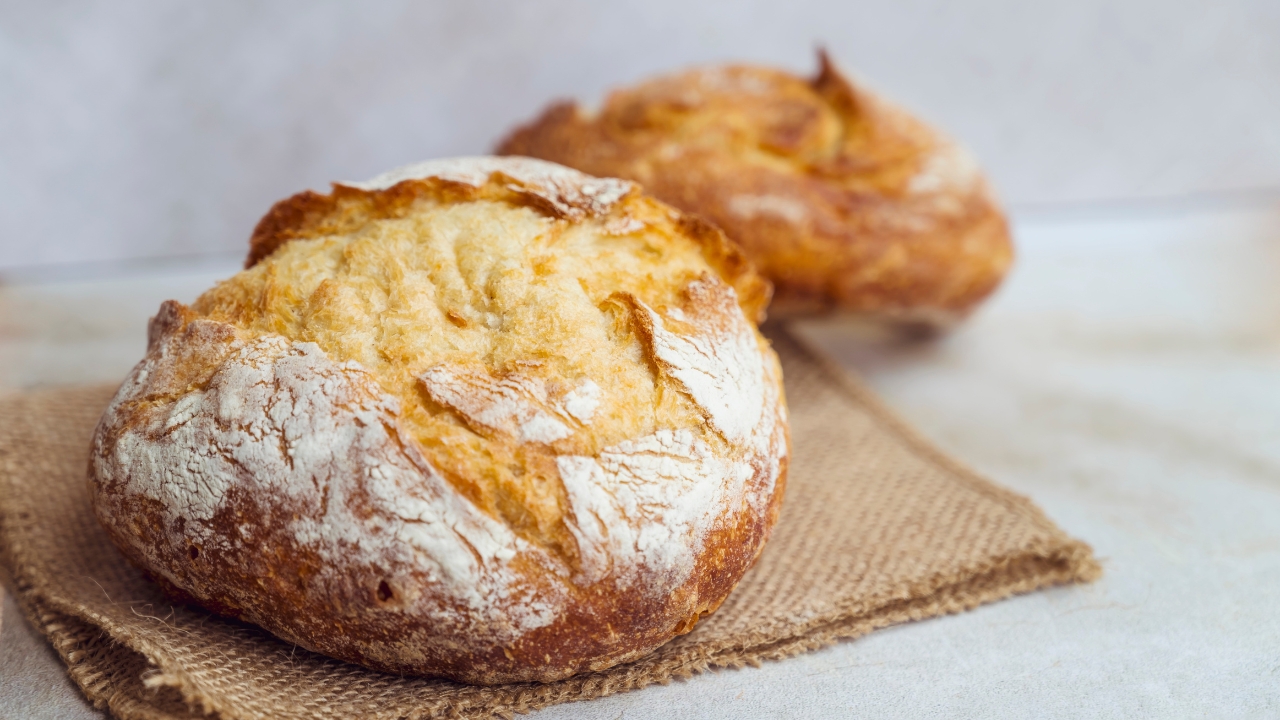
Bread might seem harmless, but it’s too high in starch and can quickly throw off a cow’s rumen balance. Too much can lead to bloat, acidosis, or laminitis—none of which are easy to deal with.
A small slice here or there probably won’t cause trouble, but feeding it regularly or in bulk isn’t smart. Stick to feed that’s actually designed for ruminants.
Lawn Clippings
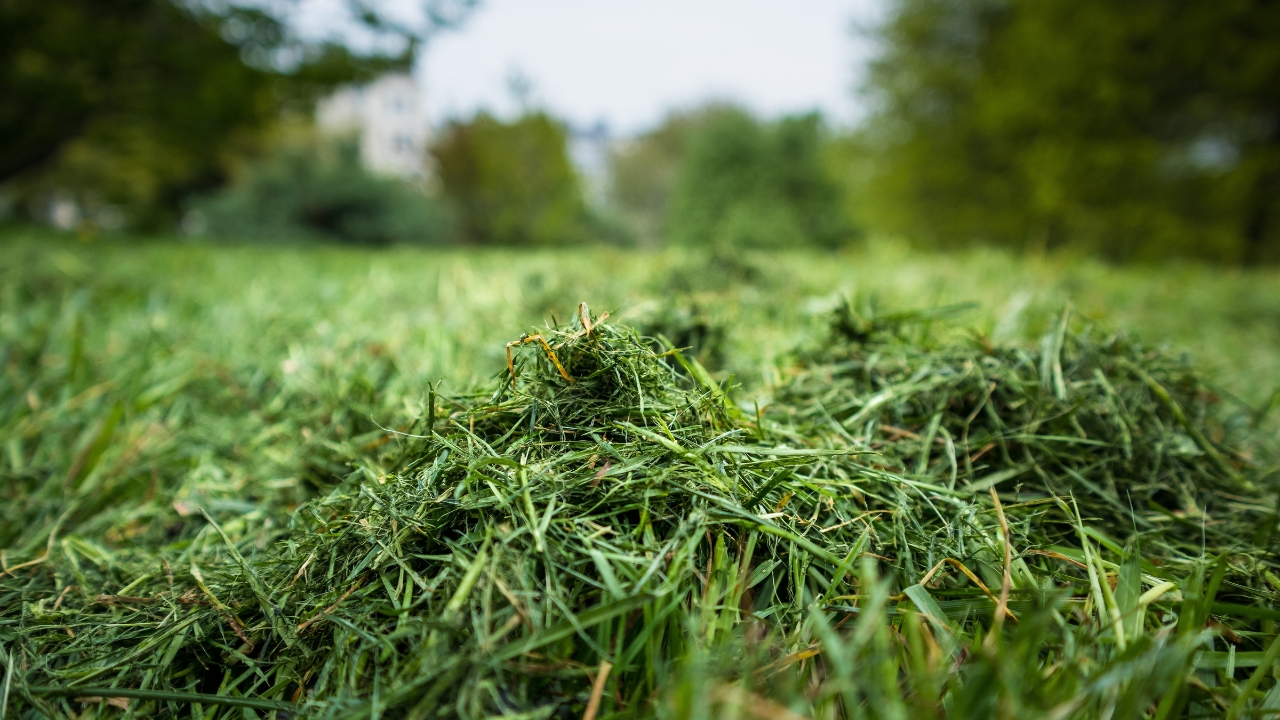
Fresh-cut grass ferments fast—especially when it’s bagged or piled up. That rapid fermentation can cause bloat, which is painful and potentially fatal for cattle.
If you mow your yard, never dump the clippings into the pasture or feed area. The risk outweighs the benefit, and cows grazing on fresh pasture is a whole different ball game.
Avocado
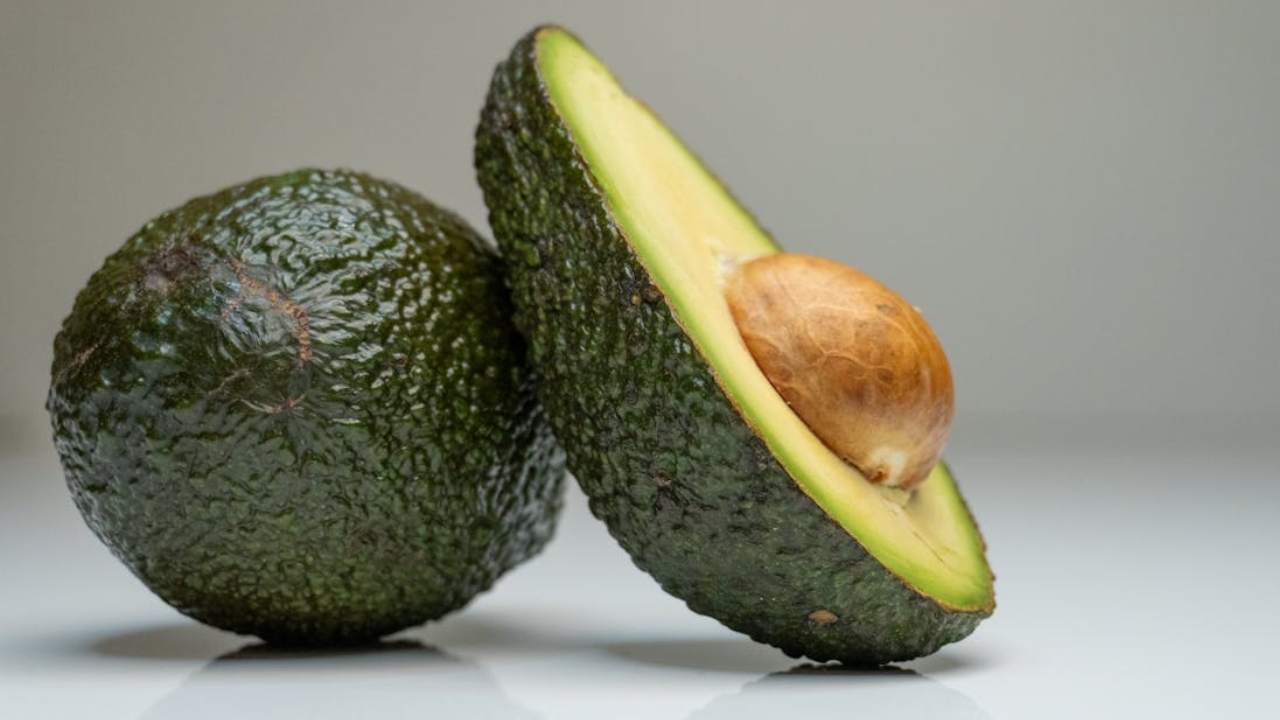
Avocados contain a toxin called persin, which is dangerous for many animals—including cows. It’s found in the leaves, skin, and pit, and it can cause heart damage or mastitis in dairy cows.
Even if your cow doesn’t drop dead after eating some, it’s still not worth the risk. Keep avocado waste out of your compost or feeding routine entirely.
Meat or Animal Products
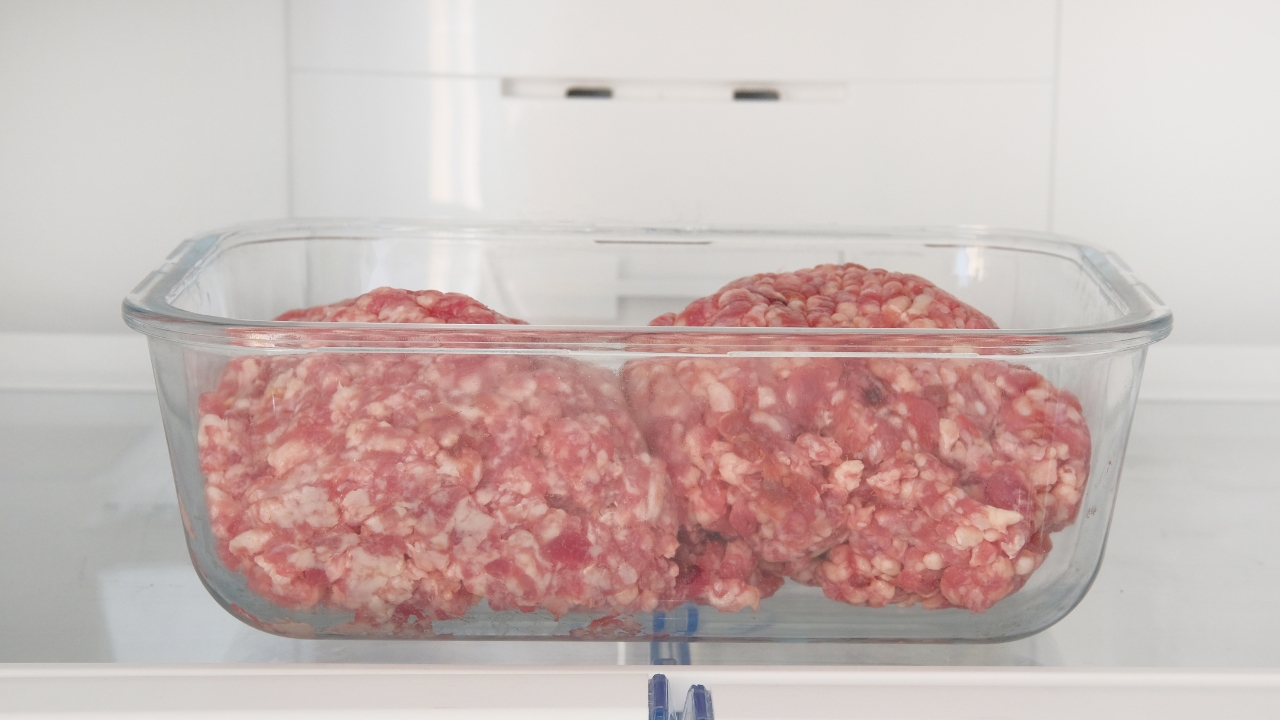
Cows are herbivores, and their bodies aren’t made to process meat or animal fats. In some places, feeding animal byproducts is even illegal due to disease risk like BSE (mad cow disease).
It can also make them sick in less severe ways, triggering digestive issues or long-term health problems. If your scraps include bacon grease or meat trimmings, keep it out of their reach.
Fruit with Pits
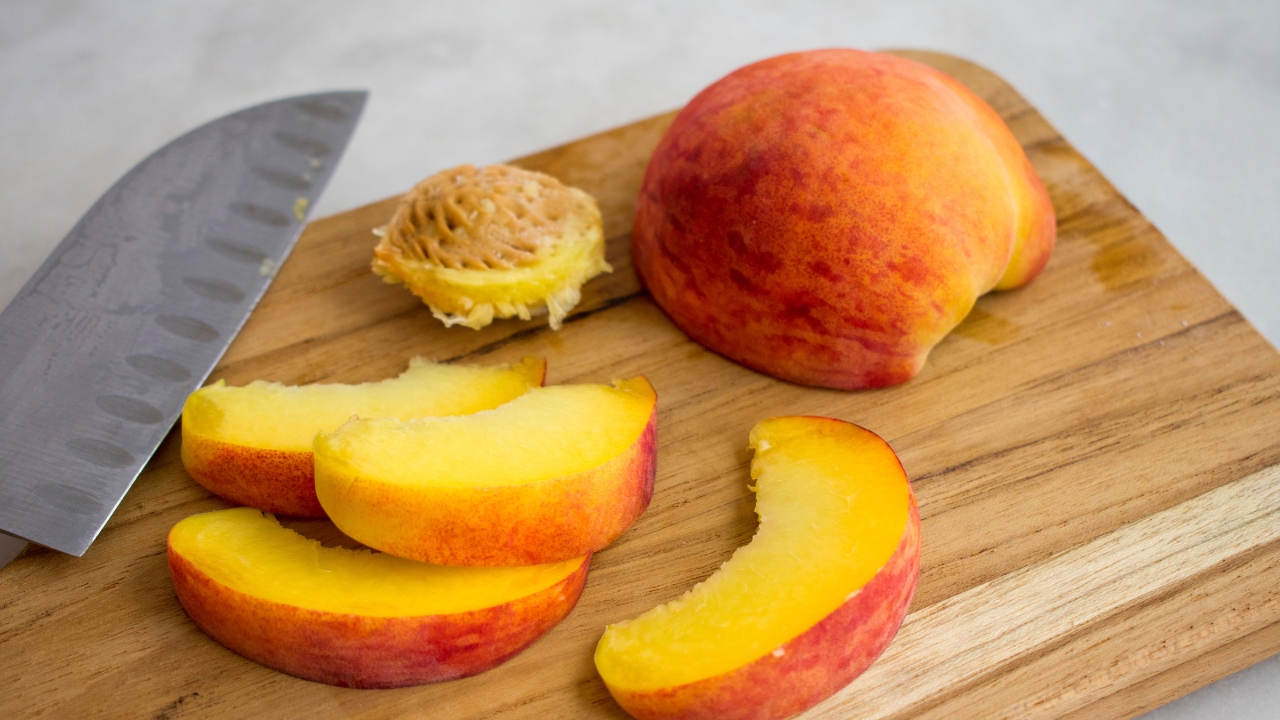
Feeding cows fruit like peaches or plums might sound like a treat, but the pits are a choking hazard. Some also contain cyanogenic compounds, which can be toxic in large quantities.
If you’re giving fruit scraps, always remove any large pits or hard seeds. Soft fruits without stones are fine in moderation, but keep an eye on what you’re actually tossing in the trough.
Leftovers with Salt
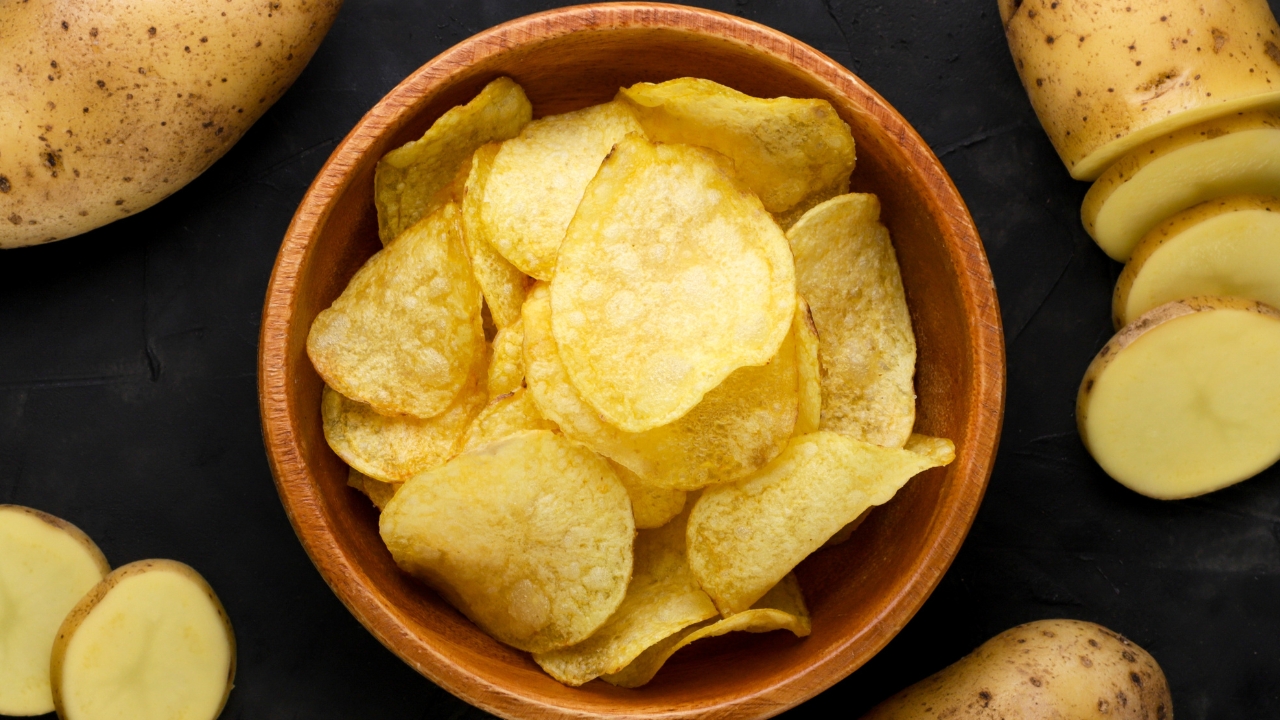
Cows need salt—but too much at once can be deadly. Salty leftovers like chips, pretzels, or seasoned meat scraps can easily push them past safe sodium levels.
Signs of salt poisoning include dehydration, weakness, and even seizures. If it’s seasoned for humans, it doesn’t belong anywhere near your cow’s feed bucket.
Like Fix It Homestead’s content? Be sure to follow us.