6 Places Firewood Should Never Be Stored
Photo credit: nadia_if/Shutterstock.com
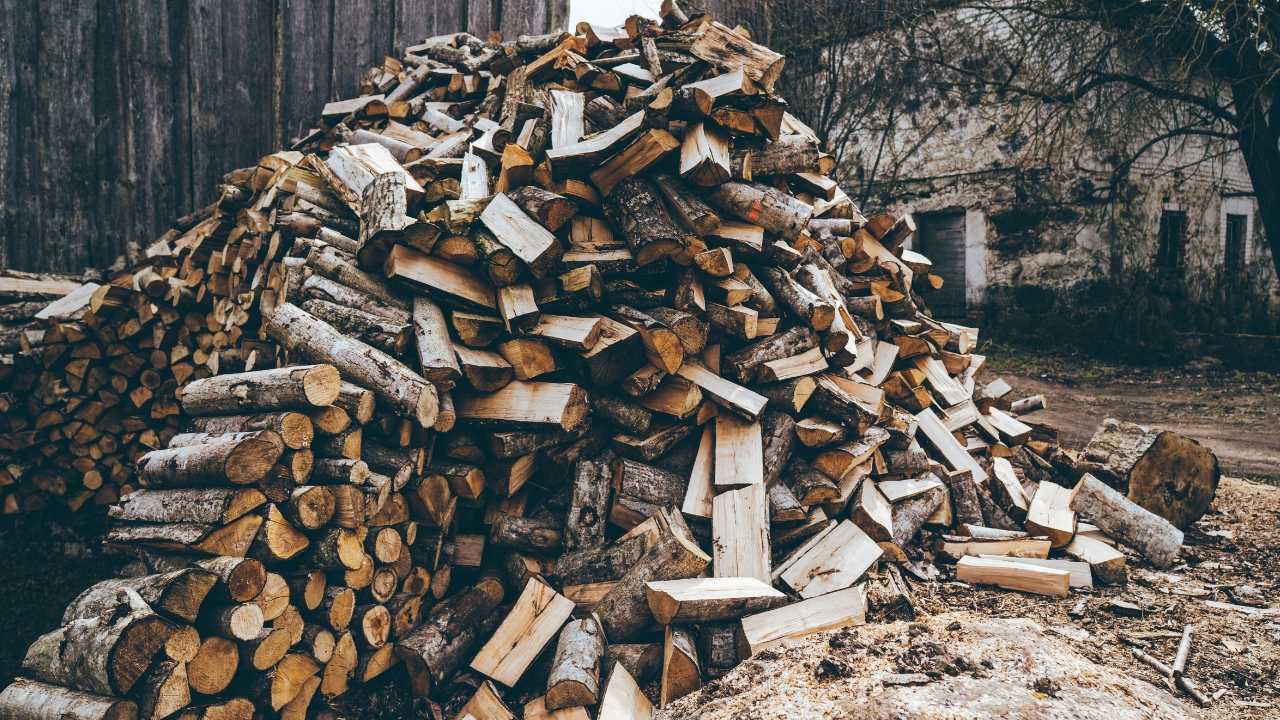
Storing firewood sounds simple until you realize how many places make the problem worse. Moisture, pests, and airflow all play a part in how your firewood holds up—and stacking it in the wrong spot can ruin a whole season’s worth.
If you want wood that burns clean, safely, and efficiently, you’ve got to be smart about where it lives. Here are the spots you need to avoid, no matter how convenient they seem.
Right Against the House
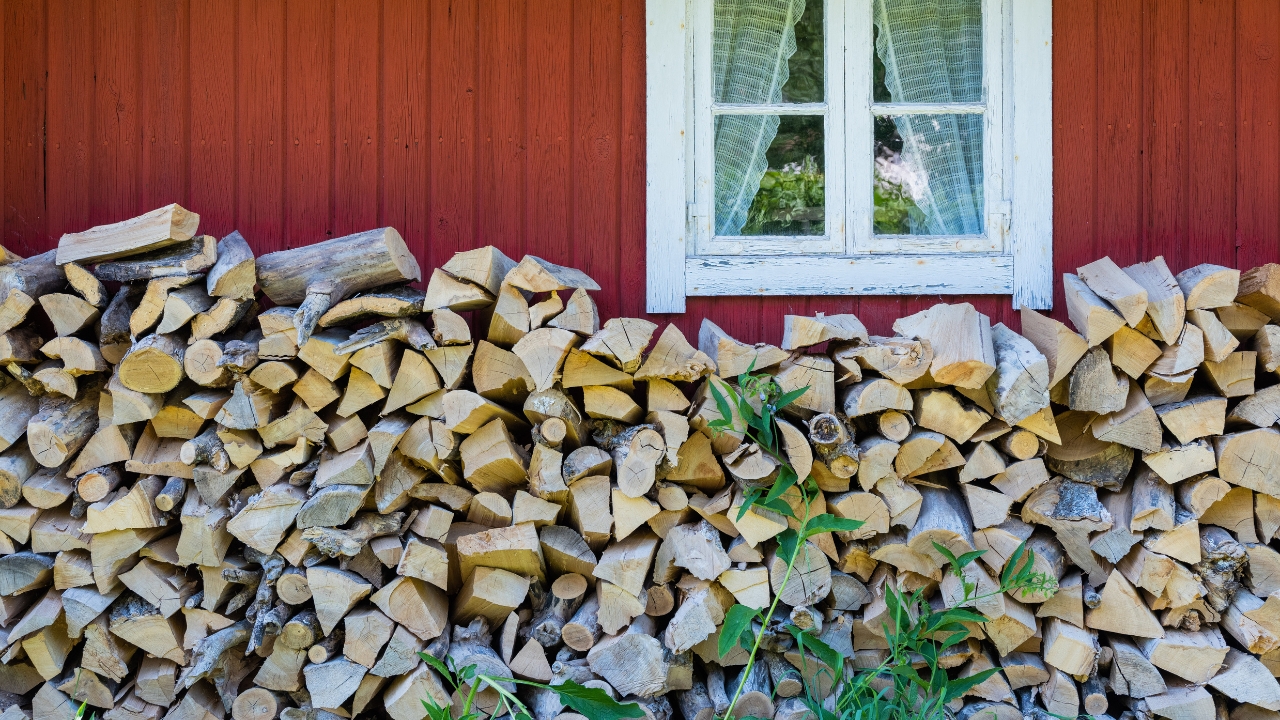
It might seem handy to keep firewood stacked right outside the back door, but it’s a magnet for termites, ants, and other pests. Once they’re in the pile, it’s only a short trip into your walls. Stacking wood directly against the house also limits airflow, which keeps it from drying out properly.
If you want it close, give it a little breathing room. Leave at least a few inches between the stack and any siding, and always keep it off the ground.
Inside the House (Long-Term)
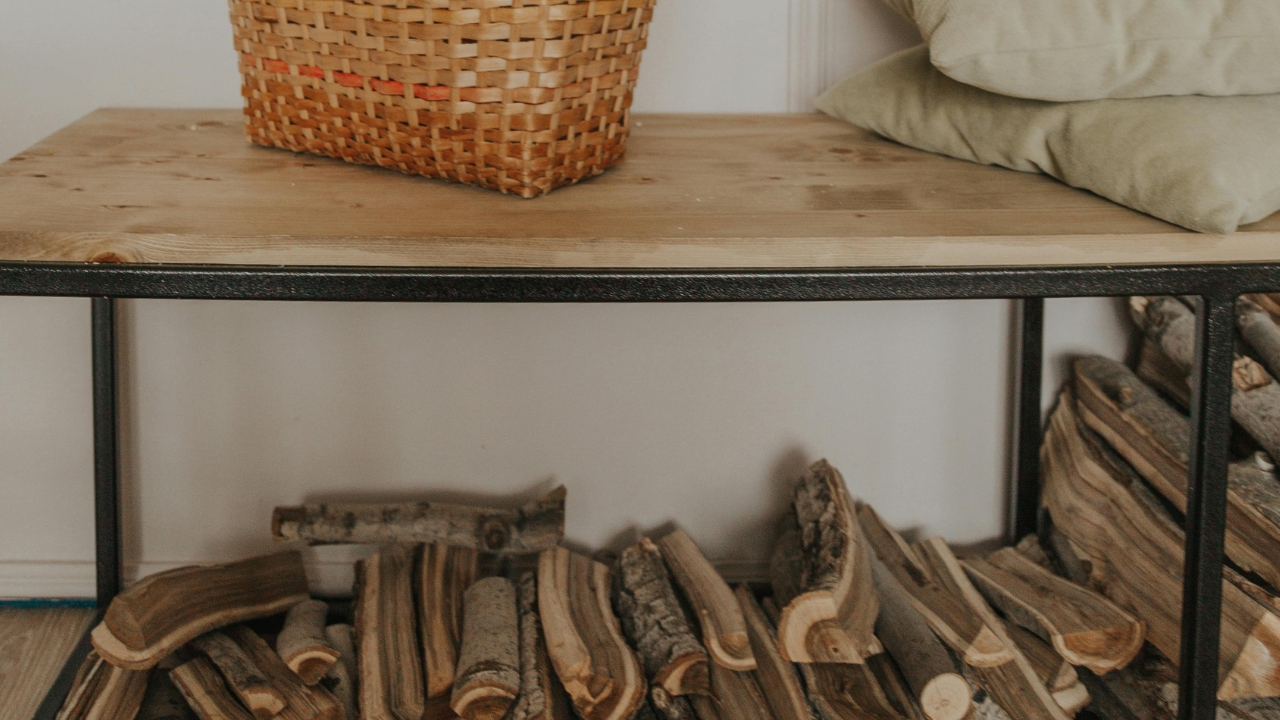
Bringing in a couple logs for the night is fine, but long-term indoor storage is asking for trouble. Firewood carries bugs, mold spores, and moisture—even when it looks dry. The longer it sits inside, the more time pests have to spread.
Only bring in what you’re going to burn in the next day or two. Keep the rest outside where it can breathe and continue seasoning.
In a Garage or Shed With Poor Ventilation
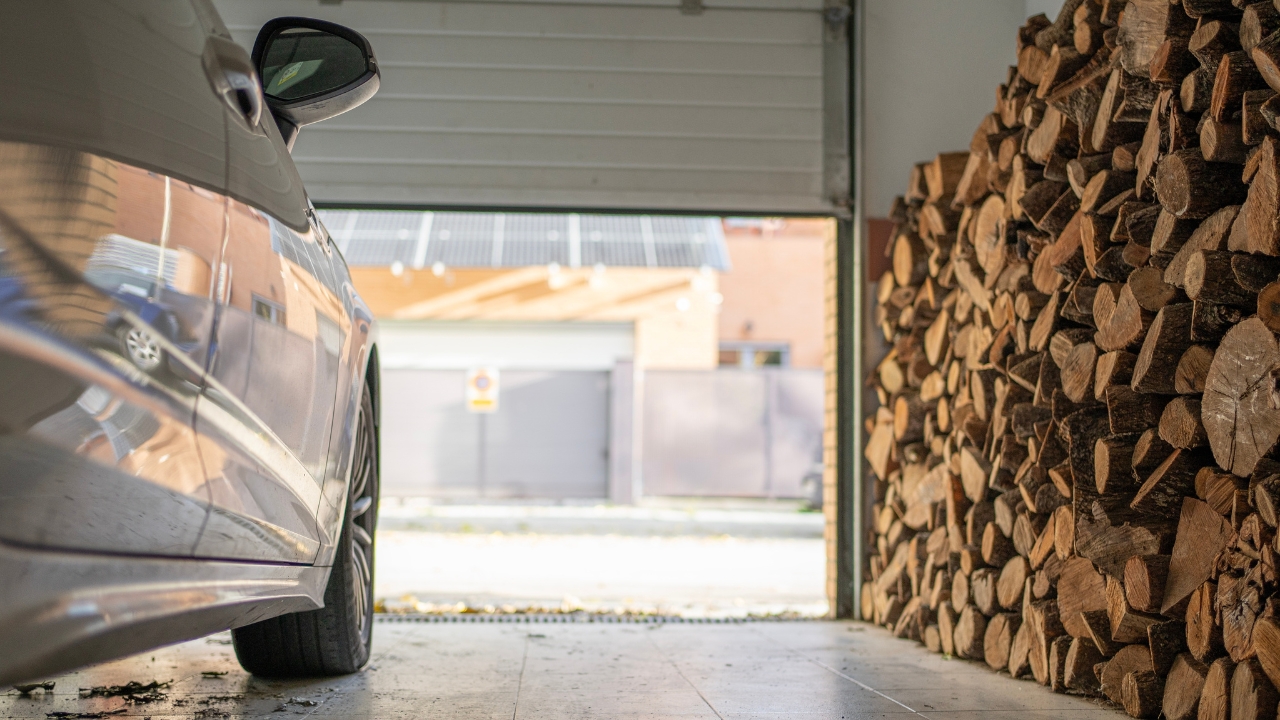
Firewood needs airflow to season properly. If you stack it in a sealed-off garage or shed, you’re trapping in moisture and creating a moldy mess. That kind of environment doesn’t just hurt your firewood—it also invites mildew and rot.
If you’re going to store it under cover, make sure there’s cross-ventilation. Leave space between rows, and don’t stack it flush with the walls.
Under a Tarp (Directly)
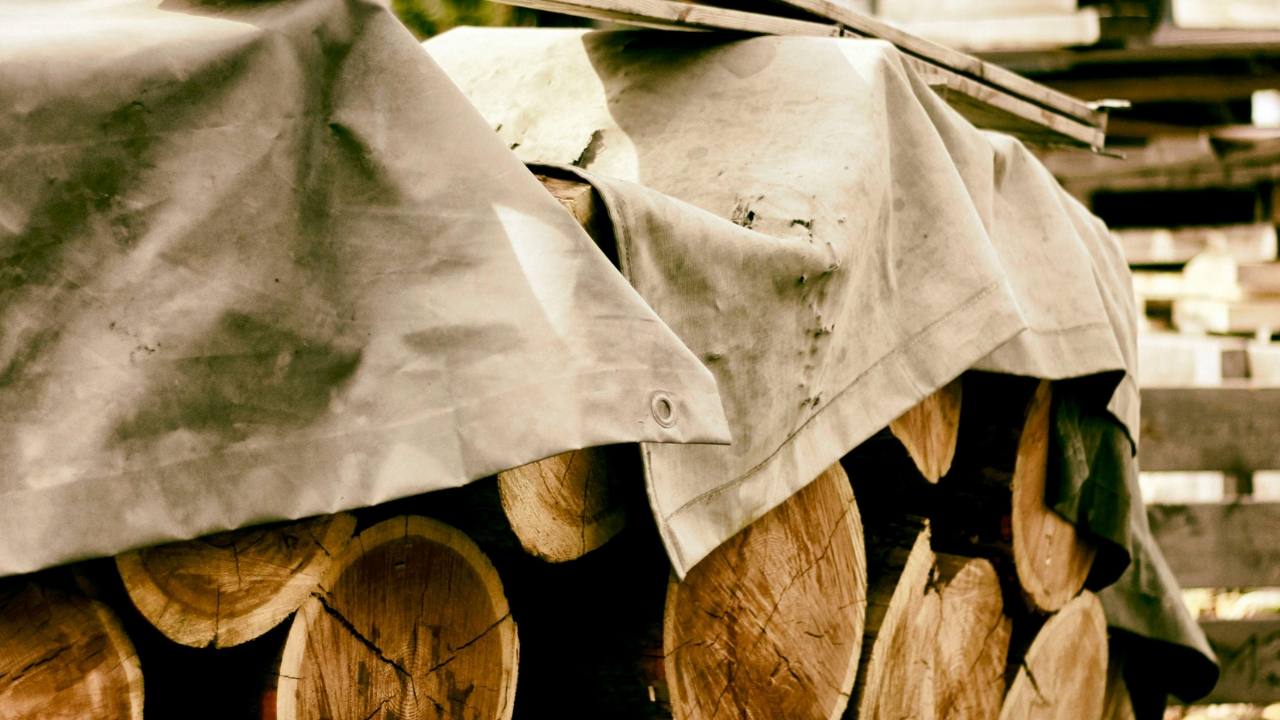
Covering firewood with a tarp can backfire fast. If you drape it over the stack without allowing for ventilation, moisture will build up underneath and start to rot the wood. You’ll end up with moldy, useless logs and a big mess to clean up.
If you use a tarp, only cover the top. Let the sides breathe so air can move through the stack and moisture doesn’t get trapped inside.
On Bare Ground
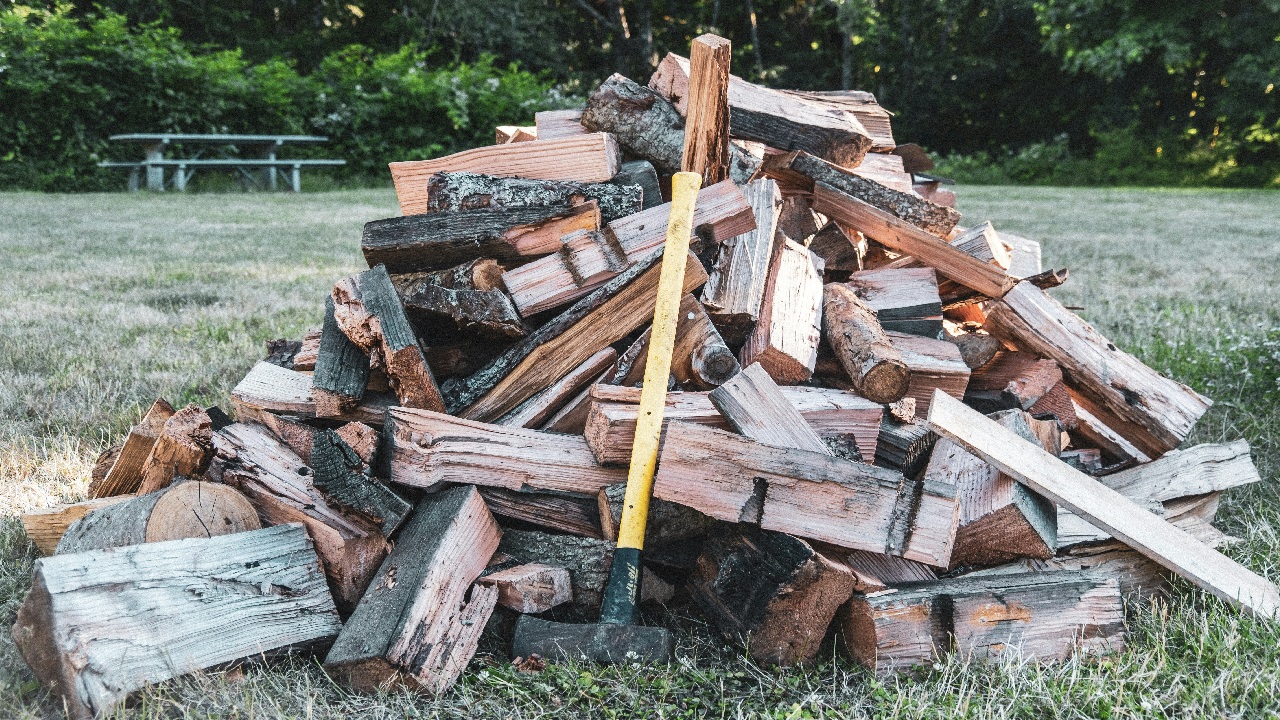
Firewood stacked directly on dirt soaks up ground moisture and starts to rot from the bottom up. Even in dry climates, the underside of the stack will stay damp, and that ruins any chance of proper seasoning.
Use pallets, concrete blocks, or a rack to lift the wood off the ground. It doesn’t have to be fancy—just enough to keep it elevated and dry.
Under Trees
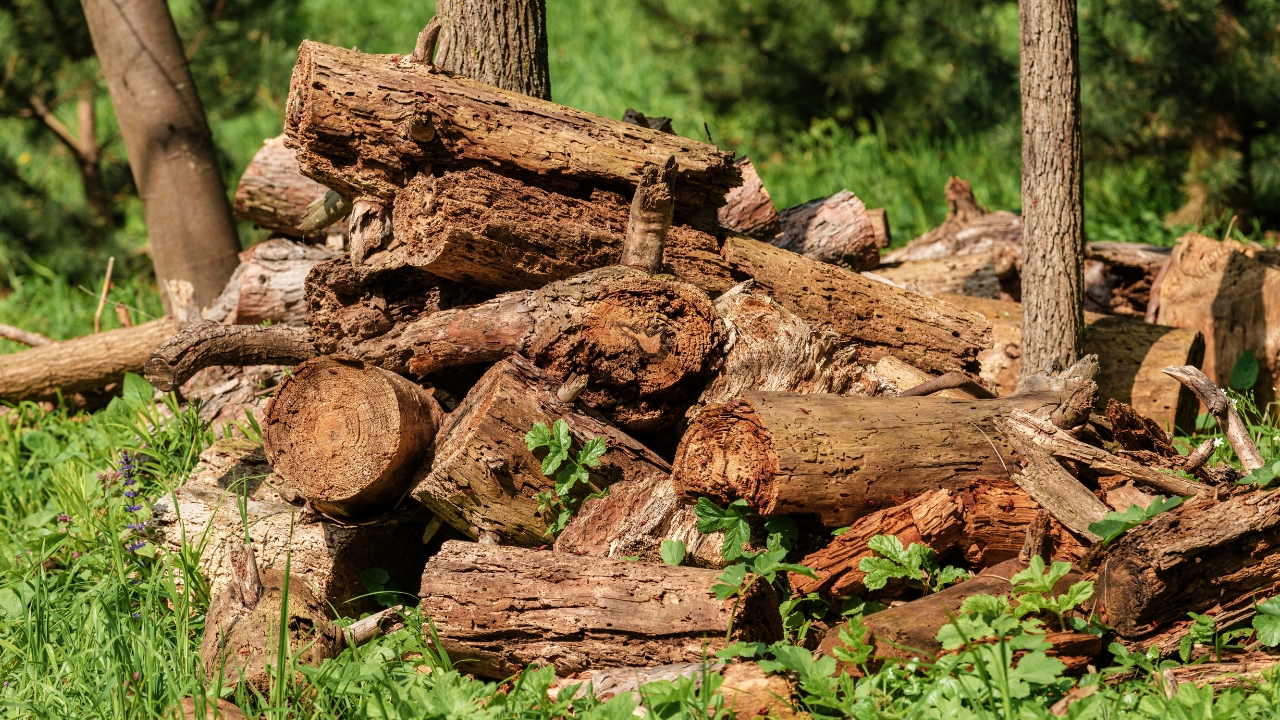
Trees offer shade, but they also drop leaves, branches, and constant moisture on your woodpile. That combination slows down drying and makes it easier for fungus to take hold. If a branch falls, it could also damage your stack or knock it over completely.
Pick a spot with clear overhead space and plenty of sun. Firewood seasons faster in direct light and open air—something you won’t get under a tree canopy.
Like Fix It Homestead’s content? Be sure to follow us.