8 Cast-Iron Habits That Strip Away a Good Seasoning
Photo credit: pixabay.com
There’s a reason people swear by cast iron—it lasts forever when you treat it right. But a lot of folks ruin their pans without even realizing it. Seasoning isn’t complicated, but it is sensitive. And if you’re doing the wrong things in the kitchen or at the sink, you’re probably stripping away everything that makes your skillet nonstick and low-maintenance.
Here’s what’s actually worth watching out for if you want that cast iron to perform like it should.
Letting It Soak in Water
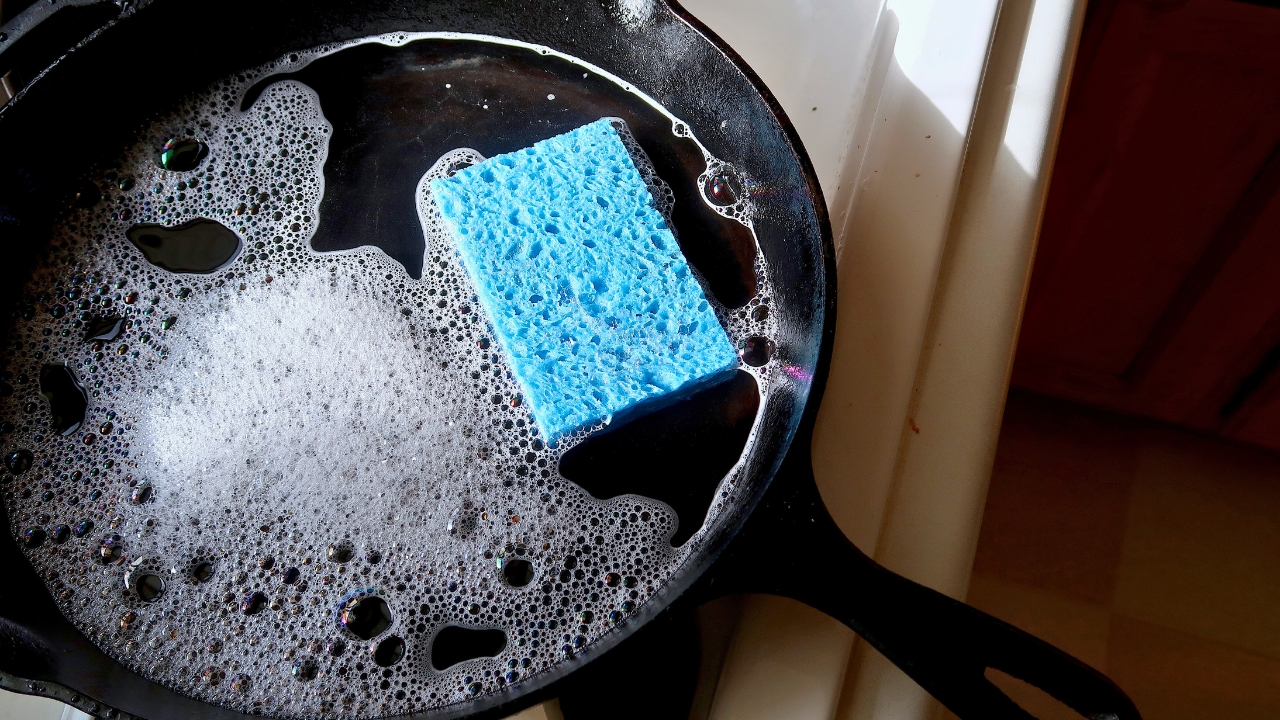
Leaving cast iron to soak is one of the fastest ways to wreck your seasoning. It doesn’t matter if it’s “just a few minutes.” Water gets in fast, and the longer it sits, the more likely you’ll deal with rust or flaking.
If something’s stuck on, scrub it while the pan’s still warm or use salt as a gentle abrasive. But don’t leave it in the sink thinking you’ll come back to it later. That black coating can’t protect your skillet from water damage if it’s submerged.
Using Soap Every Time You Wash It
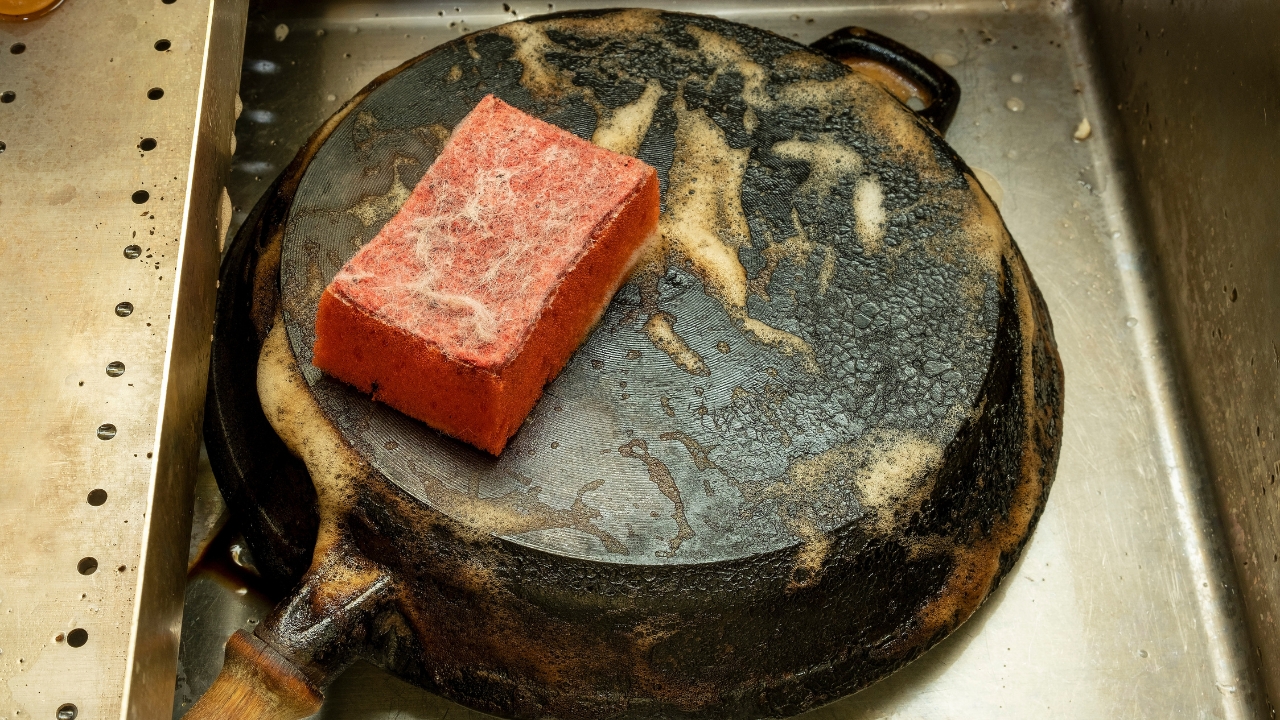
A little soap here and there isn’t the end of the world, but using it every single time will wear down your seasoning layer way faster. That hard-earned patina is made up of baked-on oil, and soap is designed to cut through grease.
If your pan’s already well-seasoned, a quick rinse and wipe down is usually enough. For stuck-on food, stick to hot water and a scrub brush—or kosher salt if you need more grit. You shouldn’t need dish soap often if your seasoning’s in good shape.
Cooking Acidic Foods Too Often

Tomatoes, vinegar, citrus—these can all pull the seasoning right off your skillet if you cook them too often or for too long. The acidity breaks down the oil layers, especially if your pan hasn’t been seasoned thoroughly yet.
It’s fine to cook something acidic every now and then, especially if your seasoning is solid. But if you’re still building up that nonstick layer, skip the tomato sauce until your skillet is fully broken in.
Skipping the Drying Step
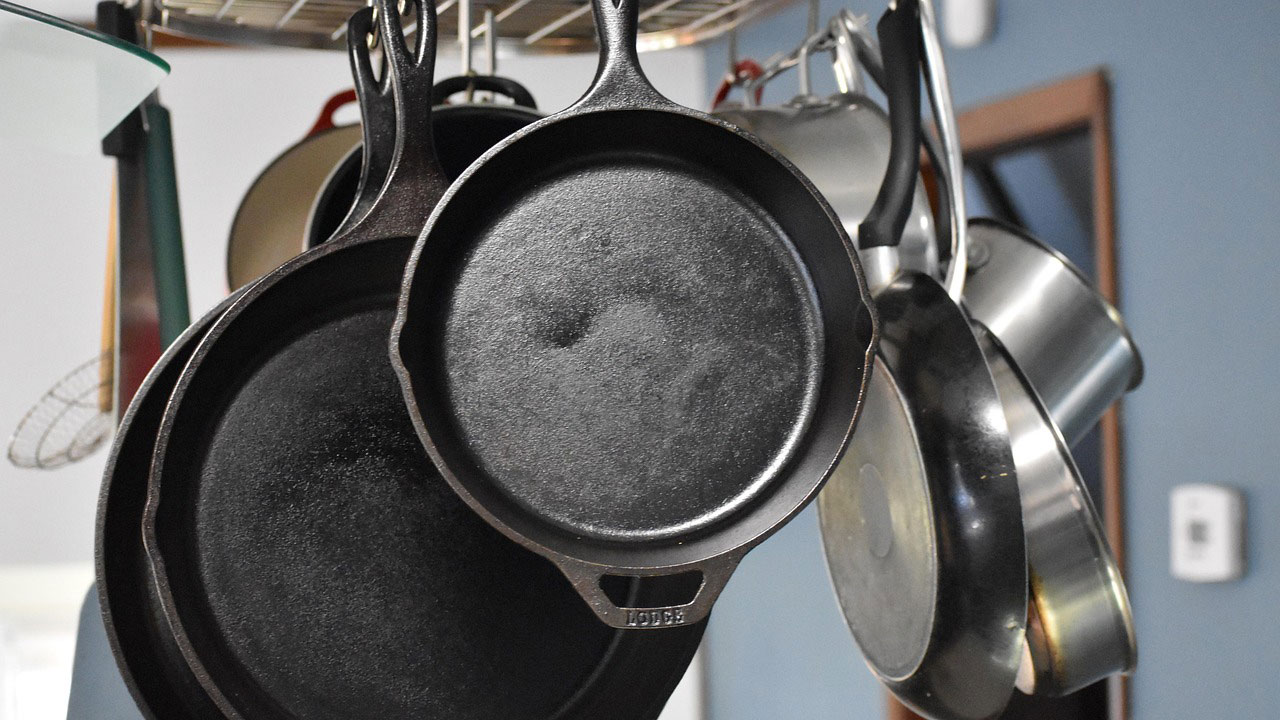
Every time you wash cast iron, you need to dry it completely. Leaving it to air dry or tossing it straight in the cabinet while it’s damp is an open invitation for rust to form—and once rust gets going, it eats up your seasoning fast.
Wipe it dry right away with a towel, then stick it on a hot burner for a couple minutes to make sure all the moisture is gone. It’s one of the simplest steps that makes the biggest difference in preserving your pan.
Forgetting to Oil After Cleaning
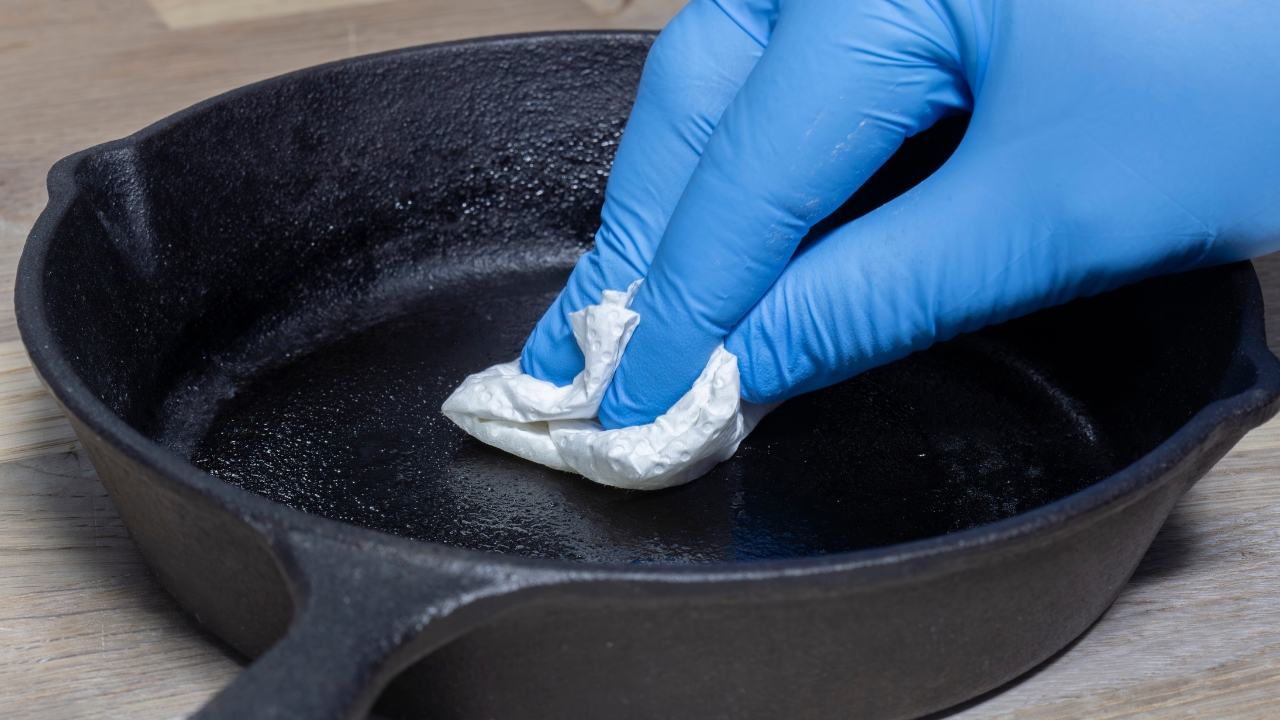
Once your skillet is dry, it needs a thin coat of oil. Skipping this step leaves the metal exposed, and that’s when rust and dull patches start creeping in. It doesn’t need much—just a drop or two, wiped in with a paper towel while it’s still warm.
That little bit of oil helps protect the surface and slowly builds up the seasoning layer over time. If your pan keeps feeling sticky, you’re probably using too much oil. Wipe it until there’s barely a sheen.
Using High Heat on a Dry Pan
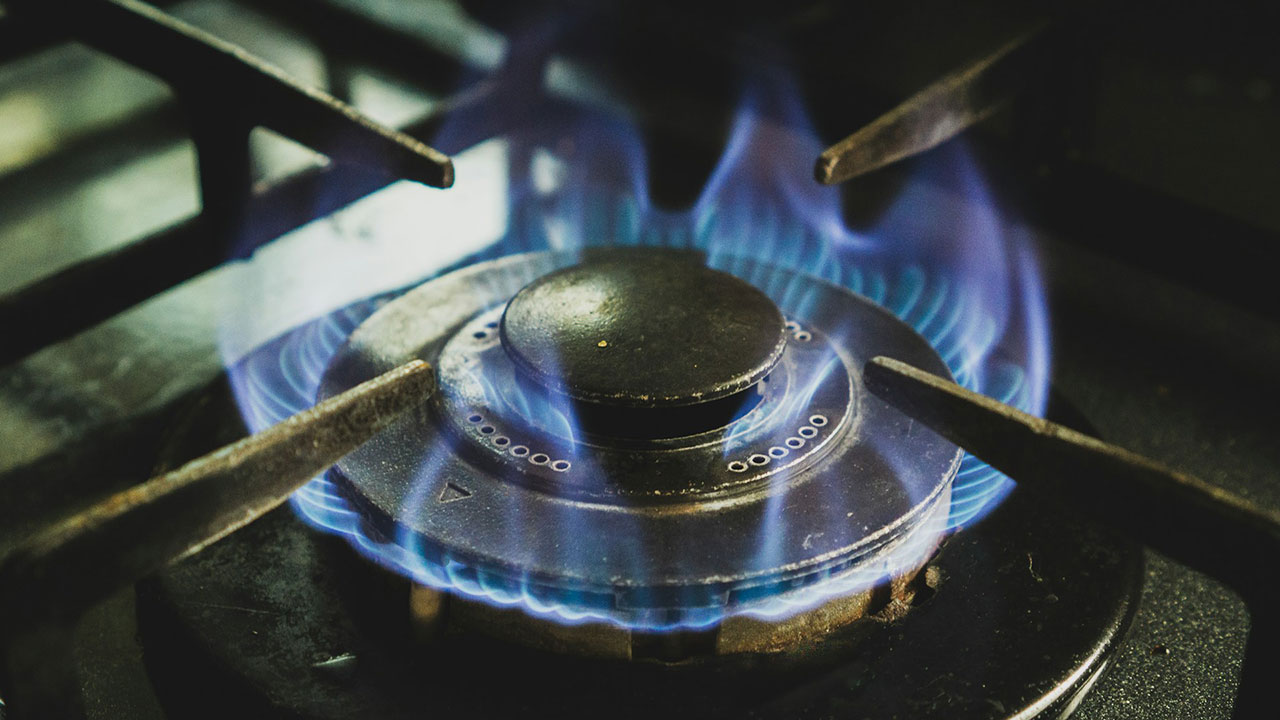
Cranking up the heat too fast on an empty skillet can cause the seasoning to flake or crack. Cast iron needs to warm up gradually, especially if it’s freshly seasoned or hasn’t been used in a while.
If you’re about to sear something, heat the pan with a little oil in it and give it time to come up to temp. A dry, screaming-hot skillet isn’t doing your seasoning any favors—it’s more likely to damage it.
Storing It With the Lid On
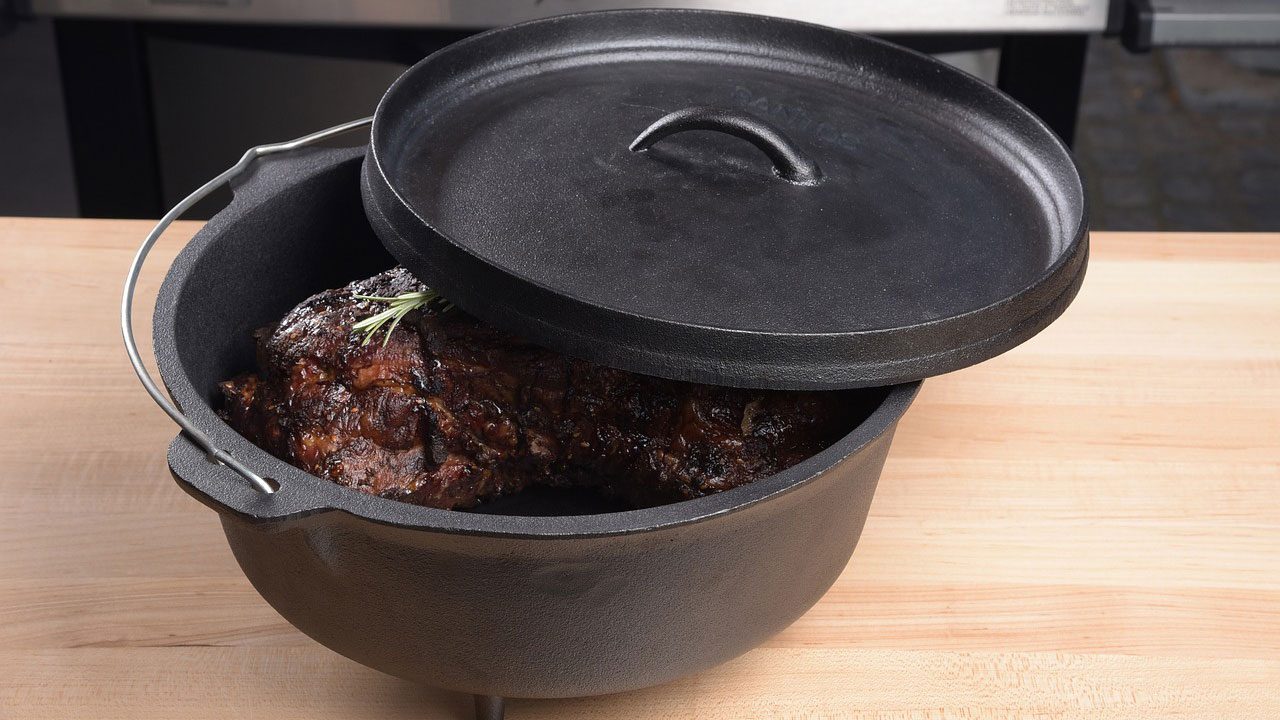
If your cast iron has a lid, don’t store it that way. Even if it seems dry, trapped moisture inside the pan can lead to rust spots and lift the seasoning. It only takes a little humidity to cause trouble.
Instead, store the lid separately or prop it up with a spoon so air can circulate. Some folks even tuck a paper towel inside the skillet to absorb any extra moisture. A little airflow goes a long way in keeping your pan rust-free.
Not Using It Often Enough
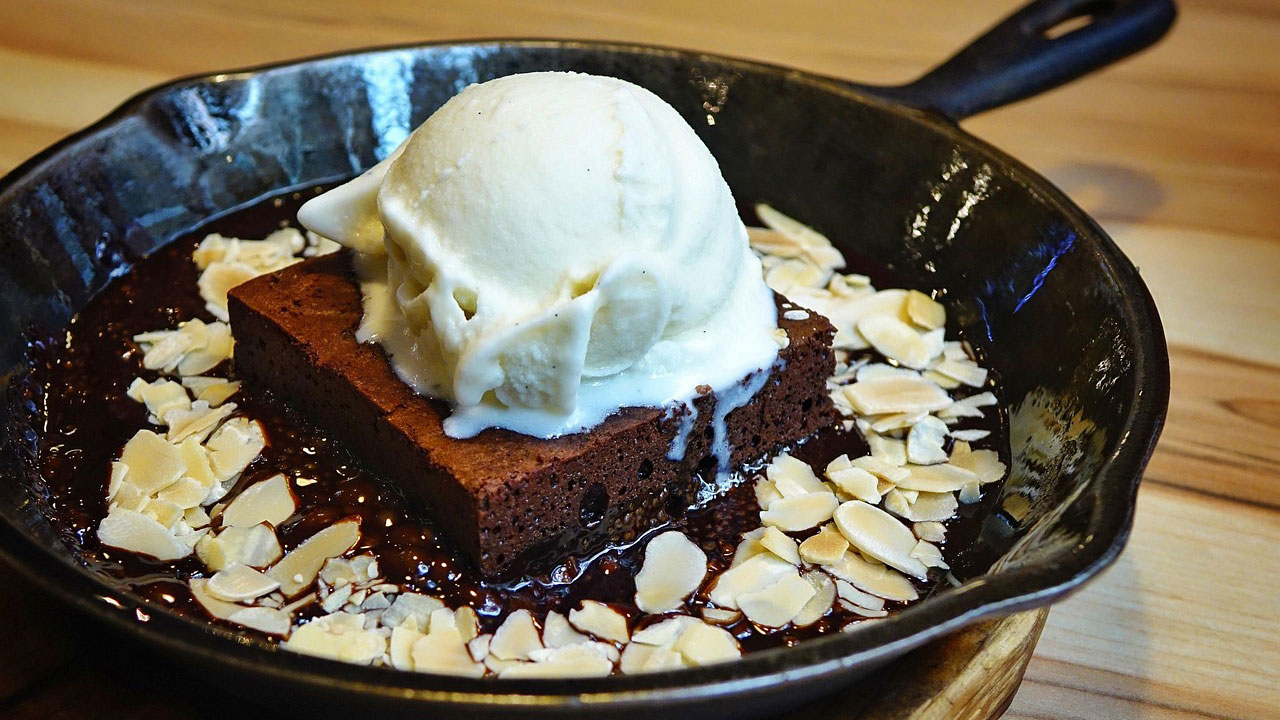
Believe it or not, cast iron actually does better the more you use it. Regular cooking keeps the seasoning strong and helps it build naturally over time. Letting your pan sit in a cabinet for weeks at a time gives moisture a chance to creep in and dull the surface.
Even if you’re not cooking something heavy, try to use your skillet for little things—frying eggs, toasting sandwiches, roasting veggies. The more you cook with it, the better it performs.
Like Fix It Homestead’s content? Be sure to follow us.