8 Places Cat Odor Hides Around the House
Photo credit: pixabay.com
Some cat owners get used to the smell and stop noticing it—but visitors do. A lingering pet odor can make your whole house feel dirty even when it’s not. And with cats, the source isn’t always obvious. From litter box habits to less-known issues, here’s what might be making your home smell worse than it should.
A Dirty Litter Box
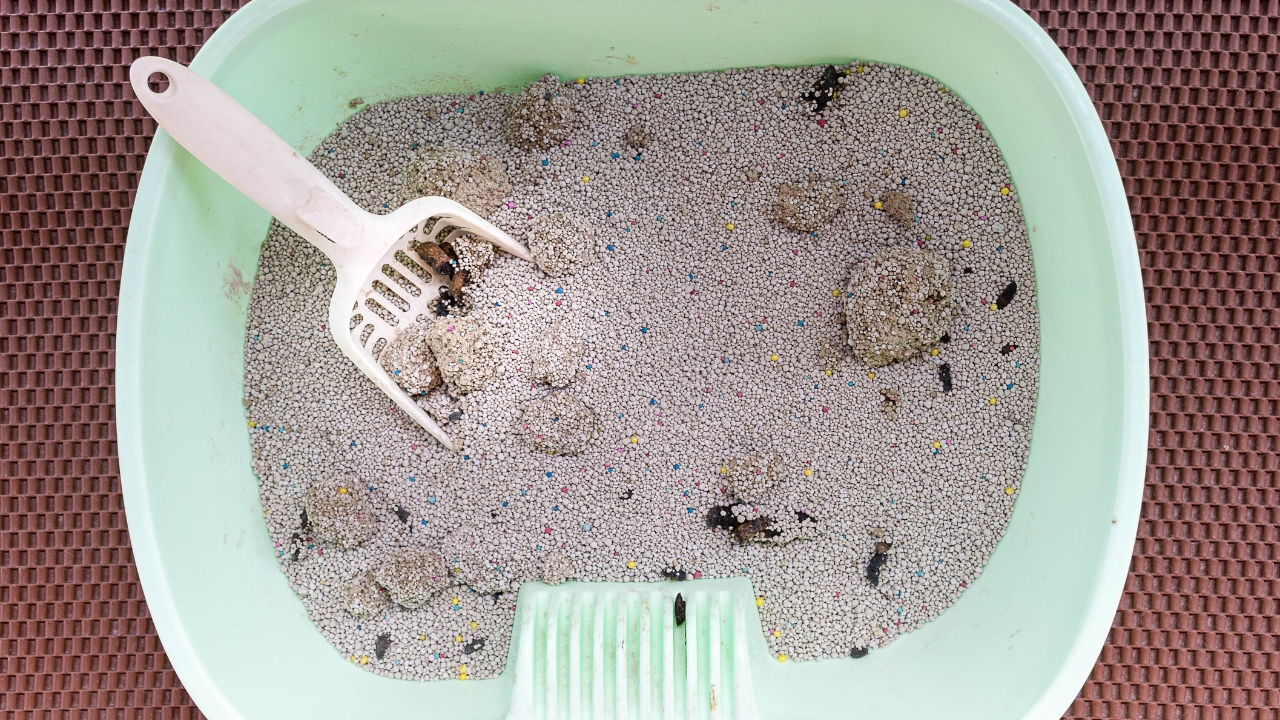
This is the most common culprit. A litter box that isn’t cleaned daily will stink fast—especially in small spaces or if you have more than one cat. And scooping isn’t enough if you’re not fully changing the litter and cleaning the box regularly.
Scoop once or twice a day, scrub the box weekly, and completely replace the litter. If the smell still sticks around, it may be time to switch litter types or get a new box altogether.
Accidents Outside the Box

Cats usually don’t go outside the litter box unless something’s wrong—stress, illness, or dirty litter can all trigger it. And if they’ve peed somewhere you missed, that ammonia smell is going to hang around.
Use an enzymatic cleaner to fully break down urine. Traditional cleaners won’t cut it. And if accidents keep happening, check with a vet to rule out UTIs or other health issues.
Old Carpet or Upholstery
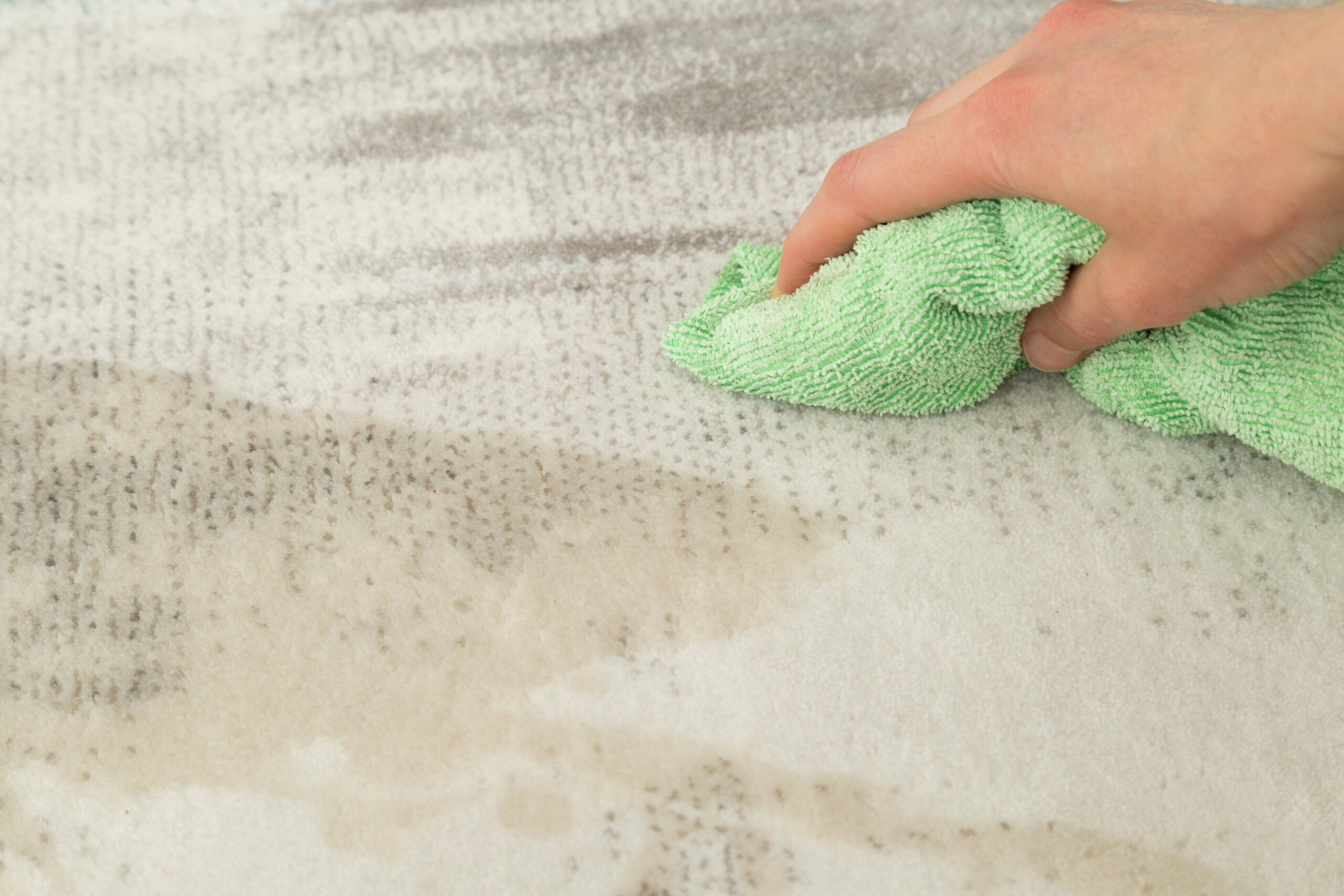
Even if you haven’t had a recent accident, old urine stains in carpet or furniture can keep stinking up the place. Cat urine soaks deep, and unless it was treated properly the first time, it’s probably still causing problems.
Sometimes professional cleaning is the only fix, especially for padding and cushions. If there’s a repeat offender spot, use aluminum foil or plastic temporarily to break the habit.
Bad Breath and Drool
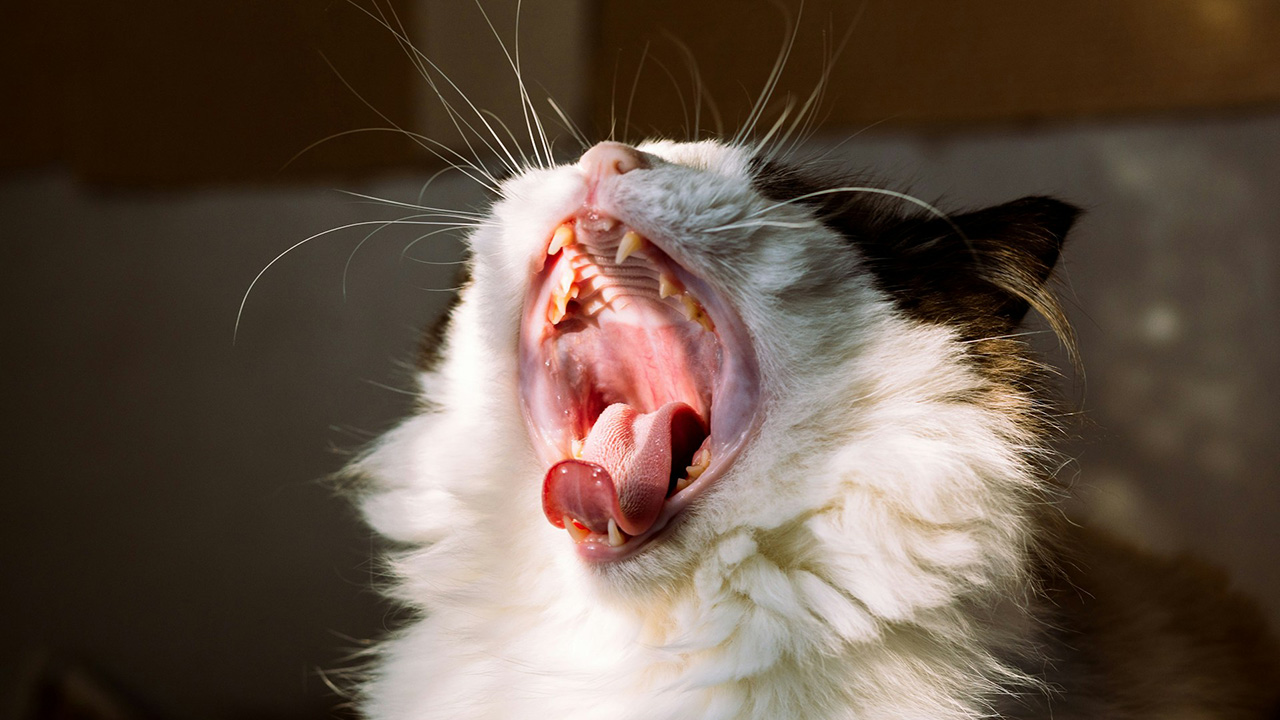
Cats can have bad dental problems that make their breath awful. And if they’re grooming themselves or drooling onto blankets and furniture, that odor travels with them.
If you’re smelling sour or fishy breath often, schedule a dental checkup. Bad breath isn’t normal. Dental treats help some, but they don’t replace actual cleanings or care.
Marking With Scent Glands
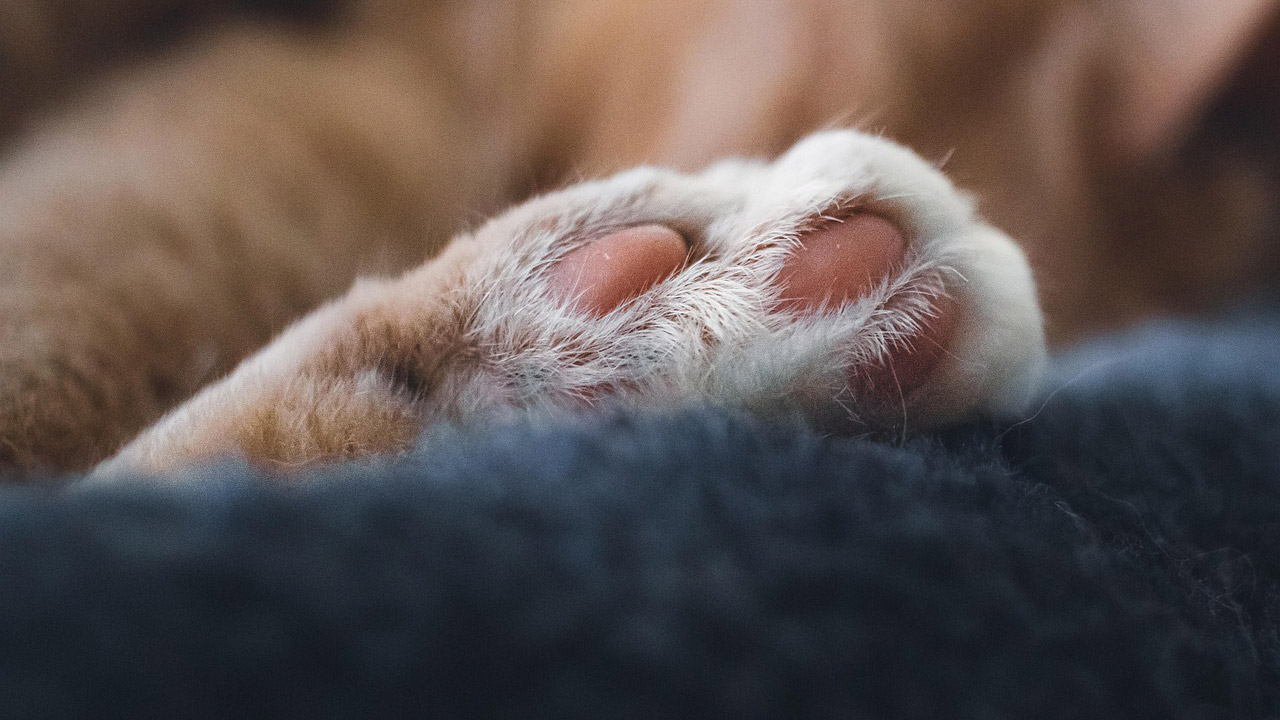
Even neutered cats can still mark territory with scent glands on their face, paws, and tail. You won’t always see it happening, but the smell can build up on walls, doors, and furniture.
Wipe down commonly rubbed areas with a pet-safe cleaner and try redirecting scent-marking to scratching posts or cat trees. If the behavior seems excessive, it could be stress-related.
Dirty Food and Water Bowls

Old food, drool, and bacteria can build up on bowls over time, especially plastic ones. If your cat’s eating area smells off, that might be why.
Switch to stainless steel or ceramic bowls and wash them daily. It’s a small thing that makes a big difference, especially if your cat is messy when they eat.
Unwashed Cat Bedding
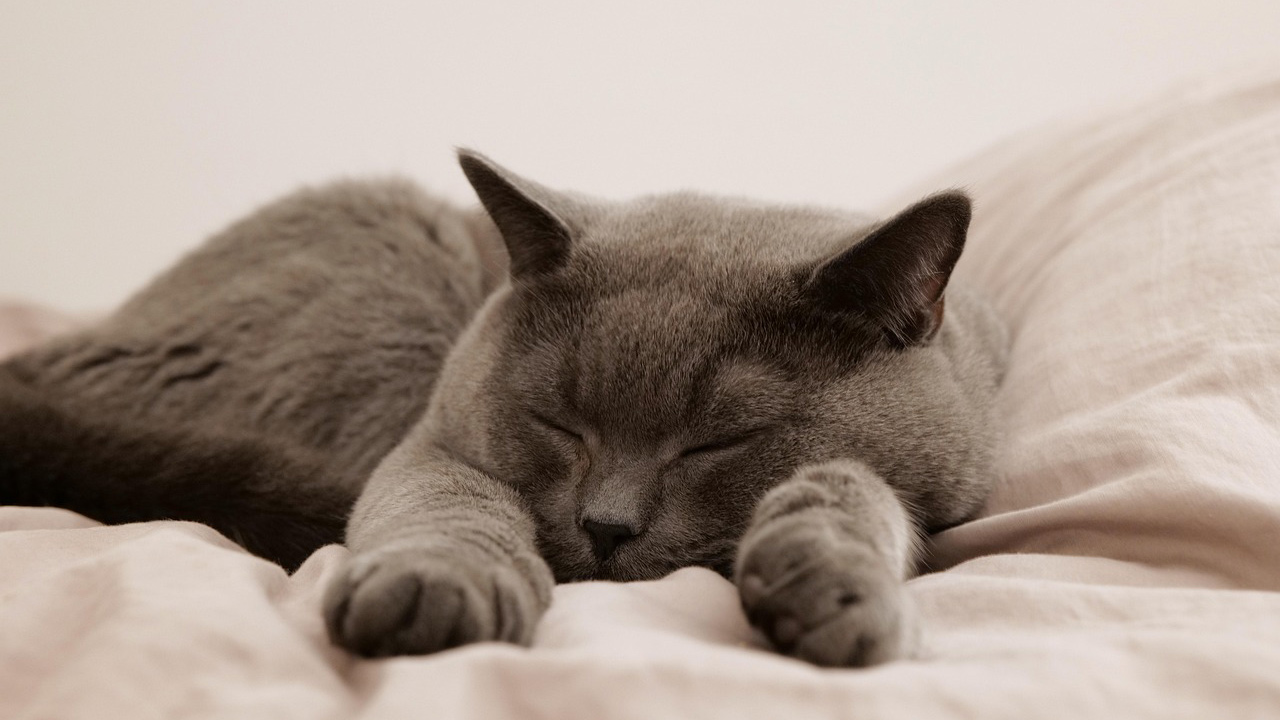
Fur, dander, and oils collect fast in a cat’s favorite sleeping spot. Over time, it starts to give off that musky smell. If it’s been a while since you washed their blanket or bed, that might be part of the issue.
Wash all cat bedding weekly. And if they sleep on your couch or bed, make sure you’re keeping those areas clean too.
Poor Ventilation

If your home doesn’t get much airflow, smells from litter boxes, dander, and food can get trapped. This is especially common in apartments or winter months when windows stay shut.
Crack open windows when you can and swap out HVAC filters often. Air purifiers can also help keep odors and allergens from settling into your space.
*This article was developed with AI-powered tools and has been carefully reviewed by our editors.
Like Fix It Homestead’s content? Be sure to follow us.