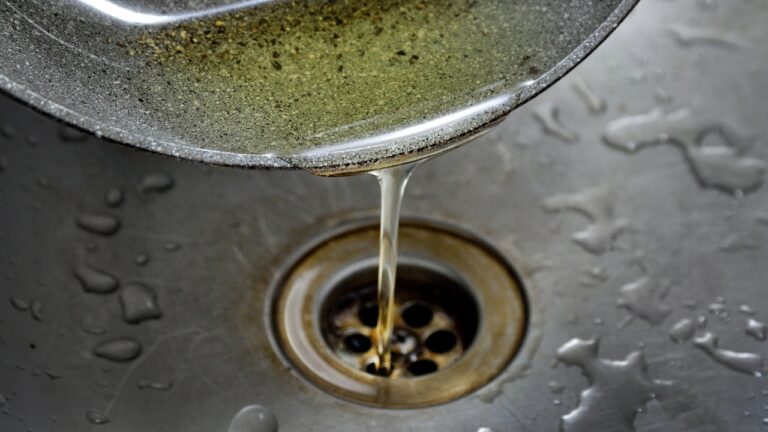
8 Times Vinegar Did More Harm Than Good Around My House
Photo credit: Hafiez Razali/ Shutterstock.com
Vinegar seems like it can clean anything—and to be fair, it can be handy. But if you’ve ever reached for it without thinking, you probably found out real quick that it doesn’t always play nice. Its acidity can strip finishes, damage seals, or even make a mess worse.
If you’re using vinegar like a one-size-fits-all cleaner, there are a few spots around the house where it’s more likely to cause regret than results.
Your Granite Countertops

It might seem harmless to spray vinegar on granite, but that acid slowly eats away at the sealant. Once that protective layer is gone, the stone can stain or soak up water.
You might not notice the damage right away, but over time you’ll see the surface start to dull. Instead of reaching for vinegar, use a pH-neutral stone cleaner that won’t mess with the finish.
Your Dishwasher

Vinegar might freshen things up once or twice, but if you’re running it regularly through your dishwasher, it’ll start to damage rubber gaskets and seals.
That acid breaks things down over time, and you may end up with leaks or funky smells that weren’t there before. If you want to clean the dishwasher, go with a product that’s made for it—and save yourself a headache later.
Your Hardwood Floors

Vinegar on wood sounds natural and harmless until your floors start looking dull. That acidity can wear down the finish slowly, especially if you’re mopping with it often.
Even diluted vinegar can strip the protective coating. Once it’s gone, the floors can warp or scratch easier. A proper hardwood floor cleaner is the better bet.
Your Iron
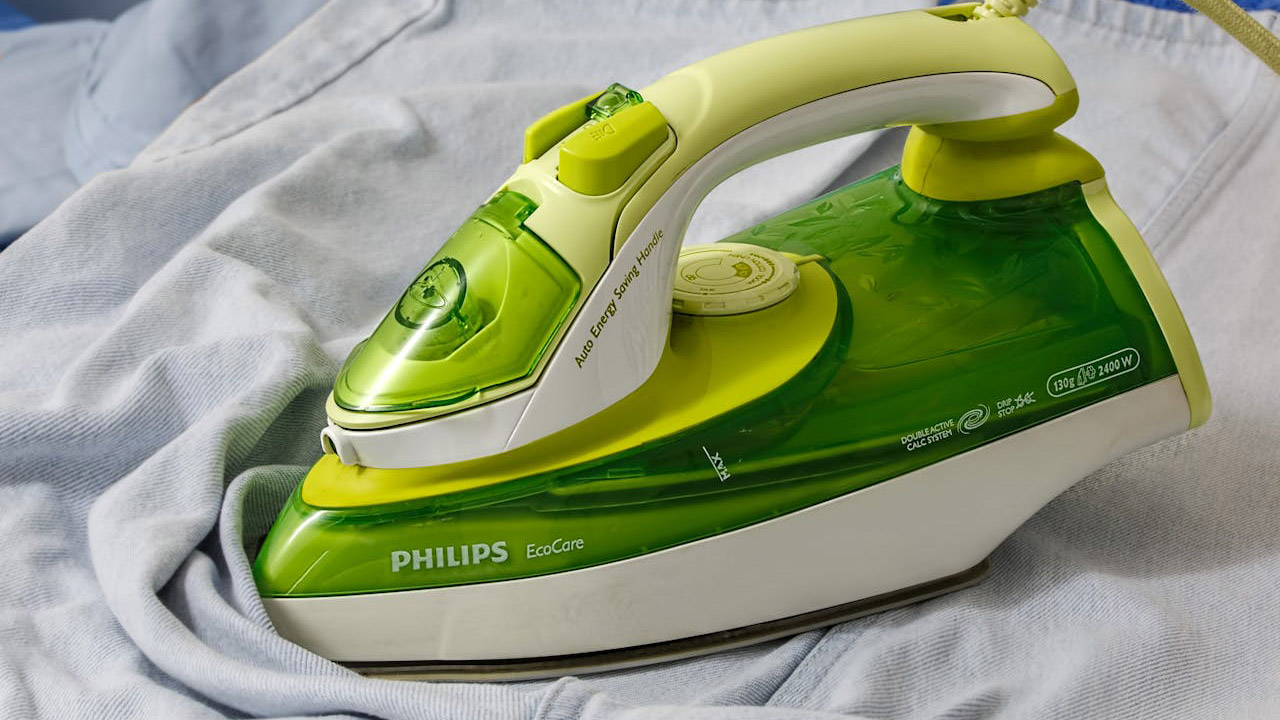
Cleaning the inside of your iron with vinegar might sound smart if you’ve got buildup, but it often backfires. It can loosen grime and send it straight through the steam holes—onto your clothes.
You could end up with rust spots or clogged steam vents. If your iron wasn’t designed for vinegar, skip it. There are gentler descalers made for the job.
Your Washing Machine
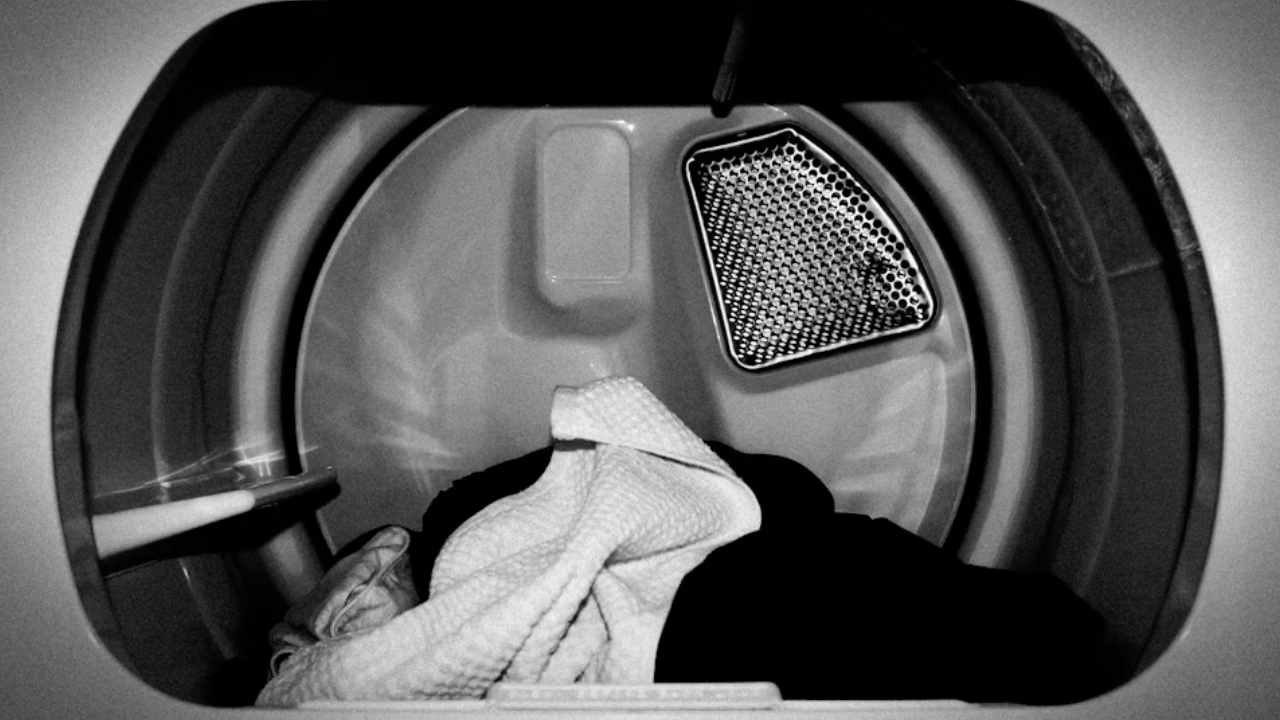
People swear by vinegar in the rinse cycle, but it doesn’t always rinse away like you’d hope. It can leave behind a sour smell, especially in towels.
Over time, vinegar can wear out the rubber seals in your machine too. That means leaks, mildew, or worse. Baking soda is a safer alternative if you’re trying to tackle odor.
Your Electronics
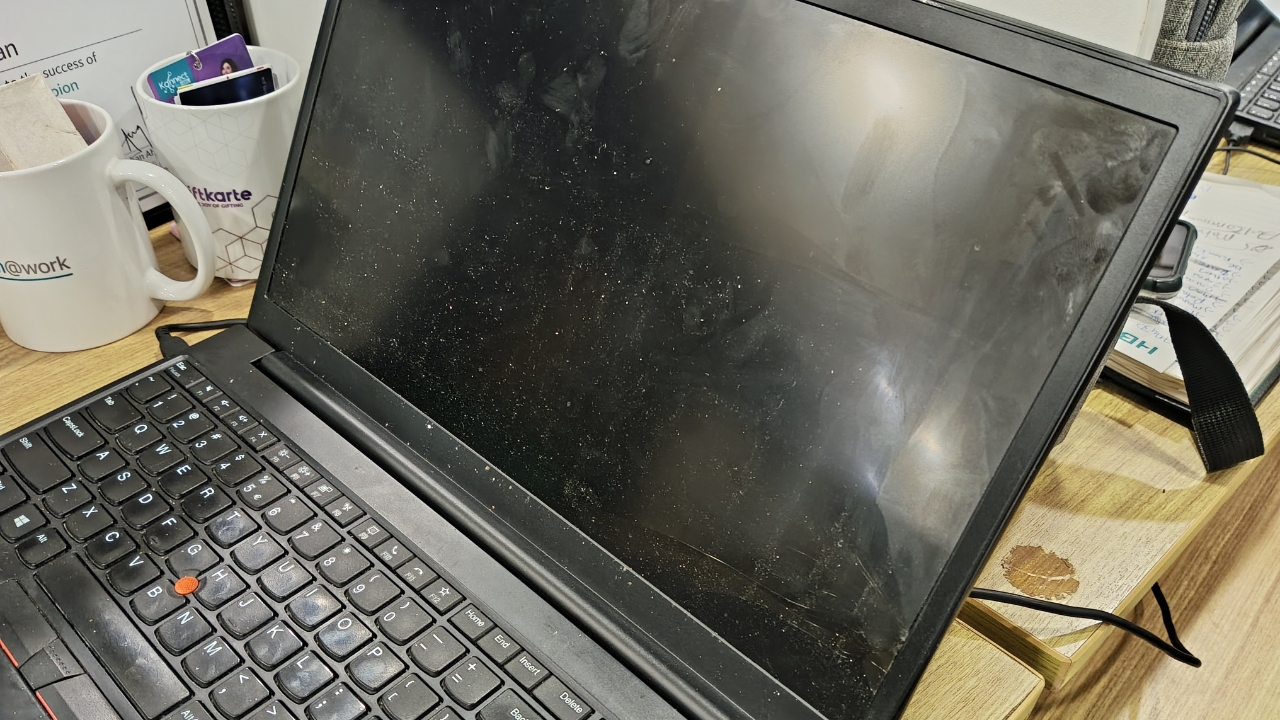
Wiping screens or keyboards with vinegar—even diluted—can end badly. That moisture can sneak in through tiny gaps and start corroding parts inside.
You’re better off using a microfiber cloth or something made specifically for electronics. Once the damage is done, those sticky keys or screen glitches are hard to undo.
Your Grout
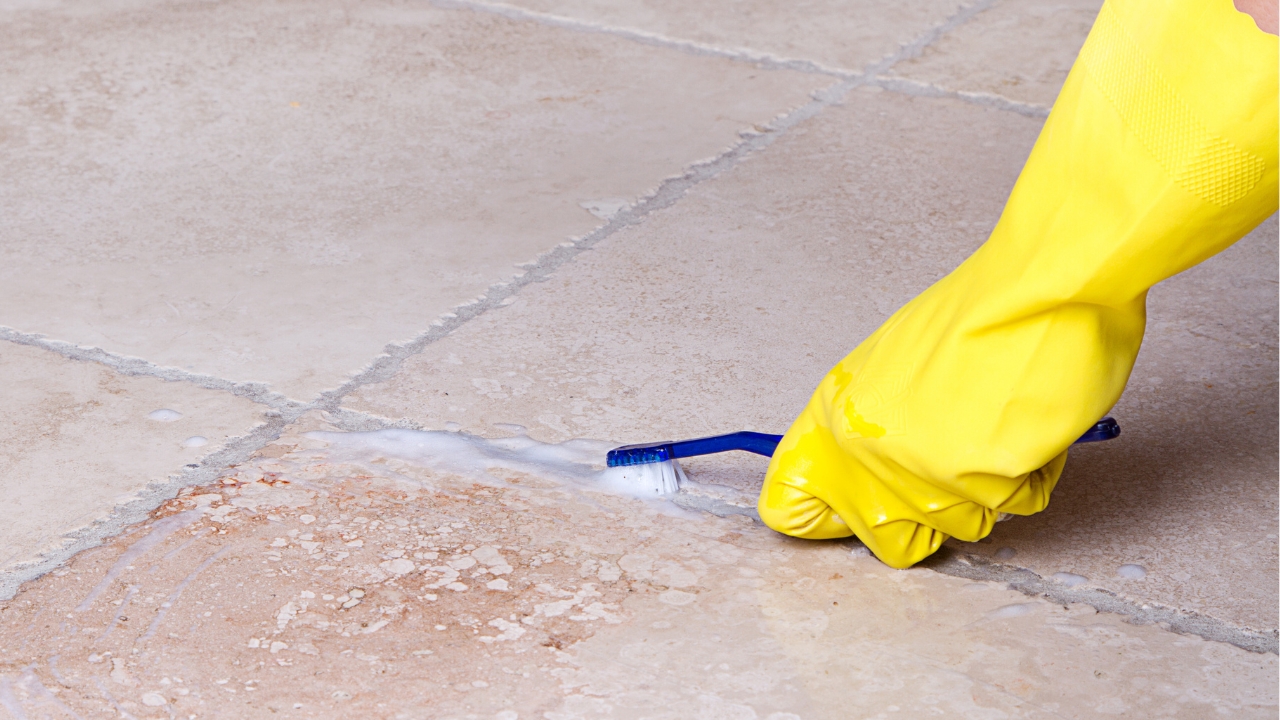
It might seem like vinegar would help brighten grout lines, but it can actually wear them down. That acid slowly breaks apart the surface, making it easier for dirt and moisture to settle in.
If your grout starts crumbling, you’ve got a bigger issue on your hands. Stick with a baking soda paste and a soft brush—it’s safer and gets deeper into the grime.
Raw Egg Spills
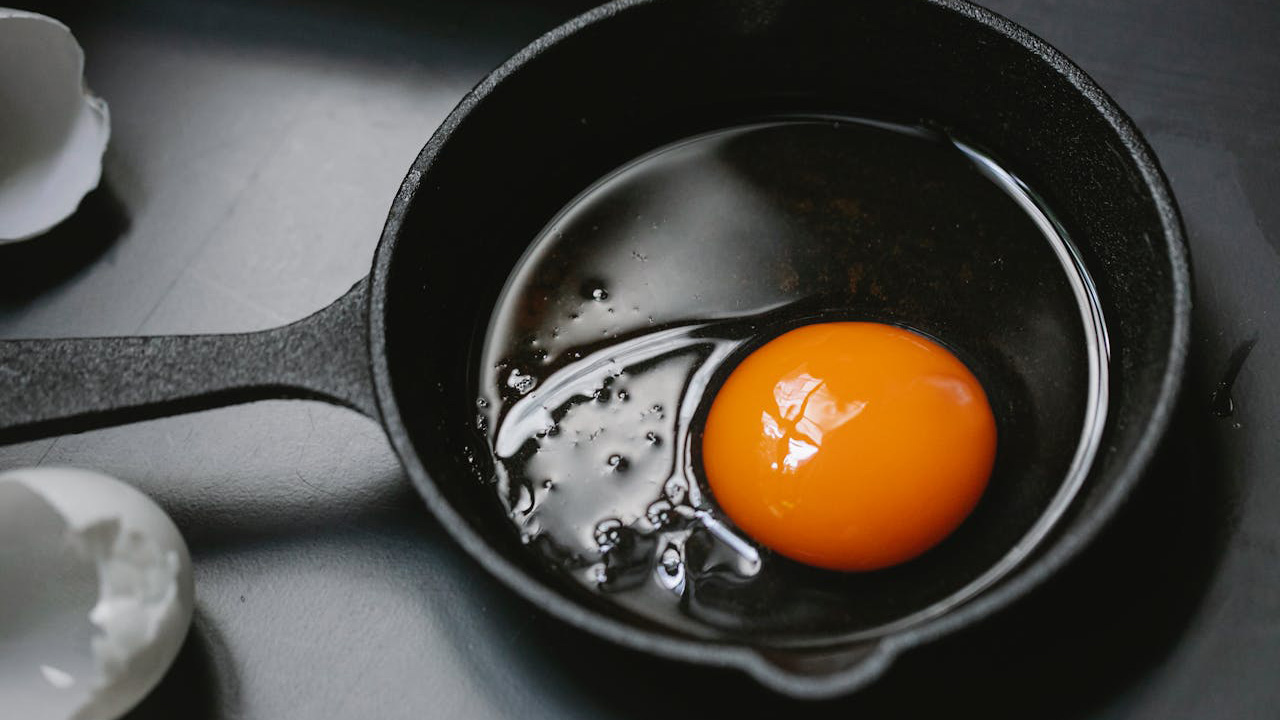
If you’ve ever dumped vinegar on a raw egg spill, you already know how weird it gets. The vinegar causes the proteins to coagulate, which makes cleanup even worse.
Instead of wiping it up, you’re basically smearing cooked egg all over your counter. Warm soapy water and paper towels work better—and they won’t leave a mess behind.
*This article was developed with AI-powered tools and has been carefully reviewed by our editors.
Like Fix It Homestead’s content? Be sure to follow us.