What I Wish I Knew Before We Placed Our Mobile Home
Photo credit: Melinda Fawver/Shutterstock.com
Placing a mobile home on raw land sounds like a shortcut to country living—but it’s not exactly fast, and it’s definitely not foolproof. There are a lot of steps no one really walks you through unless you’ve done it before.
Some things we figured out the hard way. Others we only avoided thanks to asking the right questions at the right time. If you’re planning to live in a mobile home on land, here’s what I wish someone had told me first.
You’ll Spend More Getting the Land Ready Than You Think
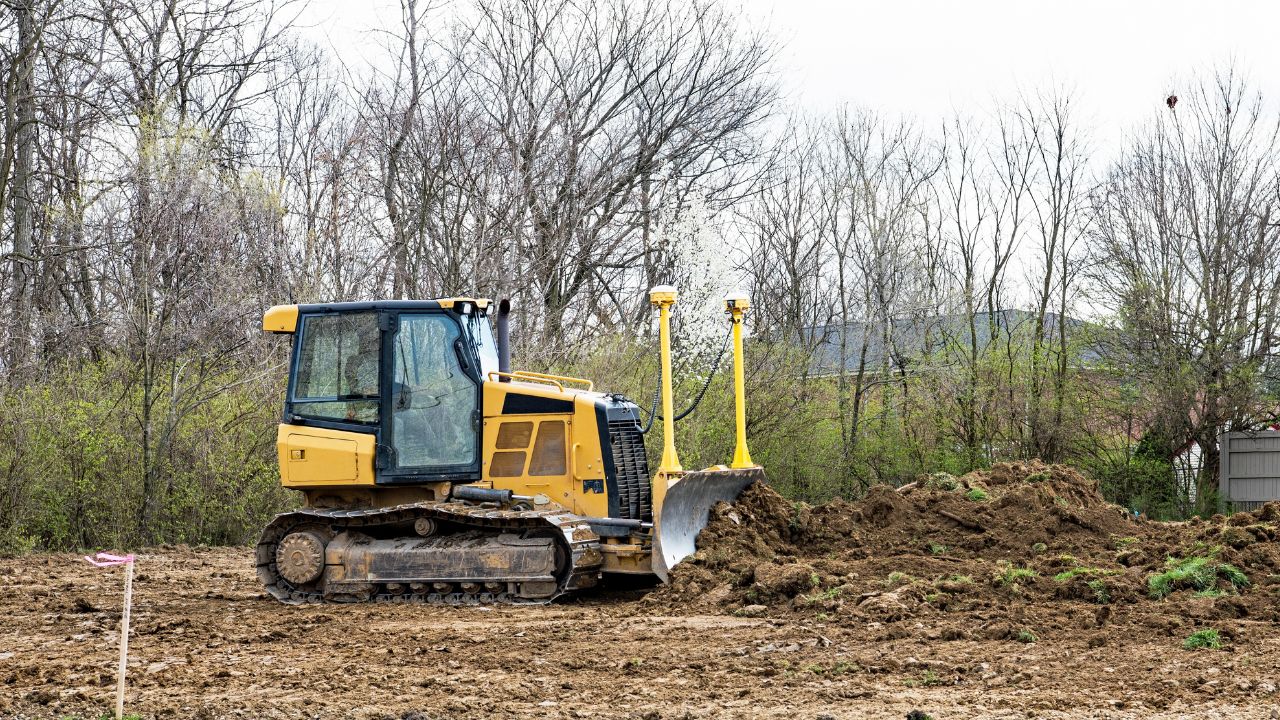
Buying land feels like the big spend—but preparing it to actually live on can be an even bigger one. Grading, a pad for the home, clearing trees, running electric, installing septic, water access, a driveway—it all adds up fast. Some counties even require engineered plans or soil tests before you can place the home. It’s easy to underestimate those costs if you’ve never done it before.
Timing Is a Pain (and Out of Your Hands)
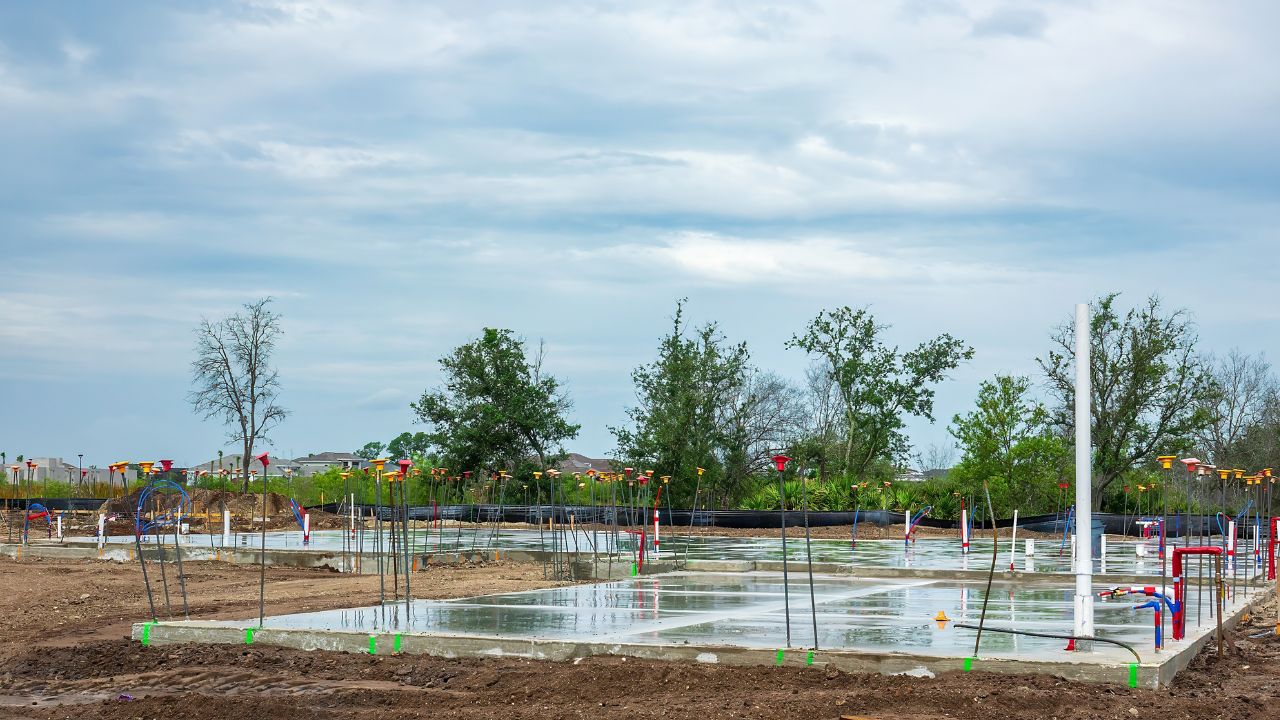
Even if you are ready, you’re still at the mercy of contractors, utility companies, inspectors, and the weather. We ran into delays because electric couldn’t be run until the power company approved the pole, and the septic couldn’t be dug until a soil test cleared. One thing held up the next. Nothing moved quickly. If you’ve got a tight timeline, be prepared to adjust.
Not All Pads Are Created Equal
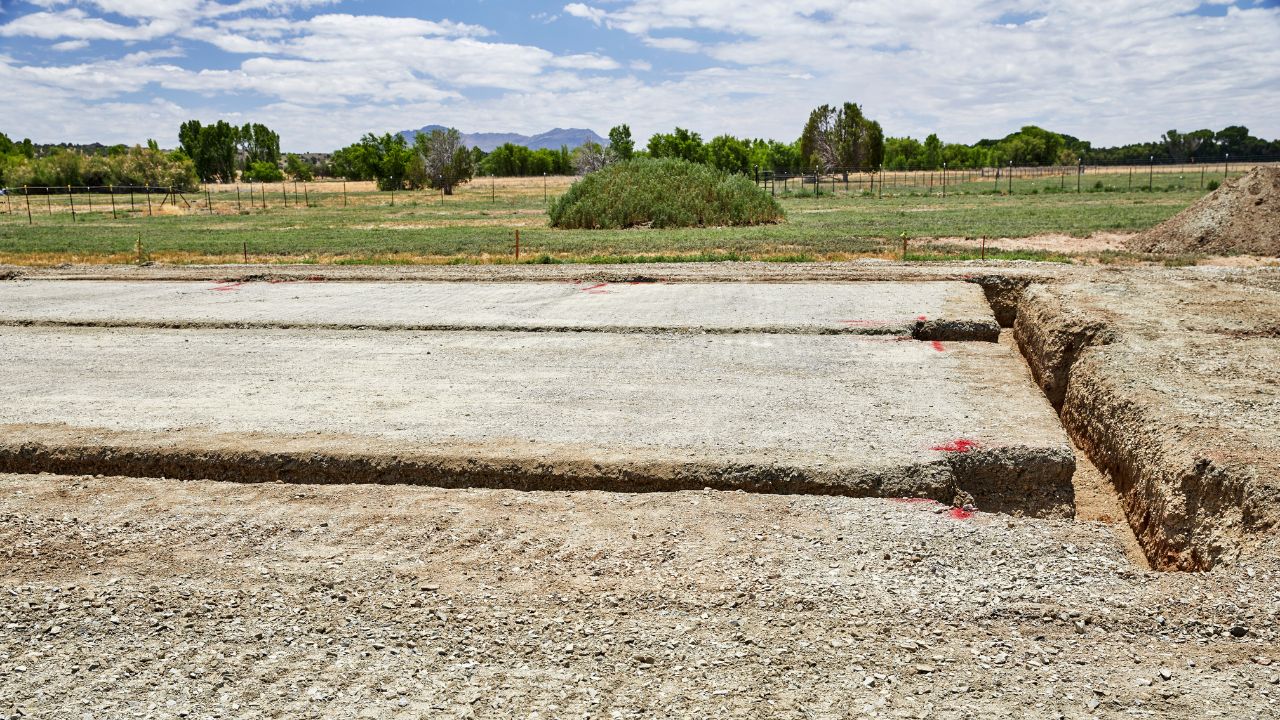
Some companies will say a pad is “good enough” if it looks level, but your home needs more than that. A proper pad should be compacted, sloped for drainage, and wide enough to work around. If water sits under the home, it’ll cause shifting, mold, and other problems down the road. Don’t settle for a quick scrape. Ask for compaction and drainage plans upfront.
Delivery Access Needs to Be Planned Early

Your mobile home is coming in on a massive truck, and it needs a clear path—no low branches, no tight turns, and no soft or muddy spots. If you don’t plan for this ahead of time, the delivery can get delayed or even canceled. And if it does go through, it might tear up your land in the process.
Tie-Downs and Anchoring Are Non-Negotiable
Anchoring is what keeps your home from shifting—or worse—in wind or storms. It’s not something to cheap out on or skip. Make sure your installer follows state codes and uses proper tie-downs. Ask to see photos of the anchors before they backfill or cover them up.
Skirting Should Be Functional, Not Just Pretty
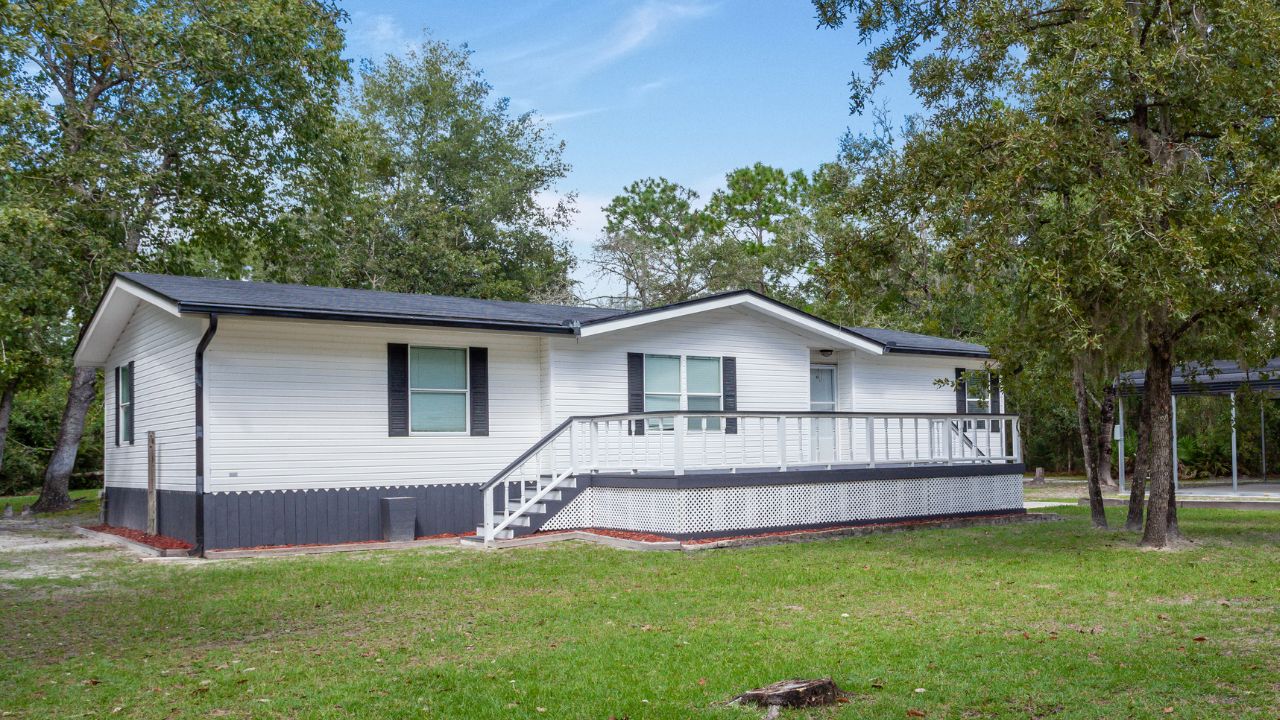
Skirting helps with temperature control, keeps animals out, and prevents moisture from building up under the home. But the wrong skirting—or skirting without ventilation—can actually trap moisture and cause damage. Get something vented and durable enough to withstand wind and weather. It’s worth the extra cost.
Set Aside Money for Touch-Ups and Hidden Fixes

Once the home is set, you’ll probably notice little things that need fixing—caulking gaps, floor squeaks, misaligned doors. Even brand-new units usually need some final touches once they settle. If you bought used, you might uncover even more repairs once utilities are hooked up and you’re living in it. Budget for that.
Your Water Shutoff Needs to Be Easy to Reach
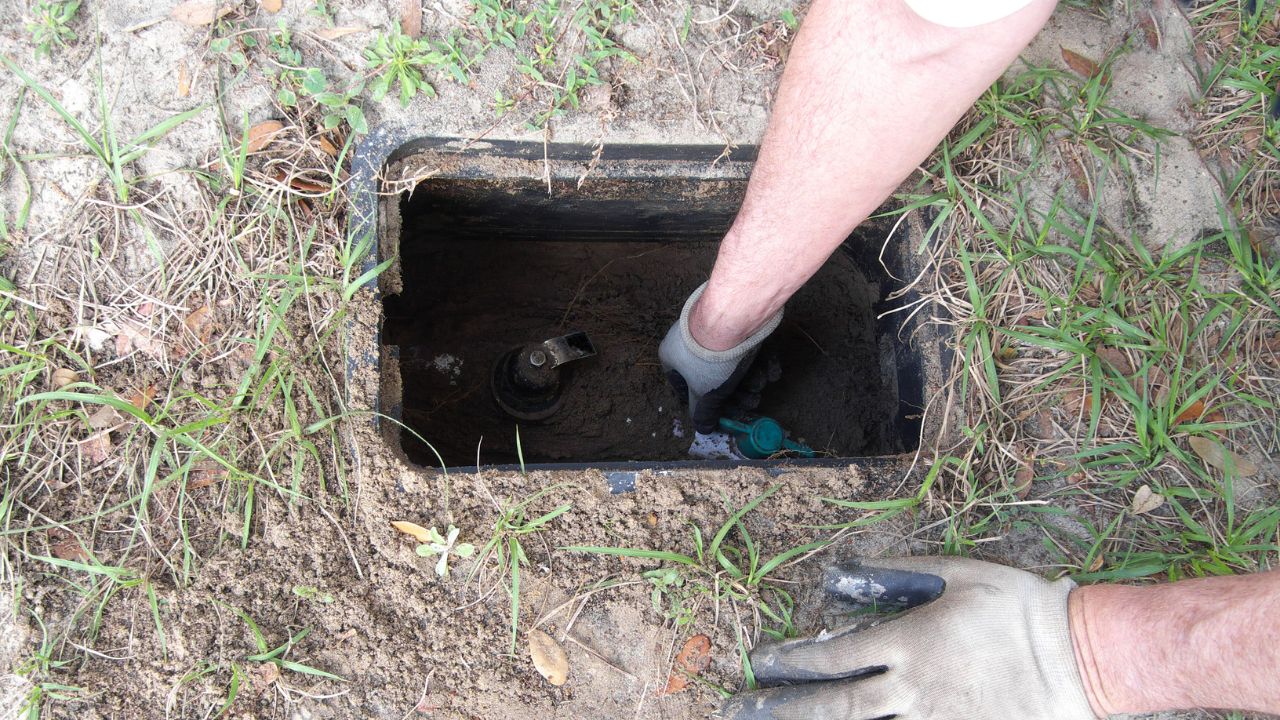
You don’t want to be crawling under the house or digging around to shut off the water in an emergency. Install a shutoff valve in a spot that’s easy to get to. Label it. Know where it is. The few extra minutes it takes to set this up could save your floors or walls if a pipe bursts.
Codes and Permits Really Matter Out Here

You might assume things are more relaxed in the country, but counties have their own rules—and they enforce them. You might need a permit for the home, the septic, the power, and even the driveway. If you skip one step, it can stall everything else. Call the county before you start anything.
You’re in Charge—So Ask Every Question

Most installers, contractors, and salespeople assume you already know what you’re doing—or they’ll breeze through details without explaining. Don’t be afraid to slow them down. Ask what things cost. Ask what happens next. Ask what could go wrong. You’re the one paying for it, and it’s your name on the paperwork.
Like Fix It Homestead’s content? Be sure to follow us.