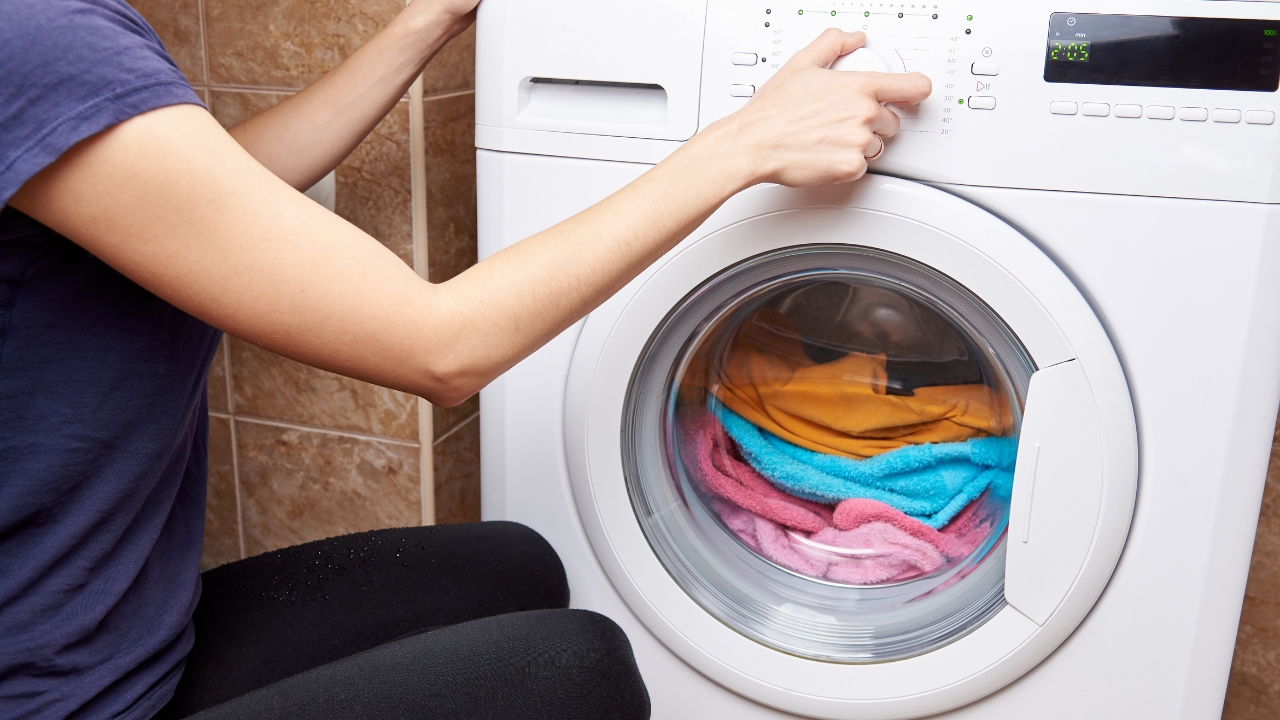
These Household Sounds Always Mean Trouble
Photo credit: ViktoriiaNovo/Shutterstock.com
Sometimes your house tells you something’s wrong before anything breaks—you just have to know how to listen. Weird noises can be easy to ignore, but a lot of them mean something is going wrong behind the scenes.
If you know what to watch for, you can catch problems early and avoid bigger repairs down the line. These are the household sounds that always mean trouble.
Banging or Clanking When the Heat Kicks On
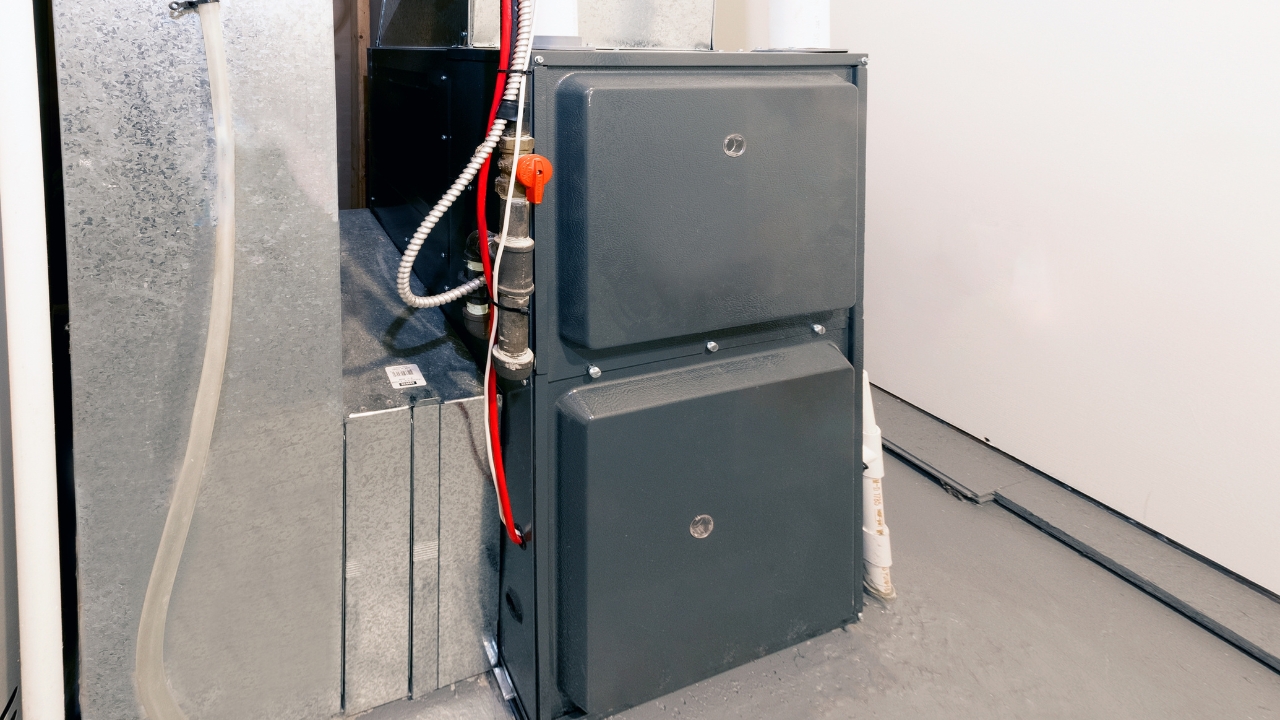
If your furnace makes a banging sound when it starts up, don’t shrug it off. That could mean expanding ductwork, a dirty burner, or delayed ignition—all things that need attention.
Left alone, this kind of noise can lead to serious damage or even a cracked heat exchanger. It’s worth having an HVAC tech check it out before you’re stuck without heat on a cold night.
Gurgling in the Sink or Toilet
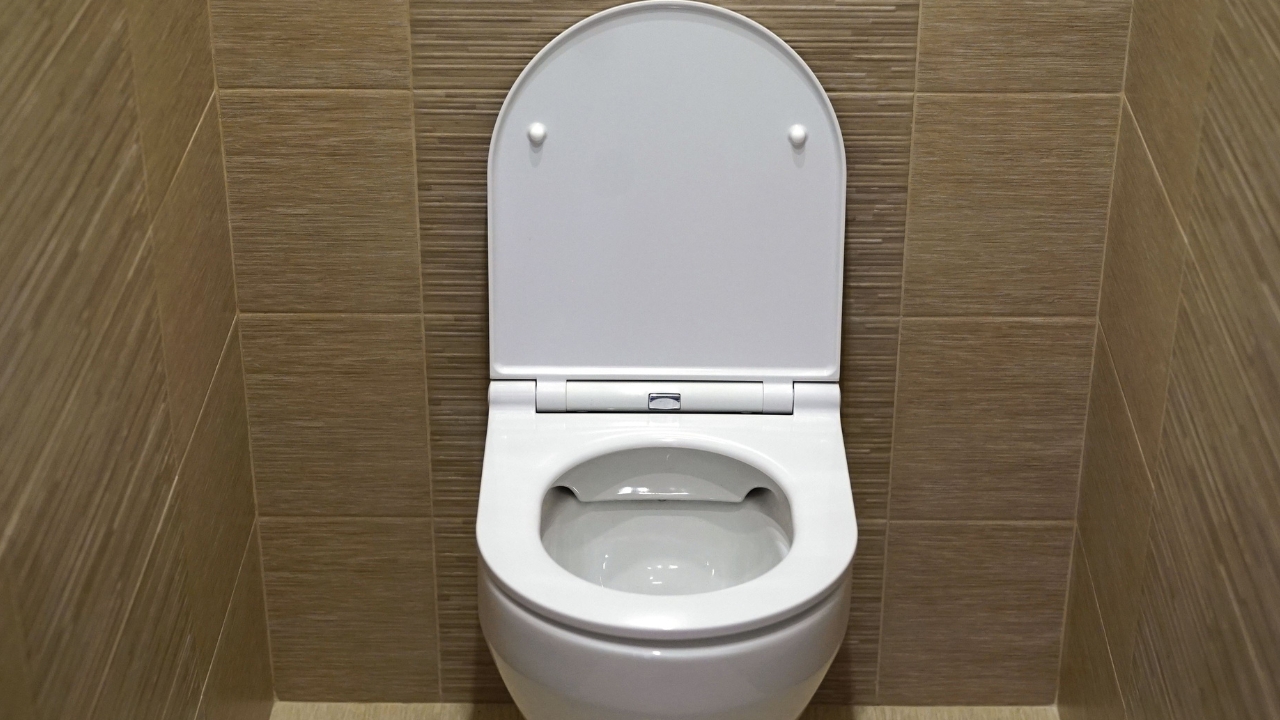
Gurgling sounds coming from your drain or toilet usually mean air is trapped somewhere it shouldn’t be. That’s a red flag for a clogged vent pipe or partial blockage in your sewer line.
If the problem gets worse, it can lead to slow drains, bad smells, or even sewage backing up into your home. Don’t wait on this one—get it looked at before it turns into a much bigger mess.
Clicking From the Electrical Panel
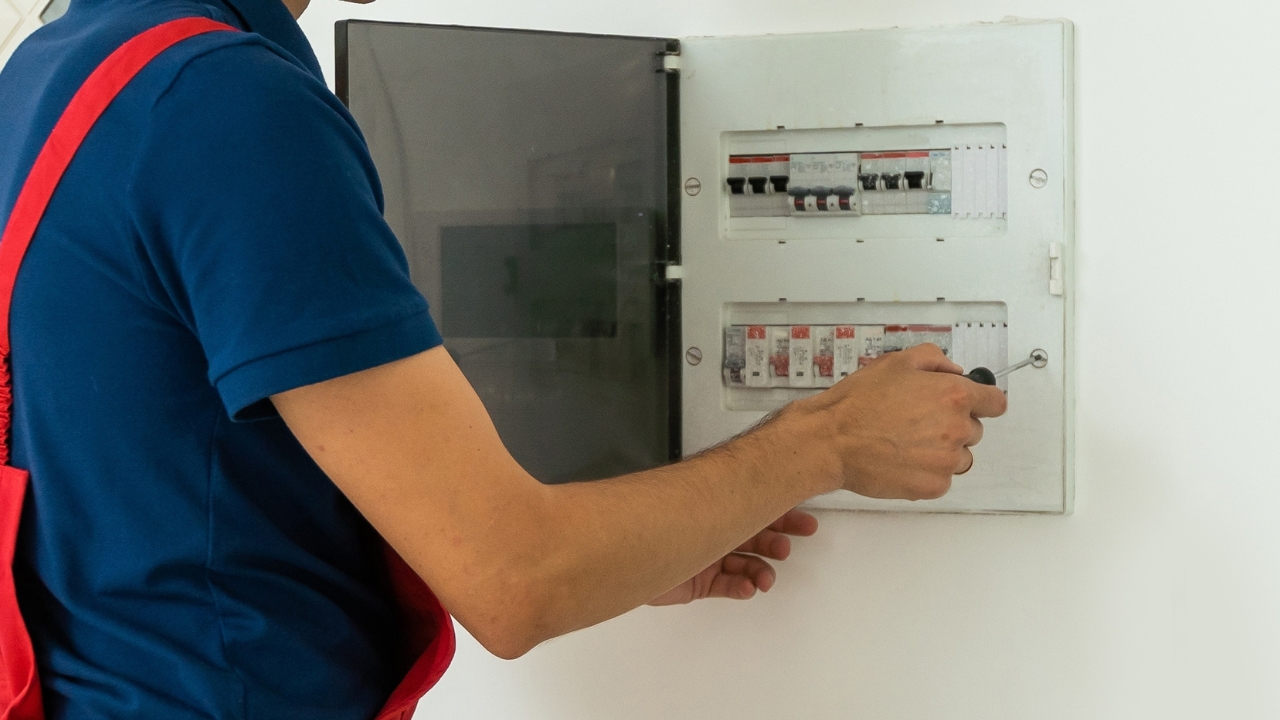
A clicking or buzzing noise from your breaker box should never be ignored. That usually points to a faulty breaker or loose wiring, and it’s a serious fire hazard.
Electrical issues like this need a licensed electrician—fast. Don’t try to fix it yourself or hope it goes away. Catching it early could prevent an electrical fire down the road.
High-Pitched Whining From Appliances
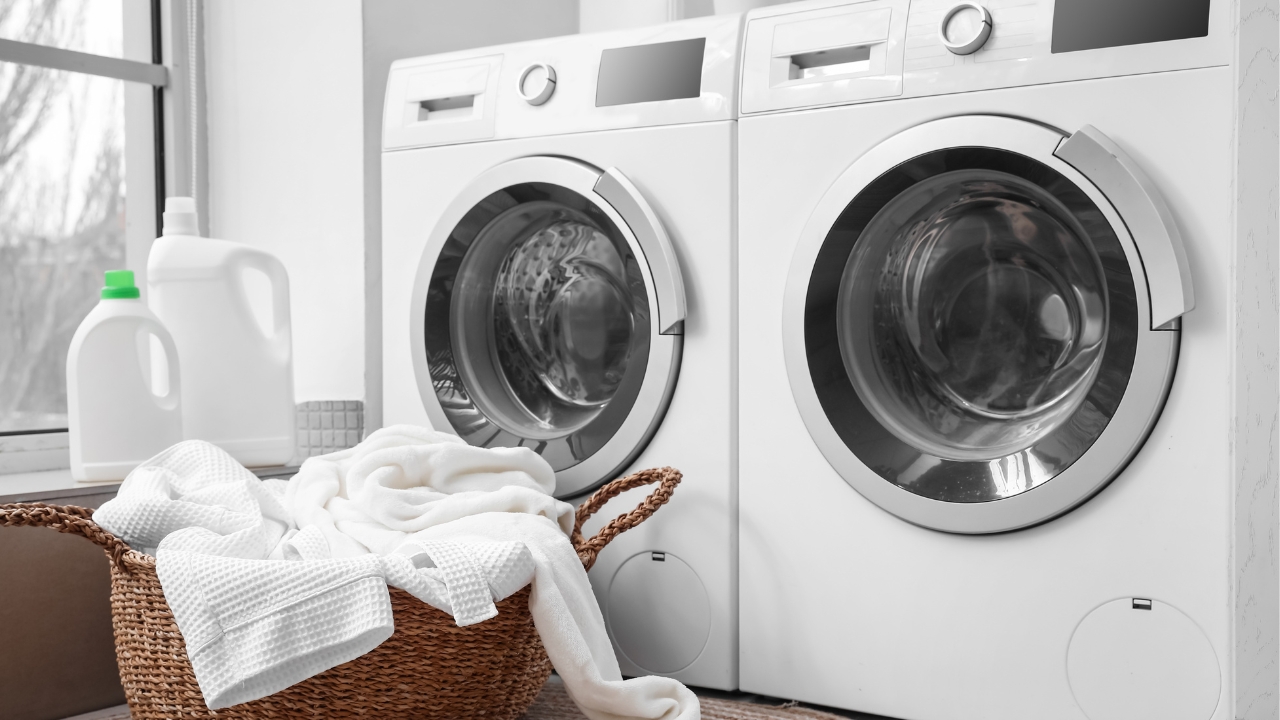
If your fridge, washer, or dryer starts making a high-pitched squeal or whine, it usually means a motor or belt is starting to fail. These parts wear down over time, but the noise is your warning.
Fixing it early can often mean a cheap repair instead of replacing the whole appliance. The longer you ignore it, the more likely it’ll stop working completely.
Dripping When Nothing’s On

Hearing a drip when no faucet is running could mean a hidden leak inside your walls, under the sink, or near your water heater. These leaks can go unnoticed until they cause water damage or mold.
Check under sinks, behind appliances, and around your water heater for signs of moisture. A small drip can turn into warped floors and swollen drywall before you know it.
Rattling From the AC or Furnace

Rattling sounds usually mean something’s loose—like a screw, panel, or fan blade. Left alone, those loose parts can break off and cause damage inside your system.
If you hear a rattle, shut the system off and take a look (or call a pro). It’s often a fast fix, but ignoring it can wear your system out faster than it should.
Whistling Windows or Doors

Whistling when the wind blows means air is leaking in or out of your home. That’s not just annoying—it also drives up your energy bills and puts strain on your HVAC system.
Check your weather stripping and seals. Even small gaps can cost you big over time. A little caulk or insulation can make a noticeable difference fast.
Sizzling From an Outlet
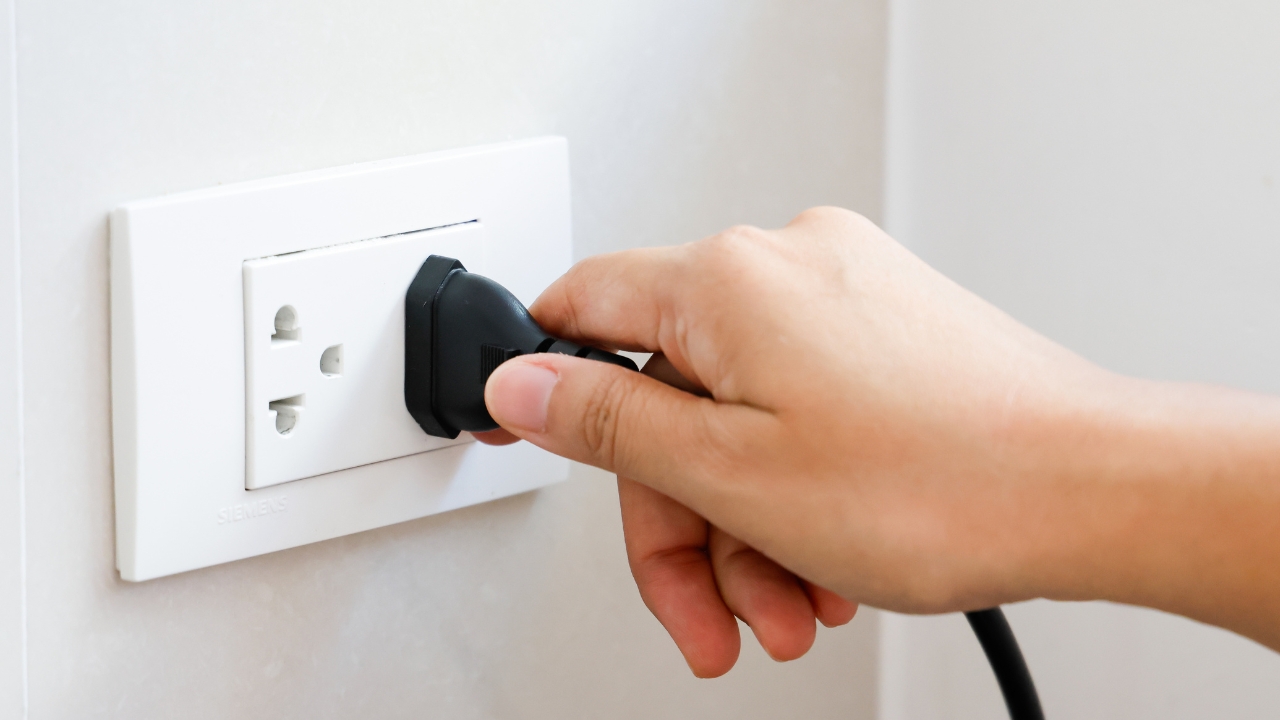
A sizzling or crackling outlet is a big deal. It often means moisture, corrosion, or a wiring problem that could start a fire. Don’t plug anything else in until it’s fixed.
This isn’t something to DIY unless you know exactly what you’re doing. Turn off the breaker to that outlet and call an electrician as soon as possible.
Hissing Near a Gas Line or Appliance

If you ever hear a hissing sound coming from a gas appliance, line, or meter, treat it as a possible gas leak. Even if you don’t smell gas, that noise can mean pressure is escaping.
Leave the area and call your gas company immediately. This is a safety issue, and it needs to be handled right away by professionals.
Bubbles or Popping in the Water Heater

If your water heater starts making bubbling or popping sounds, there’s likely sediment buildup at the bottom of the tank. That makes your heater work harder and less efficiently.
You can usually fix this by flushing the tank once a year. If it’s too far gone, you may need a professional cleaning—or a new unit altogether if it’s old.
*This article was developed with AI-powered tools and has been carefully reviewed by our editors.
Like Fix It Homestead’s content? Be sure to follow us.