The Cheapest Way to Make Raw Land Livable (Most People Miss This)
Photo credit: Unsplash
Making raw land livable can drain your budget fast if you go in without a plan. The cost of clearing, installing utilities, and setting up housing adds up quickly. But there are smart, realistic ways to cut costs without cutting corners. It takes some flexibility, a bit of DIY, and knowing which upgrades you actually need first—and which can wait.
Here’s what most people overlook when they’re trying to make land livable without going broke.
Go With a Mobile Home or Camper First

A mobile home or camper gets you on the land fast without footing the bill for a full custom build. You’ll still need utilities, but it cuts out the time and expense of a full foundation and house framing.
Many people use a used camper as a base camp while slowly improving the property. You can live in it while you clear trees, install septic, or save up for a more permanent setup later.
Clear Only What You Need Right Now

It’s tempting to clear everything up front, but that can easily blow your budget and leave your land looking scalped. Instead, start with a driveway, a pad for your home, and enough space for a yard or garden.
Selective clearing saves time and money on equipment, fuel, and cleanup. You can always expand later, but you can’t undo over-clearing once it’s done.
Use a Composting Toilet Instead of Septic
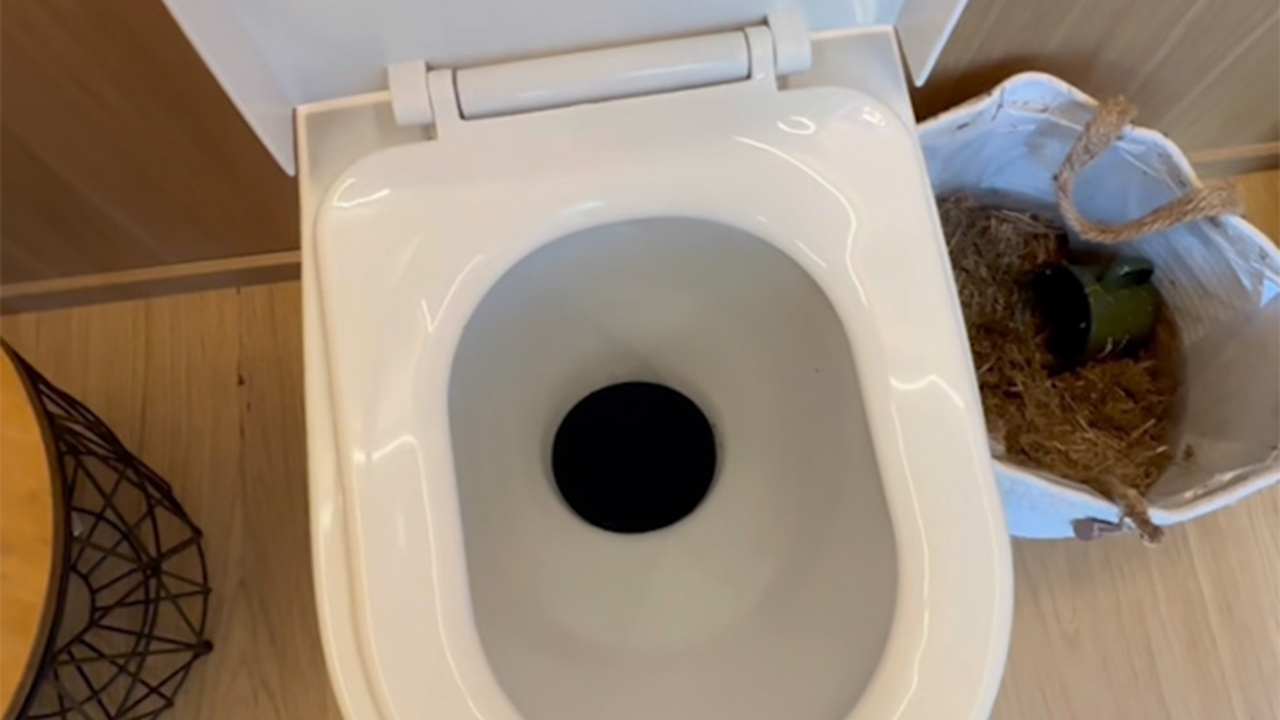
Septic systems are one of the biggest upfront costs for raw land. If your county allows it, starting with a composting toilet is a much cheaper option that gets you up and running quickly.
There are plenty of approved systems out there that are sanitary, odor-free, and legal in rural areas. It’s a great option for dry cabins or campers and lets you delay installing a full septic system until later.
Haul in Water Instead of Digging a Well
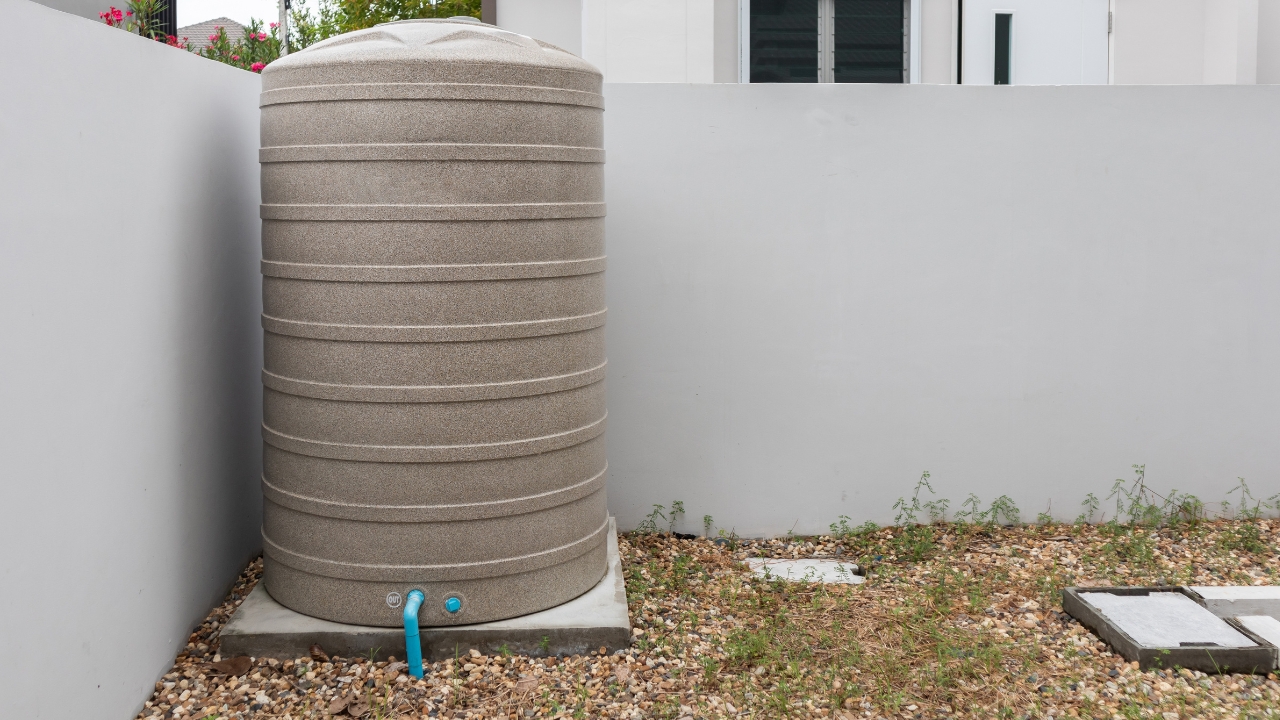
Wells are expensive, especially if your water table is deep or you hit rock. In the beginning, you might be better off hauling in water with a storage tank and gravity-fed system.
Plenty of people use this method full-time, especially in dry areas. It’s a reliable way to meet your water needs without spending tens of thousands upfront. Later, you can invest in a well when you’ve got the funds.
Skip the Grid and Start with Solar
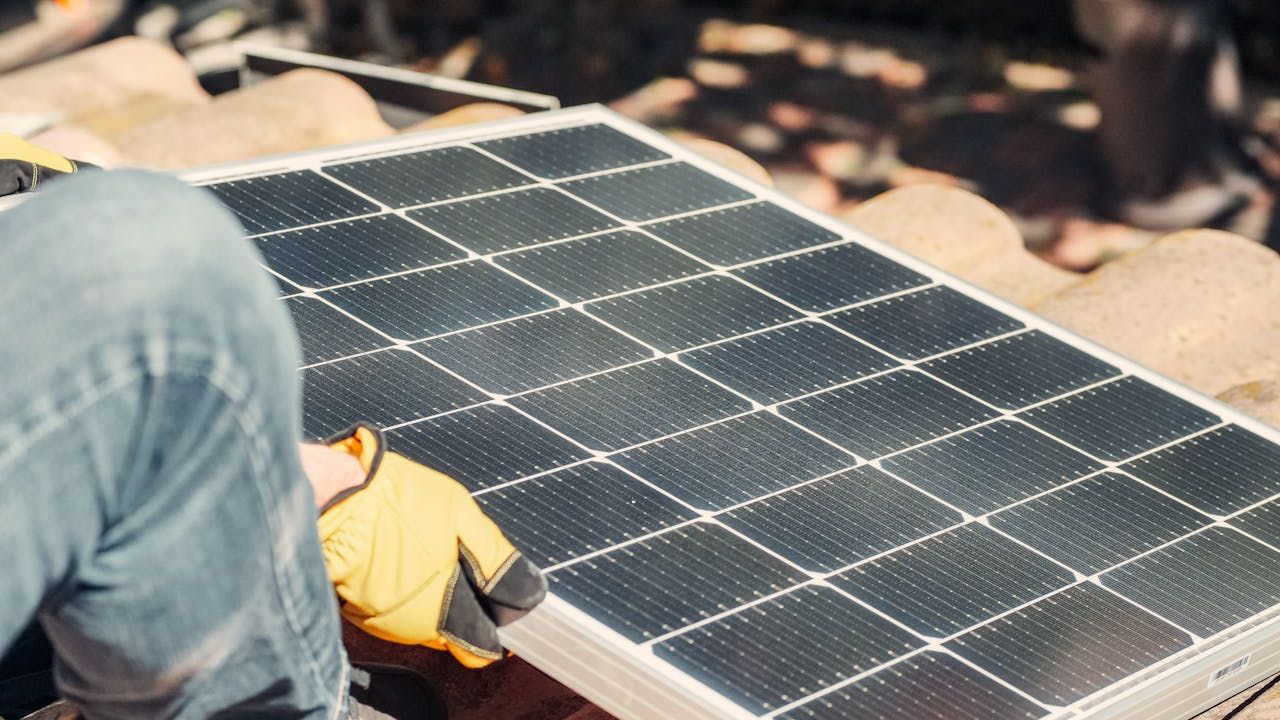
Running power lines to raw land is pricey—sometimes thousands per pole. A basic solar setup with a few panels and deep-cycle batteries can power lights, a small fridge, and devices.
It’s not enough to run everything, but it keeps things functional until you’re ready to invest in a full electrical system. Even a portable solar generator can help you bridge the gap.
Buy Used or Salvaged Materials

Habitat for Humanity ReStores, Craigslist, and local salvage yards are great for finding building materials, doors, windows, and even appliances. When you’re setting up on raw land, used doesn’t mean low quality—it means affordable.
Reclaimed lumber, tin roofing, and older cabinets can all be put to good use. You’ll be surprised how much you can save if you’re willing to look around and do a little fixing up.
Focus on Function Before Comfort

You don’t need granite countertops and a full HVAC system to make land livable. Focus first on what keeps you safe, dry, and warm—solid shelter, water, power, and waste management.
Everything else can come later. Starting with the basics makes it easier to prioritize your spending and keeps you from getting overwhelmed or discouraged in the early stages.
Rent Equipment Instead of Buying It
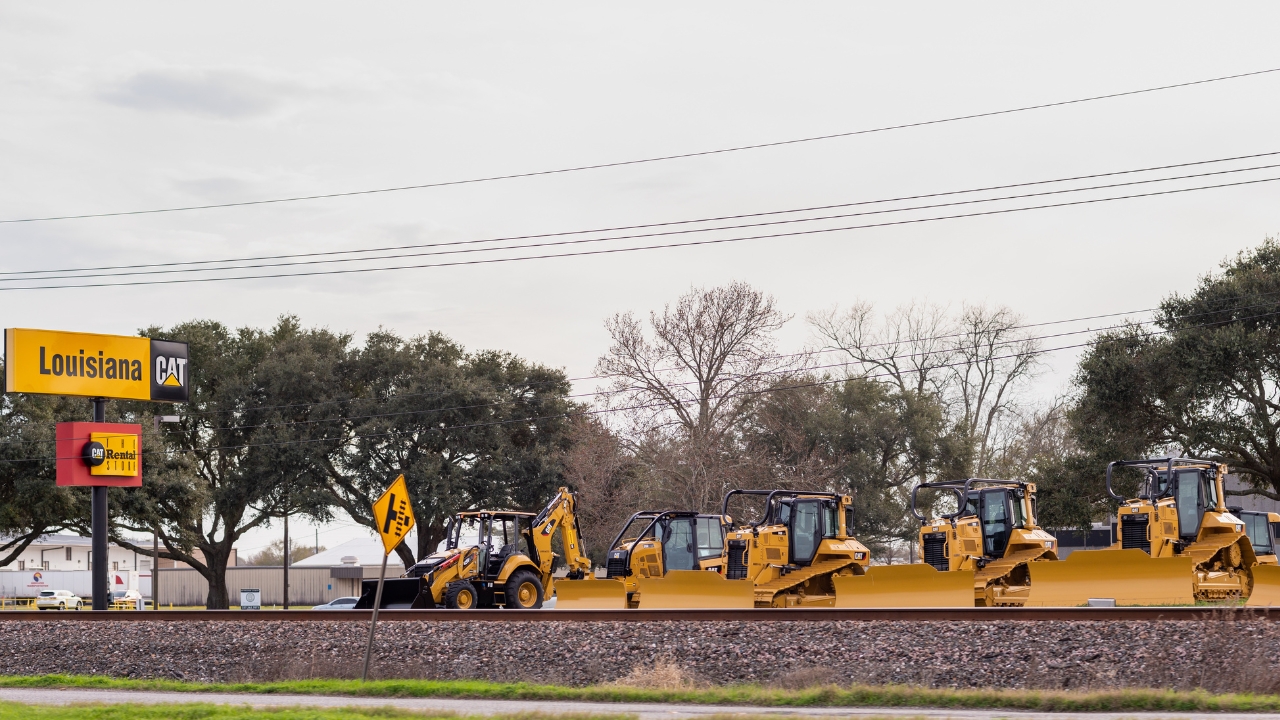
You don’t need to own a tractor to clear a spot for your home. Local rental places often have skid steers, trenchers, and brush cutters you can use for a few days at a fraction of the cost of buying.
It’s a smart way to knock out big projects without committing to the expense and upkeep of your own equipment. You can always invest in tools once you’re living on the land full-time.
Build Out Buildings Over Time
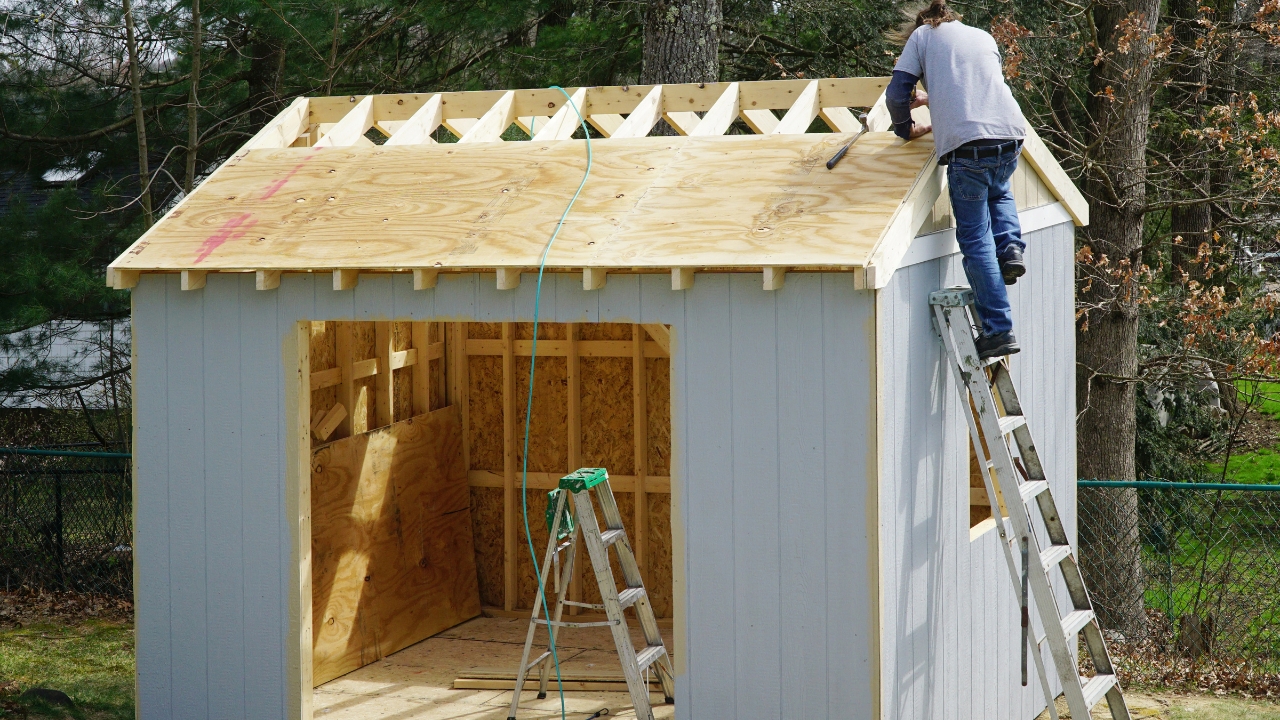
Instead of putting up a barn, workshop, and storage shed all at once, figure out what you need right away. That might be a simple carport, a metal shipping container, or even a tarp structure.
Focus on what protects your tools and supplies from the elements. Everything else can be added down the road when money and time allow. Prioritize what keeps your setup functional today.
Take Time to Plan the Layout
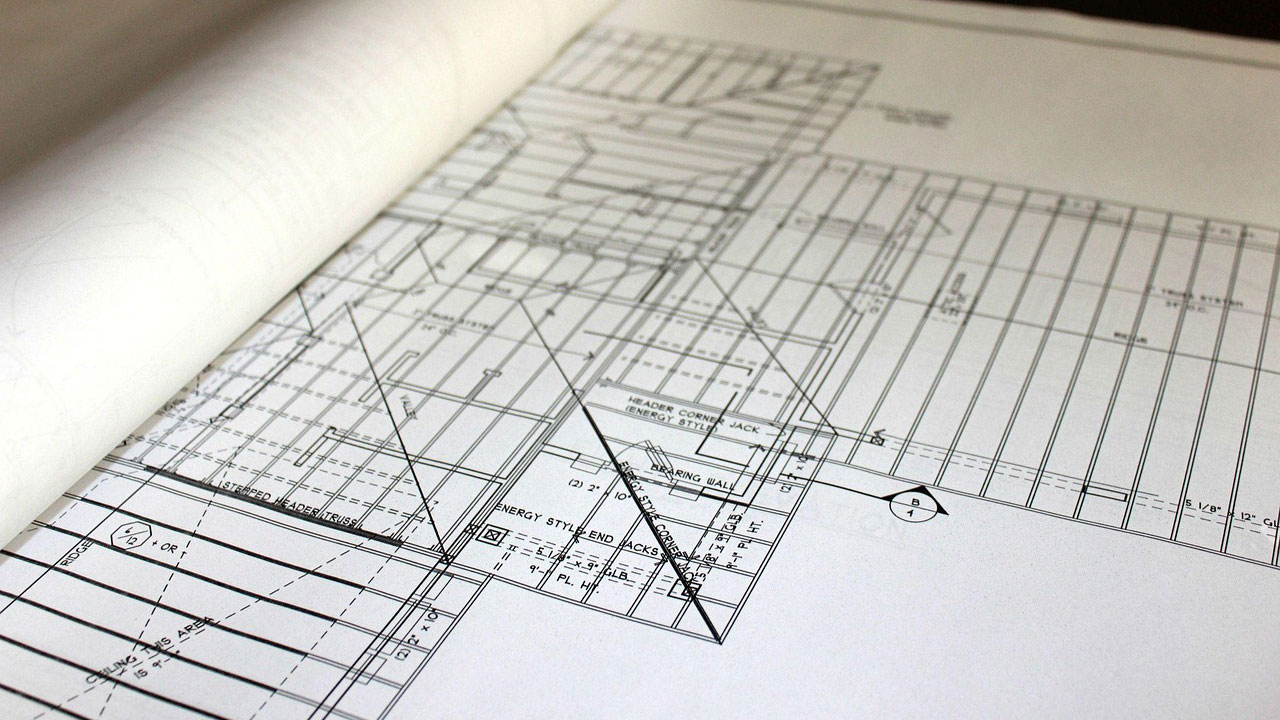
One of the cheapest ways to save money on raw land is free—planning. Before you run utilities, put in a driveway, or clear trees, step back and look at how everything flows.
Think about where water collects, where the best sun hits, and how you’ll eventually access different areas. Changing your mind later gets expensive. Starting with a clear plan helps you avoid mistakes that cost more to fix than to prevent.
*This article was developed with AI-powered tools and has been carefully reviewed by our editors.
Like Fix It Homestead’s content? Be sure to follow us.