7 Plants That Invite Snakes Into Your Yard
Photo credit: david0ff1er/Shutterstock.com
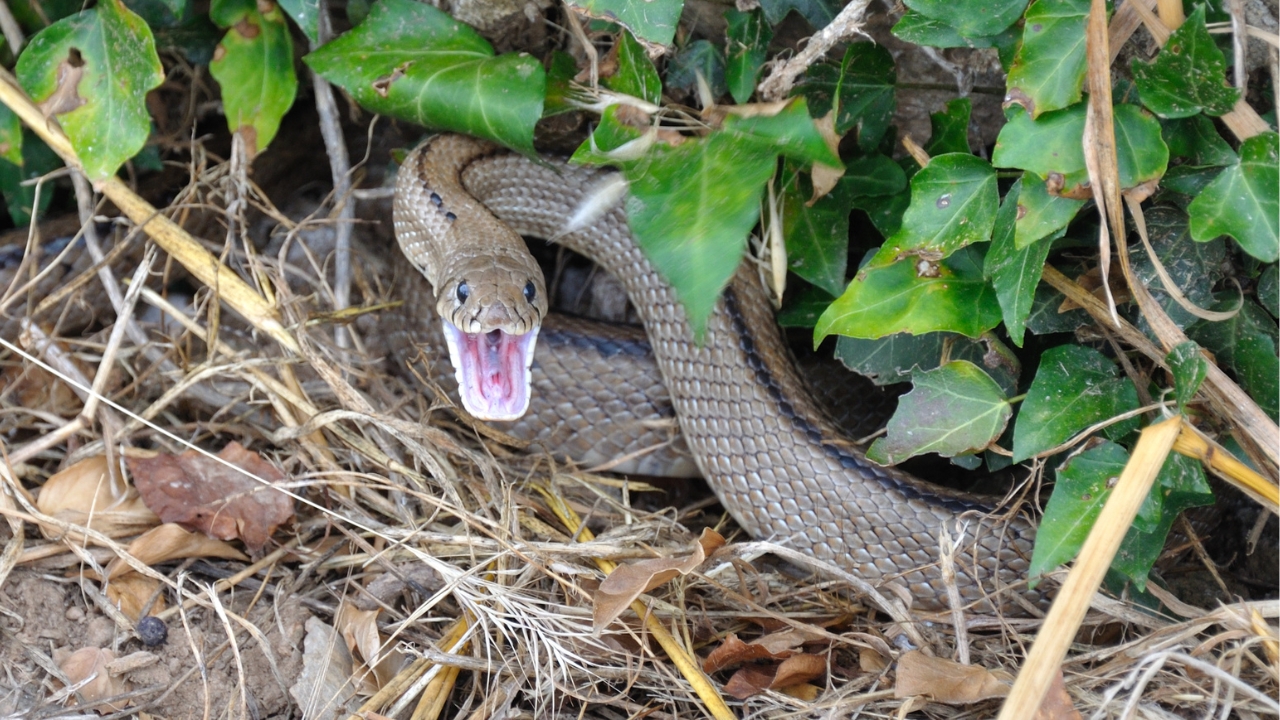
Snakes don’t show up without a reason. If they’re spending time in your yard, there’s likely something drawing them in—usually food, water, or good shelter. And while most people focus on cleaning up clutter or sealing gaps, landscaping choices play a bigger role than you’d think.
Some plants create the perfect hiding spots for snakes or attract the small animals they like to eat. If you want to keep snakes away, it’s worth looking at what’s growing around your home.
Ivy and Thick Groundcovers

Thick, low-lying plants like ivy, pachysandra, or mondo grass give snakes a place to hide and hunt. Once these plants take over, they create cool, shaded pockets that snakes love. You won’t see them until you nearly step on them.
If you use groundcovers, keep them trimmed and don’t let them grow right up to your porch, house, or shed. Leaving space around foundations or walkways makes it harder for snakes to stay hidden and sneak in.
Dense Shrubs That Reach the Ground

Bushes that grow full all the way to the ground give snakes an easy place to hide out. These spots are often damp, dark, and full of insects or small rodents, which makes them even more appealing.
You don’t need to rip out your landscaping, but pruning matters. Keep the lower branches trimmed up so there’s some air underneath. Snakes are less likely to settle in when there’s daylight shining through.
Fruit Trees That Drop Often

Rotting fruit attracts bugs, rodents, and frogs—and snakes show up looking for those. If you’ve got fruit trees that constantly drop to the ground without being cleaned up, that’s an easy food chain happening right in your yard.
Pick up dropped fruit regularly and prune back low-hanging branches that create too much shade. A tidy fruit tree is a lot less inviting to critters, which makes it less appealing to snakes, too.
Bird-Attracting Bushes
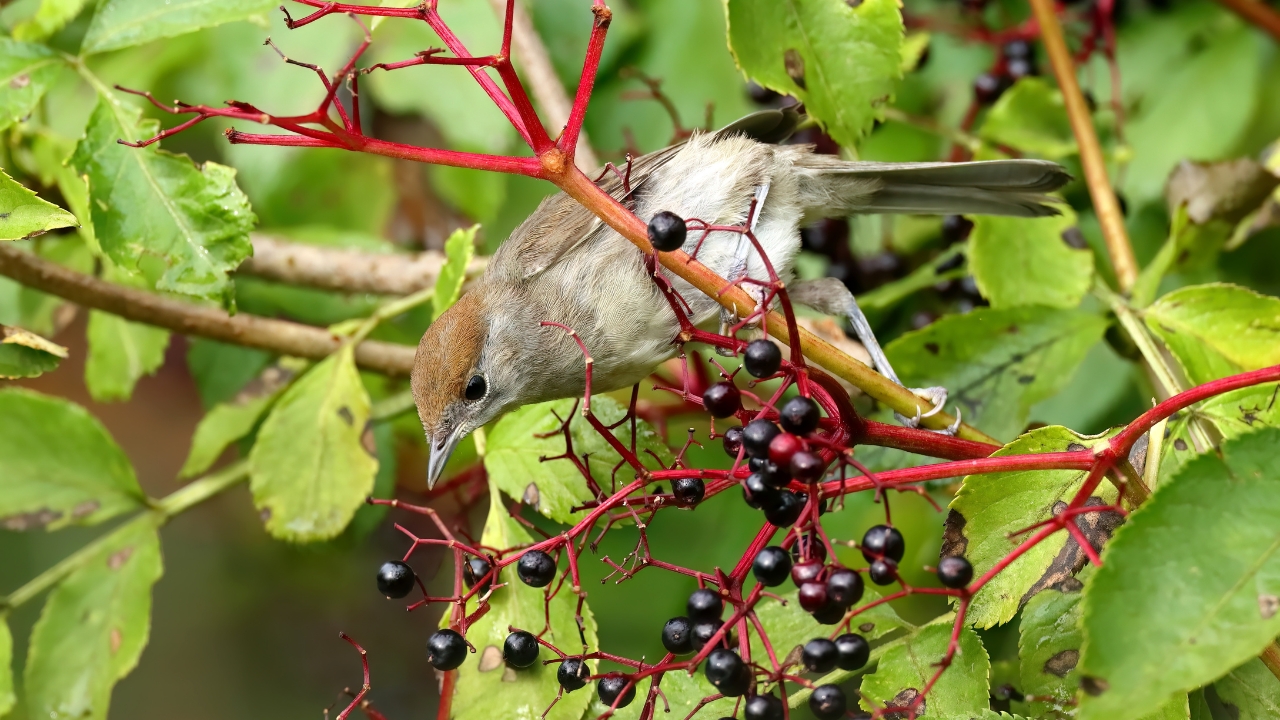
If you’ve planted shrubs that draw in birds—like elderberry, serviceberry, or viburnum—you’ve also set the stage for snake activity. Birds leave behind eggshells, droppings, and sometimes even chicks, which can pull snakes in.
If you love your bird-friendly plants, position them away from the house and avoid putting birdbaths or feeders too close to entry points. The more wildlife activity in one place, the more attractive it is to a passing snake.
Overgrown Ornamental Grasses

Tall grasses like pampas, fountain grass, or switchgrass can look pretty but create the perfect hiding spots. The dense base holds moisture and gives snakes shade, especially in summer when they’re trying to stay cool.
Cut grasses back at the end of each season, and thin them out if they start to clump too tightly. You don’t have to get rid of them altogether—just don’t let them become wild patches where anything can hide.
Rock Gardens With Creeping Plants
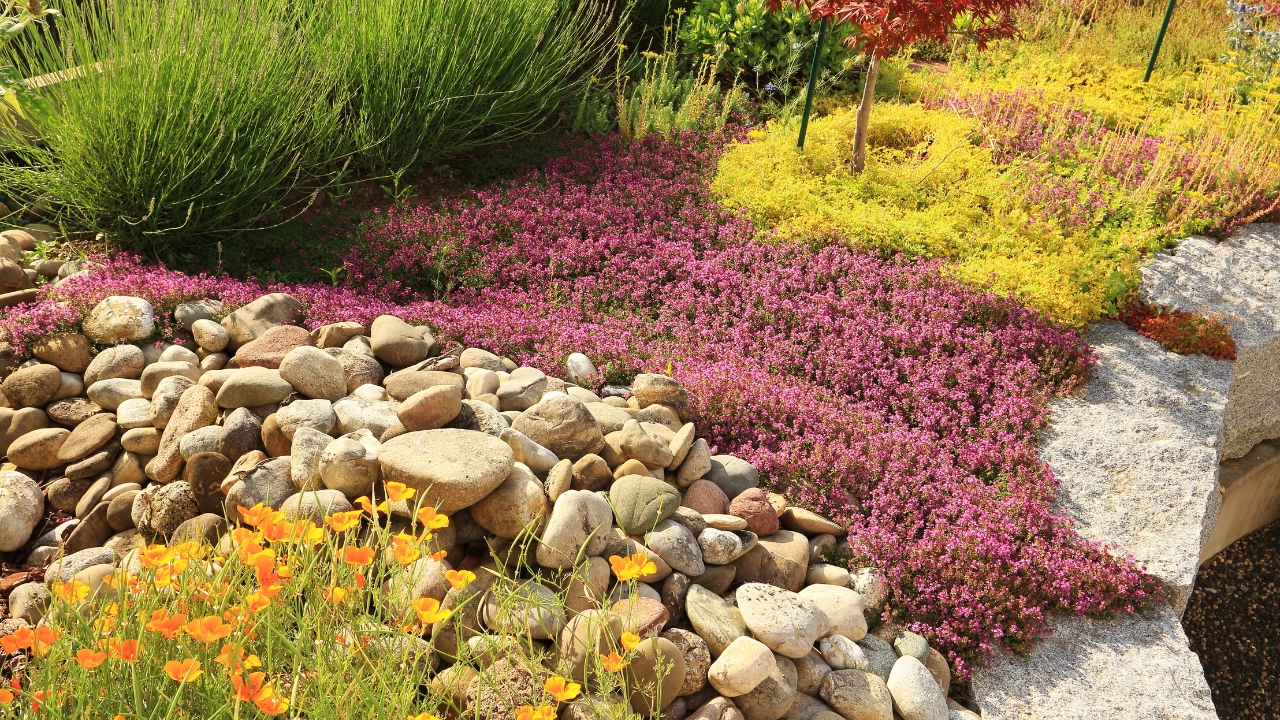
Snake-friendly plants like creeping thyme, sedum, or ajuga growing around rocks give snakes both cover and warmth. Rocks heat up in the sun, and the plants keep the area cool underneath, so it becomes an ideal little shelter.
If you like the look, be picky with placement. Keep rock features away from patios, doors, or high-traffic areas. And keep the creeping plants under control so snakes don’t feel like they have a protected tunnel system.
Vines Growing Up Fences or Walls
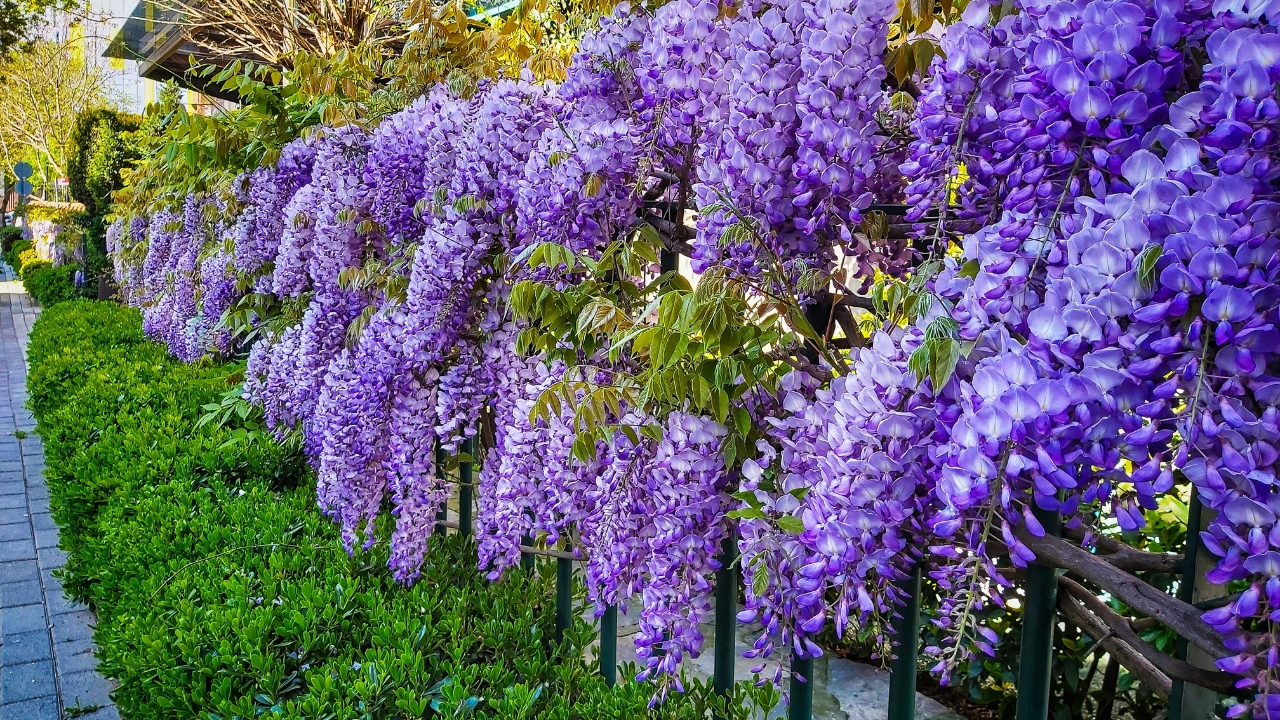
Vines like wisteria, jasmine, or even grapes can give snakes vertical shelter they’re more than willing to climb. These plants can block airflow and create shadowy, humid zones where snakes like to hide out, especially near sheds or garages.
If you’re growing vines, keep them trimmed back and don’t let them smother structures. Open airflow and sunlight go a long way in discouraging snake activity.
*This article was developed with AI-powered tools and has been carefully reviewed by our editors.
Like Fix It Homestead’s content? Be sure to follow us.