Before the next outage, check this on your carbon monoxide detector so it actually protects you
Carbon monoxide is quiet, fast, and unforgiving, which is why your detector has to be ready before the lights go out and the furnace, fireplace, or generator become your lifeline. The single most important step is making sure your alarm can still do its job when the power fails, and that comes down to a few specific checks you can handle in minutes. Before the next outage, you should confirm that your detector is powered, placed, and maintained correctly so it can actually protect you when you need it most.
Start with the power source, not the test button
When the grid goes dark, your carbon monoxide alarm is only as reliable as its backup power. If your unit is hardwired, the internal battery is the safety net that keeps the alarm running when the breaker panel goes silent, and electrical specialists stress that the backup battery is your safety net when the power goes out and that having it in place is not just smart, it is essential, a point underscored in guidance on Power outages. If you rely on a plug-in or battery-only model, that battery is not a backup at all, it is the entire system, so a weak or missing cell effectively turns the device into a plastic box on the wall.
Manufacturers are blunt about the stakes: they note that battery-powered alarms do not have a secondary power source, and they warn that you must replace the unit’s battery when necessary because, as one support guide puts it, However carefully you maintain the rest of your home, a dead battery will still shut off your protection the moment an outage or a tripped breaker cuts electricity to your alarm. Before storm season or a planned grid shutdown, open each detector, confirm the battery type, and replace any cell that is corroded, loose, or older than the manufacturer recommends, so you are not discovering a failure in the middle of the night.
Confirm the detector is not already expired
Even with fresh batteries, an aging carbon monoxide alarm can quietly time out of service. The electrochemical components that sense gas degrade, and multiple safety checklists now emphasize that carbon monoxide detectors do not last forever and that Do Carbon Monoxide Detectors Expire is not a hypothetical question but a practical one you should answer before winter. Electricians describe several Ways To Check For An Expired Carbon Monoxide Detector, starting with the printed or stamped date on the back or side of the unit and including any “end of life” chirps or indicator lights that signal the sensor is no longer reliable.
If you cannot find a date, or if the label is worn away, service pros advise you to err on the side of caution and replace the alarm rather than gamble on a sensor that may already be past its design life. One detailed guide on Where to Find Your CO Detector Expiration Date notes that once a unit reaches the end of its rated lifespan it will not detect carbon monoxide at all, even if the test button still beeps. Municipal safety FAQs echo that point, explaining that when residents ask How often they should replace their smoke detectors or carbon monoxide detectors, the answer is typically around ten years, and that you should change them before they go bad rather than waiting for a failure.
Test the alarm the right way, not just the easy way
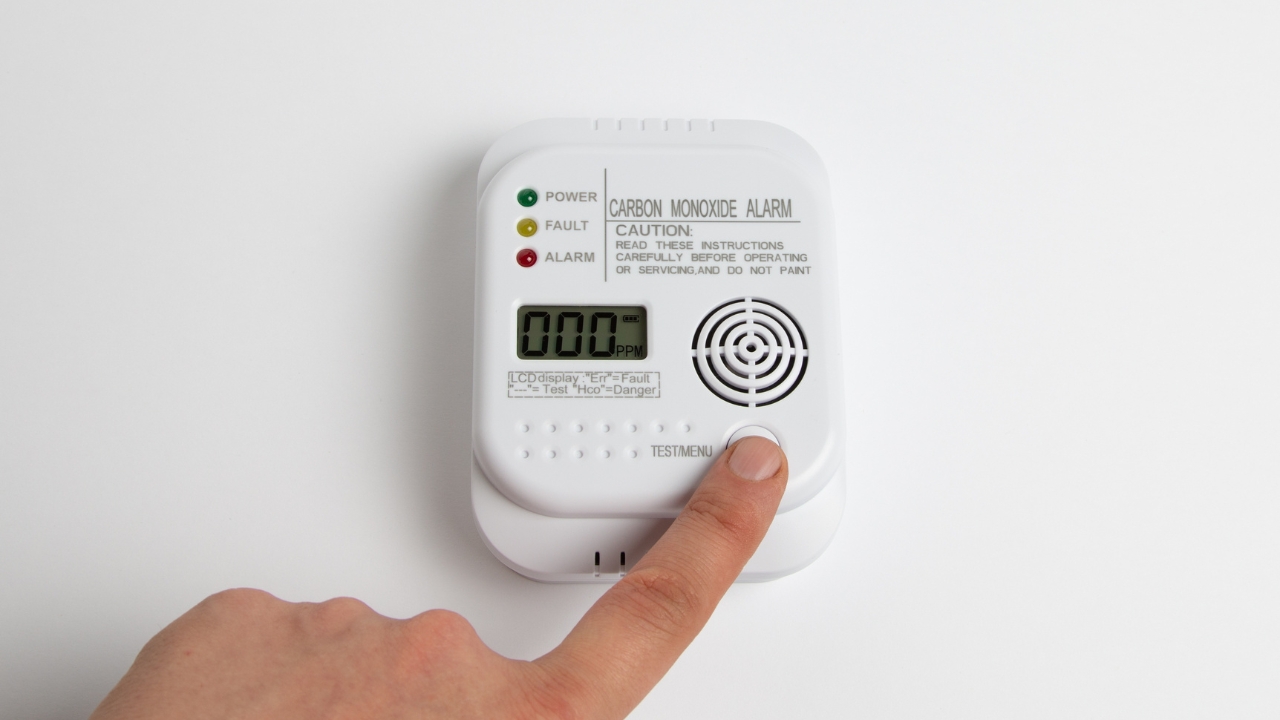
Pressing the test button is the fastest way to see if your alarm will make noise, but it is not the only check you should rely on. Manufacturers explain that the built-in test confirms the electronics and sounder are working, and consumer safety advice on How to test your carbon monoxide detectors stresses that you should use that button regularly if you are wondering whether the alarm will respond and that you should follow the instructions in your manual to ensure they are working properly. A separate how-to guide framed around How to Test Your Carbon Monoxide Detector using Easy Steps and written by staff writer Amy reinforces that you should follow the manufacturer’s instructions for how long to hold the button and when to replace batteries or the entire unit.
For a deeper check, gas detection specialists recommend periodic testing with actual carbon monoxide, not just electronics. One technical overview titled How to Test a Carbon Monoxide Detector explains that Gas detection is crucial for ensuring the performance of your device and notes that another way to test your alarm is to expose it to a controlled source of CO gas once per year. A separate step-by-step guide on how to test carbon monoxide detectors at home adds that a properly functioning detector should emit a loud, repetitive beeping sound when tested, confirming that the battery, alarm, and internal circuitry are working, a standard spelled out in instructions that explain that A properly functioning detector should respond clearly when you follow the recommended steps.
National fire safety experts also push for a regular schedule, not just occasional checks when you remember. A video tutorial on Dec maintenance explains that smoke and carbon monoxide detectors should be kept in excellent working order according to the National Fire Protection Association, which recommends monthly testing and routine battery changes. Federal product safety officials echo that guidance, with the CPSC advising consumers to replace the batteries in their Smoke and CO alarms annually and to test the alarms monthly, while also installing them on every level of the home and outside sleeping areas.
Check where the detector is installed before the lights go out
Even a brand-new, fully powered alarm can fail you if it is installed in the wrong place. City health officials warn that Carbon monoxide detectors alert you when there are dangerous levels of carbon monoxide in your home, and they note that Most homes and residential buildings are required to have them installed near sleeping areas so occupants hear the alarm even at night. Broader safety checklists go further, advising you to Install CO detectors on every floor and near fuel-burning appliances so that a leak from a furnace, gas stove, or attached garage is detected quickly rather than after gas has spread through the house.
Placement is not just about coverage, it is also about avoiding false readings and nuisance alarms that tempt you to unplug the device. One installation guide on choosing, installing, and maintaining detectors for home safety lists specific Areas to Avoid, highlighting High Humidity Areas such as bathrooms where moisture can affect performance. Alarm specialists add that Ensuring proper placement is a simple but critical fix that improves accuracy and reliability, and they spell out What to do, including Move the detector at least several feet away from fuel-burning appliances and out of dead air spaces so that rising or circulating gas can actually reach the sensor.
Clean, maintain, and replace on a schedule
Dust, grease, and everyday grime can quietly smother a working sensor, especially in kitchens, basements, or near fireplaces. Maintenance guides emphasize that regular Cleaning is essential because Dust and debris can clog the detector’s sensor, and they recommend you Use a vacuum hose to clean the vents carefully so you do not damage internal components. Electricians advising on detector lifespan add that you should Clean Your Carbon Monoxide Detectors regularly and that, according to the Centers for Disease Control, accidental carbon monoxide poisoning sends more than 50,000 people in the United States to the emergency room each year, a reminder that upkeep is not cosmetic, it is life safety.
Battery replacement and full-unit swaps should also be on a calendar, not left to guesswork. Manufacturer support pages that answer When and How Do I Replace My Carbon Monoxide or Combination Alarm Battery recommend changing batteries in all alarms at least once a year and sooner if you hear low-battery chirps. Separate replacement guidance for Non Digital Carbon Monoxide Alarms To determine if your non-digital carbon monoxide alarm has reached the end of its life explain that you should look for specific end-of-life signals and replace the unit promptly when they appear. Broader home maintenance advice framed as Tips for Maintaining the CO Detectors in Your Home adds that you should verify backup batteries are fresh so the alarms continue to operate when a power outage occurs, not just when the grid is stable.
Finally, treat your carbon monoxide alarms as part of a broader safety system that you revisit at least once a year. A comprehensive carbon monoxide safety checklist encourages you to pair detector checks with furnace servicing and ventilation inspections, and it notes that Jul guidance from Aire Serv folds detector placement, appliance maintenance, and emergency planning into one routine. Federal advice on CO Alarms reinforces that you should have devices on every level of your home and outside sleeping areas, and local health departments remind you that once the alarm sounds, you should get outside, call for help, and follow instructions about what to do next. If you make those checks now, before the next outage, your detector will be more than a box on the wall, it will be a tool that can actually save your life.
Like Fix It Homestead’s content? Be sure to follow us.
- Man Says He Found Out the Fence He Paid For Wasn’t Actually on His Property
- Woman Says Her Neighbor Started Taking Mulch From Her Delivery Pile Before She Could Even Spread It
- I made Joanna Gaines’s Friendsgiving casserole and here is what I would keep
- What Caliber Works Best for Groundhogs, Armadillos, and Other Digging Pests?
*This article was developed with AI-powered tools and has been carefully reviewed by our editors.