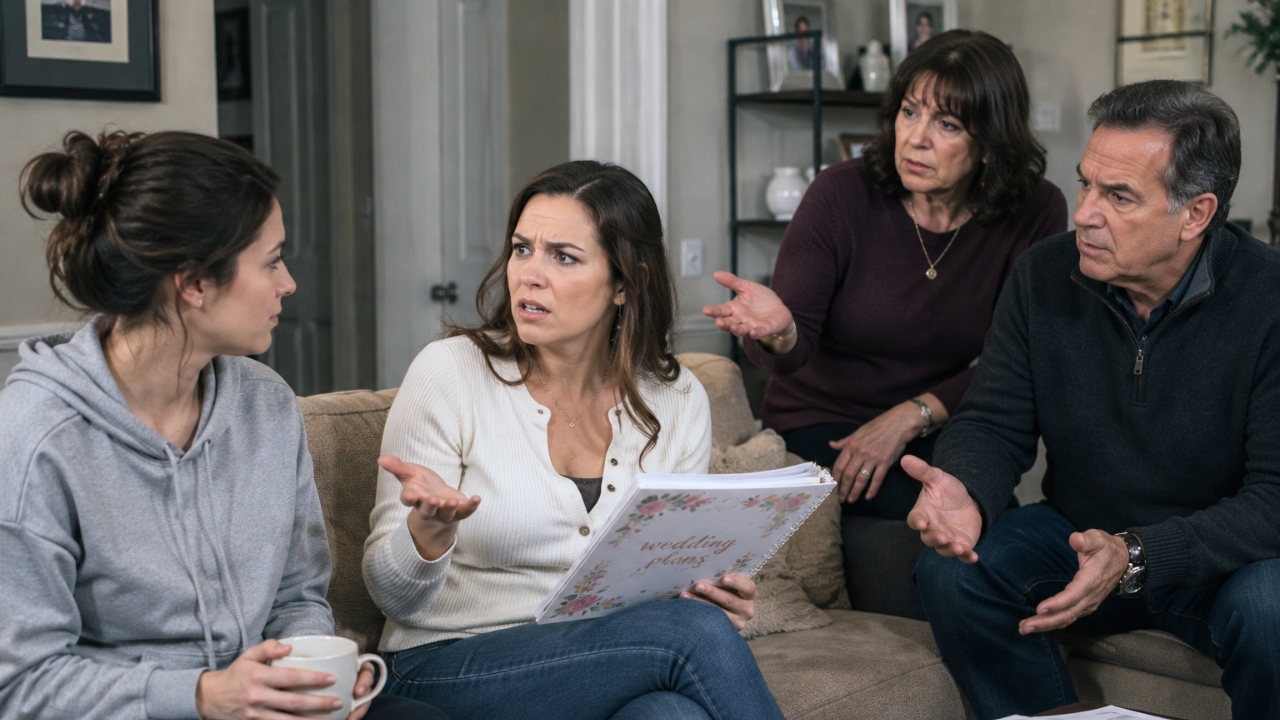
Bride Says Relatives Left Her and Her Sister Out of Their Wedding — Then Expected an Invite to Hers
Photo credit: Fix It Homestead
A bride says she grew up knowing certain relatives did not really include her side of the family. It was not one dramatic blowup or one loud fight. It was more the steady pattern of being left out, overlooked, and treated like they did not matter as much as everyone else.
Then she got engaged, and suddenly those same relatives expected a seat at her wedding.
She explained in a Reddit post that she was considering leaving some family members off her wedding guest list because of how they had treated her and her sister in the past. The conflict centered around relatives who had not included the two sisters in their own wedding events, then seemed to assume they would still be invited when it was the poster’s turn to get married.
That is the part that bothered her.
Weddings have a way of making family history impossible to ignore. A guest list is not just names and addresses. It becomes a quiet record of who showed up, who made effort, who acted like family, and who only remembers the relationship when they want to be included.
For the bride, these relatives had already sent a message.
They had left her and her sister out before. They had not treated them like close family when it was their own event. So now that the bride was planning her wedding, she did not feel obligated to pretend the relationship was closer than it actually was.
That can be hard to explain to family members who believe invitations should follow titles. Cousin, aunt, uncle, sibling — those labels can create expectations, even when the relationship behind them is thin or hurtful. Some people assume weddings require automatic inclusion because “that’s family.”
But the bride seemed to be questioning that rule.
If someone did not include her, did not prioritize her, and did not maintain a real relationship with her, why should she spend money and space inviting them to one of the most important days of her life?
That is especially true when weddings are expensive. Every guest costs something — food, seating, drinks, favors, space, time, attention. Inviting someone out of guilt can mean cutting someone else who actually supports the couple. It can also mean giving emotional access to people who may not deserve it.
The bride was not trying to start a family war. She seemed to be trying to avoid pretending.
The tension, of course, was that excluding relatives can cause fallout. People notice when they are not invited. They compare guest lists. They ask why one cousin came and another did not. They turn the wedding into a scoreboard.
That may have been why the bride was second-guessing herself. She knew that leaving them out could create drama, but inviting them could feel dishonest and unfair to herself and her sister.
There was also the sting of reciprocity. If someone leaves you off their wedding guest list, they are allowed to do that. But they also should not be shocked if the relationship feels different afterward. You cannot treat someone like distant family during your milestone, then expect close-family treatment during theirs.
That was the bride’s dilemma.
Should she rise above it and invite them anyway to avoid hurt feelings? Or should she let the guest list reflect the relationship as it actually is?
The post did not appear to end with a neat answer or a big family apology. It stayed in that messy planning stage where the bride was trying to decide whether peace was worth the cost of swallowing the hurt.
But her position made sense. She was not banning loving relatives because of one minor slight. She was looking at a pattern and deciding whether she wanted that pattern sitting in the room on her wedding day.
And sometimes, the most honest guest list is the one that stops pretending every family tie is close just because the family tree says so.
Commenters mostly told her she was not wrong for reconsidering the invitation. Many said weddings are personal events, not mandatory family reunions.
Several people focused on the relatives’ earlier choice to exclude her and her sister. Commenters said if those relatives did not consider them close enough for their own wedding, they should not automatically expect an invitation now.
A lot of commenters said the bride should invite people based on current relationship, not obligation. If they do not talk, do not support each other, and are not close, there is no reason to pay for their seats just to satisfy family politics.
Others warned that family members may complain, but that does not mean the bride is wrong. Some suggested having one simple answer ready: the wedding is limited, and the couple is focusing on people they are close with.
A few commenters said she could invite them if avoiding drama mattered more than the principle, but most agreed she was allowed to leave them off.
The strongest advice was simple: people who treated her like optional family should not be surprised when they become optional guests.