Buyer Closes on a New Build and Finds the Neighbor’s Shed Sitting on the Back Corner of the Land for Twenty Years — Then the Neighbor Says No One Ever Complained Before
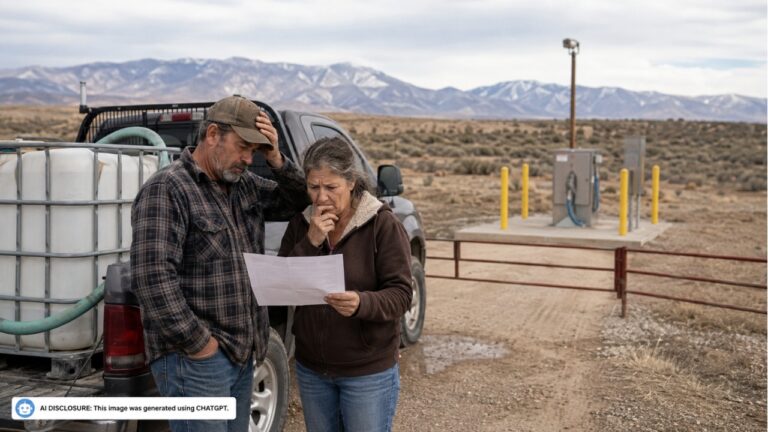
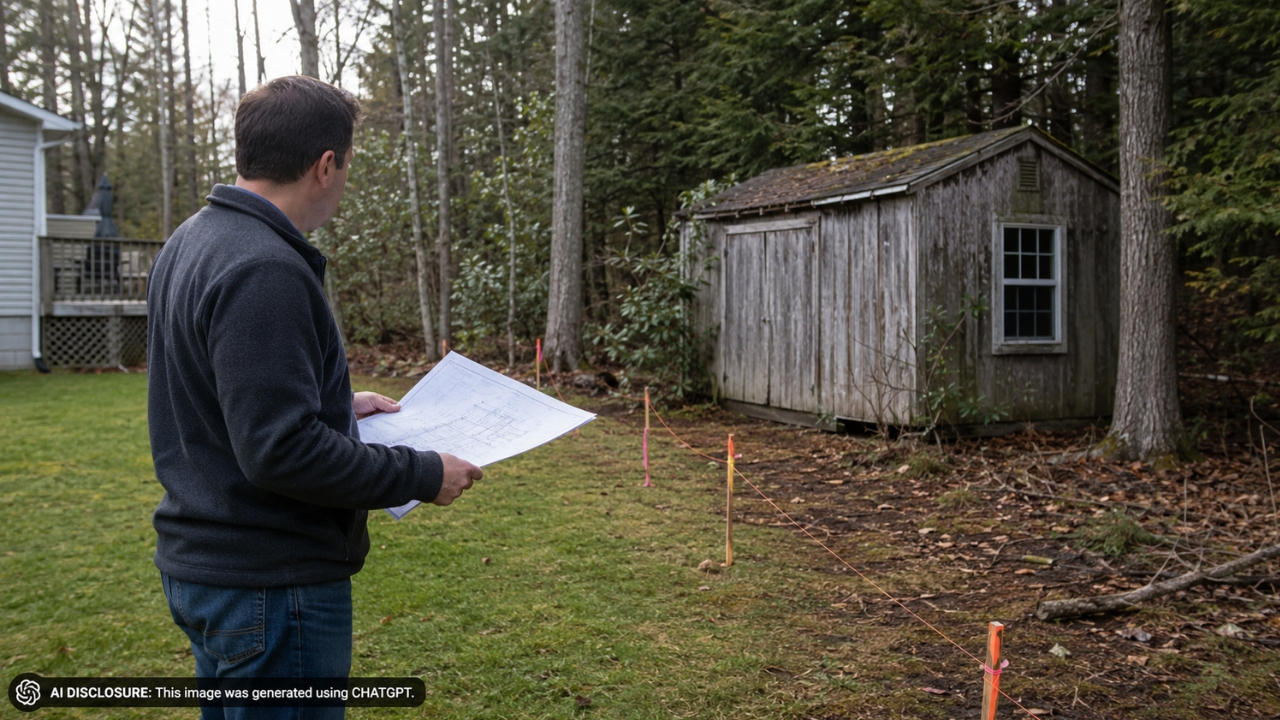
Photo credit: AI-generated image created using ChatGPT. Illustrative only.
When you buy a house, you expect the surprises to be the usual ones: a sticky window, a loud sump pump, maybe a patch of yard that stays soggy longer than it should. You don’t expect to wander into the wooded back portion of your own property and find a structure that isn’t yours.
That’s what happened to a Pennsylvania couple a few months after moving in. While checking out the roughly acre of forested land behind their backyard, they realized a neighbor behind them had a shed sitting on their land, right up against what they believed was the property line. They shared the details in the original post, trying to figure out how worried they should be—and what to do next without starting a war.
A quiet walk in the woods turned into a property-line punch in the gut
The couple hadn’t noticed anything at closing. It wasn’t like a shed was sitting in the middle of a manicured lawn where it would jump out in the final walkthrough.
This was tucked back on the forested section behind the yard—the kind of space new homeowners sometimes don’t explore much until they’ve settled in. But once they did, there it was: a neighbor’s shed apparently crossing onto their side.
They didn’t even know how long it had been there. Their best guess was “years at least,” which is exactly the kind of timeline that makes a simple boundary problem feel bigger and scarier.
The immediate fear: losing land and inheriting liability
Two worries hit them at once, and both are the kind that can keep you awake at night.
First, they were concerned about whether the neighbor could claim ownership of that sliver of land after using it for so long. When something like a shed has sat in one place for years, it stops feeling temporary. It starts feeling “established,” and that’s where people’s minds go straight to adverse possession and boundary disputes that don’t end with a friendly wave.
Second, they worried about liability. If the shed is partly on their land and someone gets hurt in the portion that crosses the line, could the new owners be the ones pulled into the mess? It’s the kind of question that gets especially sharp when you remember you didn’t build it, you didn’t permit it, and you didn’t agree to it—yet it’s sitting on your deeded property.
The plan was simple: get a survey, then talk like adults
For now, the couple’s approach wasn’t aggressive. They planned to get a survey first, then have a friendly chat with the neighbors once they had clear documentation.
That order matters. Boundary disputes can go sideways fast when they start with a conversation based on assumptions, old fence lines, or “I’ve always thought this was my corner.” A survey turns an awkward argument into something you can point to, even if it doesn’t make the emotions any easier.
There’s also a practical reason to lead with measurements: sometimes what looks obvious on the ground isn’t correct. Property corners can be deceptive in wooded areas, and lines can drift in people’s minds over time—especially when lots are big and landmarks change.
Why an old shed feels like a much bigger problem than a shed
Even if the footprint is small, an encroachment changes how you think about your land. It’s not just a storage building. It’s access, use, and control.
If a neighbor has been walking back there for years to reach that shed, that means there’s an established pattern of crossing the area. If the new owners decide to fence, clear brush, plant trees, or build something later, they may suddenly find themselves negotiating space they thought they already owned outright.
And then there’s the “presumably years at least” part. A shed that’s been in place a long time can become emotionally “theirs,” even if legally it’s not. That can turn a simple request—move it back onto your side—into a personal affront, especially if the neighbor responds with some version of, “No one ever complained before.”
That particular line has a way of escalating things because it implies permission that was never actually given, and it nudges the new owner into the role of villain: the newcomers who are “making trouble.”
People pushed for proof, paperwork, and a calm paper trail
The strongest practical theme in the responses was straightforward: don’t guess, and don’t start with a fight. Confirm the boundary with a survey and keep everything grounded in documentation.
That kind of advice isn’t glamorous, but it’s what protects you later if the conversation goes poorly. If you end up needing to involve an attorney, your title company, or your insurer, a clean timeline helps: when you discovered it, what you did to verify it, and how you approached the neighbor.
Another angle people tend to raise in these cases is not to accidentally “bless” the encroachment by treating it like it’s fine. Homeowners worry about doing something that later gets interpreted as consent—like offering to help fix the shed roof, letting them run power to it, or informally agreeing “it’s no big deal” without understanding the long-term consequences.
In other words, be neighborly, but be clear. Friendly doesn’t have to mean fuzzy.
What makes it messy: you didn’t create the problem, but you own it now
This is the part that stings for new homeowners. They didn’t put the shed there. They didn’t wave it through. They didn’t even know it existed until after closing.
But once you discover something like this, ignoring it can feel risky. If there’s any chance the neighbor will later claim rights to that strip of land, or if the shed ever causes damage—trees falling on it, pests nesting under it, runoff pooling around it—your property becomes tangled up in the outcome.
And even if nothing dramatic happens, the shed can complicate future plans. Selling the home later with an unresolved encroachment can spook buyers and raise questions during the next title process. It’s the kind of issue that sits quietly in the background until you try to refinance, build, or move—and then suddenly everyone wants it resolved yesterday.
For now, the couple is taking the smart first step: verify the line, then talk. The hard part comes after that survey stake goes in the ground, because whatever the tape measure says, the next conversation is still two neighbors deciding whether this becomes a quick fix or a long-running feud over a corner of woods most people don’t see—until it’s theirs.