Buyer Discovers the Well Goes Dry After Moving In — Then the Seller’s Disclosure Starts Raising Questions
Photo credit: Fixithomestead.com
A house with a private well can sound like a dream to someone who wants more space, more privacy, and a little independence.
No city water bill. No crowded neighborhood system. Just land, a home, and water coming from the property itself.
But that dream can fall apart quickly when the well does not keep up.
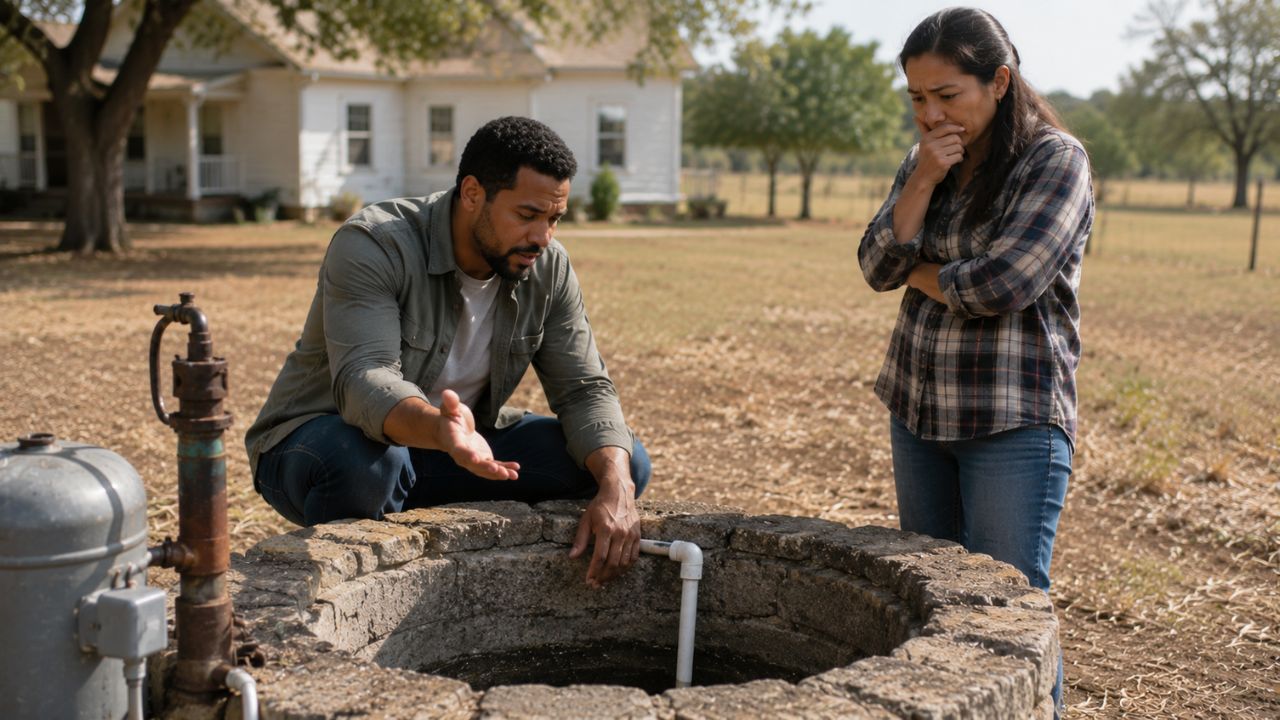
One buyer learned that after moving in and discovering the well was going dry. What had looked like a functional rural home suddenly came with one of the most stressful problems a homeowner can face: not knowing whether the water supply was reliable.
And once the problem showed up, the seller’s disclosure started looking a lot more important.
The well worked until it didn’t
Private wells can be tricky because a buyer may not understand the full picture during a showing or inspection.
A faucet can turn on. A toilet can flush. A shower can run for a few minutes. Everything may seem normal during a short visit.
But living in the house is different.
A family uses water all day: showers, laundry, dishes, cooking, handwashing, outdoor use, and maybe animals or gardens. That is when a weak or struggling well can reveal itself.
For this buyer, the issue became clear only after they were already in the home.
The well was going dry, and that changed everything.
A water problem is not like a squeaky door or an ugly paint color. It affects every part of daily life. Suddenly, basic routines come with anxiety. Can the washing machine run? Can everyone shower? Can dishes be done? Will the water come back? Is this temporary, seasonal, or a major failure?
Those are terrifying questions when the house is already yours.
The seller’s disclosure became the center of the problem
After discovering the issue, the buyer naturally had to wonder what the seller knew.
Had the well gone dry before? Had the seller ever had to truck in water? Had there been pressure issues? Had a well company warned about low yield? Had the pump been replaced to mask a bigger problem? Were neighbors dealing with the same thing?
Those details matter because a rural buyer depends on disclosures to understand what they are actually purchasing.
A well is not just another feature of the house. It is the water supply.
If the seller knew the well was unreliable and failed to disclose it, the buyer may feel like they were handed a hidden disaster after closing.
But proving what the seller knew can be difficult.
The buyer may need records, old invoices, neighbor statements, inspection notes, water test results, pump service history, or messages showing the issue had happened before.
The repair options were not simple
When a well struggles, the fix is not always obvious.
Sometimes the issue is the pump. Sometimes it is the pressure tank. Sometimes the well is too shallow. Sometimes the water table has dropped. Sometimes the well needs cleaning, deepening, hydrofracturing, or replacement. Sometimes the problem is made worse by drought, heavy use, or changes in nearby land use.
That means the buyer could be facing anything from a manageable repair to a major expense.
And unlike cosmetic home repairs, water problems can feel urgent. A homeowner can live with outdated cabinets. They cannot comfortably live without dependable water.
That urgency can make the situation even more stressful because every professional opinion may come with a price tag, and every delay affects daily life.
The buyer had to figure out whether this was new or known
The key question was whether the well problem was a surprise to everyone or something the seller had already experienced.
If the well had only started going dry after a stretch of unusual weather or a sudden equipment failure, the buyer may simply be dealing with bad timing.
But if the seller had dealt with the same issue before, the situation feels very different.
That is why the disclosure raised questions.
A seller does not always have to predict future problems, but known issues with a home’s water source are the kind of thing buyers expect to be told about before they sign.
Especially on rural property, where the well can affect financing, insurance, livability, resale value, and the cost of future repairs.
Commenters focused on testing, records, and neighbors
In situations like this, people often tell buyers to gather information from every direction.
A well professional can test output and inspect the equipment. County or local records may show well depth, age, permits, or past drilling information. Prior service companies may have records if the buyer can identify them. Neighbors may know whether the area has water problems or whether the previous owner complained about the well.
Commenters also commonly warn buyers not to rely on one quick opinion if the first answer sounds extreme. Well repairs can be expensive, and it is worth understanding whether the problem is mechanical, seasonal, or structural before making a major decision.
At the same time, they usually encourage the buyer to preserve evidence.
Photos, videos, pressure readings, water usage notes, repair estimates, and copies of the seller disclosure could all matter if the buyer later believes the issue was hidden.
The home no longer felt settled
The hardest part was that this discovery happened after the buyer had already moved in.
A new home is supposed to feel more secure with each passing day. Instead, every low-pressure faucet or sputtering tap can make the buyer feel like the whole purchase is unstable.
The problem was not just the well.
It was the feeling that something essential may have been misrepresented or minimized.
When a buyer discovers the well goes dry after moving in, the question is not only how to get the water flowing again.
It is whether the house was sold as a normal rural property when the water supply was already a known problem waiting for the next owner to inherit.
Like Fix It Homestead’s content? Be sure to follow us.
- Man Says He Found Out the Fence He Paid For Wasn’t Actually on His Property
- Woman Says Her Neighbor Started Taking Mulch From Her Delivery Pile Before She Could Even Spread It
- I made Joanna Gaines’s Friendsgiving casserole and here is what I would keep
- What Caliber Works Best for Groundhogs, Armadillos, and Other Digging Pests?