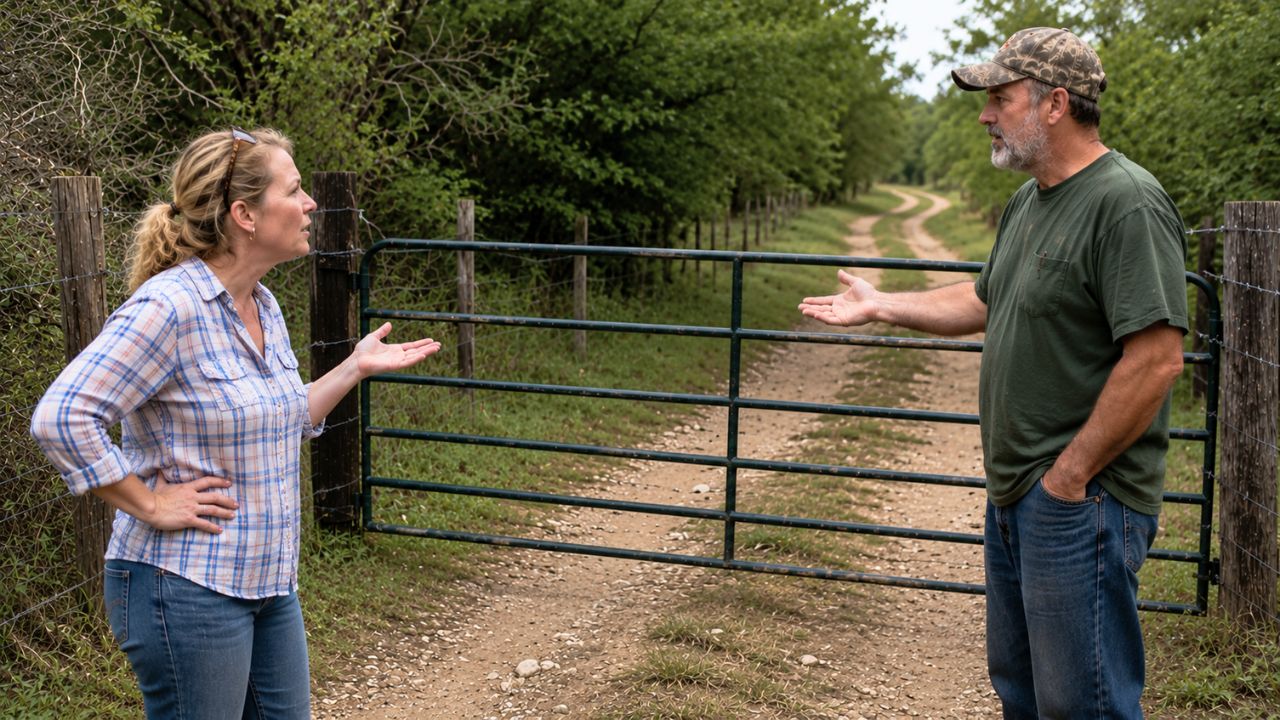
Rural Property Owner Finds a Gate Installed Across Their Land — Then the Neighbor Says It’s Needed for Access
Photo credit: Fixithmestead.com
A gate can seem harmless until it is sitting on the wrong property.
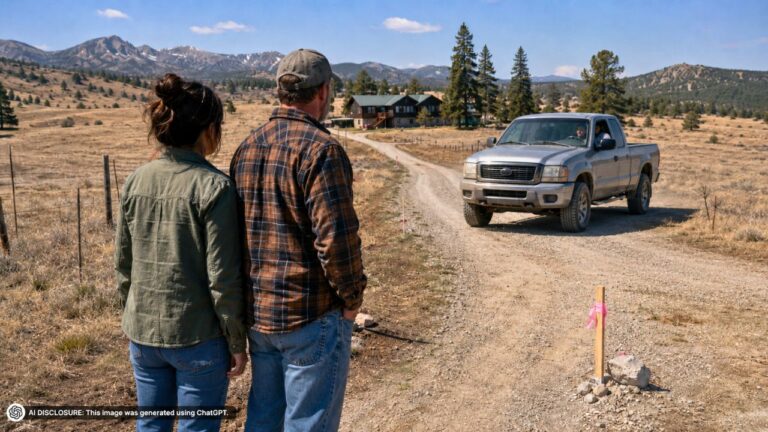
For one rural property owner, the issue started when they discovered a gate installed across part of their land. It was not a gate they had put up. It was not part of a fence project they had approved. And once they realized where it was, the situation immediately raised questions about access, ownership, and how much control the neighbor thought they had.
The neighbor’s explanation made the problem even more frustrating.
According to the property owner, the neighbor said the gate was needed for access.
But needing access is not the same as having the right to take control of someone else’s land.
The gate changed the feel of the property
Rural properties often have old paths, worn trails, fence openings, and informal access points that have been used for years.
Sometimes those arrangements are legitimate. There may be a recorded easement, a shared lane, or a written agreement that allows one landowner to cross another person’s property.
Other times, people simply get used to doing something because nobody stopped them.
That is where problems start.
A neighbor may drive across a corner of land for years and begin to treat it like a right. They may install a gate to make the route easier, safer, or more convenient. They may even believe they are improving the setup.
But to the actual property owner, that gate can feel like someone else just claimed control over part of their land.
It is one thing for a neighbor to ask for permission.
It is another thing for them to install something first and explain it later.
“Needed for access” did not settle the issue
The neighbor’s argument was simple: they needed the gate to reach something.
Maybe it gave them a way to get to a pasture, barn, back road, utility area, or another portion of their land. Maybe it was the route they had always used. Maybe without it, their access would become inconvenient.
But the property owner still had to ask the obvious question.
Was there a legal right to cross there?
That is the difference between a true access issue and a neighbor overstepping.
If there is a recorded easement, the owner may not be able to simply block access. But even then, the neighbor may not have the right to install gates, locks, fencing, or structures beyond what the easement allows.
If there is no easement, the neighbor’s need may be a personal problem, not a property right.
That is what made the gate so concerning.
It was not just about someone passing through. It was about someone physically altering land they did not own.
The owner had to think about precedent
A gate can become a bigger issue because it changes how people use a property.
If the owner allows it to stay, does that make the neighbor feel more entitled to the route? Will they start driving through more often? Will they give access to guests, workers, hunters, renters, delivery drivers, or future buyers?
Will the gate be locked? Who gets a key? Who maintains it? Who is responsible if livestock gets out, a vehicle damages the land, or someone gets hurt?
Those questions matter because rural access disputes rarely stay small once expectations harden.
The property owner was not only reacting to the gate itself. They were thinking about what the gate might turn into later.
If a neighbor can install one gate without permission, what stops them from adding gravel, widening the path, putting up signs, cutting trees, or claiming the route as a permanent access lane?
Commenters focused on records and written proof
In situations like this, people usually warn property owners not to rely on assumptions from either side.
The first step is to check the deed, survey, title documents, and county records for any easement or right of way. A conversation with the title company, surveyor, or real estate attorney may also be necessary if the documents are unclear.
Commenters also tend to recommend documenting the gate immediately with photos, dates, and written communication.
If the neighbor claims they have a right to use the land, the property owner should ask them to provide the paperwork.
Not a memory. Not a family story. Not “we have always done it this way.”
Actual paperwork.
That is especially important because old rural access arrangements can be messy. A previous owner may have allowed something casually, but that does not automatically mean the permission transferred as a permanent right.
Removing it too quickly could create another fight
Even when the gate appears unauthorized, the property owner still has to be careful.
Ripping it out immediately could escalate the conflict, especially if the neighbor truly believes they have access rights. If the gate is tied to livestock, emergency access, utilities, or another sensitive issue, the situation could get complicated fast.
That does not mean the owner has to accept it.
It means the response should be deliberate.
The strongest approach is usually to confirm the boundary, confirm whether an easement exists, put the objection in writing, and set a clear deadline or next step based on what the records show.
If the neighbor has no right to the access, the owner may be able to demand removal. If the neighbor does have some access right, the owner may need to clarify what is and is not allowed.
Either way, the gate should not be treated as harmless until the paperwork says so.
The real issue was control
For the rural property owner, the gate represented something bigger than metal, hinges, and posts.
It represented control.
Someone else had placed a barrier on their land and then justified it by saying they needed it.
But land ownership does not work that way. A neighbor’s convenience does not automatically override the owner’s rights. If access is legitimate, it should be documented. If it is not documented, the owner has every reason to question it.
That is why the gate mattered.
It was not just an access point.
It was a physical claim on a piece of property the owner believed was theirs.
And once that kind of claim appears, ignoring it can be a lot more dangerous than dealing with the uncomfortable neighbor conversation right away.
Like Fix It Homestead’s content? Be sure to follow us.
- Man Says He Found Out the Fence He Paid For Wasn’t Actually on His Property
- Woman Says Her Neighbor Started Taking Mulch From Her Delivery Pile Before She Could Even Spread It
- I made Joanna Gaines’s Friendsgiving casserole and here is what I would keep
- What Caliber Works Best for Groundhogs, Armadillos, and Other Digging Pests?