Buyers Keep Finding Sloppy Work in Their New Build — Then the Fireplace Becomes the Last Straw
Photo credit: Fix It Homestead
New construction has a way of sounding clean and simple from the outside. No old wiring to inherit. No mystery repairs from previous owners. No hidden layers of somebody else’s bad choices. You pick the house, watch it go up, and expect the finished product to feel fresh, solid, and worth what you paid for.
But one first-time buyer said their new construction home kept disappointing them week after week, until a crooked fireplace surround made them wonder if they were being too picky or if the builder’s work really was that sloppy.
The buyer shared the situation in a Reddit post on r/homeowners, explaining that they and their wife had chosen a new construction home from a reputable builder, only to keep finding quality issues during their visits to the property. The original Reddit post is here: https://www.reddit.com/r/homeowners/comments/d494wl/unhappy_with_sloppy_work_in_new_construction_home/
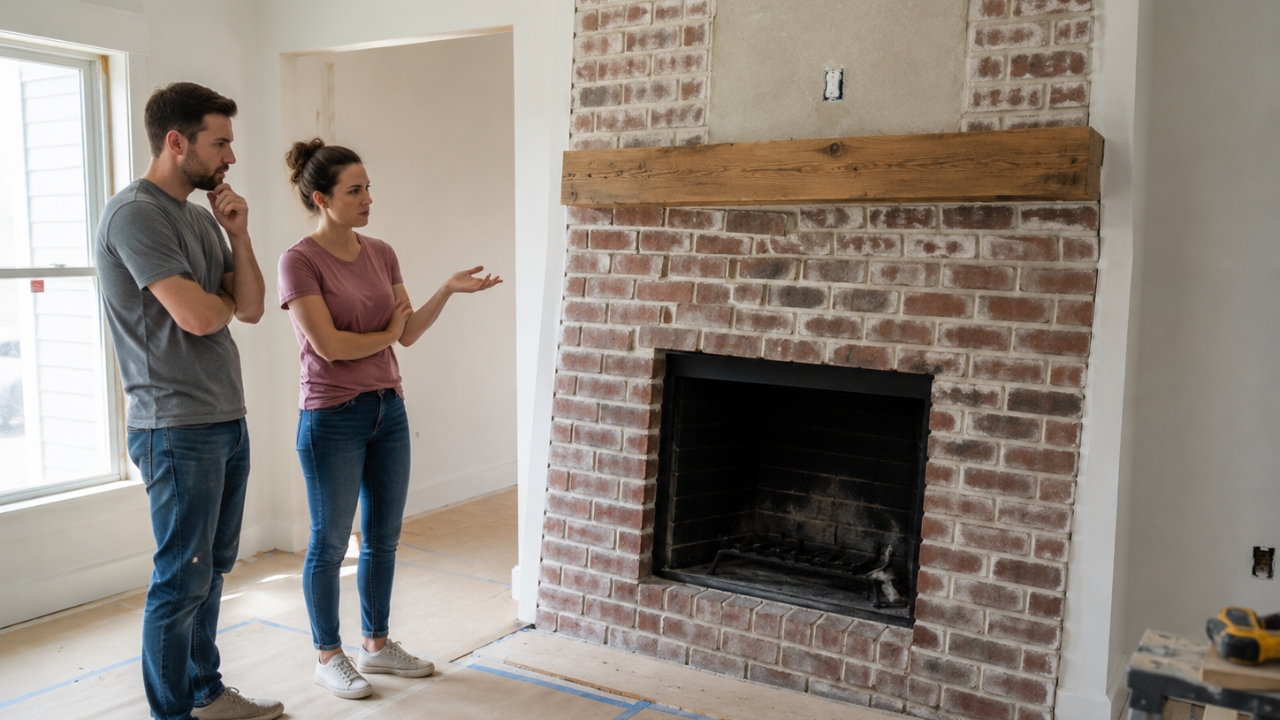
According to the buyer, the latest problem showed up around the fireplace. The builder had added brick around it, but the finished look immediately bothered them. The bricks on the side appeared slanted, the spacing looked uneven, and the top row looked larger than the bottom. To the buyer, it seemed like the fireplace itself may not have been centered correctly, which threw the whole brick layout off.
That might sound cosmetic at first, but cosmetic work is not meaningless in a new home. A fireplace is usually a focal point. It is something people look at every day from the living room, not a tiny flaw hidden in a closet. If the brickwork around it looks off before the buyers even move in, it is reasonable for them to wonder what else was rushed or ignored.
The buyer said the house was not cheap, and that made the sloppy work even harder to swallow. They had chosen a builder they believed had a good reputation. They were not expecting perfection in every tiny corner, but they were expecting basic workmanship to look clean, centered, and professional.
The fireplace was not the first issue either. The buyer said that every week they visited the house, they found another quality problem. They had already asked the builder to re-center lights that were noticeably off, fix crooked vent covers, and raise the fireplace because it had originally sat too low to fit the bottom row of bricks.
That pattern is what made the situation feel bigger than one ugly fireplace surround. One mistake can happen. Two issues can still be fixed. But when every visit brings another problem, buyers start worrying that the construction manager is not catching mistakes, the subcontractors are rushing, or the builder is hoping the buyers will accept work that should never make it to closing.
The buyer also seemed torn about how to handle it. They did not want to insult the developer or seem unreasonable. That is a common problem for first-time buyers. When you are building a house, you know there is a punch-list process. You know some things get corrected toward the end. But you may not know where the line is between normal construction cleanup and work that should be redone immediately.
In this case, commenters had very little patience for the idea that the buyer was being too picky. The brickwork around the fireplace drew strong reactions, with several users saying it was unacceptable and should be torn out and redone. The buyer’s instinct that something was wrong was not treated like nitpicking. It was treated like a valid concern on a house that likely cost a serious amount of money.
The bigger homeowner lesson is that new construction is not hands-off. Buyers sometimes imagine a new build like ordering a finished product and waiting for the keys. But a house is assembled by many trades, often under tight timelines, and the quality can depend heavily on the site manager, subcontractors, and how closely issues are caught before everything is covered, painted, and closed.
That is especially true in large developments where the same floor plans are going up over and over. One commenter who had built before said the construction manager makes a major difference. The buyer later replied that other homes in the same community with the same floor plan looked much better when handled by a different construction manager. That comparison made them feel even more convinced that their home was getting the weaker end of the process.
Several commenters urged the buyer to document every issue and put concerns in writing. That matters because verbal conversations can disappear fast once a builder starts pushing toward closing. Photos, emails, dates, and written punch lists give buyers a clearer record if the builder tries to brush off the problems later.
The timing also matters. Once a buyer closes, leverage can change. Some builders promise to handle items after closing, and many do honor punch lists and warranty repairs. But commenters warned the buyer not to let serious visible defects get pushed into a vague post-closing list if they were not comfortable with that. A crooked fireplace surround is much easier to demand before the final papers are signed than after furniture is in the room and the builder has moved on to the next house.
For this couple, the fireplace became the point where they stopped wondering if they were being dramatic. The work looked wrong. The pattern of issues was growing. And the house they were supposed to be excited about was turning into a weekly inspection of what had gone wrong next.
Commenters were overwhelmingly on the buyer’s side. Several said the fireplace brickwork looked unacceptable and should be removed and redone, not touched up or explained away. Others said the buyer should not worry about offending the builder because this was likely one of the biggest purchases of their life.
A number of users told the buyer to document everything with photos and written notes. They recommended emailing the builder after conversations so there would be a clear record of what was discussed, when it was raised, and what correction was expected.
Several commenters also warned the buyer not to wait until after closing for major fixes. They said a punch list is useful, but visible problems that bother the buyer before closing should be addressed before final acceptance whenever possible. Some suggested checking the contract for mediation or dispute procedures if the builder refused to fix the work.
Others pointed out that a builder is often managing many subcontractors, and the quality of the site manager can make or break the experience. The practical advice was to keep visiting, keep speaking up, keep records, and treat the construction process as active oversight instead of assuming a reputable builder will catch every sloppy detail on their own.