First-Time Homeowners Let a Plumber Tear Apart the Shower — Then Learned the Leak Was Somewhere Else
Photo credit: Surachet Jo/Shutterstock.com
A water leak can make a first-time homeowner feel like every decision has to happen fast. You hear water, see damage, or notice something spreading, and suddenly you are trying to trust whoever shows up with tools because you do not want the problem getting worse.
That is what one first-time homeowner described after hiring a plumber to find a leak, only to end up with a torn-apart shower and no real answer. They shared the situation in a Reddit post on r/HomeImprovement, asking what options they had after letting a plumber rip into the shower while searching for a leak he never found. The original Reddit post is here: https://www.reddit.com/r/HomeImprovement/comments/p2ov89/first_time_homeowners_stupidly_allowed_plumber_to/
According to the homeowner, they had water leaking into the ceiling below a bathroom. That is one of those problems that gets serious quickly because the source is not always obvious. It could be a drain, a supply line, a shower valve, failed caulk, a cracked shower pan, bad tile work, or water getting behind the wall every time someone showers.
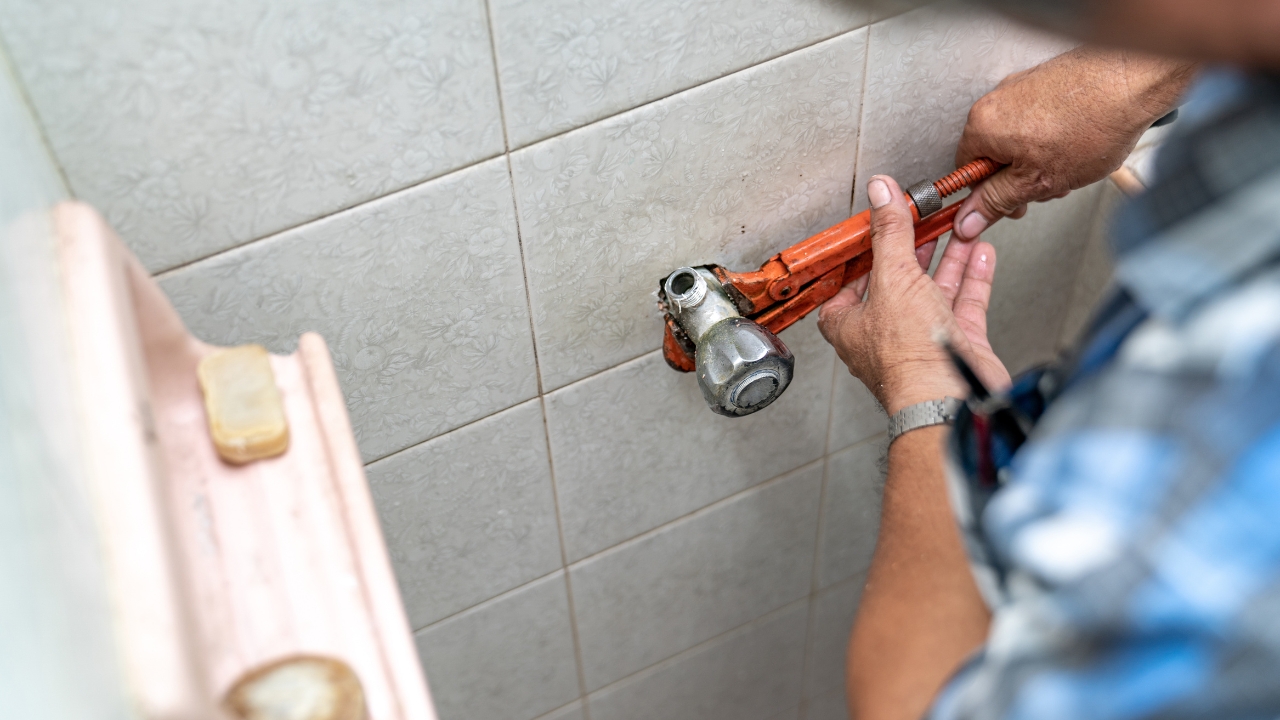
They called a plumber, expecting him to track down the problem and explain what needed to happen next. Instead, the situation turned into a mess. The plumber began tearing apart the shower area, looking for the source of the leak. The homeowner, being new to all of this, allowed it because they assumed that was the proper process.
But after all that damage, the plumber still did not find the leak.
That is where the regret hit. The homeowners were left with a ripped-up shower and no clear fix. Worse, they later discovered the leak was not coming from where the plumber had been tearing things apart. In other words, the destructive work had not solved the problem and may not have been necessary in the first place.
That is a painful lesson for any homeowner, especially the first time around. When you are new to owning a house, it is easy to assume a contractor or plumber knows exactly what they are doing. You do not want to be difficult. You do not want to slow down the repair. You do not want to question the person you hired. But when someone starts opening walls, removing tile, or damaging finished surfaces, the stakes change.
The homeowner’s frustration came from the fact that the plumber had caused damage while failing to diagnose the actual leak. They were not only worried about the plumbing issue anymore. Now they also had to figure out who should pay to repair the shower.
This is where leak detection gets tricky. Sometimes destructive access is necessary. A plumber may need to open a wall or ceiling to reach a pipe, inspect behind a valve, or confirm where water is traveling. But good communication matters. A homeowner should know what is being opened, why it needs to be opened, what the plumber expects to find, and who is responsible if the investigation does not reveal the source.
The story also shows how water can mislead people. A leak may appear in one place while starting somewhere completely different. Water can travel along framing, pipes, drywall seams, or subfloor materials before showing up below. That means the wet spot on a ceiling is not always directly under the leak source. The shower might seem guilty because it is nearby, but the actual issue could be a toilet seal, drain line, tub overflow, roof vent, or another fixture entirely.
For the homeowners, the damage was already done. They had to decide whether the plumber was responsible for tearing into the wrong area, whether they had approved the work enough that it was on them, and how to move forward without spending even more money on the wrong repair.
The thread became a practical reminder that homeowners should ask more questions before allowing destructive work. That does not mean standing over every tradesperson or assuming bad intentions. It means pausing when someone is about to cut, break, remove, or tear into finished parts of the house.
A few questions can save a lot of trouble. What evidence points to this area? Is there a less invasive way to test it first? Can we run the shower, fill the pan, test the drain, check the valve, or use moisture tools before opening anything? What happens if the leak is not there? Will you repair the damage you create? Is that in writing?
Those questions feel awkward in the moment, but they are easier than trying to rebuild a shower after the wrong area was torn apart.
Commenters were blunt that the homeowners should not let anyone keep tearing into the house without a clear explanation. Several users said the plumber should have performed more testing before opening up the shower, especially if the leak had not been confirmed to be coming from that area.
Some commenters suggested hiring a different plumber or leak detection specialist to properly diagnose the problem before doing any more demolition. Others mentioned that shower leaks can come from several places, including the drain, valve, pan, grout, caulk, or water escaping during normal use, so testing each possibility matters.
A few users said the homeowners may have a hard time getting the plumber to pay for the damage if they verbally allowed the work. Still, commenters encouraged them to document everything, take photos, save invoices, and contact the plumbing company’s owner or manager if the plumber worked for a larger business.
The strongest practical advice was to separate diagnosis from demolition. Before a wall, ceiling, or shower gets opened up, the homeowner should understand why that spot is being targeted and what proof supports it.