HGTV keeps swapping doors for this trend, but it kills privacy fast
On home makeover shows, you see it again and again: a solid door disappears and a sliding panel rolls into place, instantly making a room feel bigger and more stylish. The effect is photogenic, but once you live with it, the tradeoff between trend and privacy shows up fast. If you rely on doors to block sound, sightlines, and household chaos, you need to look past the camera-ready reveal and pay close attention to how these swaps actually perform.
Rather than copying what you see on screen, treat those TV renovations as a starting point and then adjust the idea for real life. That means asking where sliding barn doors, pocket doors, and Dutch doors work, where they fall short, and what to do if you already have one and feel overexposed.
How HGTV helped turn sliding doors into a must-have
During a home transformation, you are usually shown the reveal from the best possible angle, with the door open, the sightline clear, and the space looking larger than it did before. Sliding barn doors fit that moment perfectly, which is why you keep seeing them glide across screens as the “wow” detail that replaces a plain swing door. On social media, the enthusiasm is explicit, with posts asking, “Who doesn’t love a sliding barn door?” and inviting you to click through a short link to hg.tv for more images and ideas.
That kind of framing encourages you to think of a door as decor first and a privacy tool second. The visual drama of a big panel rolling across a wall can make a standard hinged door feel boring by comparison, particularly in open-plan living areas where every design choice is on display. When you only see the before-and-after shots and not the daily routine, it becomes easy to forget that a door’s job is not just to look good on camera, but to fully close, latch, and separate spaces when you need quiet or seclusion.
Why the barn door look clashes with real-world privacy
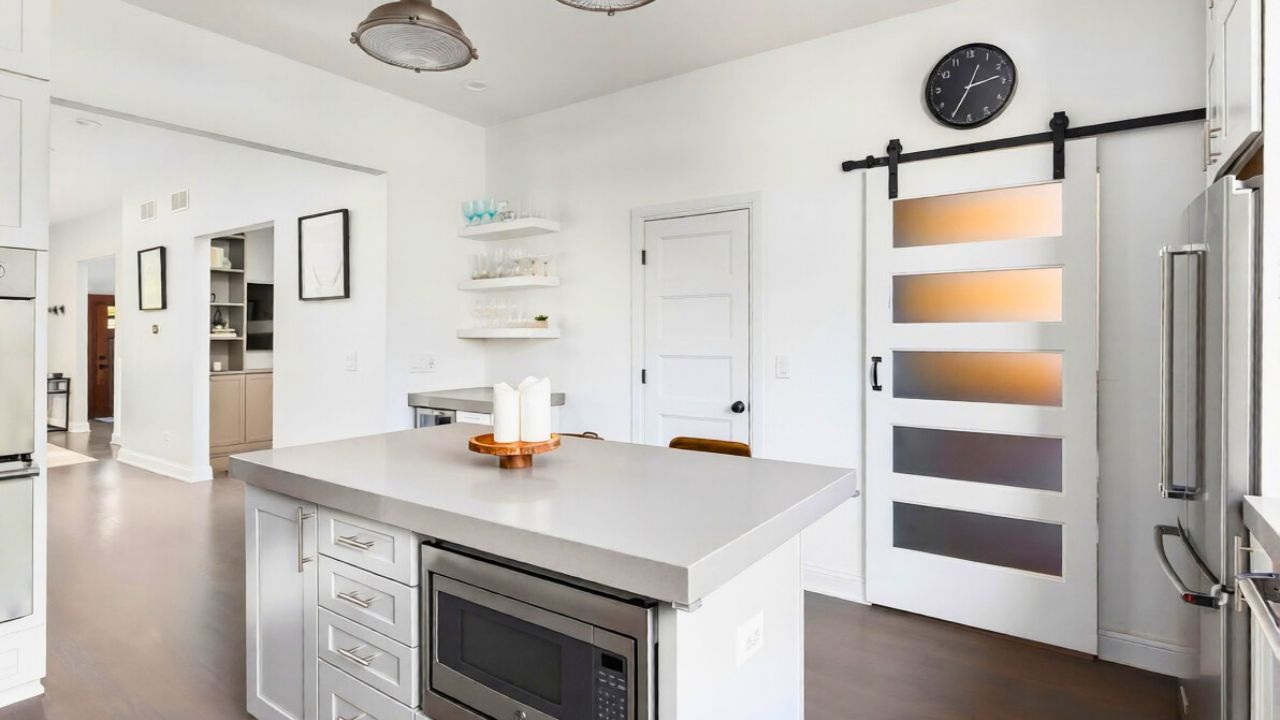
The most obvious problem with many barn door installations is the gap. Because the panel usually hangs slightly off the wall to clear trim and hardware, you are left with slivers of open space at the top, bottom, and sides. That is enough for light, cooking smells, and sound to slip through, which is why some frustrated homeowners bluntly complain that “Freaking barn doors offer no privacy” when they try to use them for bedrooms or bathrooms, as captured in one home improvement thread.
Movement is another concern. A sliding panel rarely has a traditional latch, so you cannot fully lock it, and even a simple bump can shift it along the track and open a gap. In a TV reveal, that loose, easy motion looks charming and casual. In your daily life, it can mean a child accidentally sliding open the bathroom while you are in it, or a guest feeling exposed in a room that never quite closes. The more you depend on a door to separate noisy or sensitive spaces, the more that casual hardware becomes a liability rather than a perk.
Where the trend started: social media, likes, and fast inspiration
Sliding doors did not just spread through full-length renovation episodes; they also traveled quickly through short clips, still photos, and comments that made the look feel universally loved. On one widely shared post, fans responded to the question “Who doesn’t love a sliding barn door?” with dozens of reactions, including a comment thread where a viewer named Rebecca A Brown chimed in and helped push the visible reaction count to 109. When you scroll through that kind of feedback, you are nudged toward the idea that everyone is on board and that a barn door is a safe, popular upgrade.
The visual format of these posts rewards dramatic change more than quiet function. A plain white hinged door does not generate comments, but a rustic panel on a black metal track does, especially when it is framed as a clever way to save floor space or add character. You are rarely shown the less glamorous side of living with the door, such as what it sounds like when it rattles on the track at night or how it feels to use a bathroom that never truly seals. That imbalance between inspiration and information is what can leave you surprised once the door is in your own hallway.
How 2026 door trends push you toward openness
If you pay attention to design forecasts, you are told that interior door trends in 2026 are “all about personal expression,” with an emphasis on mixing styles, experimenting with color, and revisiting older silhouettes. One roundup of Interior Doors Trends describes what is new, what is back, and what is out, and it treats sliding panels as part of a larger shift toward more flexible openings that blur the line between rooms. You are encouraged to see doors as a design statement and to swap them freely to match your taste.
That push toward expressive openings is not inherently bad, but it can quietly move you away from solid, latching doors that protect your privacy. When you are told that what is “New,” “Back,” and “Out” matters more than how a door actually performs, you can end up prioritizing glass panels, partial openings, or barn-style sliders in places that really need full coverage. Before you follow any 2026 trend list, decide which rooms in your home are non-negotiable privacy zones and treat their doors as functional infrastructure, not fashion.
Dutch doors and half-open ideas that charm more than they protect
Alongside barn doors, you are also seeing a resurgence of Dutch doors, which split horizontally so you can open the top while keeping the bottom closed. One editor described how, after writing about Dutch doors over the summer, she “couldn’t stop thinking about how much charm one would add” to her home, and how she was already planning where to put it and what color to paint it, as she shared in a set of new-year design goals. That kind of enthusiasm is contagious, especially if you love cottage style or want a more playful entry.
For privacy, though, a door that is designed to be half open is not ideal in many spots. A Dutch door in a kitchen or mudroom can be practical, letting you keep pets in while letting air and conversation flow. Put the same door on a bedroom or home office and you may feel like you are living on display, especially if family members treat the open top as an invitation to talk. When you adopt a TV-inspired feature like this, reserve it for spaces where visibility is a plus and where you are not relying on the door to block noise or sightlines.
Pocket doors: the hidden alternative with its own tradeoffs
If you like the idea of a door that disappears but worry about gaps, a pocket system can seem like a smarter option. Instead of sliding along the wall, the panel tucks into a cavity inside the wall, so when it is closed it can sit more snugly in the frame. One contractor-focused guide describes how a Pocket Door is “an excellent option when space is limited” or a regular swinging door is awkward, and it highlights how you can reclaim valuable floor area in tight rooms.
That same guide also warns that pocket doors have their own maintenance and privacy challenges. Because the hardware is hidden inside the wall, problems with rollers or tracks can make the panel dislodged or difficult to slide, and repairs often involve opening the wall itself. You can add latches and better seals, but you still need to accept that a pocket door rarely blocks sound as well as a solid, hinged slab. If you are thinking about one for a bathroom or primary bedroom, weigh the convenience of extra floor space against the cost and complexity of keeping the door smooth, secure, and quiet.
What privacy actually means inside your home
When you evaluate any door trend, be clear about what “privacy” means for you and your household. In some rooms, you might only need visual separation, like blocking a messy pantry from view. In others, such as a shared bathroom or a teenager’s bedroom, you probably need a door that locks, seals tightly enough to muffle conversation, and does not shift open if someone brushes past it. Sliding panels that float off the wall or half-height doors that invite interaction simply do not meet that standard, no matter how stylish they look on screen.
It also helps to think about privacy in layers. A barn door on a laundry closet off a hallway might be perfectly acceptable, especially if you pair it with a solid door on the bedroom beyond. The trouble starts when every interior opening becomes an opportunity for a statement piece and you gradually replace multiple latching doors with sliders or partial openings. Over time, that can turn your home into a series of loosely separated zones where sound and sightlines travel freely, leaving you with fewer places to retreat, concentrate, or sleep without interruption.
How to push back on the trend without giving up style
You do not have to choose between a magazine-worthy home and basic privacy. Instead, borrow the parts of the sliding-door trend that truly help you, such as space saving in a tight hallway, and then adapt the details. That might mean adding soft-close hardware, brush seals, and a floor guide to a barn door so it hugs the wall more closely, or specifying a pocket door with a privacy latch and solid-core construction instead of a hollow, rattling panel. When you treat the door as a piece of working hardware first, you can still enjoy the look without the constant sense that someone might walk in on you.
You can also redirect your design energy toward doors that keep their full function. Trend reports that highlight what is “New,” “Back,” and “Out” for interior doors are often produced by companies that also showcase their work on social channels, such as Builders Surplus posting finished entryways or sharing ideas on Twitter, Pinterest, and Houzz. Use that inspiration to choose richer paint colors, upgraded hardware, or paneled designs for standard swing doors, keeping the privacy benefits while still refreshing the look of your rooms.
What to check before you copy a TV door swap
Before you remove any existing door, walk through a simple checklist. Ask yourself who uses the room, at what times of day, and whether they need to lock it or simply close it. Stand in the hallway and consider what someone can see and hear if the door has gaps at the sides or top. Think about how a sliding panel would interact with nearby furniture, light switches, and artwork, and whether it would block a thermostat or a wall outlet when open. If a door is near an exterior entry, remember that a glass or half-height design can also expose you to outside views, something that privacy policies from media companies such as the ones behind HGTV quietly remind you to consider in their broader discussions of personal data and exposure.
You can also learn from how streaming platforms present these renovations. When you watch a makeover on a dedicated app such as Watch HGTV or navigate through its live and on-demand menus, you are seeing spaces that have been carefully staged, lit, and edited. The camera often glides past doors without lingering on how they latch or how much noise leaks through. If you treat those segments as advertising for an idea rather than a full demonstration of how it works, you can enjoy the inspiration while still doing your own due diligence at home.
Like Fix It Homestead’s content? Be sure to follow us.
Here’s more from us:
- I made Joanna Gaines’s Friendsgiving casserole and here is what I would keep
- Pump Shotguns That Jam the Moment You Actually Need Them
- The First 5 Things Guests Notice About Your Living Room at Christmas
- What Caliber Works Best for Groundhogs, Armadillos, and Other Digging Pests?
- Rifles worth keeping by the back door on any rural property
*This article was developed with AI-powered tools and has been carefully reviewed by our editors.