Homeowner Gets a $6,900 Quote After Raccoons Trash the Attic — Then Wonders If the Cleanup Price Is Fair
Photo credit: janr34/Shutterstock.com
Hearing animals in the attic is one of those homeowner problems that starts out sounding small until somebody actually looks up there. A little scratching overhead can turn into chewed entry points, ruined insulation, droppings, urine, and the sinking realization that whatever moved in has been living there longer than you thought.
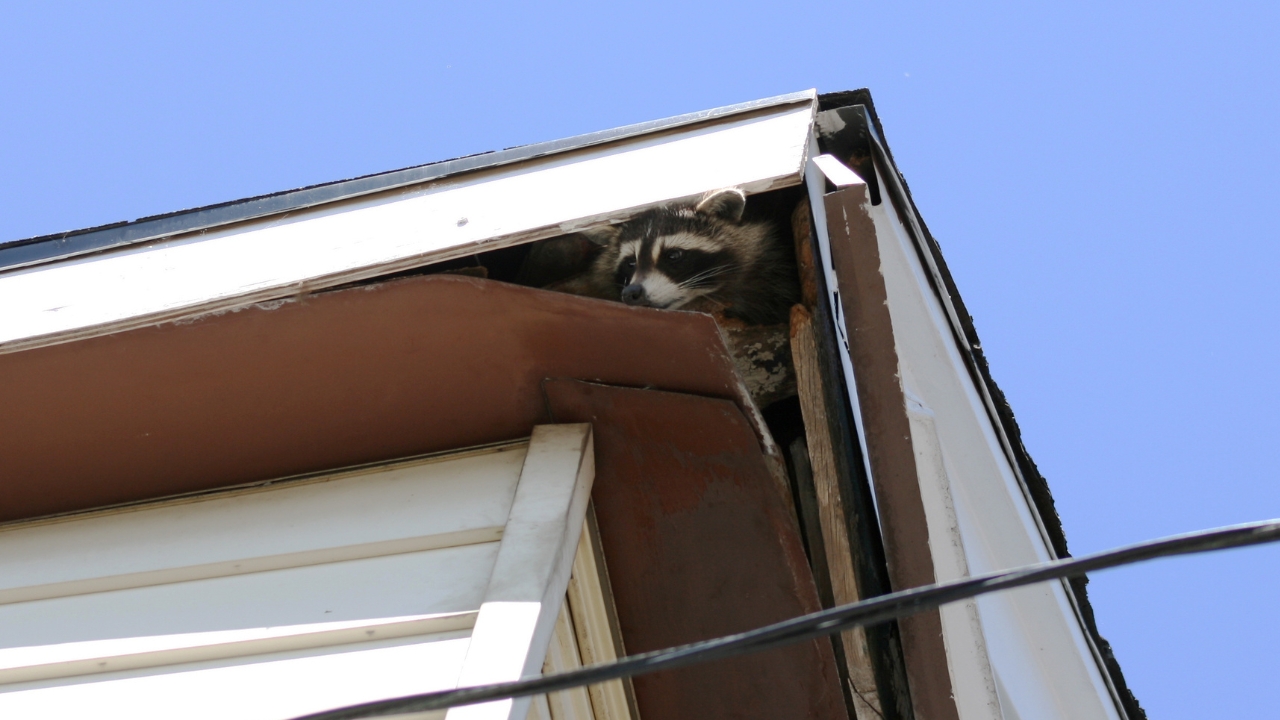
That is what one homeowner described after calling a pest control company for noises in the attic and finding out raccoons had been going in and out of the house. They shared the situation in a Reddit post on r/homeowners, asking whether a $6,900 quote for cleanup, disinfection, insulation replacement, and repairs sounded reasonable. The original post is here: https://www.reddit.com/r/homeowners/comments/1h7f740/attic_remediation_from_raccoons/
According to the homeowner, the pest control company confirmed that raccoons were getting into the attic and tearing up the insulation. That alone would be frustrating, but the photos and inspection made it sound like the animals had done plenty of damage already. The raccoons had been peeing and leaving droppings in the attic, and based on what the company saw, they believed the animals had been up there for a while.
The homeowner had already approved trapping the raccoons. That was the first step, but it was not the expensive part. The larger quote came after the company explained what needed to happen once the raccoons were out. They quoted $6,900 to clean up the droppings, disinfect the attic, remove the old insulation, install new pest-resistant insulation, and patch the place where the raccoons were getting in.
The house was about 1,500 square feet, and the homeowner said they lived in the Southeast outside a small city in what they considered a medium-cost-of-living area. That made the number harder to judge. In some places, attic work gets expensive fast, especially if insulation is being removed and replaced. But $6,900 is still a big enough quote to make most homeowners pause before signing.
The homeowner was stuck between two very normal reactions. Part of them wanted to approve the work and get the contaminated insulation out of the house as soon as possible. Nobody wants to sit around knowing there is raccoon waste overhead, especially if the smell, parasites, or air quality are a concern. But they also did not want to overpay simply because the situation felt urgent.
That urgency is exactly where animal damage can get tricky. Once a homeowner hears “raccoon droppings,” “disinfect,” and “replace insulation,” it can feel like something that needs to be handled that day. But fast decisions can cost real money if the first quote is high or if the scope is missing important details.
Several commenters zeroed in on that scope of work. If a company is already removing all the insulation, the attic will be exposed in a way it usually is not. That can be the right time to address air leaks, check the vapor barrier, improve sealing, and make sure the entry points are truly fixed. Otherwise, a homeowner could spend thousands replacing insulation while still leaving gaps, leaks, or weak spots that cause future problems.
That was one of the homeowner’s follow-up questions. After a commenter asked whether the quote included sealing the vapor barrier, the homeowner said they would need to look at the actual quote because they did not remember that being mentioned during the walkthrough. That is the kind of detail that matters. Two quotes can have the same price and mean very different things depending on whether they include air sealing, exclusion work, waste removal, insulation depth, disposal, cleanup, and follow-up.
Insurance came up as well, but the homeowner said their policy did not appear to help. They had looked into it and said vermin damage was not covered. They even mentioned that their policy specifically covered damage from deer or bears, which felt odd compared with raccoons. That left them weighing the cost as an out-of-pocket repair.
Other homeowners in the discussion had been through similar problems and gave a wide range of numbers. One commenter said they had paid $350 for trapping, $1,300 for attic remediation, and then handled some of the remaining work themselves. They thought $6,900 sounded high and told the homeowner to get more quotes. Another person who said they did this type of work regularly estimated that a house between 1,000 and 2,800 square feet might often land around $3,500 to $4,000 for cleaning and vapor barrier work, with larger homes costing more.
That did not automatically mean the homeowner’s quote was wrong. Every attic is different. Access, contamination, insulation type, local labor costs, disposal needs, exclusion repairs, and whether the company is doing a true full-service job can all change the price. But the thread made one thing clear: when the estimate is nearly $7,000, it is worth knowing exactly what is included before moving forward.
For this homeowner, the real issue was not only the raccoons. It was the cleanup after them. Getting animals out is one part of the job. Restoring an attic so it is not contaminated, vulnerable, or easy to re-enter is another. And once the insulation is damaged by urine and droppings, the repair can turn into one of those expensive home projects nobody planned for and nobody can see from the living room.
Commenters mostly encouraged the homeowner to get more quotes before agreeing to the full $6,900 job. Several people said that price sounded high enough to compare against other pest, remediation, and insulation companies, especially since the homeowner was paying out of pocket.
A few users focused on the attic details that should be included in a proper cleanup. They mentioned removing contaminated insulation, sealing air leaks while the attic is open, checking the vapor barrier, disinfecting, treating for fleas or ticks, and making sure the raccoons’ entry point is completely closed. One commenter also warned the homeowner to figure out how the raccoons were reaching the attic in the first place, including overhanging branches or climbing routes.
Others brought up insurance, though the homeowner said their policy did not appear to cover this type of vermin damage. A couple of commenters shared their own animal-remediation costs, and those examples made the original quote look high to some users.
The most useful advice was to slow down enough to compare quotes but not so long that the attic stayed contaminated and open to more animals. In other words, do not let the urgency push you into a bad price, but do not ignore raccoon damage once it is confirmed either.