Homeowner Hires a Surveyor and Finds the Neighbor’s Driveway Paved Several Feet Onto Their Land — Then the Neighbor Drains a Pool Into the Yard, Blows Snow Onto the Garage Roof, and Repaves Over the Boundary Marker
Photo credit: AI-generated image created using ChatGPT. Illustrative only.
It started with pavement. Not a fence in the wrong spot, not a tree hanging over the line—just a driveway that suddenly looked a little wider and a little more ambitious than before.
A Massachusetts homeowner laid it out in the original post: the neighbors moved in a few years back and quickly repaved their driveway, flaring out the end to make the climb up to their house “less steep/curved.” The homeowners suspected the new edge crossed onto their property, so they paid for a survey. The surveyor confirmed it—several feet of that driveway was sitting on land that wasn’t theirs.
The driveway got bigger, and the line stopped feeling theoretical
Property lines can feel abstract until someone pours asphalt like the boundary is negotiable. In this case, the homeowners didn’t just eyeball it and start a shouting match. They went and hired a surveyor, then learned their instincts were right.
Once you’ve got a professional survey, the issue stops being “neighbor disagreement” and starts being “someone built on my parcel.” And that’s where the stress creeps in: if you let it sit, does it become harder to fix later? If you push too hard, does it turn into a daily war?
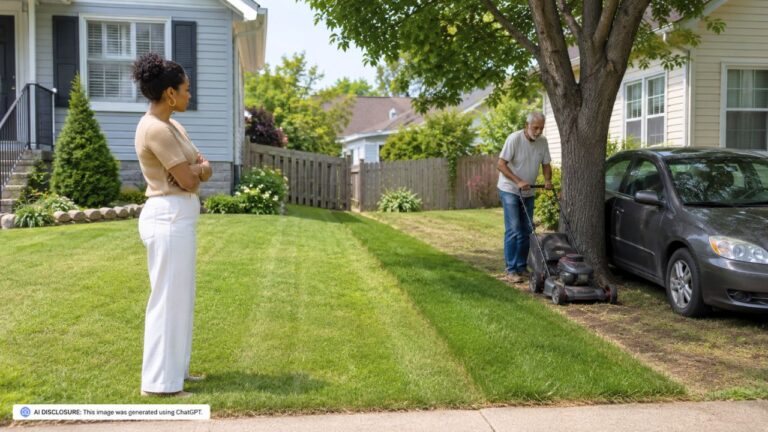
The homeowners said they asked the neighbors to remove the portion that was over the line about a year ago. Nothing changed. The driveway stayed put, solid and usable, like it had always belonged there.
It wasn’t just pavement—other small invasions piled up
The driveway might have been the clearest violation, but it wasn’t the only thing making the homeowners feel like their space was being treated as overflow.
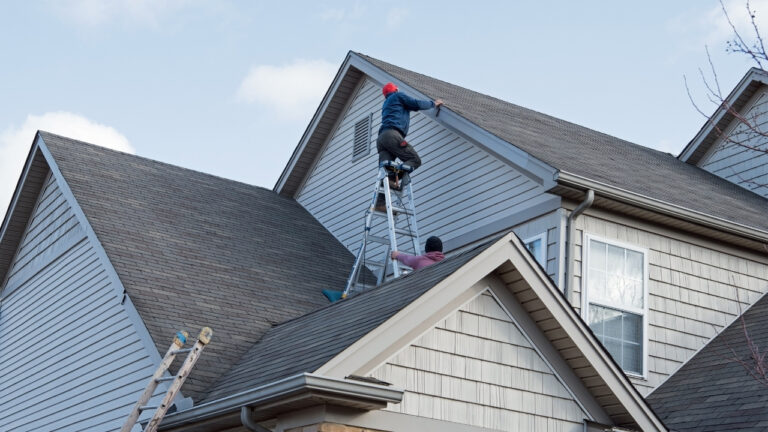
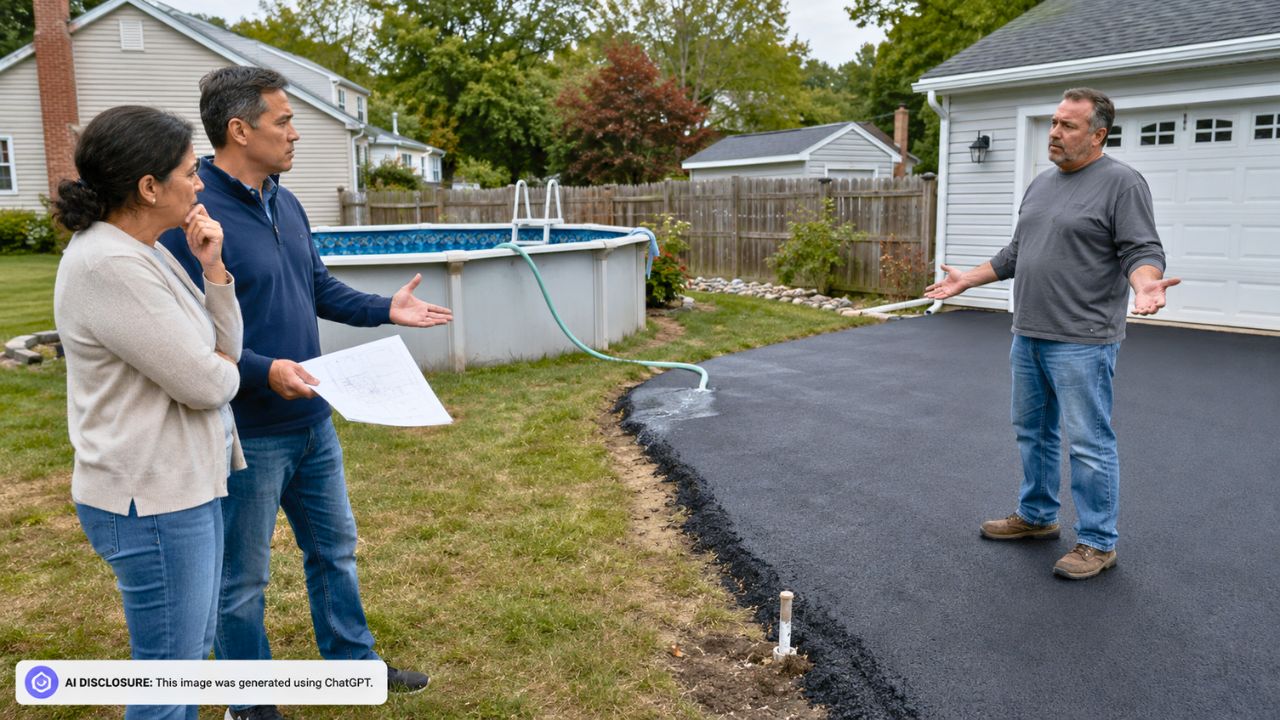
They described the neighbors draining a pool into their yard. They said snow from the neighbors’ driveway was being blown onto their garage roof. Layer those on top of “overall rude,” and you get that familiar homestead headache: the problem isn’t one event, it’s the pattern.
Each one on its own might be shrugged off as a one-time lapse. Together, they read like a neighbor who has decided the easiest route is to use someone else’s property as the buffer—extra drainage, extra snow storage, extra pavement—until the other side gives up.
The repaving was the moment the dispute escalated
Then came the day that made it feel less like neglect and more like a deliberate move. The homeowners spotted the driveway being repaved again, and this time it covered the land marker “again,” according to their account.
That word—again—does a lot of work. It suggests the property marker had been visible after the survey work, then got buried under asphalt in a way that didn’t feel accidental. For a homeowner trying to protect a boundary, watching a marker disappear is like watching someone paint over your name on the mailbox.
They called the police. But the answer they got wasn’t a crew coming out to peel back fresh pavement. The homeowners reported the neighbors’ response to police was basically: “that’s how the driveway was when we got here, they can take us to court if they want.”
So the homeowners were left standing in their yard with a survey, a covered marker, and the same driveway—now even more “finished”—sitting several feet into their land.
The backhoe temptation—and the fear of making it worse
The question they asked was blunt and very homeowner-brained: can we just remove it ourselves?
In other words, if it’s on my property, can I bring in a backhoe and reclaim my land the loud, fast way? That’s the kind of thought you have when you feel ignored for a year and then watch someone repave like your request never happened.
But anyone who has lived next to a boundary bully knows the trap. The day you take equipment to shared-adjacent space is the day the conflict stops being paperwork and starts being physical. Even if you’re right about the line, tearing up a driveway can trigger counterclaims, emergency calls, and a mess of “who damaged what” arguments.
There’s also the practical reality: once you start removing asphalt, you’re not just removing an encroachment. You’re creating a construction zone at the exact point where two households already don’t get along. Dust, noise, broken edges, drainage changes, potential access issues—everything becomes a new battlefield.
What people told them: treat it like a paperwork war, not a shovel fight
The post itself didn’t include a full comment thread in the material shared here, but this kind of dispute tends to draw the same practical, lived-in advice from experienced homeowners: document everything and don’t self-help your way into liability.
When you’re dealing with a neighbor who says “take us to court,” the subtext is that they’re betting you won’t. And repaving over a marker reads like someone who wants the line to be harder to point at later.
In these moments, the fix-it mindset shifts from tools to records. People often urge homeowners to keep copies of the survey, take dated photos of the driveway edge and the affected marker area, and communicate in writing so the timeline is clear. The goal isn’t to win an argument on the porch—it’s to build a clean history of notice, refusal, and continued encroachment.
There’s also a safety angle underneath the drama. Snow being blown onto a garage roof isn’t just annoying; it can mean ice load, uneven melt, and surprise slides. Pool water dumped into a yard isn’t just rude; it can flood low spots, move sediment, and mess with drainage that might already be marginal in spring. Even without visible damage, it’s the kind of repeated behavior that makes homeowners feel like they need to defend their property line before the property itself starts paying the price.
Living next to someone who won’t respect “no”
The hardest part of stories like this is that the line in the soil is the easy piece. A surveyor can find it. A marker can show it. The human problem—getting someone to care—doesn’t come with a neat measurement.
The homeowners aren’t just looking at a few feet of pavement. They’re looking at a neighbor who ignored a request for a year, then improved the driveway again and erased the visible sign of the boundary. Add the pool draining and the snow blowing, and it’s clear why they’re thinking in heavy machinery terms.
For now, the driveway remains where it is: partially on land the homeowners say is theirs, newly repaved, and sitting right on top of the kind of marker that’s supposed to prevent exactly this sort of dispute. Whether this ends with a formal demand, a negotiated fix, or a courtroom fight, it already has the feel of a long-haul neighbor standoff—one where every future home project near that edge of the yard will come with a question: is this going to be respected, or covered up again?
Like Fix It Homestead’s content? Be sure to follow us.