Homeowner Notices Mold and Moisture Weeks After Closing — Then a Hidden Foundation Problem Starts Looking Expensive
Photo credit: Fix It Homestead
A newly purchased house can make every odd smell, damp spot, and stain feel suspicious. Some of that is normal new-home nerves. You are learning the place, figuring out its quirks, and discovering what the sellers left behind. But when moisture and mold start showing up only weeks after closing, those nerves can turn into a much bigger concern.
That is what one homeowner described after buying a house and quickly realizing something was wrong underneath it. They shared the situation in a Reddit post on r/HomeImprovement, asking whether they had any legal recourse after a foundation issue was not found during inspection. The original Reddit post is here: https://www.reddit.com/r/HomeImprovement/comments/w7tqjj/bought_a_home_and_foundation_issue_was_not_found/
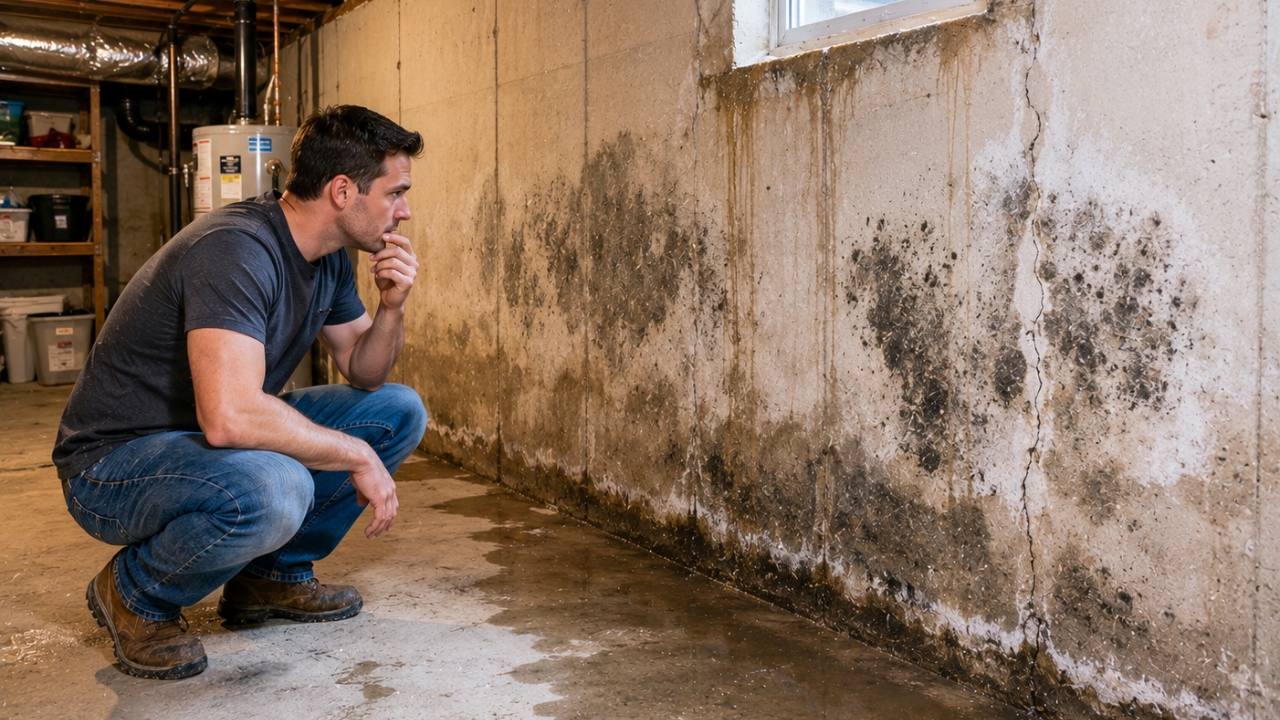
According to the homeowner, they had purchased the house and then started noticing mold and moisture problems not long afterward. The timing alone made the situation frustrating. They had just gone through the buying process, hired an inspector, and trusted that the major issues had been caught before closing. Instead, they were now looking at a problem tied to the foundation area.
Foundation trouble is one of those phrases that can make a homeowner’s stomach drop because it rarely sounds cheap. Sometimes it turns out to be minor grading, drainage, or moisture control. Other times it means structural repairs, waterproofing, excavation, support work, or a long fight over what should have been disclosed before the sale.
The homeowner’s concern was that the inspection had not found the problem. That raised the natural question: should the inspector have caught it? A lot of buyers assume a home inspection is a broad safety net. If something major is wrong, they expect it to be listed in the report. But inspections have limits, especially when problems are hidden behind finished walls, under flooring, behind insulation, or in areas that were not easily visible at the time.
That does not make the buyer’s frustration any less real. Mold and moisture are not cosmetic inconveniences. If water is getting into a foundation or basement area, it can affect framing, air quality, stored belongings, flooring, drywall, and the long-term condition of the house. If mold is already visible, the problem may have been around longer than the homeowner realized.
The situation also raised questions about the seller. If the mold or foundation moisture was present before closing and the seller knew about it, that could matter. But proving that is the hard part. A buyer may feel certain the issue did not appear overnight, especially if mold is involved. Still, the legal question usually comes down to whether the seller knew, whether they were required to disclose it, and whether there is evidence showing concealment or misrepresentation.
The homeowner seemed to be looking for a way to hold someone accountable, which is understandable after finding a potentially expensive problem right after buying a house. But the thread showed how quickly those hopes can run into practical limits. Inspectors are often protected by contract language that limits liability. Sellers may deny knowing anything. And foundation or moisture issues can be blamed on drainage, weather, grading, maintenance, or conditions that became obvious only after closing.
That leaves the homeowner with two battles: figuring out what the house actually needs, and then deciding whether anyone else can realistically be pursued for the cost.
The first battle is usually the most urgent. Before a homeowner can argue about recourse, they need a clear diagnosis. Is water entering through cracks? Is exterior grading pushing runoff toward the house? Are gutters dumping water near the foundation? Is the crawlspace or basement poorly ventilated? Is there a missing vapor barrier? Is the foundation structurally damaged, or is the main issue moisture management?
Those answers matter because the repair path can vary wildly. One contractor may recommend full waterproofing. Another may suggest gutters, downspout extensions, regrading, and a dehumidifier. A structural engineer may say the foundation is stable but needs drainage improvements. A mold company may focus on cleanup without fixing why moisture got there in the first place.
For a new homeowner, it is easy to get overwhelmed by every estimate and opinion. But with foundation and moisture issues, rushing into the biggest quote is not always the best move. A clear inspection from the right specialist can separate what is urgent from what is repairable over time.
The lesson here is hard but useful: when buying a house, moisture clues matter. Musty smells, fresh paint in one area, stored items blocking walls, unusually placed dehumidifiers, damp basement corners, patched foundation cracks, or inaccessible crawlspaces should all slow a buyer down. A general inspection can help, but a foundation or drainage concern may need a specialist before closing.
For this homeowner, the damage had already been discovered after the sale. Now the focus had to shift toward documentation, repair estimates, and figuring out whether the inspection report or seller disclosures left any real path for recourse.
Commenters were realistic about the difficulty of going after an inspector or seller. Several said the homeowner needed to read the inspection agreement carefully because many inspectors limit their liability, sometimes to the cost of the inspection itself.
A number of users pointed out that proving the seller knew about the foundation or moisture issue would be difficult without evidence. Helpful proof might include old repair invoices, prior inspection reports, disclosure statements, neighbor comments, photos from the listing, or signs that damage had been painted over or hidden.
Others encouraged the homeowner to get the foundation and moisture issue evaluated by the right professionals before assuming the worst. Several said a structural engineer, foundation specialist, or drainage expert could help identify the actual cause instead of relying only on a mold or waterproofing company’s sales pitch.
The strongest practical advice was to document everything from the start: photos of mold and moisture, dates when the issue appeared, copies of the inspection report, seller disclosure forms, contractor estimates, and written professional opinions. Even if legal recourse turns out to be limited, a clear record helps the homeowner make better repair decisions and protects them if the issue becomes part of a future insurance, contractor, or disclosure dispute.