Buyer Finds Mold in the Attic Before Closing — Then the Roof, Walls, and Remediation Questions Get Serious
Photo credit: Fix It Homestead
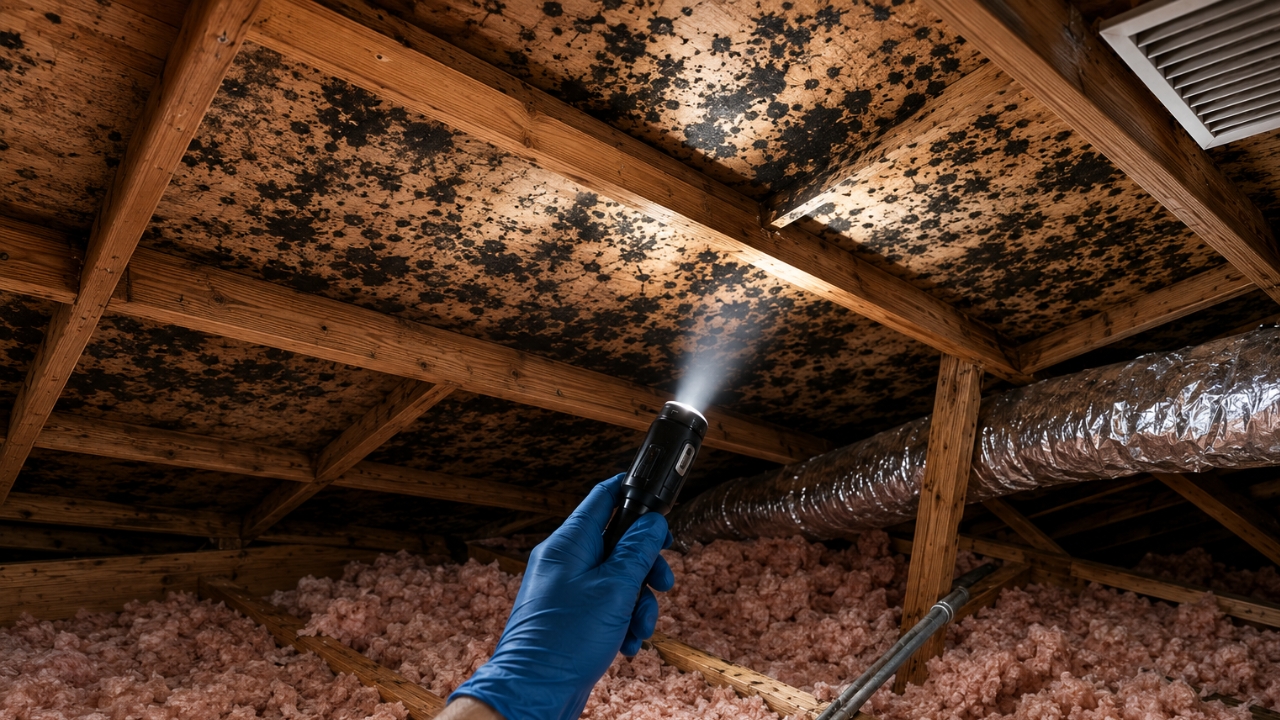
Finding mold during a home purchase has a way of changing the whole mood. One minute, buyers are picturing furniture placement, paint colors, and moving boxes. The next, they are wondering if the roof has been leaking, if the ventilation is wrong, if the attic needs remediation, and whether the house is still worth buying at all.
That is the situation one buyer described after mold was found in the attic of a house they wanted to purchase. They shared the concern in a Reddit post on r/HomeImprovement, asking how serious the issue might be and what they should do before moving forward. The original Reddit post is here: https://www.reddit.com/r/HomeImprovement/comments/eumz3a/mold_found_in_attic_in_house_we_want_to_buy/
According to the buyer, the mold was discovered before closing, which was the one piece of good news in an otherwise stressful situation. Finding a problem during the inspection period is very different from finding it six weeks after moving in. Before closing, buyers still have leverage. They can ask questions, request repairs, negotiate credits, bring in specialists, or walk away if the risk feels too high.
But mold in an attic is not something most buyers know how to evaluate on their own. It can be caused by several different issues, and not all of them carry the same level of concern. Sometimes attic mold comes from poor ventilation, especially if warm, moist household air rises into a cold attic and condenses on the underside of the roof decking. Other times it can point to a roof leak, bathroom fans venting into the attic, clogged soffits, blocked vents, or past water intrusion that was never fully handled.
That uncertainty is what makes attic mold so unsettling. The buyer was not only asking, “Can the mold be cleaned?” They were really asking, “Why is it there in the first place, and will it come back after we buy the house?”
That is the question that matters most. A remediation company can treat visible growth, clean surfaces, and sometimes seal or encapsulate affected materials. But if the source of moisture is still active, the mold can return. In an attic, that source might be a hidden roof problem, an insulation issue, or a ventilation setup that keeps trapping humid air.
For buyers, attic mold can also create a negotiation problem. Sellers may want to fix it as cheaply as possible just to keep the sale moving. Buyers may want a full investigation because they will be the ones living with the result. A seller’s quick cleaning might satisfy a contract deadline, but it may not fix the roof, venting, or moisture issue that caused the mold.
That is why many commenters urged the buyer to bring in the right professionals before agreeing to anything. A general home inspector can point out visible mold, but a roofer, mold remediation professional, or attic ventilation specialist may be needed to understand the actual cause. If bathroom fans are dumping humid air into the attic, that needs to be corrected. If the roof deck is stained from old leaks, a roofer should inspect the shingles, flashing, vents, and roof penetrations. If insulation is blocking airflow at the soffits, that is a different repair.
The buyer also needed to think about how the mold would affect financing or insurance. Some lenders and insurers may have questions if mold is noted in the inspection report, depending on the extent of the issue and whether repairs are completed before closing. Even if the mold itself is treatable, the paper trail can matter.
Then there is the resale concern. If the buyers purchased the house and later sold it, they might need to disclose a known attic mold issue and explain how it was corrected. That is not necessarily a dealbreaker, but it does mean the fix should be documented clearly. A vague “seller had it cleaned” is not as reassuring as written records showing the cause was identified, repairs were completed, and the attic was properly remediated.
The buyer was smart to ask questions before moving forward. Too many people get emotionally attached to a house and try to minimize problems because they do not want to lose it. But mold is one of those issues where slowing down is not overreacting. It is basic self-protection.
The important thing is not to panic or ignore it. Attic mold can often be fixed, especially when caught before major structural damage occurs. But the repair needs to be more than wiping away stains. The moisture source has to be found, the damaged or affected materials need to be addressed properly, and the buyer needs documentation before closing.
For this buyer, the attic mold turned a promising home purchase into a decision point. They could still move forward, but only if they understood what caused the mold, what it would cost to fix, and whether the seller was willing to handle it the right way before the sale closed.
Commenters mostly told the buyer not to rely on a quick seller repair without understanding the cause. Several users said attic mold often points to poor ventilation, bathroom exhaust fans venting into the attic, roof leaks, or condensation problems. If those issues remain, cleaning the mold alone will not solve much.
A number of commenters recommended bringing in specialists before closing. Some suggested a roofer to check for active leaks, while others recommended a mold remediation company or someone familiar with attic ventilation. The buyer needed more than a general reassurance that the mold could be treated.
Several users also said the buyer should negotiate carefully. Instead of letting the seller hire the cheapest company and call it done, commenters suggested asking for money back, a closing credit, or repairs performed by a qualified contractor with documentation.
The strongest advice was to treat the mold as a symptom, not the whole problem. The attic needed to be inspected for moisture, ventilation, roof issues, and exhaust problems before the buyer could know whether the house was still a smart purchase.