How to Raise Chickens Without Losing Your Mind (or Your Garden)
Raising chickens sounds like a good time—fresh eggs, happy birds, a little slice of farm life right in your backyard. But if you’re not ready, it can turn into a messy, stressful headache faster than you’d think. Chickens are low-maintenance once you’ve got a system, but they’ll wreck a garden, make a mess, and test your patience if you don’t stay ahead of things.
Here’s how to keep your flock healthy, your garden safe, and your sanity intact—all without overcomplicating it.
Build a Fence Before You Bring Home Birds
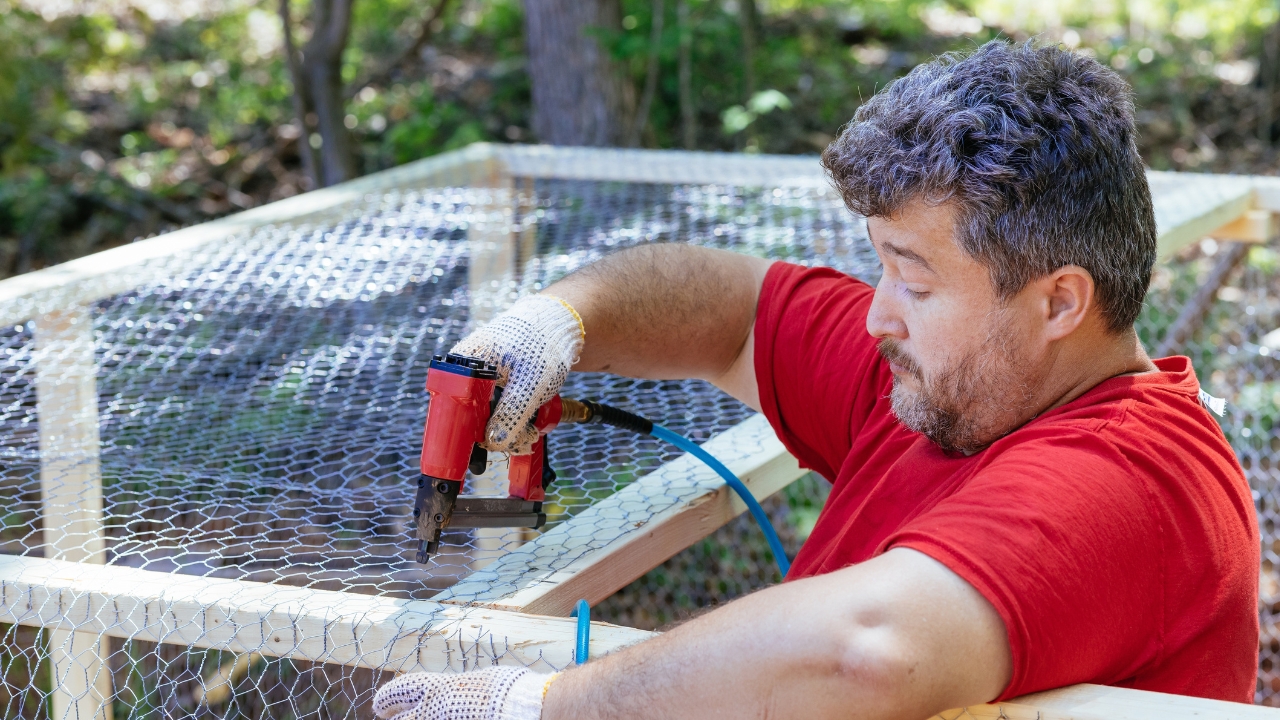
If you wait until your chickens are already pecking around the yard to think about fencing, you’re already behind. Chickens will go where they please, scratch up every bed, and dig holes like they’re on a mission. A good fence keeps your sanity intact.
You don’t need Fort Knox, but you do need something sturdy. Chicken wire works for keeping them out of the garden, but go stronger if you’ve got predators around. Set clear boundaries from day one—it’s a whole lot easier than trying to fix the mess later.
Know That Free-Range Comes With a Price
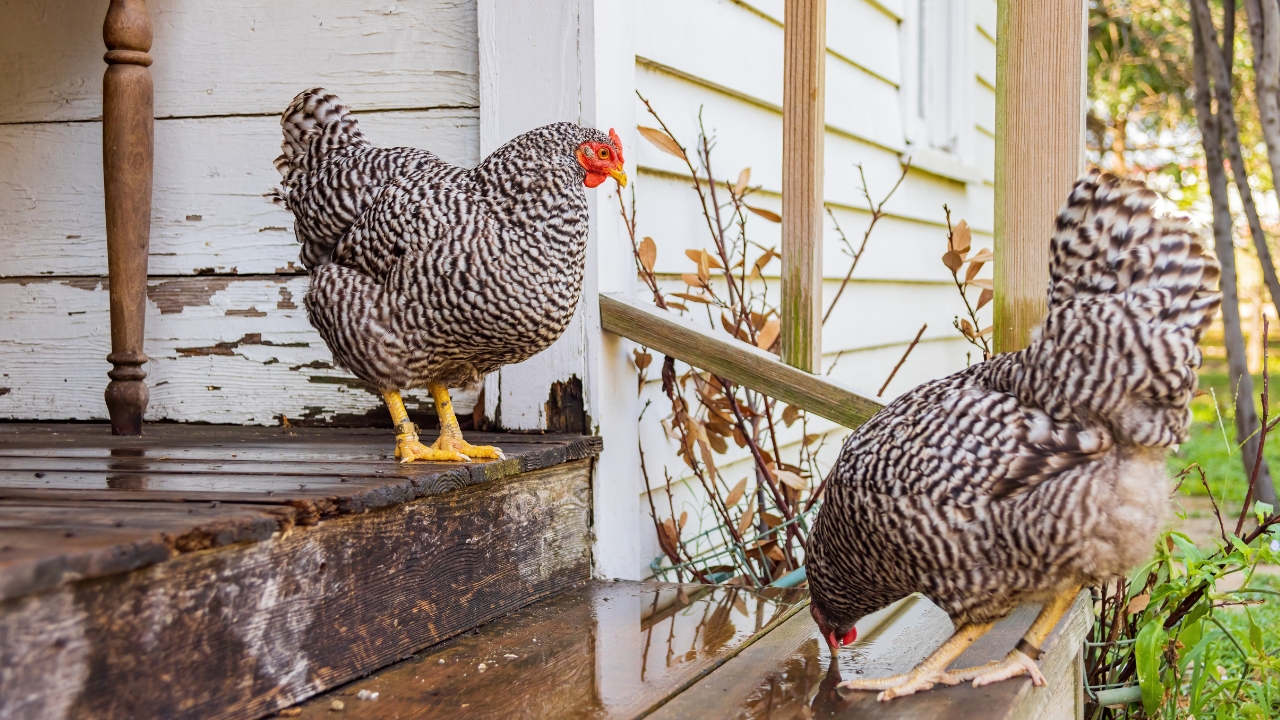
Letting your chickens roam sounds nice, but there’s a trade-off. They’ll eat bugs, sure—but they’ll also eat your tomatoes, flowers, and anything else they find. If it’s not nailed down, it’s fair game.
If you want the benefits without total destruction, try supervised free-ranging or a chicken tractor. That way, you control where they forage and where they don’t. Free-range isn’t all it’s cracked up to be unless you’re okay with a yard full of holes and missing vegetables.
Keep Feed and Water Outside the Coop
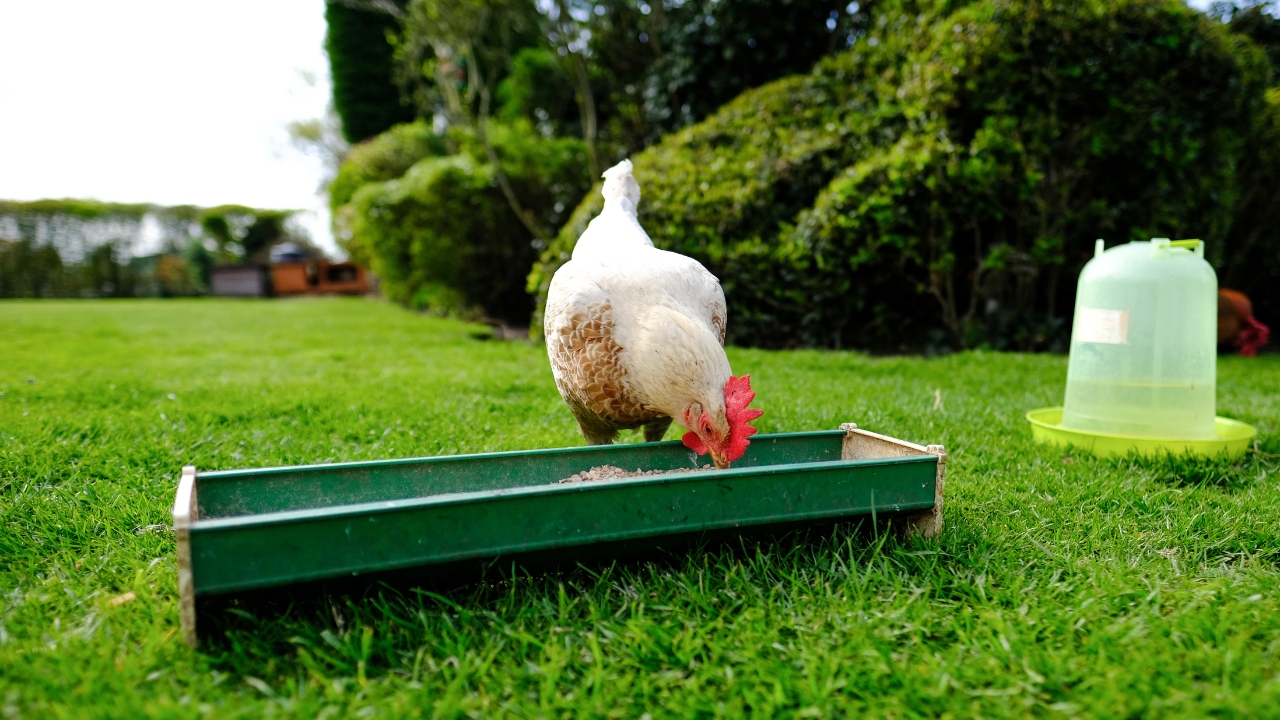
Keeping feed and water inside the coop might sound convenient, but it turns into a mess real quick. Chickens spill everything, and spilled water leads to damp bedding and ammonia buildup. That’s a recipe for stink and health problems.
Set up feeders and waterers just outside the coop in a covered area. It keeps things cleaner and cuts down on waste. Plus, your birds will still have easy access without turning the inside of the coop into a swamp.
Rotate Your Birds if You Want Green Grass
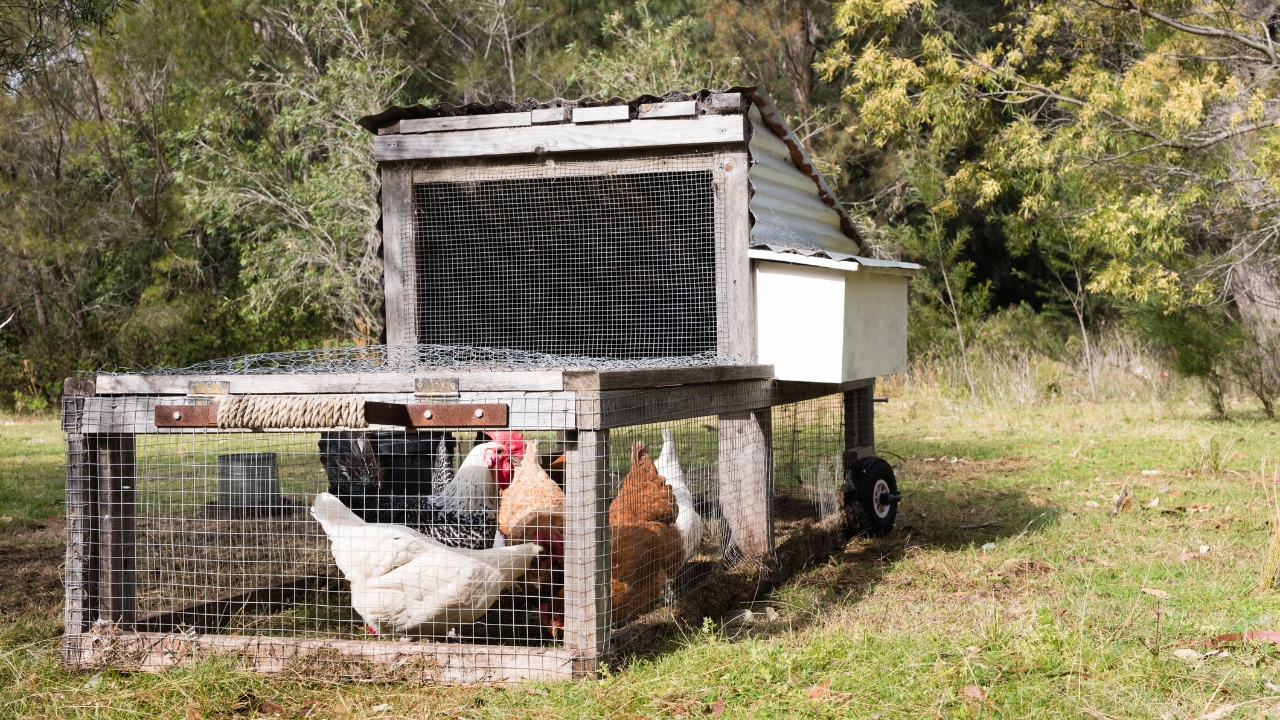
Chickens can tear up a patch of grass faster than you’d think. If they stay in one spot too long, they’ll scratch it to dirt and leave behind more poop than your yard can handle. It doesn’t take long to go from lawn to mud pit.
If you want your yard to survive, rotate their grazing areas. Use movable fencing or a chicken tractor to shift them around every few days. It spreads out the damage and gives the grass time to recover. Your yard (and your nose) will thank you.
Protect Your Garden Like It’s Fort Knox
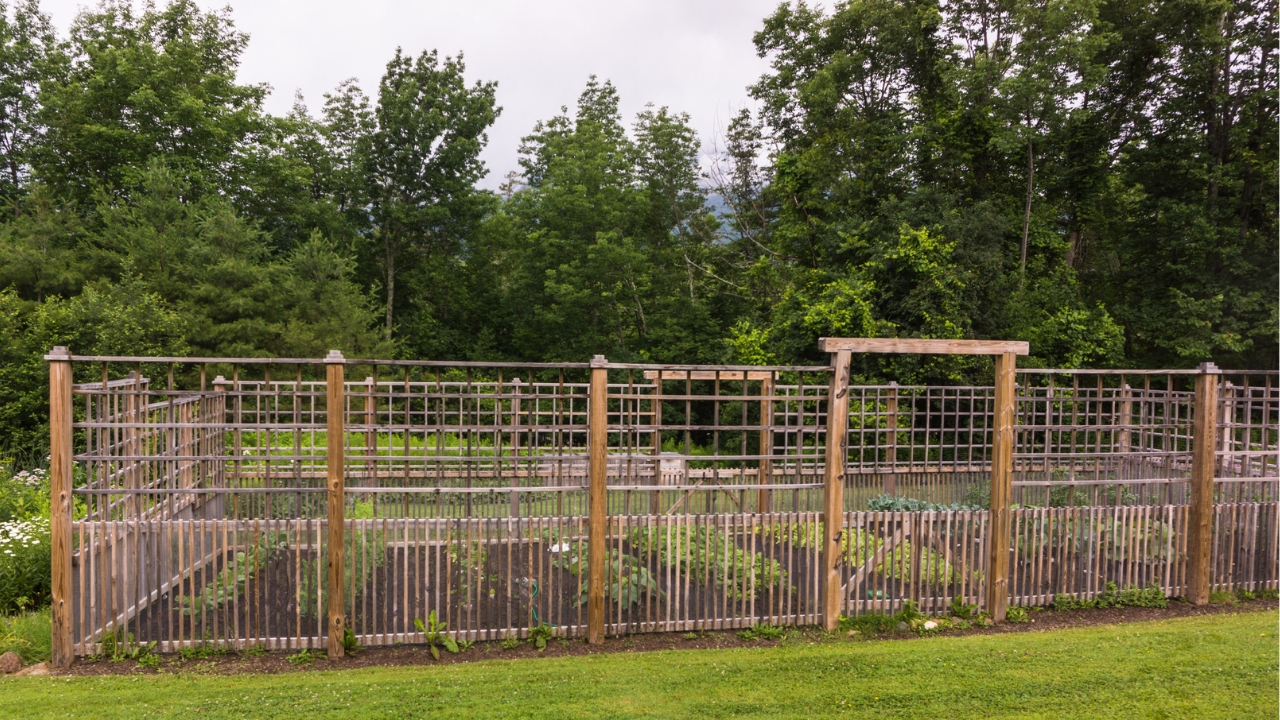
Chickens don’t care how long you worked on that raised bed—they’ll rip through mulch and scratch up roots in no time. A low fence won’t cut it either. If they see something they want, they’ll find a way in.
Use chicken wire or hardware cloth and go at least three feet high around anything you care about. You might also need netting over smaller beds. The bottom line: if your garden matters to you, don’t give them a chance to get near it.
Give Them a Dust Bath Spot or They’ll Make One
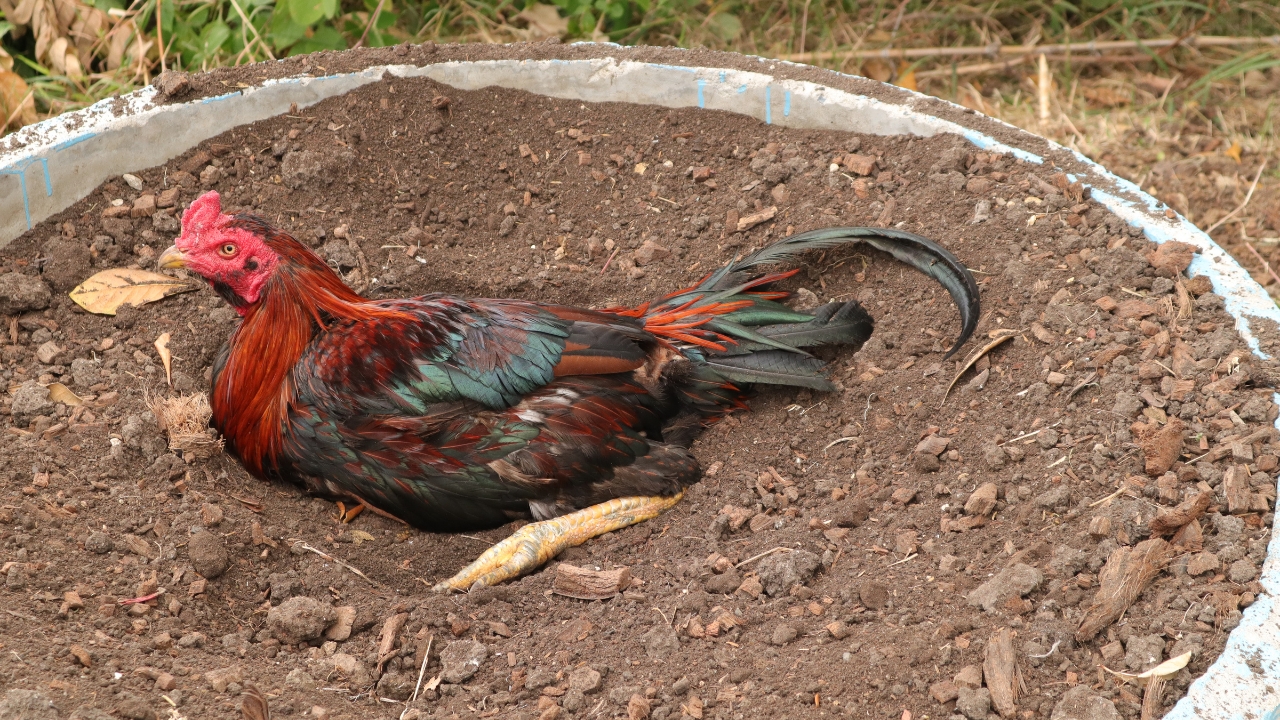
Dust baths are how chickens stay clean and fight off mites, but they don’t care where they take them. If you don’t give them a spot, they’ll dig one right where you don’t want it—like your flower bed or a patch of fresh sod.
Set up a corner with dry dirt, sand, and wood ash if you have it. Keep it dry and easy for them to get to. They’ll use it constantly, and it’ll save your nicer parts of the yard from getting torn up.
Pick Breeds That Match Your Goals

Not every chicken is the same. Some are great layers, some are meat birds, and some are just loud freeloaders. Picking the wrong breeds for your setup can cause more problems than it’s worth.
Do your research before buying. Want eggs? Go with reliable layers like Rhode Island Reds or Australorps. Need quiet birds for a backyard setup? Look into calmer breeds. Choosing chickens that fit your space and your goals makes the whole process smoother from the start.
Don’t Overcrowd the Coop

Too many chickens in too small of a space turns ugly fast. You’ll get pecking, stress, dirty conditions, and a lot more cleaning. Birds need space to sleep, lay, and move around without stepping all over each other.
Plan for at least 3–4 square feet per bird inside the coop, and 8–10 square feet per bird in the run. More space is always better. Overcrowding is one of those mistakes folks make early on, and it can be hard to fix once it starts.
Have a Plan for Winter (and Mud)
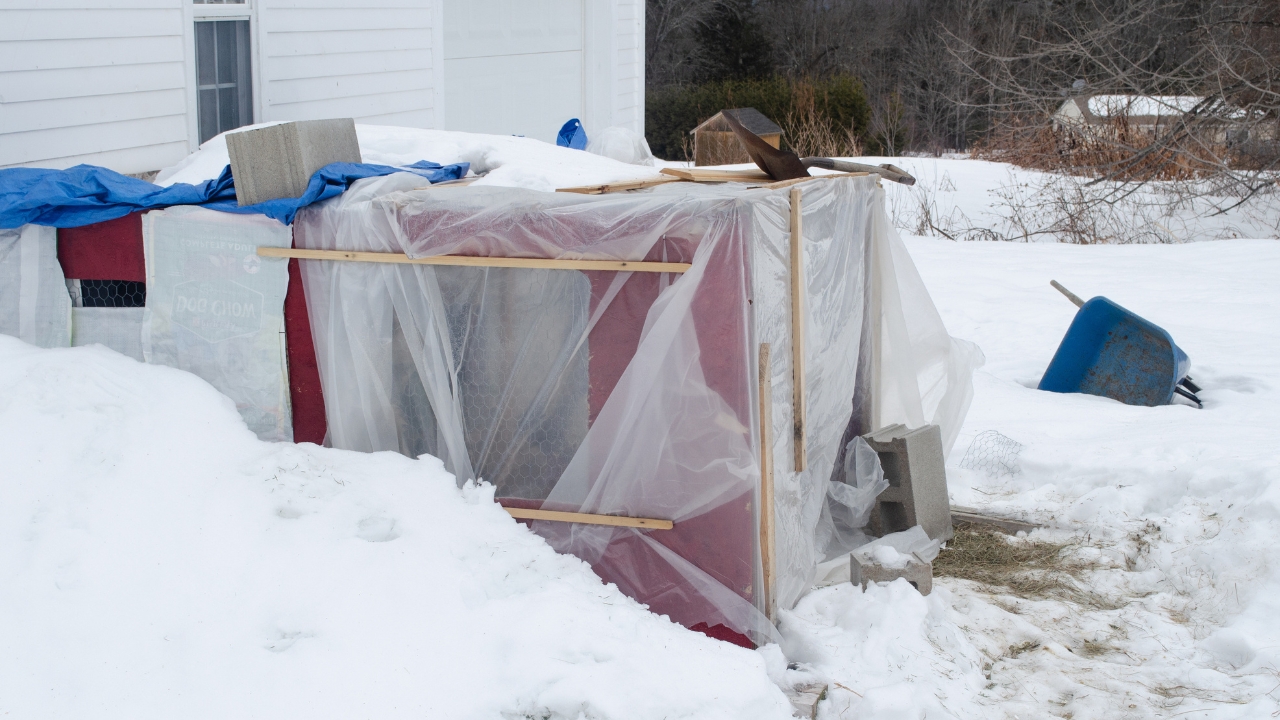
Chickens don’t care about your schedule. When winter hits, water freezes, coops get drafty, and mud shows up everywhere. If you’re not ready, taking care of birds in the cold turns into a miserable chore real quick.
Wrap part of your run in plastic to block wind, and make sure waterers can handle freezing temps. Lay down straw or wood chips where mud builds up. Thinking ahead saves you from scrambling when the weather turns nasty.
Handle Problems Early—Not Later
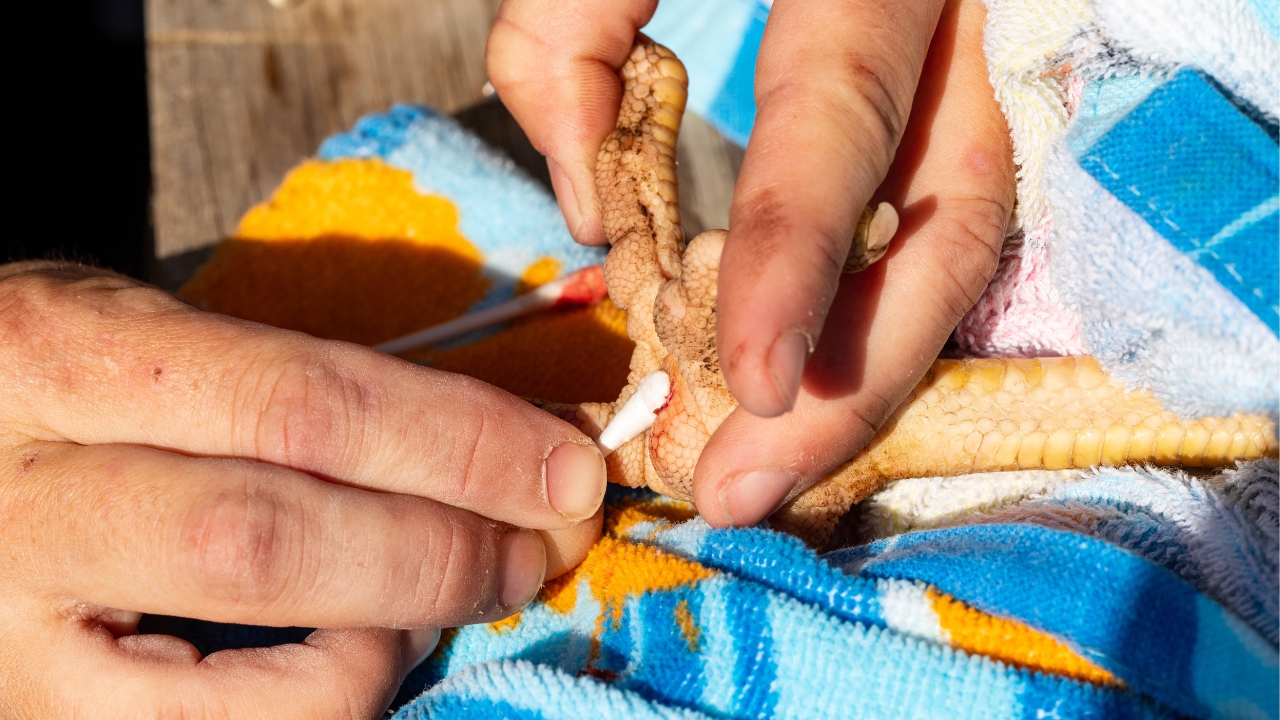
If something seems off—whether it’s a sick bird, a broken fence, or weird behavior—deal with it now, not “this weekend.” Problems with chickens tend to snowball, and ignoring them usually makes it worse.
Keep a close eye on your flock and fix issues before they get out of hand. Whether it’s mites, a bully hen, or a hole in the fence, fast action makes your life a whole lot easier. Stay ahead of it, and you’ll keep your chickens—and your garden—under control.
*This article was developed with AI-powered tools and has been carefully reviewed by our editors.