If you put your house here, the wind’s going to be your biggest enemy
Every property has its challenges, but few people think about the wind until it’s too late. When you’re building on open land, a strong breeze isn’t just inconvenient—it can make your home less comfortable, harder to maintain, and more expensive to heat or cool.
Where you place your house has everything to do with how it handles those winds.
High ground doesn’t always mean the best view
It’s tempting to build on the highest point of your land. The view’s great, the drainage seems easy, and it feels like you’re making the most of your property. But if that ridge catches a prevailing wind, you’ll be fighting it every season.
Strong gusts can make it hard to enjoy your porch, rattle windows, and even drive up energy costs. Before you start digging, pay attention to how the wind moves across your property. Spend a few days outside in different weather conditions. The spots that feel “fresh and breezy” in spring might turn brutal in winter.
Wind exposure adds up over time
A constant wind does more than blow your hat off—it slowly wears down your house. Paint fades faster, siding loosens, shingles lift, and outdoor structures take a beating. Even your landscaping suffers. Young trees struggle to establish roots, and garden plants dry out quicker than you expect.
If your property is wide open, you’ll want to plan for long-term protection. Adding trees, windbreak fences, or even orienting your house differently can make a big difference. A small shift in direction or elevation can save you years of wear and tear.
Your heating bill will tell on you

Wind exposure plays a major role in how hard your home’s HVAC system has to work. If your house faces straight into the prevailing wind, cold air will find every small crack and gap in the structure. Over time, that translates into higher bills and a home that never feels truly warm in winter.
Angling your house slightly or positioning it behind a natural barrier—like a tree line or small hill—can block much of that airflow. Even a modest windbreak can cut energy loss significantly. When you’re planning your build, it’s worth studying which direction the wind comes from most often.
Garages, barns, and porches suffer first
If you build your outbuildings or porches in the wrong place, the wind will make sure you regret it. A barn facing into the gusts can collect dust, debris, and rain right through the doors. Porches that seem cozy on paper become uncomfortable to sit on once the north wind starts cutting through.
Designing these spaces with wind in mind changes everything. For example, a covered porch that faces east instead of north might stay usable year-round. A barn tucked slightly downhill or shielded by trees will last longer and stay cleaner.
Landscaping can work for or against you
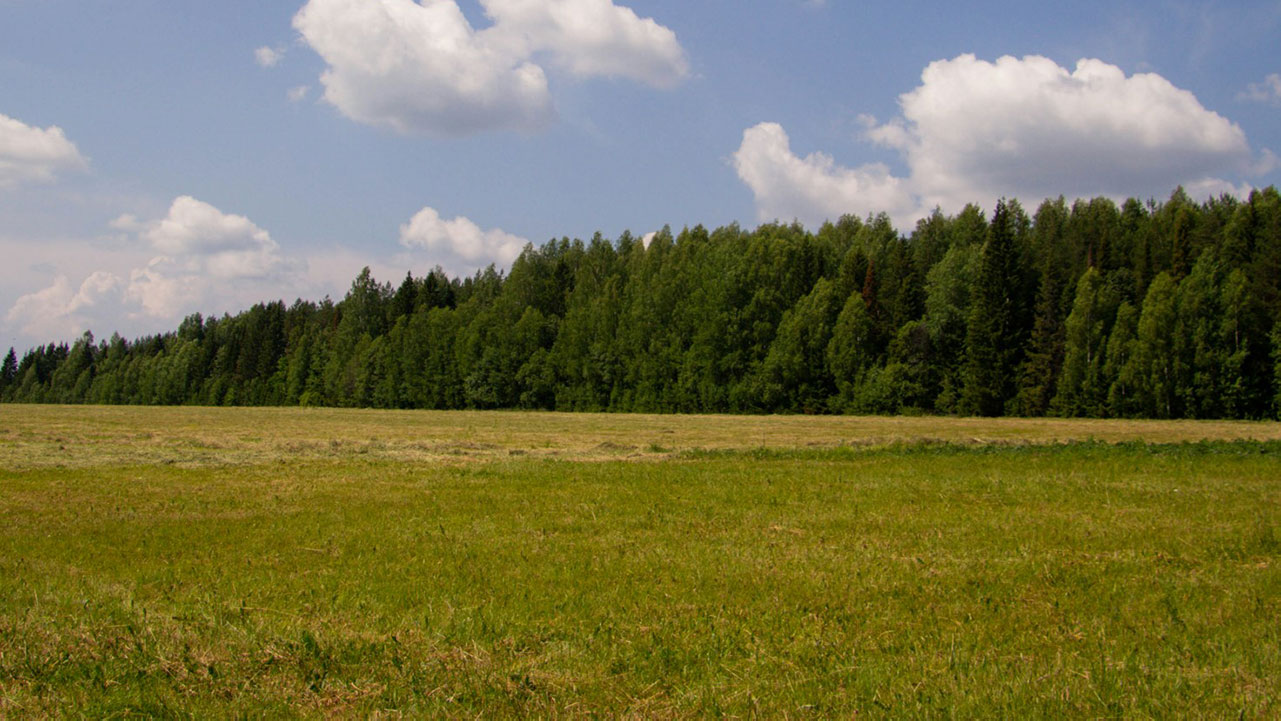
Wind doesn’t stop at your walls—it shapes everything around them. If your land is bare, the wind has a direct path to your home, pushing dust, pollen, and debris right toward your siding.
A good landscape plan acts like armor. Planting wind-tolerant trees and shrubs in the right places can slow airflow and redirect it over or around your home. Even a staggered row of evergreens can make a noticeable difference. The key is to avoid creating wind tunnels—tight spaces where the breeze accelerates instead of dispersing.
Don’t underestimate local wind patterns
Every region has its quirks. In some places, the strongest winds don’t come from the direction you’d expect. Local topography, nearby water, and open fields can change how air moves dramatically.
Talk to neighbors who’ve lived in the area for years—they’ll tell you which way the storms blow, which corners of their property stay calm, and which areas you’ll want to avoid for patios or gardens. That kind of firsthand knowledge is worth more than any building diagram.
A smart layout makes life easier long term
Building with the wind in mind doesn’t mean you have to sacrifice views or convenience. It means designing smarter. Place your home where it’s naturally sheltered, orient your main living spaces away from harsh gusts, and build outdoor areas where you’ll actually want to spend time.
If you choose your spot wisely, the wind becomes something you live with—not something you fight. Your roof lasts longer, your evenings outside are calmer, and your heating system doesn’t have to work overtime. That’s what makes a property feel like home—not just where you build, but how well it works with the land.
Like Fix It Homestead’s content? Be sure to follow us.
- Man Says He Found Out the Fence He Paid For Wasn’t Actually on His Property
- Woman Says Her Neighbor Started Taking Mulch From Her Delivery Pile Before She Could Even Spread It
- I made Joanna Gaines’s Friendsgiving casserole and here is what I would keep
- What Caliber Works Best for Groundhogs, Armadillos, and Other Digging Pests?
*This article was developed with AI-powered tools and has been carefully reviewed by our editors.