Neighbor’s Dog Keeps Chasing Chickens on Seven Acres — Then the Fence Argument Gets Personal
Photo credit: Anton Ivanov/Shutterstock.com
Moving onto land can feel like freedom until somebody else’s dog decides your property is part of its routine. A few acres gives you room for chickens, gardens, tools, kids, animals, and all the little projects that come with rural life. But it also means neighbor problems can look different than they do in town.
That is what one homesteader described after a neighbor’s dog kept coming onto their seven-acre property and chasing their chickens. They shared the situation in a Reddit post on r/homestead, explaining that the dog had become an ongoing problem and that conversations with the neighbor were not really solving it. The original Reddit post is here: https://www.reddit.com/r/homestead/comments/10jlo7l/neighbors_dog_becoming_an_issue/
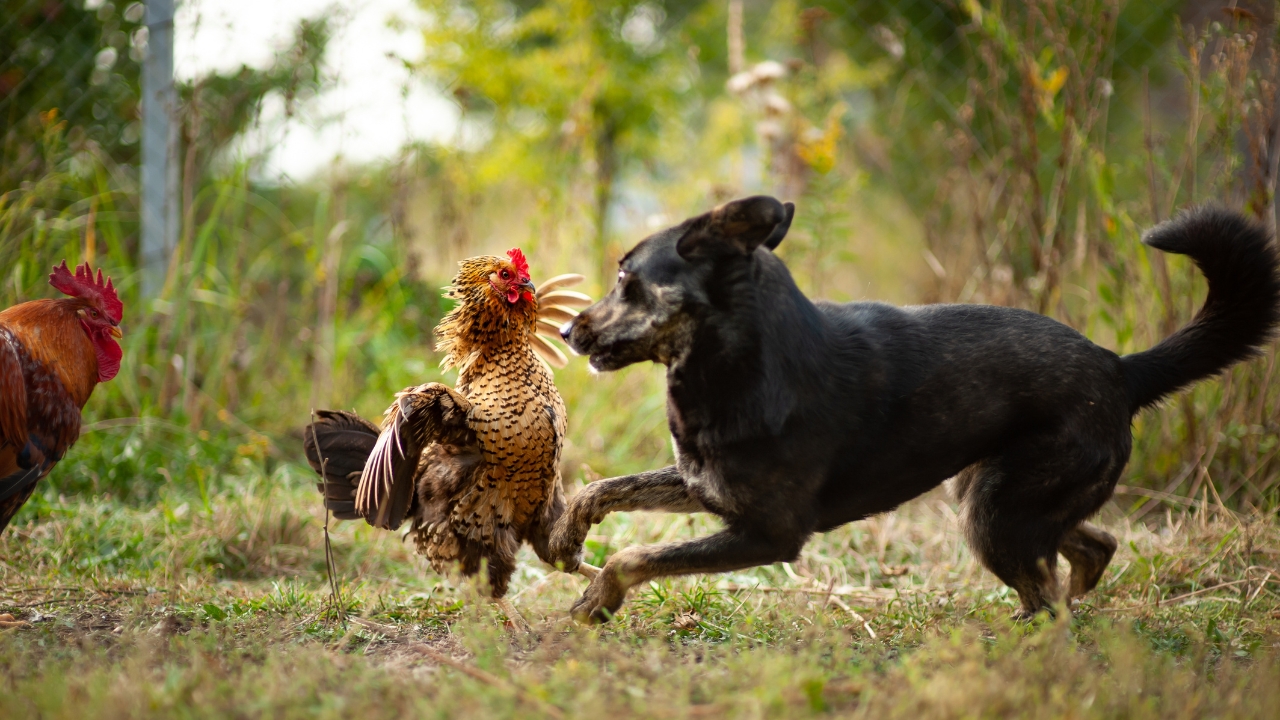
According to the poster, the neighbor’s dog had been coming over and chasing their chickens. For anyone who keeps birds, that is not a small annoyance. Chickens are prey animals, and even if a dog does not immediately kill one, repeated chasing can stress the flock, affect laying, scatter birds, injure them, or train the dog to keep coming back. Once a dog learns that chickens are fun to chase, it can become a hard habit to break.
The homesteader had seven acres, so this was not a postage-stamp backyard where everyone’s animals were crowded together. The dog had to come onto their land to cause the problem. That is part of what made it frustrating. The chickens were on their own property, and the neighbor’s animal was the one crossing over.
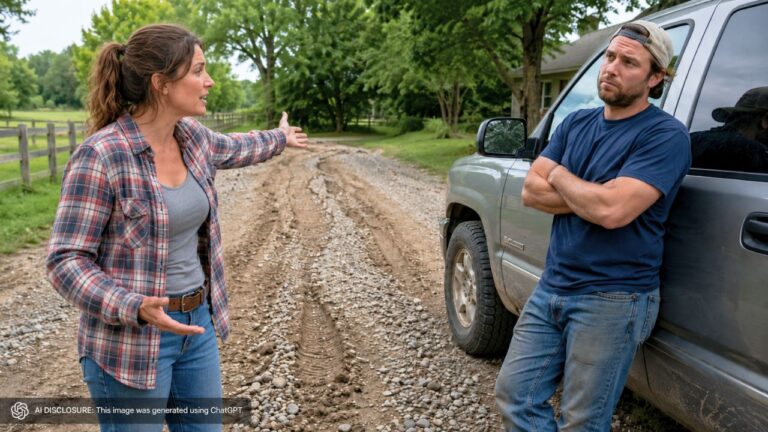
The poster had already tried talking to the neighbor. That is usually the first step because nobody wants to start a rural feud if a conversation can fix it. But the neighbor’s response was not reassuring. Instead of taking full responsibility for keeping the dog home, the neighbor seemed to lean toward the idea that the homesteader needed to fence things differently.
That is where the argument got personal. Fencing is expensive, especially on acreage. A small chicken run is one thing. Fencing enough land to keep out every loose dog is another. The poster seemed frustrated that they were being pushed toward spending money and changing their setup because someone else would not control their dog.
There is also a difference between fencing livestock in and keeping predators or neighbor animals out. Chicken owners can build a coop, run, or perimeter fence, but dogs can dig, jump, squeeze through gaps, or find weak spots. A determined dog can cause problems even when the chicken owner has done a reasonable job securing the flock.
The situation also raised a hard rural-living question: what do you do when a neighbor’s dog keeps threatening your animals? Some people are comfortable being very direct. Others want to preserve the neighbor relationship as long as possible. But when livestock is involved, waiting too long can cost animals their lives.
The poster was looking for advice before things escalated. They were not writing about an abstract worry. The dog was already coming over and chasing chickens. That gave the situation a clock. Every visit increased the odds that one day the dog would catch a bird, scatter the flock into danger, or return with even more confidence.
Commenters pushed the discussion into the practical realities of land life. In many rural areas, loose dogs are not treated the same way as a friendly pet wandering over for a visit. A dog chasing livestock can create legal and financial consequences for the owner, depending on local laws. The neighbor may be liable for damage or killed animals, but that does not help much after a flock has already been attacked.
That is why documentation matters. Photos, videos, dates, messages, and records of each incident can make a difference if animal control, law enforcement, or a civil claim becomes necessary. A one-time complaint can be brushed off as a misunderstanding. A documented pattern is harder to ignore.
The emotional side matters too. People love their dogs. People also love their chickens, goats, sheep, or whatever else they are raising. When one neighbor sees “my sweet dog” and the other sees “an animal threatening my flock,” both sides can feel defensive fast. The best chance of keeping it civil is usually a clear, calm written warning before the situation turns into dead birds and hard feelings.
For this homesteader, the lesson was not that landowners should never fence or protect their animals. It was that a neighbor’s loose dog is not something to shrug off until it becomes a tragedy. Once a dog starts chasing chickens, the owner needs to contain it, train it, or keep it home. The person with the flock may also need stronger barriers, but they should not be the only one taking responsibility.
Commenters gave the poster a mix of practical and firm advice. Several said the homesteader needed to document every incident and make a clear written complaint to the neighbor. A few recommended sending a message that explained the dog was entering the property, chasing livestock, and needed to be contained before the situation became more serious.
Some commenters suggested calling animal control or the local sheriff if the dog kept coming over. In rural areas, loose dogs chasing livestock can be handled more seriously than ordinary nuisance complaints, depending on local laws. Several users said the poster should learn the rules in their county before deciding what to do next.
Others focused on protecting the chickens directly. Suggestions included a secure run, electric poultry netting, livestock guardian animals, better perimeter fencing near the coop, and keeping the birds contained during times when the dog was most likely to roam. A few people warned that once a dog has chased chickens, it may come back again and again.
The strongest advice was to act before the dog killed anything. A friendly conversation is fine once, but repeated chasing needs a paper trail, a clear boundary with the neighbor, and a backup plan for protecting the flock.