New Homeowner Finds a Neighbor’s Fence Three Feet Over the Property Line — Then the Neighbor Says Moving It Is “Unreasonable”
Photo credit: Fix It Homestead
Buying land comes with a certain kind of relief. Once the papers are signed, the keys are handed over, and the boxes start coming in, most new homeowners expect the stressful part to be behind them.
For one new homeowner, though, the real problem started after they looked a little closer at the fence.
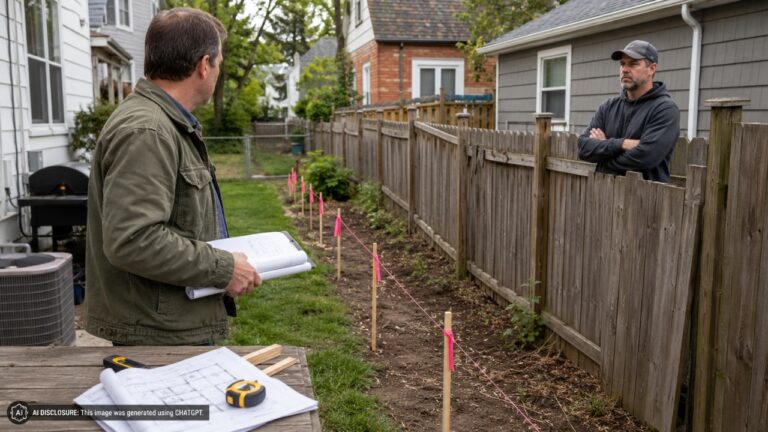
At first, it seemed like an ordinary boundary fence between two properties. It had been there before the sale, and from a distance, there was no obvious reason to question it. But after moving in and reviewing the property lines more carefully, the homeowner realized something was off.
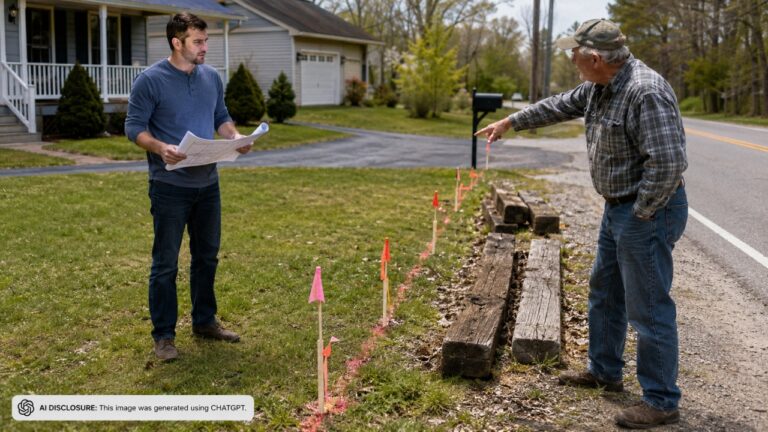
The neighbor’s fence was not sitting on the boundary line.
It was several feet inside the new owner’s property.
That may not sound like much until a person remembers what land actually costs. Three feet along a long property line can add up fast, especially in rural or semi-rural areas where fences often define how people use yards, pastures, gardens, driveways, and access areas.
The new owner had not bought “almost” all of the property. They had bought the land described in the closing documents.
And now part of that land appeared to be fenced off as if it belonged to someone else.
The fence had been treated like it belonged there
The hardest part was that the fence did not look temporary. It was not a pile of posts waiting to be moved or a loose wire line someone had casually stretched across the yard.
It had clearly been treated as the real boundary for some time.
That created an awkward situation for the new homeowner. They had just moved in. They were still getting settled. They likely did not want their first major interaction with the neighbor to become a fight over a fence.
But ignoring it was not simple either.
A misplaced fence can become more than an eyesore. It can affect where the owner can build, plant, park, run animals, install another fence, or sell the property later. It can also create confusion if future buyers, appraisers, contractors, or relatives assume the fence marks the legal boundary.
So the homeowner did what many people would do. They brought it up.
That was when the neighbor’s reaction made the issue more frustrating.
The neighbor did not want to move it
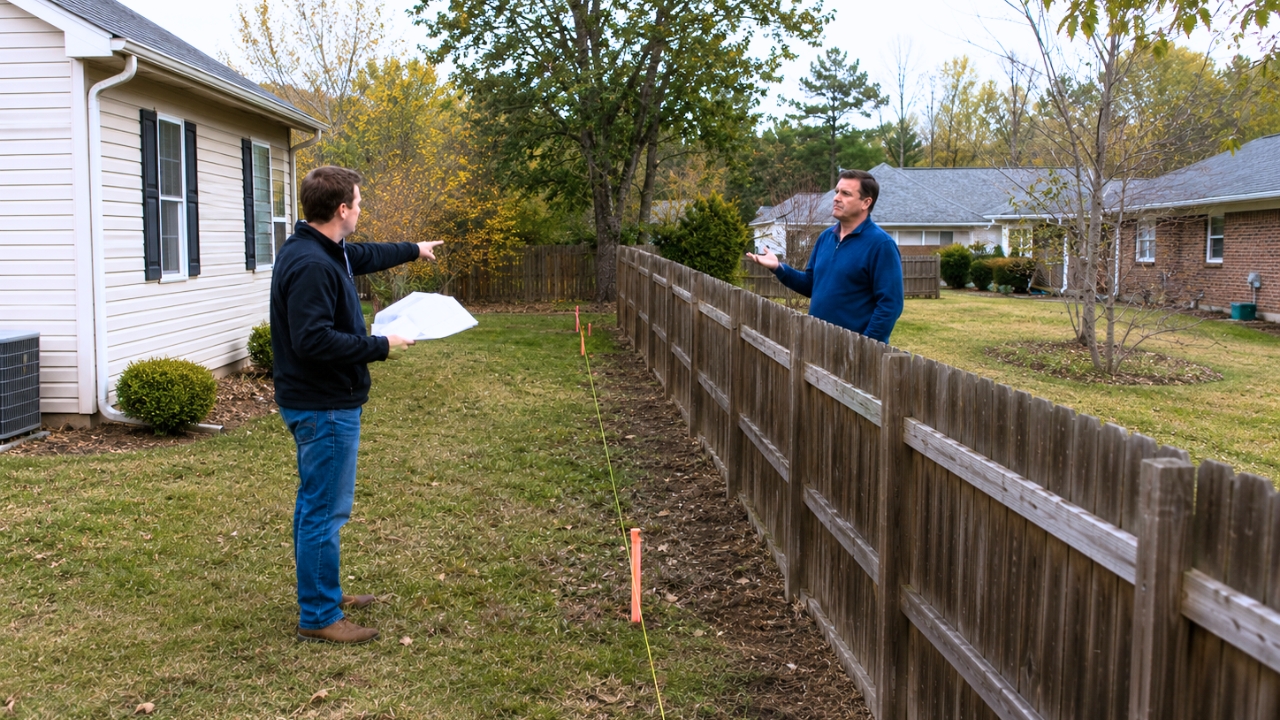
Instead of agreeing that the fence needed to be corrected, the neighbor pushed back.
According to the homeowner, the neighbor acted as if moving the fence would be unreasonable. From the neighbor’s point of view, the fence had already been there, and changing it would be inconvenient.
But from the homeowner’s point of view, that argument missed the entire problem.
The neighbor was not being asked to give up land they owned. They were being asked to stop using land that did not appear to belong to them.
That is where property-line disputes often get tense. The person benefiting from the mistake may see the correction as a loss. The actual owner sees the mistake as something that should have never happened in the first place.
And once a fence is involved, the disagreement becomes visible every single day.
The homeowner had to think beyond the neighbor’s feelings
For a new homeowner, there is a temptation to keep the peace, especially when they have to live beside the other person.
Nobody wants to start out as “the difficult neighbor.”
But property issues are not always the kind of thing that can be left alone for the sake of friendliness. A homeowner who stays quiet may accidentally make the situation harder to fix later. They may also send the message that they are willing to let someone else control part of their property.
The fence created a practical problem, but it also created a documentation problem.
Was there a current survey? Was the fence definitely three feet over? Did the seller know? Had the neighbor been told before? Was there any written agreement allowing the fence to stay? Had the neighbor used that strip of land long enough to create a more complicated legal issue?
Those questions matter because property-line disputes can quickly move from “move your fence” to “prove this is yours.”
Commenters focused on the survey
A lot of people who weighed in on similar property disputes tend to come back to the same point: do not rely on guesses, old fence lines, or what a neighbor says.
Get the survey.
A fence can be wrong. A tree line can be wrong. A driveway can be wrong. Even a seller’s casual explanation can be wrong.
The survey is what gives the homeowner something solid to work from.
Commenters also commonly warn homeowners not to start tearing down fences or moving posts without understanding the local rules. Even if the fence is in the wrong place, the wrong response can create a new problem.
The smarter path is usually documentation first: survey, photos, written communication, and then a calm but firm request to correct the issue.
The bigger issue was ownership
What made the situation so frustrating was not just the fence itself. It was the neighbor’s attitude.
The neighbor appeared to treat the homeowner’s property like it had become negotiable because fixing the problem would be inconvenient.
But land does not stop belonging to someone just because another person built across the line.
For the homeowner, the question became bigger than a few feet of grass. If they let the fence stay, what else would become “too unreasonable” to correct later? A gate? A shed? A driveway? A drainage ditch? Another structure?
That is why these disputes can turn serious so quickly.
A fence is not just a fence when it quietly moves the boundary of someone’s land.
It becomes a line in the ground that says who gets to use what.
And in this case, the new homeowner had to decide whether keeping peace with the neighbor was worth leaving part of their property on the wrong side of the fence.