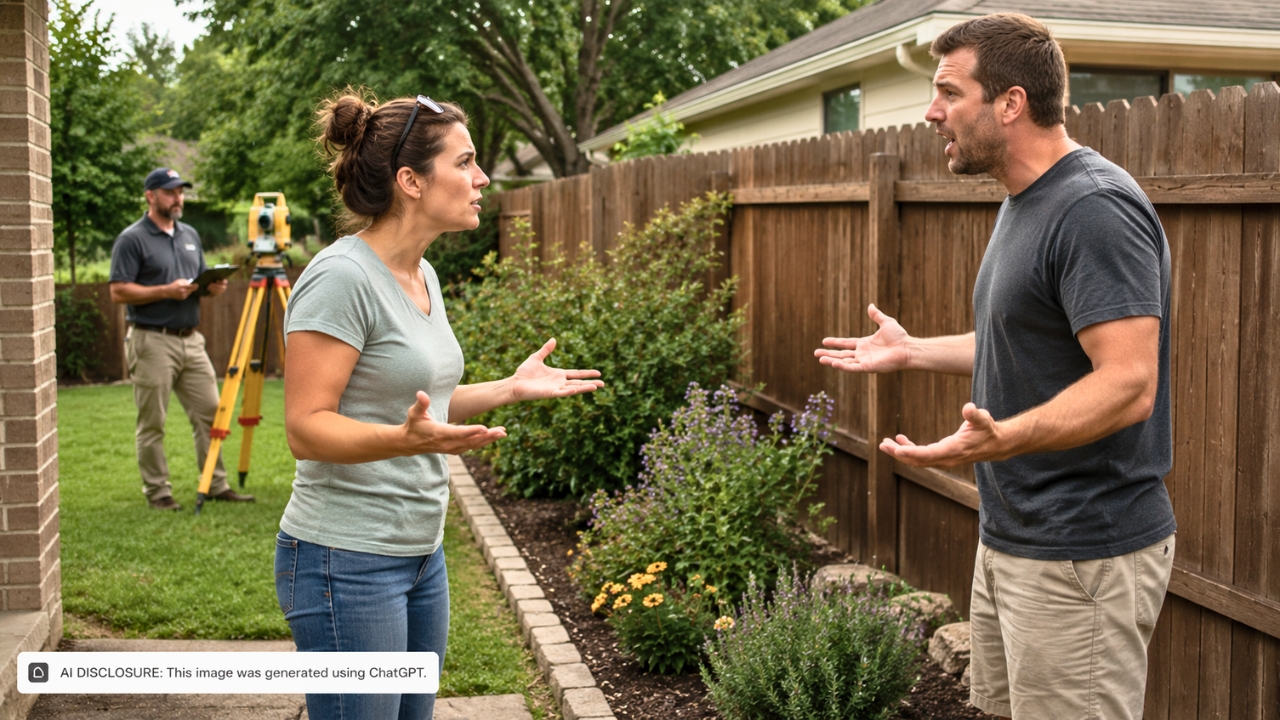
New Homeowner Finds Out the Neighbor’s Landscaping and Fence Have Been Sitting Nine Feet Into the Property — Then the Neighbor Says Both Have Been There Since Before the Homeowner Bought the House
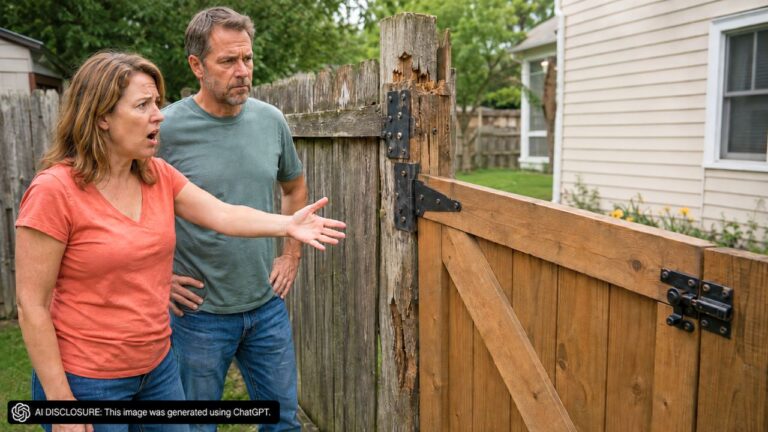
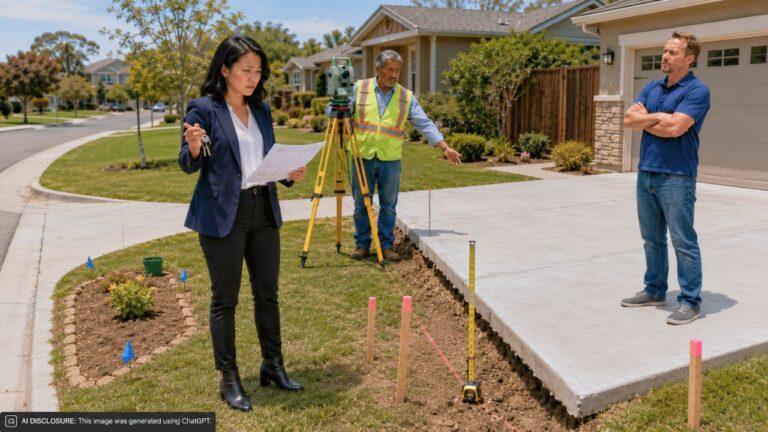
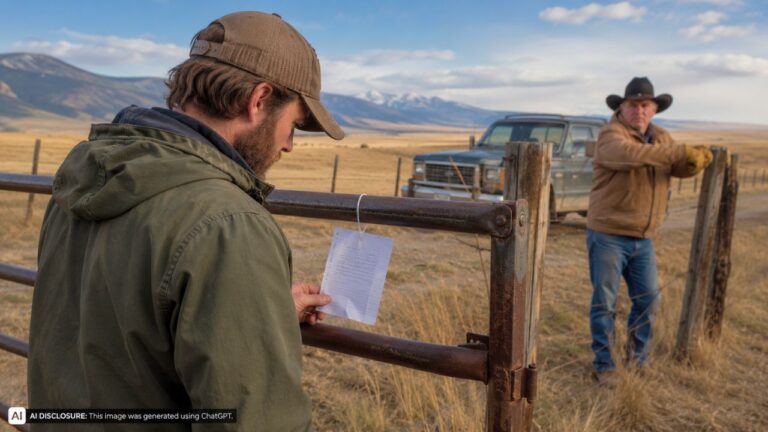
Photo credit: AI-generated image created using ChatGPT. Illustrative only.
The plan was simple: replace an aging wooden fence with a clean vinyl one and finally feel settled in a first home. But when a fence contractor studied the survey from closing and started measuring, the new homeowners were hit with a different kind of estimate—one that came with a boundary problem instead of a price tag.
In the original post, the Florida couple (both in their mid-20s) said the contractor told them the neighbors behind them appeared to be sitting about nine feet into their lot. And it wasn’t just a little landscaping creep. Right behind the old wooden fence was the neighbor’s chain-link fence and a small horse stable, making the “just move it” option feel like a fantasy.
A routine fence quote turned into a property-line gut punch
They’d only recently gone from renting in a larger city to owning in a more rural area, and they were doing what lots of new homeowners do: line up contractors, tackle the obvious projects, and start making the place their own. The wooden fence looked like a straightforward first upgrade.
Instead, the contractor used the survey completed before closing, took measurements, and came back with news that reframed the backyard. According to what the homeowners were told, the neighbor’s setup—chain-link fence and horse stable—wasn’t just close to the line. It was over it, by roughly nine feet.
Nine feet doesn’t sound like much until you picture it stretched across the length of a yard. That’s a strip wide enough for a row of trees, a shed setback, a garden, or a path for maintenance access. And in rural living, that kind of space can be the difference between “we have room for what we want” and “we’re boxed in by someone else’s stuff.”
It wasn’t just a fence—there was a stable sitting back there
The part that made this feel immediately complicated was what sat beyond the wooden fence. The neighbor had a chain-link fence and a small horse stable right behind it. That’s not a decorative planter you can casually scoot back a weekend at a time.
It also changes the tone of the conversation. A fence line dispute is one thing; a structure tied to animals, routine care, and daily use is another. Even if everyone stays polite, it raises practical questions fast: access, safety, where animals are contained, and whether moving anything triggers new permitting or expense.
The homeowners were torn between not wanting to start a fight and not wanting to quietly give up nine feet of their property. They described themselves as first-time homeowners who “literally have no idea what we’re doing,” which is exactly the headspace that makes boundary issues feel so intimidating. It’s not just the legal side—it’s the social fallout of making your first big neighbor interaction a dispute.
The survey company’s first response didn’t match the reality on the ground
After hearing the contractor’s assessment, the homeowner called the survey company. The initial response they got was surprisingly dismissive: the person they spoke with tried to suggest it “wasn’t an issue” because the company couldn’t confirm ownership of the fences—meaning the wooden fence and the neighbor’s chain-link fence weren’t automatically proof of where the true line sat.
That’s a detail that will sound familiar to anyone who has dealt with older fences: people treat fences as boundaries, but surveys don’t always agree. Fences get rebuilt, moved, patched, or placed for convenience. Sometimes they follow old markers. Sometimes they avoid trees, rocks, or ditches. Sometimes they’re just wrong.
But then the homeowner mentioned something harder to hand-wave away: the horse stable behind the wooden fence was shown on the survey as being inside their property. That changed the tone. The survey company representative apologized and said that was “completely different,” and the company said it would look into it and might send someone out again. The homeowner was told to expect a response within three days to a week.
“Has been there for years” doesn’t make it feel any easier
In disputes like this, the most common neighbor response is some version of: it’s always been that way. The headline tension here is exactly that—being told the fencing and landscaping have been in place since before the new owners bought the house, as if that settles it.
But from a homeowner’s perspective, “it predates you” can land like a threat and a shrug at the same time. It implies that the previous owner didn’t fight it, didn’t notice it, or didn’t care. It also implies that if the setup has been in place long enough, the neighbor may feel entitled to keep it there no matter what the paperwork says.
That’s where the stakes turn real. The couple isn’t just deciding whether they want a prettier fence. They’re deciding whether they can live with a permanent bite taken out of their yard and whether ignoring it now could make it harder to address later. Even without getting into legal theories, most homeowners understand the basic fear: time passing rarely makes property-line confusion simpler.
People pushed documentation first, not confrontation
The homeowner’s instinct was to avoid a big blow-up, and that’s usually wise—at least at the start. But the practical advice in discussions like this tends to focus on getting facts nailed down before anyone marches next door with a printed survey and a bad attitude.
That’s why the survey company callback matters so much. A contractor’s measurements can raise the alarm, but the next step is usually having the surveyor re-mark corners or verify points on the ground so it’s not just lines on paper. When there’s a fence, another fence, and then a stable, everyone wants the same thing: clarity you can point to.
From there, homeowners typically shift to keeping everything in writing, taking photos, and making sure any conversation stays calm and specific. Not because they’re looking for a fight, but because property disputes have a way of turning into “he said, she said” if you don’t document what you saw, when you saw it, and what you were told.
The fence project is now stuck in limbo
The hardest part about this kind of surprise is how it freezes normal homeownership. The couple wanted to replace the old wooden fence with vinyl. Now that decision is tangled up with where the boundary actually is and what happens if they install a new fence in the “correct” location.
If the neighbor’s chain-link fence and stable are actually across the line, a new vinyl fence could become a physical declaration of ownership. But if there’s any uncertainty in the survey or markers, installing anything could backfire—either by escalating tensions or by placing a new expensive fence in the wrong place.
So they’re waiting: on the survey company, on clarification, and on a path that doesn’t turn their first year of homeownership into a full-time dispute. In rural areas especially, neighbors are part of your daily peace—sometimes the people you rely on when storms hit or when you need an extra set of hands.
For now, the couple is left staring at an old fence that suddenly feels like a placeholder for a much bigger question. Nine feet is a lot to swallow, and a stable sitting where your yard is supposed to be makes it impossible to pretend it’s just a line on a map. The next call from the survey company will likely decide whether this stays awkward—or becomes a battle over who really owns that strip of land.
Like Fix It Homestead’s content? Be sure to follow us.