New Homeowner Gets a Survey Done and Finds the Neighbor Is Already Claiming Adverse Possession of Part of the Lot — Then the Attorney Says the Claim Has Been Building for Years
Photo credit: AI-generated image created using ChatGPT. Illustrative only.
Nothing makes a house feel smaller faster than a growing family and a floor plan that’s already maxed out. In downtown Louisville, one homeowner finally sat down with an architect to push forward on an addition—only to realize the real bottleneck wasn’t design or budget. It was a fence.
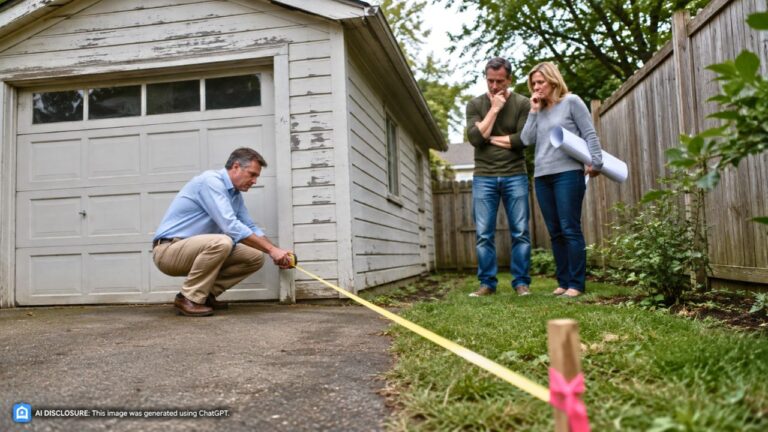
After getting an official survey and recording it with the county, the homeowner discovered the fence line didn’t match the property line. Roughly three to four feet of their lot sat on the neighbor’s side of the fence running toward the back. When the homeowner tried to reclaim that strip for the remodel, the neighbor pushed back with an alarming claim: the land was “now theirs” because of adverse possession. The details come from the original post.
The survey didn’t match the fence, and that’s where the trouble started
The homeowner bought the property in 2018 and, like plenty of people trying to survive closing costs, skipped the survey at purchase. By 2019 they did get an “official property survey” completed, and it was added to the Jefferson County property records.
That survey showed the problem in black and white: the fence wasn’t sitting on the boundary. The homeowner’s line was several feet on the other side, meaning the neighbor had been using a skinny slice of land that technically wasn’t theirs.
In many neighborhoods, that’s the kind of discovery people file away as “we’ll deal with it later.” Except “later” is exactly how little problems turn into expensive ones—especially when a remodel is involved.
A house sale turned a quiet boundary mismatch into a ticking clock
Here’s the part that makes this story feel like a slow-motion trap: the neighbor who had the extra land on their side of the fence put their house on the market in 2019. The homeowner didn’t stay quiet. They informed the seller that a recent survey showed about four feet belonged to them.
They also did what homeowners always wish they’d done sooner—documented it. The homeowner sent a certified letter with the survey, provided a copy to the neighbor’s realtor, and even emailed it as another paper trail. Along with the survey, they mentioned they were working with an architect and considering an addition, even if they weren’t sure when they’d have the money and time.
The home sold a few months later. The new owners moved in, and about a year after that, the homeowner brought it up again: reminder that the property line was about four feet past the fence. The neighbors’ reaction sounded casual—basically “okay” and thanks for the heads-up.
That’s the kind of neighbor exchange people walk away from thinking, “Great, we’re all adults here.” Until the next conversation goes completely differently.
Once the remodel plans were real, the neighbor’s tone changed
Fast forward to the homeowner meeting with the architect again and deciding to move forward. Now the four-foot strip wasn’t just a technicality. The drawn plans apparently required “reclaiming” that sliver of property on the far side of the fence line.
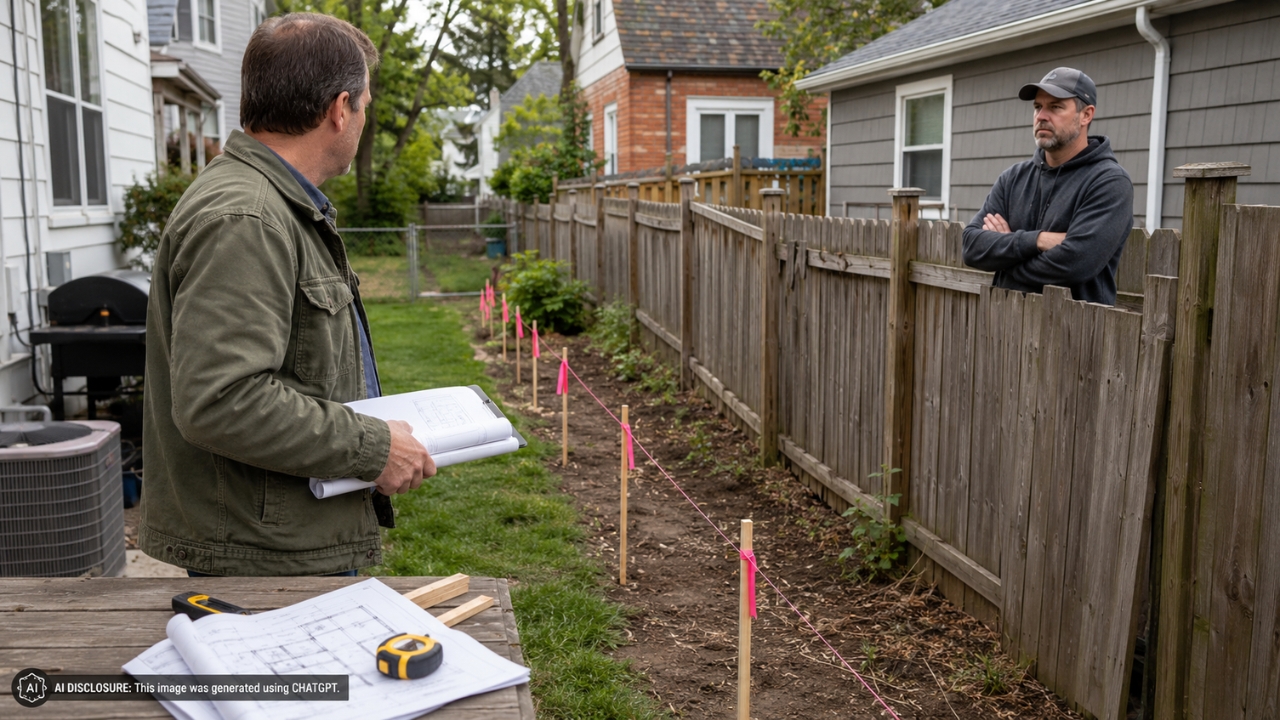
When the homeowner told the neighbors the remodel was happening, the neighbors responded with a much stronger stance: they said the land was theirs because of adverse possession. They cited Kentucky’s 15-year period and pointed out they’d been living there about five years.
From the homeowner’s perspective, that didn’t add up. A five-year owner can’t just wave a 15-year rule around and win by default. But the homeowner also knew the fence itself looked old—maybe 20 to 30 years—meaning the “use” of that strip could have started long before these current neighbors moved in.
The homeowner also noted the neighbors had a flower bed on “their” side of the fence where the homeowner’s property actually is. No written agreement was known, and nothing about a boundary arrangement was conveyed when the homeowner bought in 2018.
The scary part: adverse possession isn’t about the new neighbor’s timeline
This is where homeowners get blindsided. People hear “they’ve only been here five years” and assume the clock resets with every sale. But adverse possession claims, in many places, are about continuous use of the land over the required period—sometimes across multiple owners—if the legal elements are met.
The homeowner’s own estimate that the fence has been there 20–30 years is what makes the neighbor’s threat feel less like bluster and more like a real headache. If prior owners treated the fence line as the boundary and the neighbor’s side used and maintained the strip openly for long enough, it can create a path to a claim.
At the same time, the homeowner did several things that sound like the opposite of “letting it slide.” They got a survey, recorded it, and explicitly notified the prior neighbor (and the realtor) during the sale. They also notified the new owners not long after they moved in. Those actions matter because adverse possession usually depends on use that isn’t permissive and isn’t effectively challenged.
There’s also a practical twist that makes fence disputes so bitter: moving a fence is loud. It’s visible. It can turn a polite neighbor into someone who starts measuring every inch, watching every contractor, and treating your remodel like an invasion.
Reactions focused on proof, paper trails, and not winging it
In the comments, the general vibe was that this wasn’t a “talk it out over the fence” moment anymore—it was a “get serious and get records” moment. The homeowner already had a survey on file and proof they notified the previous owner and the realtor, which is more than most people have when these fights start.
The push from readers tended to center on confirming dates, establishing what the prior owners did or didn’t do, and treating the fence history like evidence, not neighborhood trivia. If the fence has truly been sitting off-line for decades, that timeline becomes the entire story.
The big practical takeaway from those reactions: don’t assume the neighbor’s confidence means they’re right, and don’t assume your deed automatically ends the argument. Boundary disputes live and die on documentation, history, and what can be proven—not what feels fair.
A four-foot strip can decide an entire remodel
For the homeowner, this isn’t just about principle. An addition needs setbacks, measurements, and clean lines. Losing (or even temporarily losing) three to four feet along the back could change the footprint, reduce usable space, or force a redesign that costs real money.
And even if the homeowner is ultimately correct about the boundary, they’re staring at the exhausting middle part: lawyers, old records, fence placement, and the awkward reality of living next door to the people you’re fighting with. The fence’s “pretty side” faces the neighbor’s yard, and the homeowner notes the fence is on their side of the property—details that hint this fence may have been built with assumptions that never got put in writing.
For now, the homeowner is left where so many property-line stories end up: they finally tried to improve their home, and instead found out the land they thought they owned comes with a history. And the longer that history sits unquestioned, the harder it gets to fix with a simple tape measure and a handshake.