New Homeowner Sees Two Roaches After Closing — Then Hundreds Show Up Outside the House
Photo credit: New Africa/Shutterstock.com
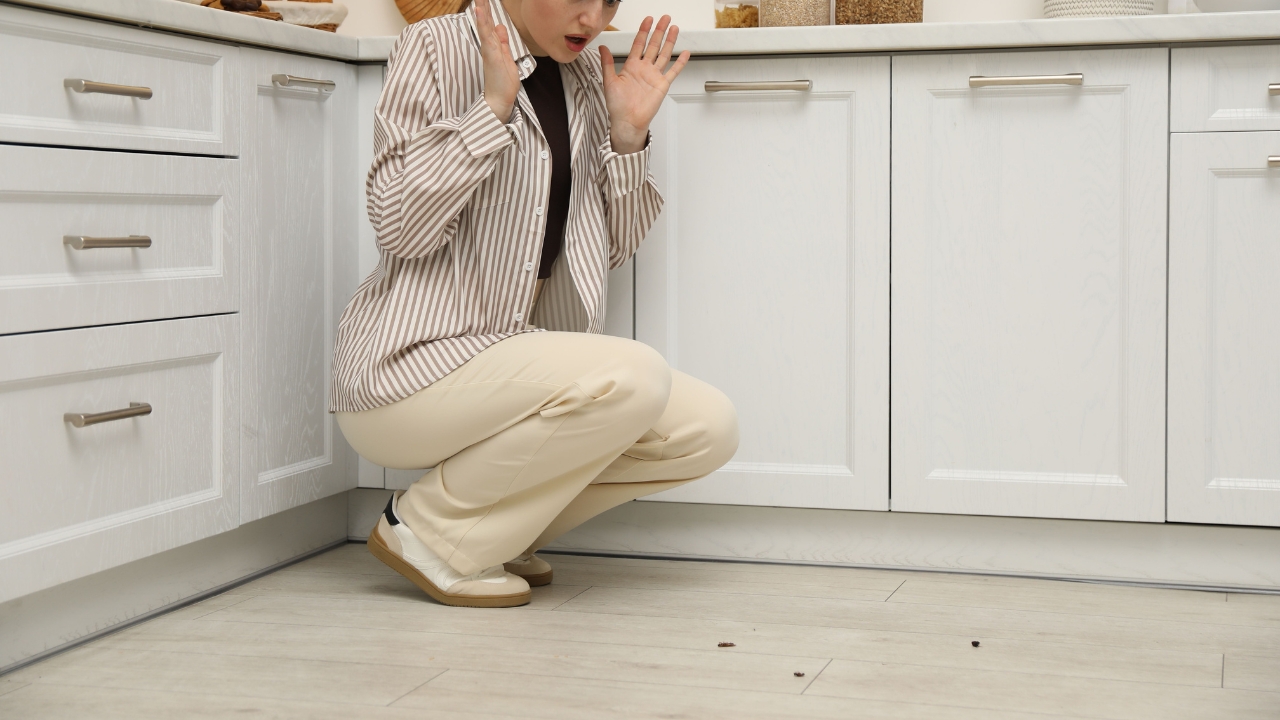
Closing on a house is supposed to feel like a relief. The search is over, the papers are signed, and the place finally belongs to you. Then you walk downstairs in the middle of the night, see two huge roaches, and suddenly the new-house excitement takes a hard turn.
That is what one homeowner described after moving into a house they had closed on in mid-March. At first, the problem seemed small enough to manage. They saw two large roaches at night, panicked, and started treating the house with boric acid. After that, they would occasionally find one or two dead roaches and hoped they were getting ahead of it. The homeowner shared the situation in a Reddit post on r/homeowners, asking for advice after the problem suddenly looked much bigger than they expected. The original post is here: https://www.reddit.com/r/homeowners/comments/1bywlds/new_home_infested/
According to the homeowner, nothing during the buying process had warned them this was coming. They had looked at the house multiple times before closing and had not seen signs of an infestation. That made the discovery feel even more upsetting. It is one thing to buy a house knowing it needs pest work. It is another to move in believing everything is fine and then start seeing roaches after dark.
The first two roaches were enough to scare them, partly because they admitted they had a real fear of roaches. Still, they tried to handle it. They put down boric acid, watched for dead bugs, and called pest control. But the pest-control visit did not give them much confidence. They said the service was not great and that the company would not spray the entire home.
Then the outside of the house changed the whole picture.
One night, the homeowner said the front of the home had maybe 500 roaches all over it. That kind of sight would shake almost anyone, especially someone who already hates roaches. A few bugs inside can make a person wonder if they came in through a door or drain. Hundreds outside the front of the house make it feel like the property itself has a much larger pest problem.
The homeowner was understandably upset. They said they were sad because there had been no evidence during showings, and now the house they wanted to love felt invaded. Their mom was planning to fly in for a few weeks to help them spray, clean, and put down more boric acid.
That detail says a lot about how overwhelming the problem felt. This was not just a casual “what product should I buy?” question. The homeowner was new to the place, scared of the pests, disappointed in the first pest-control visit, and calling in family backup because they did not want to feel alone dealing with it.
The discussion also showed an important distinction for homeowners: not every roach problem is the same. Large outdoor roaches, often called palmetto bugs in some areas, are not the same as German cockroaches nesting inside a kitchen. Outdoor roaches can swarm around damp mulch, leaves, wood piles, drains, lights, or moist areas near a home. German roaches are a much more serious indoor infestation problem because they live and breed where food, water, warmth, and hiding spots are available.
That distinction mattered because the homeowner saw both indoor roaches and a shocking number outside. The next step was not only killing the ones they saw. It was figuring out what kind of roach they were dealing with, where they were living, and why the front of the home was attracting so many.
Several commenters encouraged the homeowner not to give up. One pointed out that because this was a single-family house, the problem was more controllable than it might be in an apartment building. In an apartment, one clean tenant can keep fighting roaches while the source remains in another unit. In a single-family home, the owner has more control over cleaning, sealing, treating the perimeter, removing food sources, reducing moisture, and closing entry points.
That did not mean it would be easy, but it made the situation less hopeless.
The practical advice centered on treating the problem from several angles at once. Boric acid may help, but commenters also talked about bait stations, gel bait, diatomaceous earth, perimeter treatment, sealing gaps, checking doors and windows, cleaning up food, storing pantry items in sealed containers, and reducing moisture. A few warned that if the homeowner had German roaches, they needed to treat aggressively and keep at it because eggs and nymphs could keep the problem going for weeks or months.
Others focused outside. Roaches love damp cover, so piles of leaves, mulch pressed against the house, overgrown landscaping, stacked firewood, cracks around doors, utility penetrations, crawlspace gaps, and poorly sealed exterior openings can all help them get close to the structure. If the front of the house had hundreds of roaches at night, there was probably something outside drawing them in or giving them a place to hide.
For a new homeowner, this is the kind of problem that can steal the joy right out of moving in. But the thread also gave them a little hope. Several people said roaches can be treated successfully, especially when the homeowner is motivated and the house is not part of a larger shared-building infestation.
The homeowner replied to one commenter saying they loved the house and wanted to live in it without the uninvited guests. That really is the heart of it. They had not given up on the house. They just needed a real plan that went beyond one disappointing pest-control visit and a few dead roaches on the floor.
Commenters encouraged the homeowner to treat the problem quickly and consistently. Several said to keep using boric acid, add bait stations, clean thoroughly, seal food, and remove anything that could feed or shelter the roaches.
A number of users told the homeowner to inspect the house inside and out for gaps. Suggestions included checking doors, windows, thresholds, trim, utility openings, crawlspaces, outlets, plumbing penetrations, and cracks around the exterior. Some also recommended weather stripping, caulk, foam, and other sealing work to keep bugs from getting inside.
Several commenters warned that identifying the type of roach mattered. If the bugs were outdoor roaches, perimeter treatment, moisture control, and landscaping cleanup could make a big difference. If they were German roaches, commenters said the homeowner would need a more aggressive plan with baits and follow-up treatments.
Others reassured the homeowner that a single-family house gives them more control than an apartment. The clearest advice was to act fast, treat the inside and outside, close entry points, remove food and water sources, and get a better pest-control company if the first one would not take the problem seriously.