Texas Renter Says the Bathroom Ceiling Is Rotting With Black Mold — Then the Apartment Calls It “Low Priority”
Photo credit: TheRecruit/Shutterstock.com
A bad ceiling leak is one of those apartment problems that should never be brushed off. Water coming from above does not stay neatly contained. It spreads into drywall, insulation, framing, paint, flooring, and anything stored nearby. Once mold starts showing up, the repair is no longer only about patching a stain or repainting a ceiling.
That is why one Texas renter was so frustrated after saying their apartment complex left them with a rotting bathroom ceiling and black mold while treating the issue like it could wait. They shared the situation in a Reddit post on r/legaladvice, explaining that the problem had been going on long enough that they were worried about their health and unsure how hard they could push the landlord to act. The original Reddit post is here: https://www.reddit.com/r/legaladvice/comments/ujtaee/apartment_wont_repair_rotting_ceiling_and_black/
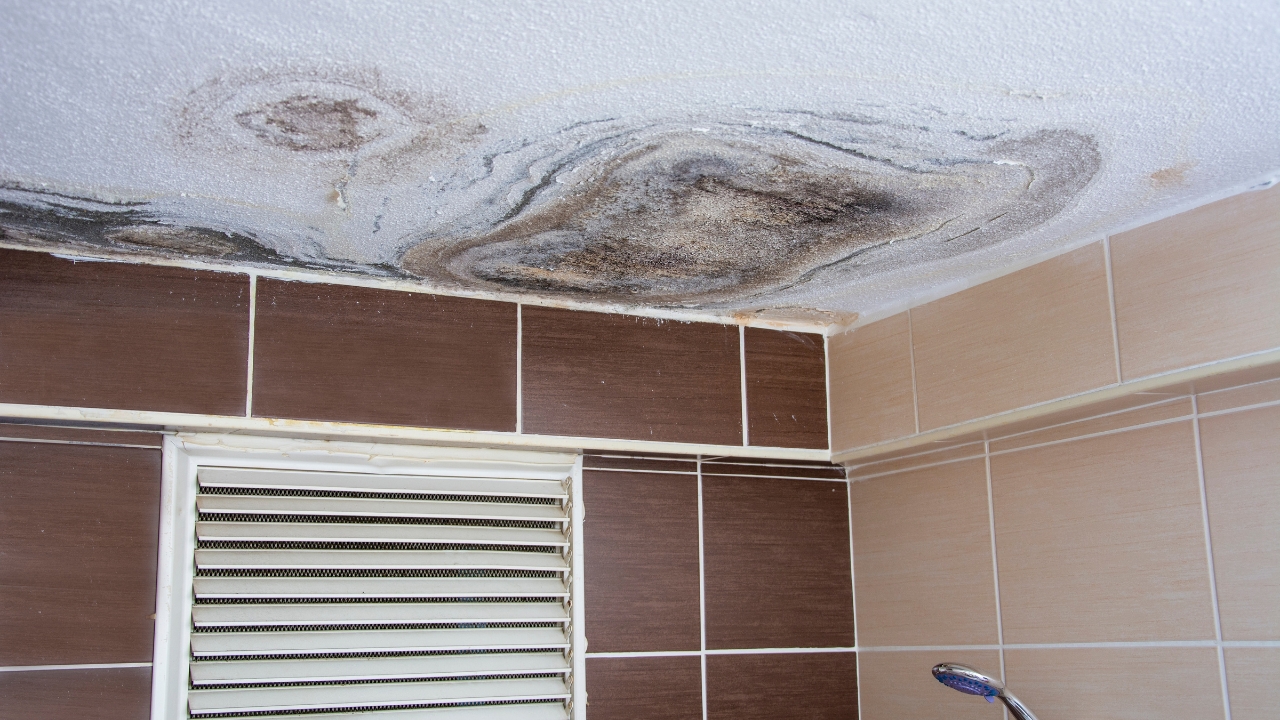
According to the renter, the bathroom ceiling had serious visible damage. It was not a tiny stain or a spot of peeling paint. The ceiling was rotting, and black mold had appeared. In a bathroom, that kind of damage often points to a leak from above, repeated moisture, failed ventilation, plumbing trouble, or some combination of all of it.
The renter said they had already reported the issue to the apartment. But instead of getting a quick repair plan, they were told it had been marked as “low priority.” That answer is what made the whole situation feel so unreasonable. A burned-out bulb or a sticky cabinet drawer can be low priority. A rotting bathroom ceiling with mold should not feel like something a tenant has to keep begging to get addressed.
The renter was also concerned because the problem was in the bathroom, a space they had to keep using every day. It is hard to avoid a bathroom in your own apartment. If the ceiling is visibly damaged and mold is growing overhead, the tenant is not simply inconvenienced. They are living around a possible moisture and air-quality problem while waiting for management to decide it matters.
That is where renters often feel trapped. A homeowner can call a plumber, open the ceiling, dry everything out, and hire remediation if needed. A renter usually has to go through maintenance and the property manager. If the landlord does not move, the tenant may not have many immediate options that feel simple or safe.
The renter wanted to know what they could legally do. They were in Texas, so commenters quickly focused on written notice and repair procedures rather than casual phone calls or verbal complaints. That is a big lesson for renters dealing with water damage. Telling the office in person might feel like reporting it, but if things escalate, written documentation matters far more.
The situation also raised the question of whether the landlord understood the scope of the problem. Sometimes apartment offices treat maintenance tickets based on broad categories, not what is actually happening inside the unit. A “ceiling issue” might get lumped in with cosmetic repairs unless the tenant clearly documents active leaking, visible mold, soft drywall, worsening damage, health concerns, and the fact that the bathroom is affected.
That does not excuse ignoring it. It only shows why renters often need to be very specific in writing. “There is mold on my bathroom ceiling and the ceiling material appears to be rotting” lands differently than “bathroom ceiling needs repair.”
The renter’s frustration came from being expected to keep living with it while the apartment took its time. A rotting ceiling can eventually sag, crumble, or collapse if the moisture problem continues. Even before that, mold on porous materials like drywall can be difficult to solve with a surface wipe. If the leak source is not fixed and wet materials are not properly removed or dried, the same problem can return.
Commenters also pushed the renter to think about local code enforcement or health departments if management would not respond. Landlords generally have a duty to maintain habitable living conditions, but tenants often have to follow the right steps before taking stronger action. That can include written notice, certified mail, photos, dates, and giving the landlord a legally reasonable time to respond.
For this renter, the real problem was not only the ceiling. It was the apartment complex treating a visible mold and rot problem like a minor repair. Once water damage reaches that point, the tenant needs more than a vague promise. They need the leak source found, damaged materials addressed, and the bathroom made safe to use again.
Commenters urged the renter to put everything in writing immediately. Several said they should send a formal repair request that clearly described the rotting ceiling, visible mold, and concern that the bathroom may not be safe. A few recommended sending it through whatever official tenant portal existed and also by certified mail so there would be proof the landlord received it.
Several users told the renter to take photos and videos from multiple angles, save every maintenance request, and write down the dates of every conversation. If management continued calling it low priority, the renter needed a record showing when the issue was reported and how long it sat unresolved.
Others suggested contacting local code enforcement, the city, or a tenant rights group if the landlord refused to act. A few commenters also warned the renter not to start tearing into the ceiling themselves, because that could expose more mold, create liability questions, or make it harder to prove what the apartment failed to repair.
The strongest advice was to treat it like a habitability issue, not a cosmetic complaint. A bathroom ceiling with rot and mold needs a real repair plan, and the tenant needed to stop relying on casual maintenance requests if the apartment complex was already brushing it off.