New Homeowner’s Survey Confirms Land West of the Fence Is Hers — Then the Neighbor Insists the Old Fence Line “Automatically” Makes It His
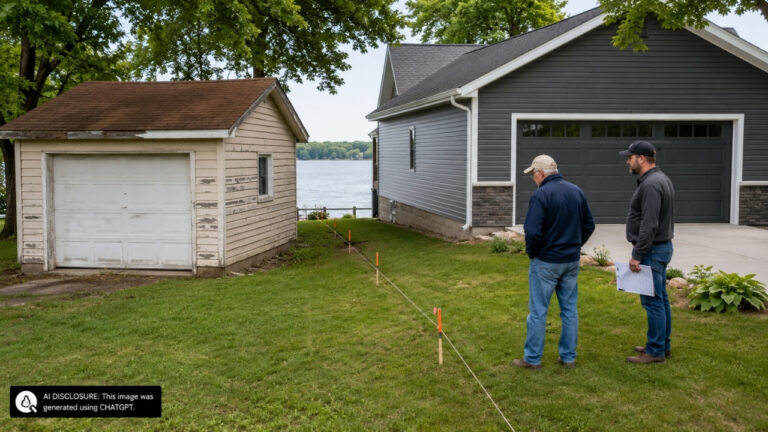
Photo credit: AI-generated image created using ChatGPT. Illustrative only.
Nothing makes a new house feel less like “home” than realizing the yard might come with a boundary fight. One homeowner thought they were finally ready to start using a small strip of land near an old fence—until the neighbor stepped in and declared that section wasn’t theirs to touch.
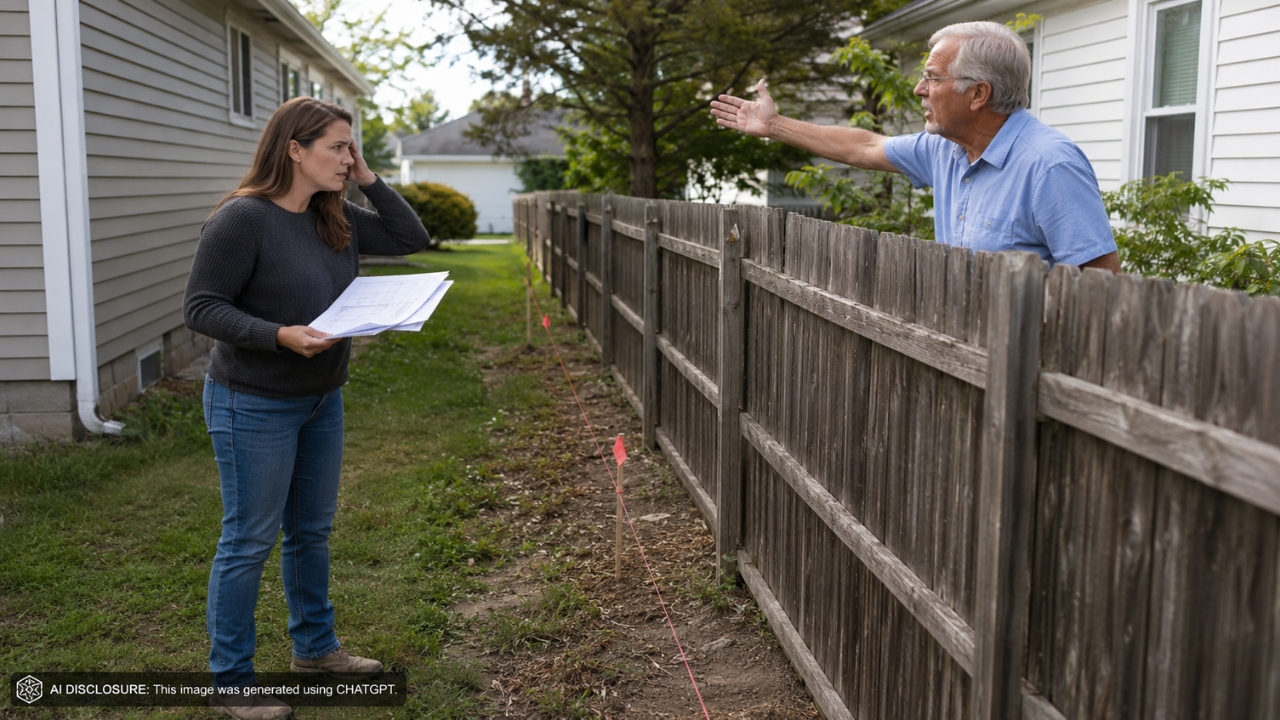
In the source post, the homeowner explains they bought the place last year and ran into an immediate dispute: the neighbor insists the land west of the fence belongs to him. The homeowner says every survey they’ve seen shows it belongs to them, but the neighbor’s comeback is blunt—because the fence has been there “for so long,” he believes it automatically became his land.
When the fence “feels” like the property line
Old fences have a way of becoming law in people’s heads. If a fence has sat in the same place for years, everyone mows to it, gardens up to it, and talks about it like it’s the real boundary—even if it was never installed on the actual line.
That’s where this homeowner got stuck. On paper, the property lines appear clear to them: the disputed piece is theirs. On the ground, the neighbor sees a fence that’s been there a long time and treats it like the only proof that matters.
It’s the kind of disagreement that starts polite—“Hey, just so you know…”—and then gets personal fast when one person tries to make changes. And in this case, the homeowner says the neighbor is “throwing a fit” now that they’re making moves to use the area in dispute.
Surveys say one thing, the neighbor says another
The homeowner’s frustration is easy to understand: they’re not working off a hunch or a vague memory. They’re looking at surveys, plural, and saying they all point the same direction.
The neighbor’s position isn’t that there’s a different survey showing different results. It’s more of a time-based argument: the fence has been there so long that it “automatically” shifts ownership, even though he has “never filed any paperwork” to make a change.
For a lot of homeowners, that word—automatically—is what spikes the anxiety. Because once a neighbor starts talking like that, it’s not just about who gets to plant shrubs. It’s about whether you can safely spend money on improvements, whether you can build anything near that line, and whether a simple yard project turns into a threat of court.
The moment they tried to use the strip, everything escalated
This wasn’t a dispute that stayed theoretical. The homeowner says the neighbor got upset when they began making moves to utilize the piece of land. That’s often the turning point in boundary fights: once one side acts, the other feels like they’re losing something in real time.
Even without the extra details the homeowner alluded to (“There’s lots else involved”), you can see the basic mechanics of escalation. A long-standing fence creates a long-standing habit. Habits turn into expectations. Expectations turn into entitlement. Then a new owner shows up with paperwork and plans, and suddenly both sides feel cornered.
And there’s a practical issue underneath the emotions: if that strip is wide enough to matter, it can affect access, future fencing costs, landscaping, drainage patterns, and where people think they have the right to walk. A few feet can be the difference between a usable side yard and a narrow squeeze that’s hard to maintain.
The question that hangs over every boundary fight: what counts as proof?
The homeowner boils it down to one question: how much weight does a property survey hold in court?
That question gives away what’s really happening here. This isn’t just a neighbor-to-neighbor misunderstanding they expect to clear up with a friendly chat. They’re already thinking about what happens if the neighbor refuses to back down—and what kind of documentation actually holds up when it gets serious.
And it’s a classic fear for newer homeowners: you can do everything “right,” keep your closing documents, rely on the records you were given, and still end up with a person next door acting like their memory of the fence line outranks the boundary description attached to your deed.
When disputes reach this stage, the stress isn’t limited to the land itself. People start worrying about retaliation, property damage, and whether any improvements in that area could get ripped out or challenged. They also start worrying about the long game—because even being correct can get expensive if you have to prove it formally.
How readers typically react: document first, don’t “improve” into a lawsuit
The post is brief and focused on the homeowner’s main concern—surveys versus fence lore—but the dynamic is familiar to anyone who has lived beside a “that’s how it’s always been” neighbor. The most common practical reactions in these disputes tend to cluster around a few themes: documentation, boundaries, and not escalating the physical fight while the paper fight is unresolved.
When a neighbor claims land based on time and an old fence, homeowners often get urged to keep everything in writing, keep copies of every survey they have, and avoid doing anything that looks like a provocation. Not because they’re wrong to use their land, but because small actions—moving a fence panel, cutting brush, placing landscaping—can become flashpoints that make the disagreement feel like a personal invasion.
People also tend to recommend getting clarity from professionals rather than battling it out in the yard. In boundary disputes, it’s not unusual for one side to insist that “everyone knows” the fence is the line. A licensed survey is usually the cleanest way to anchor the conversation back to something measurable, even if it doesn’t immediately change the neighbor’s mind.
And when someone starts claiming ownership without paperwork, the other side often starts thinking about cameras, photos, dated notes, and a record of who said what and when. Not for internet points—because boundary disputes can drift into accusations, and it helps to have a calm paper trail when memories get selective.
A new homeowner’s problem: you inherit the fence, and the neighbor’s story
What makes this kind of dispute feel so unfair is that the homeowner didn’t build the fence, didn’t create the longstanding routine, and didn’t spend years “agreeing” to anything. They bought a home and trusted the surveys they were given, then discovered the neighbor has been living with a different mental map.
Now they’re stuck in the worst middle ground: the homeowner believes the land is theirs, the neighbor believes time made it his, and the physical fence sitting in the wrong place (if it is) keeps reinforcing the neighbor’s confidence every time he looks out the window.
For the homeowner, the stakes are immediate and practical. If they can’t use that strip, they’re effectively losing part of what they purchased. If they do use it, they risk a bigger blow-up. And until the two sides agree on what the boundary actually is, even small yard decisions—where to plant, where to store materials, where to run a mower—become loaded.
In the end, the fight isn’t really about the fence itself. It’s about whether a long-standing object in the yard overrides the documents tied to the sale of the home. And once a neighbor starts using words like “automatically,” it stops being a neighborly disagreement and starts feeling like a test of whether ownership is real—or just something you argue about from the other side of the fence.
Like Fix It Homestead’s content? Be sure to follow us.